


 Русский
 Беларуская мова



- Museum of Fantastic Creatures
- Museum of the History of the Great Patriotic War
- National Art Museum
- Alivaria Museum
- Groshi Museum
- Zair Azgur Studio Museum
- National Centre for Contemporary Arts
- Strana Mini Museum of Miniatures
- Museum of Aviation and Cosmonautics
- National Historical Museum
- Museum of Nature and Ecology
- Upper Town Archaeological Museum
- Vysokoye Mesto Art Salon
- Loshitsa Manor Museum
- Museum of Boulders (Stone Museum Park)
For every place on this list, we have included practical information current as of 2026: address, opening hours, admission fees and more…
Minsk is interesting not only for its avenues, parks and architecture, but also for its museums, which reveal different sides of the city. On a single itinerary, you can explore classical art, wartime history, literature, industrial heritage, money and contemporary multimedia exhibits. This variety makes Minsk’s museums an excellent choice for visitors with different interests.
In this selection, we have gathered the most interesting museums and galleries in Minsk, worth visiting both for first-time tourists and those who already know the capital well. Some are ideal for a relaxed cultural outing, others offer unusual and interactive experiences, while several are perfect for combining a city walk with something new. For each location, we have included practical information for 2026: address, opening hours, prices and useful details.
Museum of Fantastic Creatures
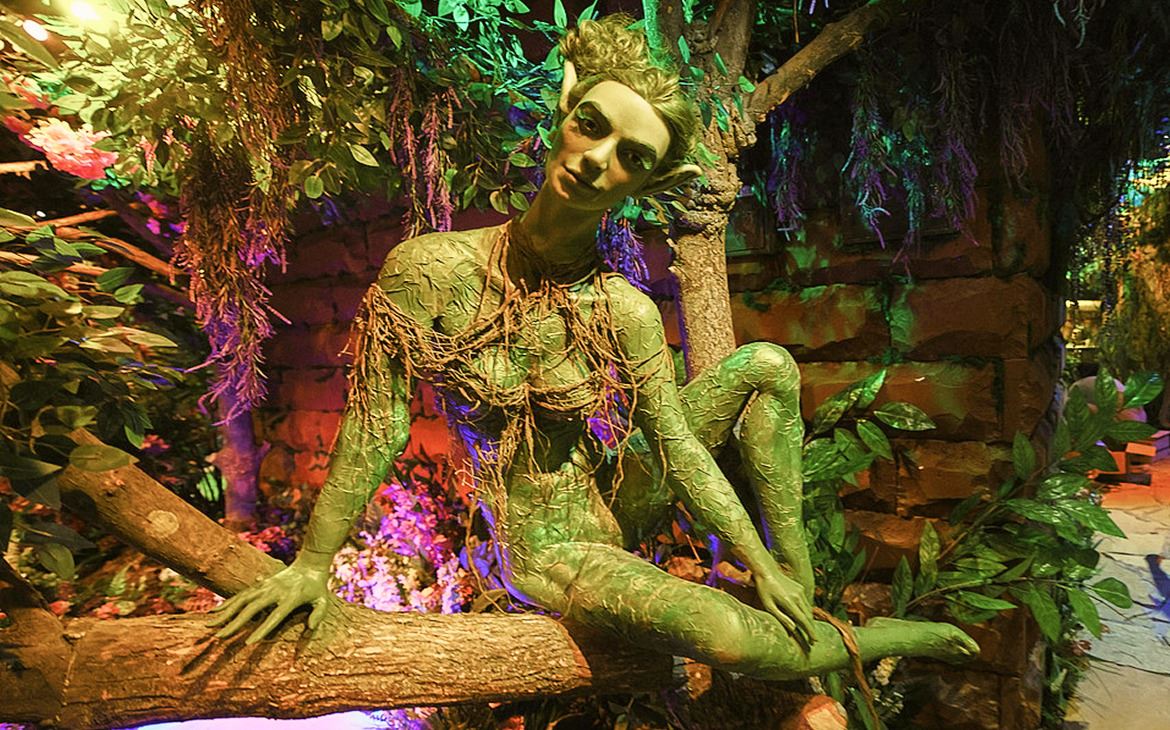
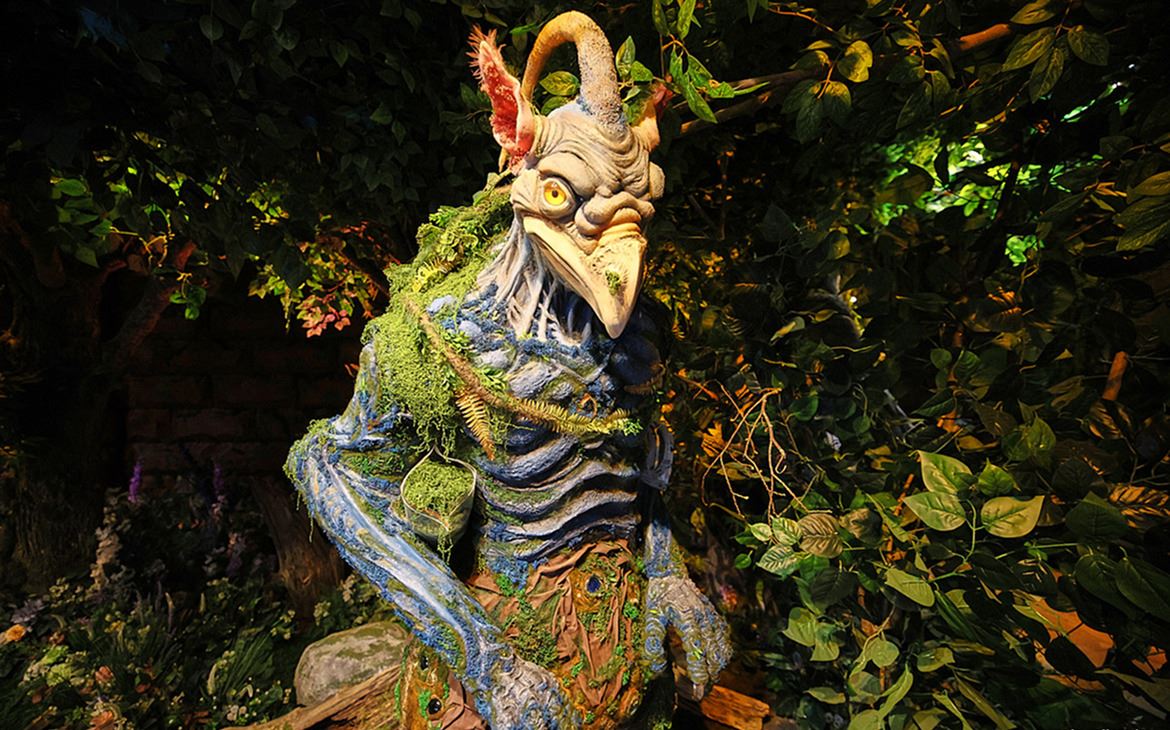
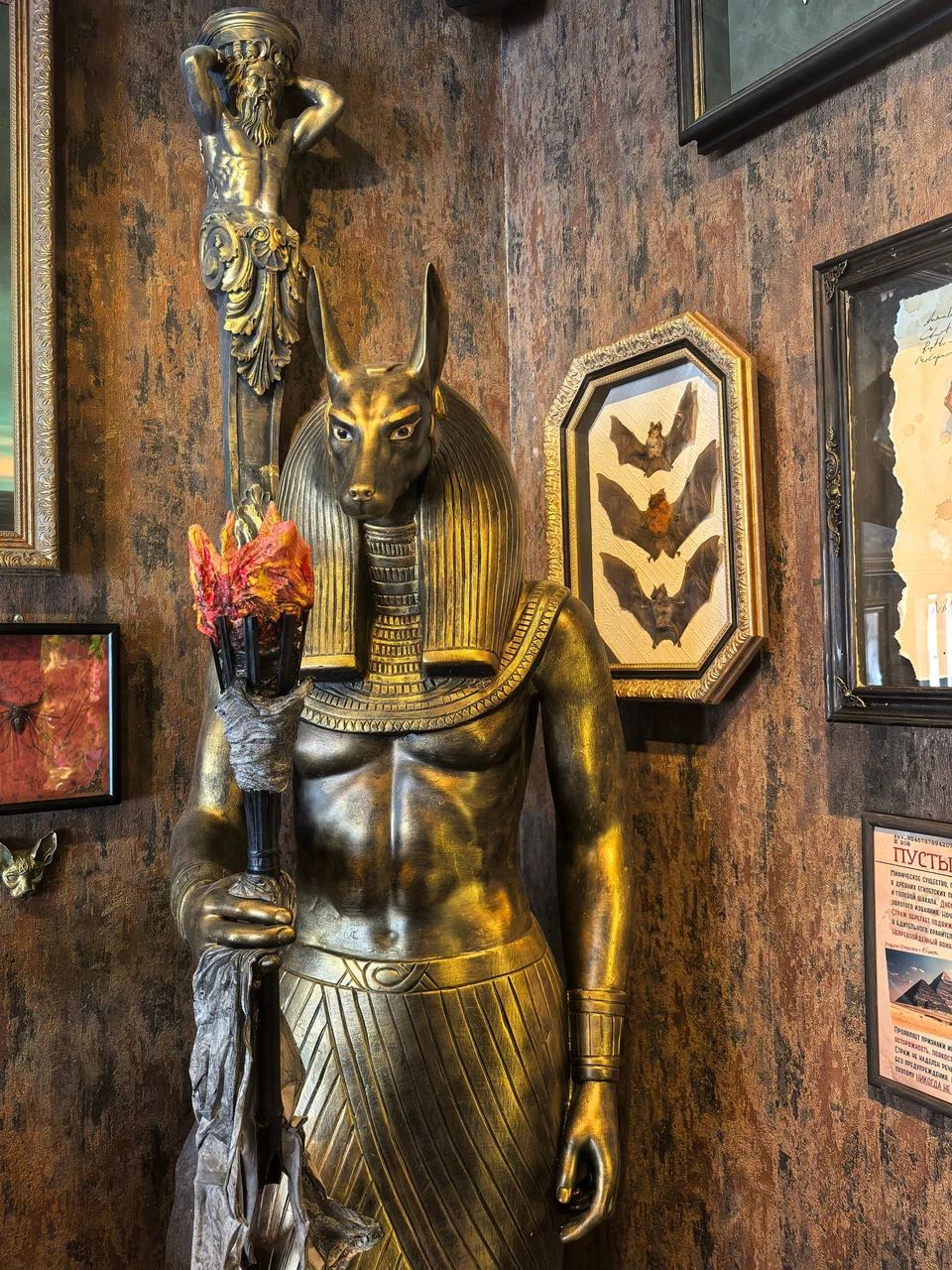
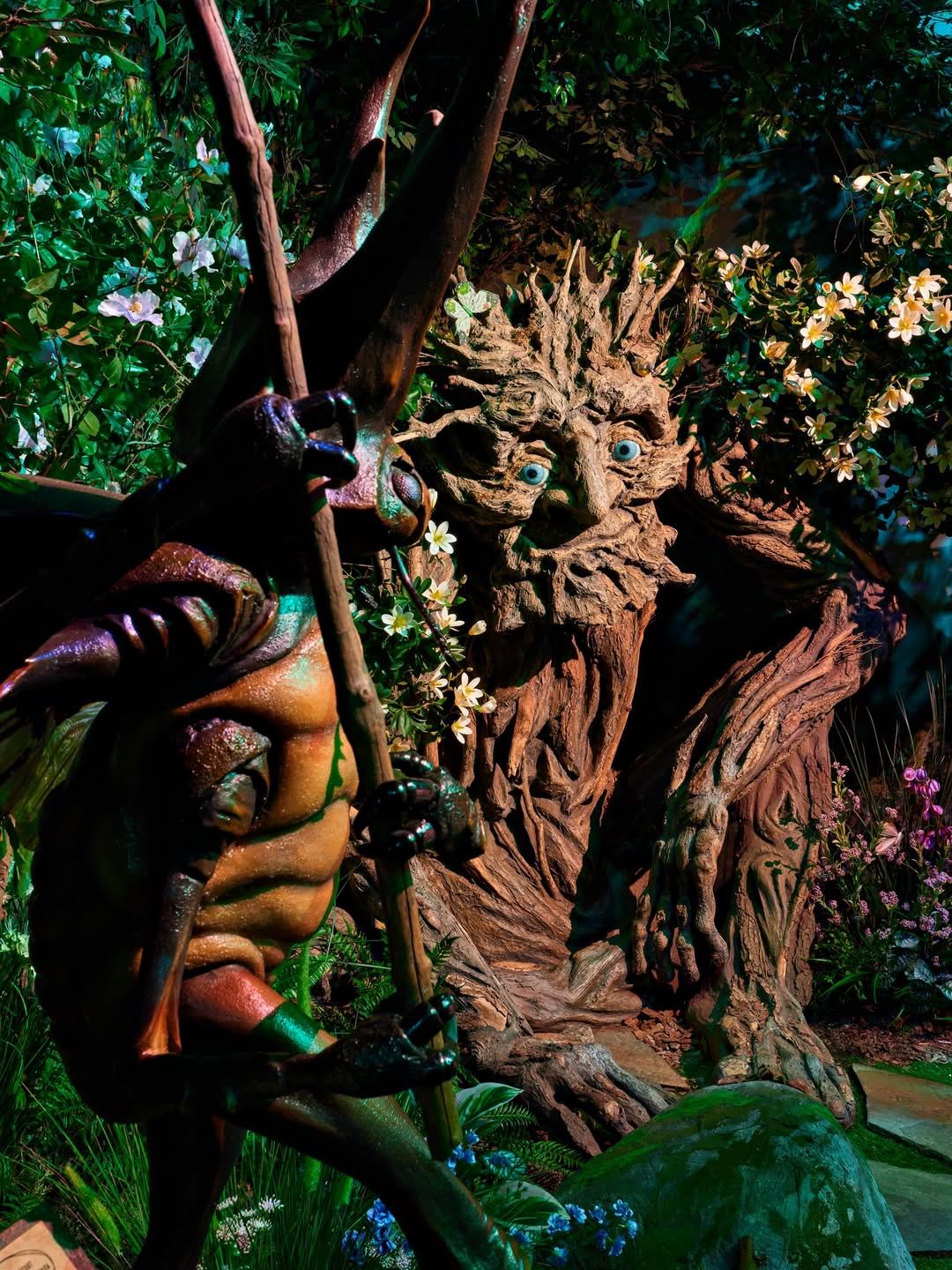
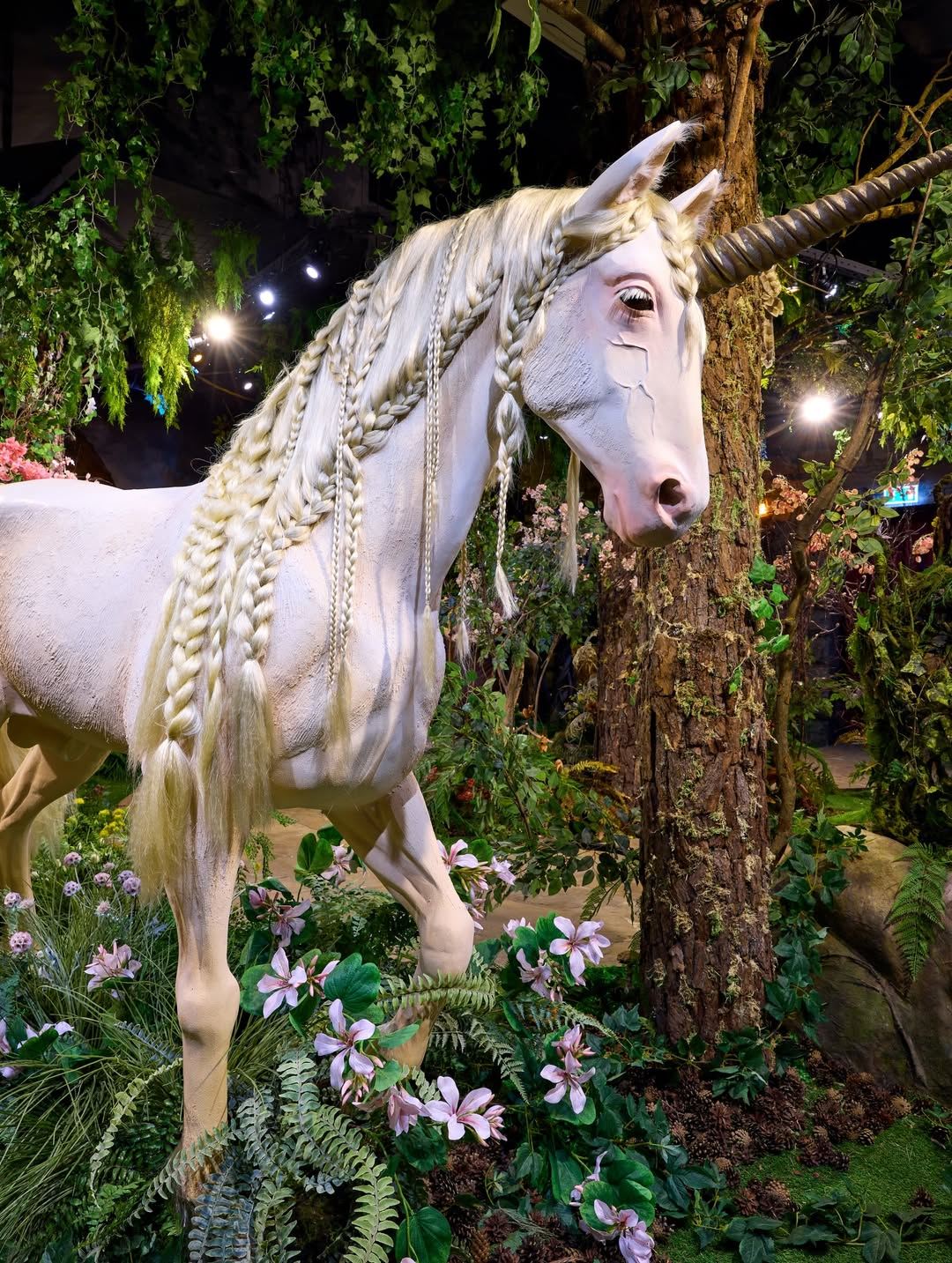
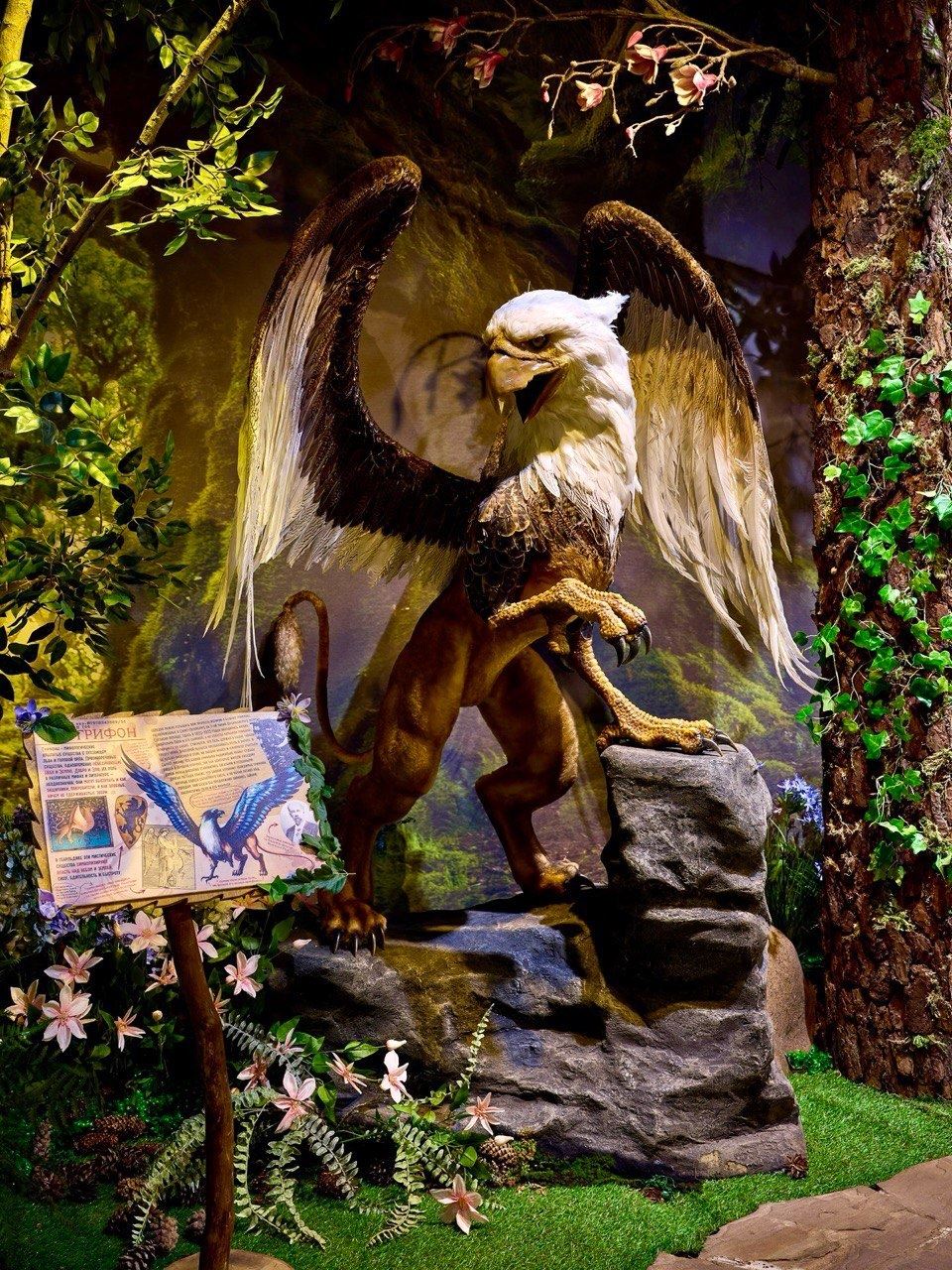
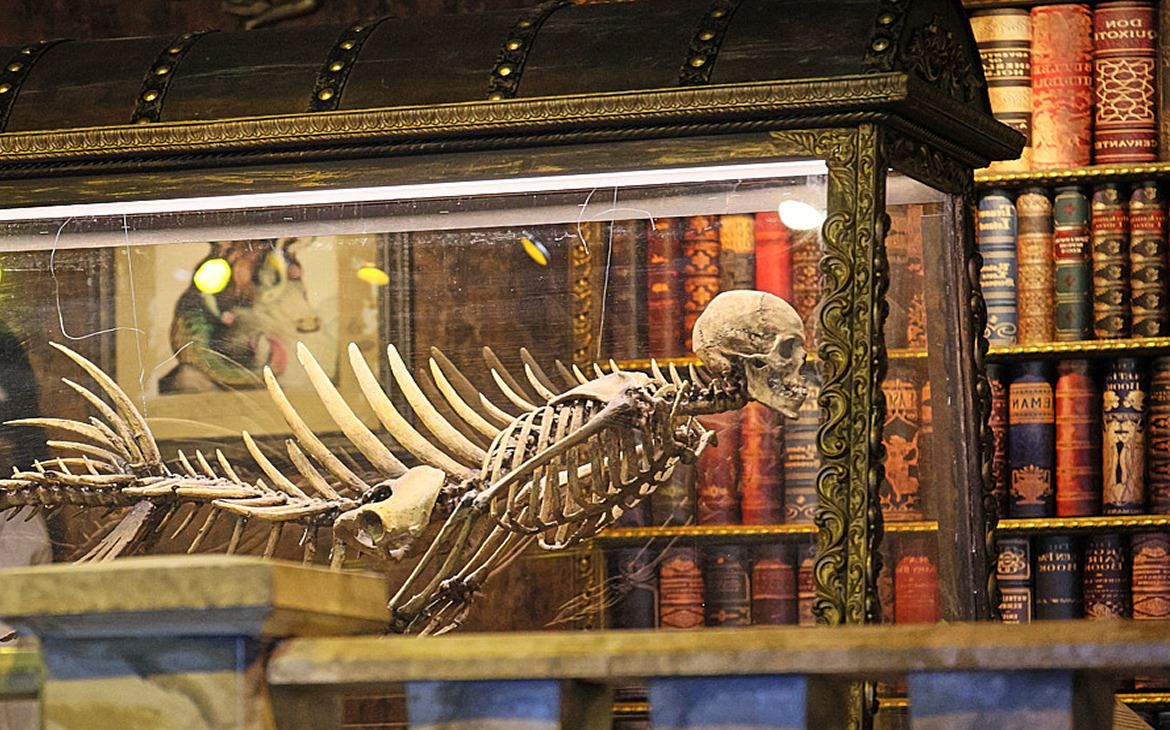
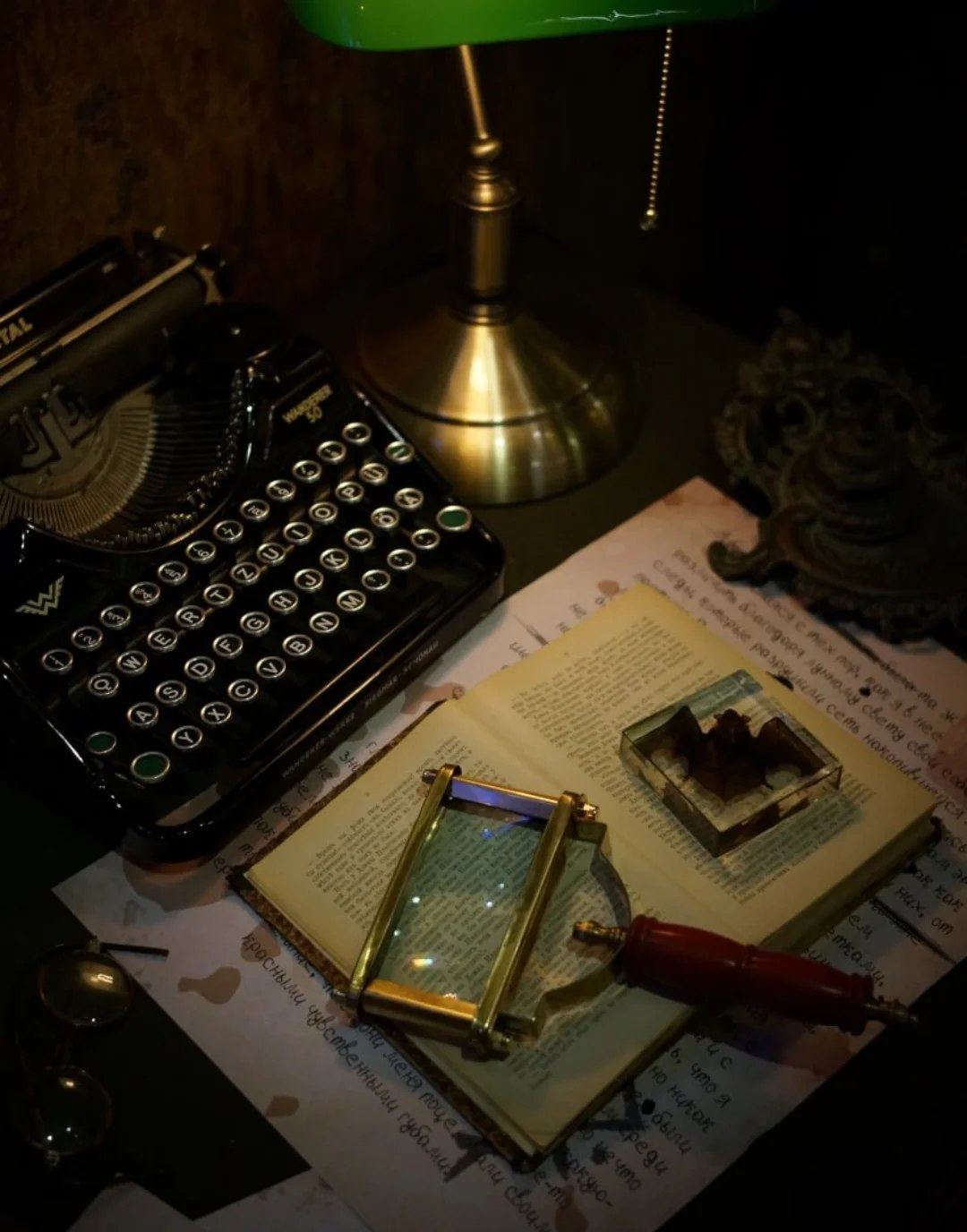
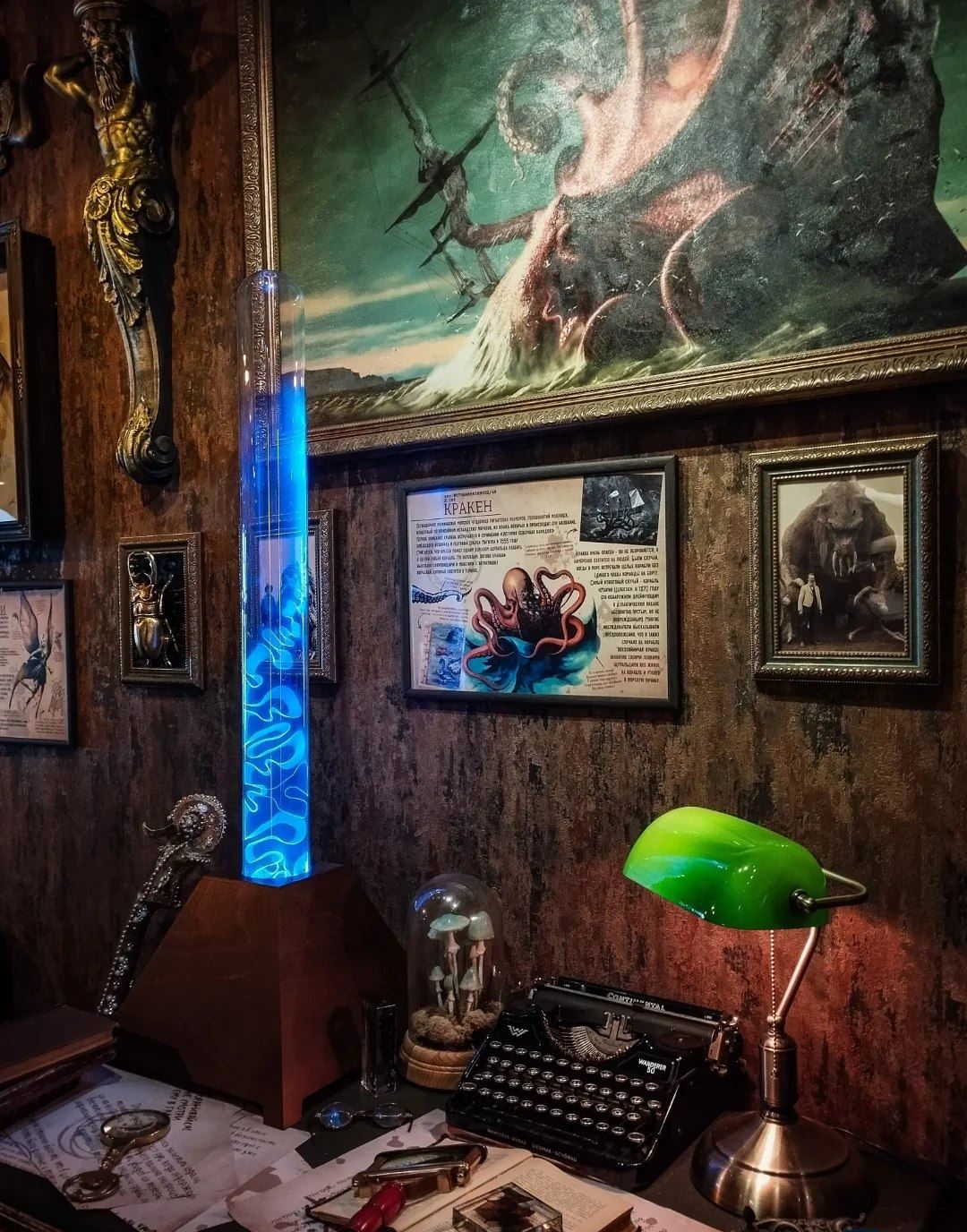
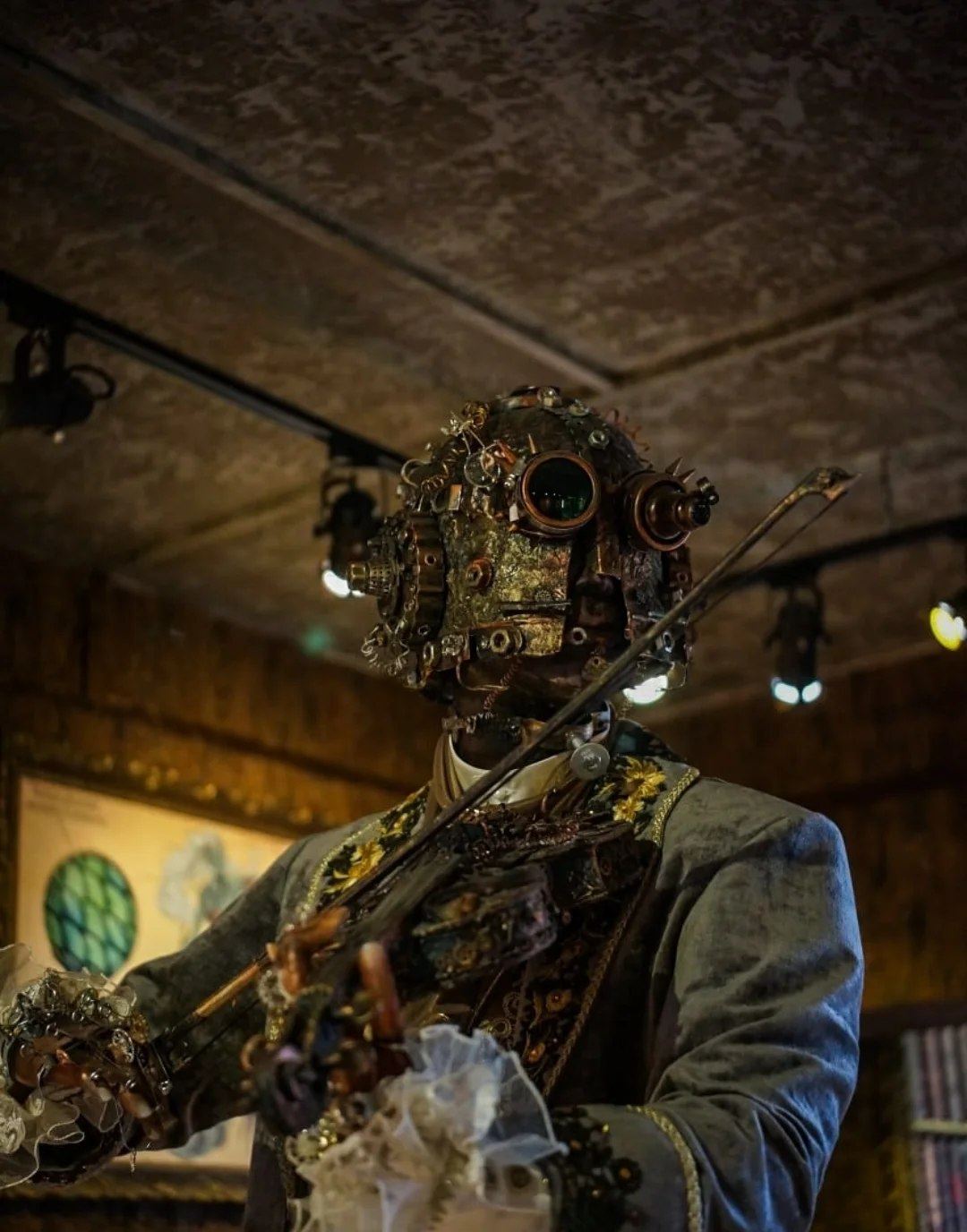
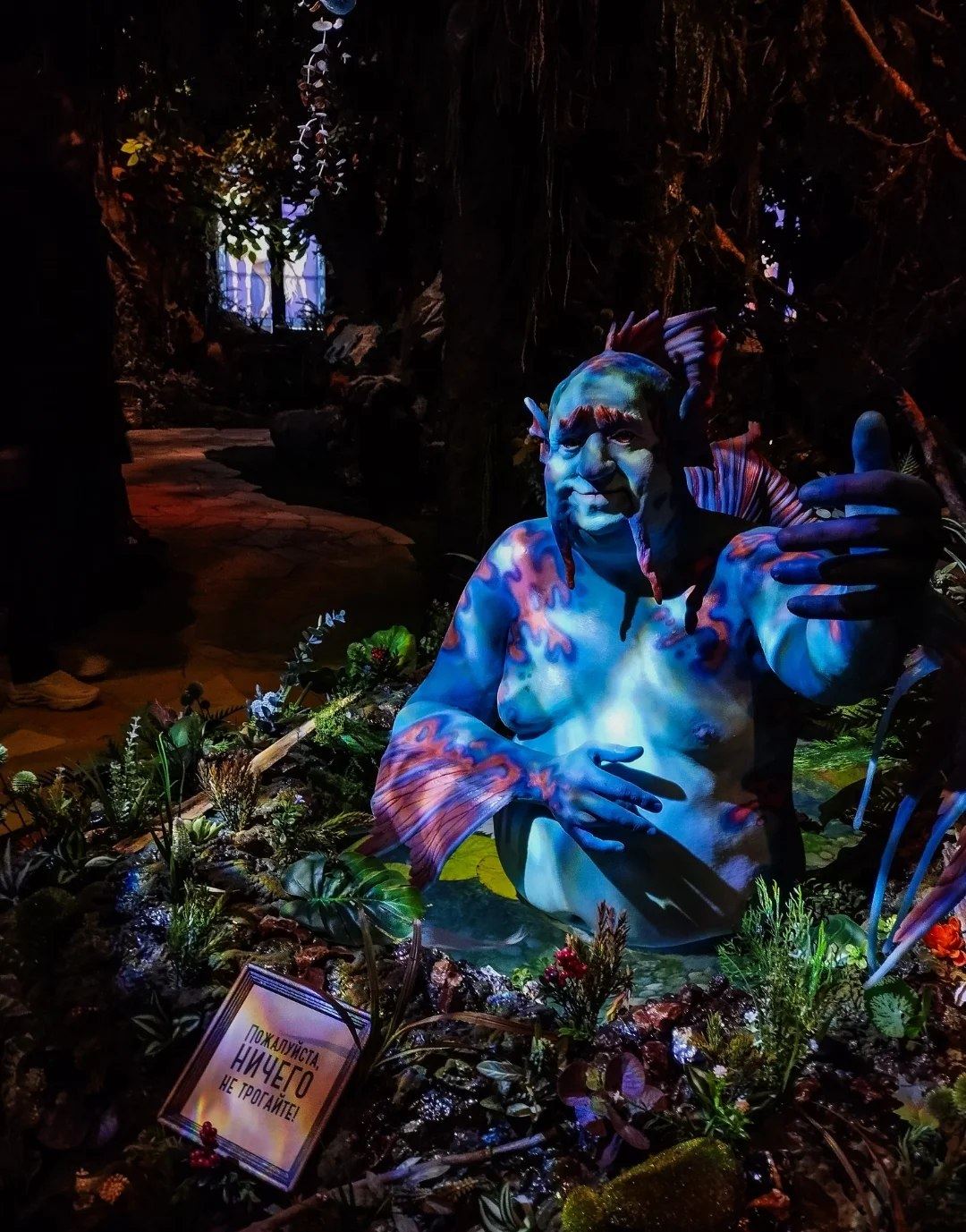
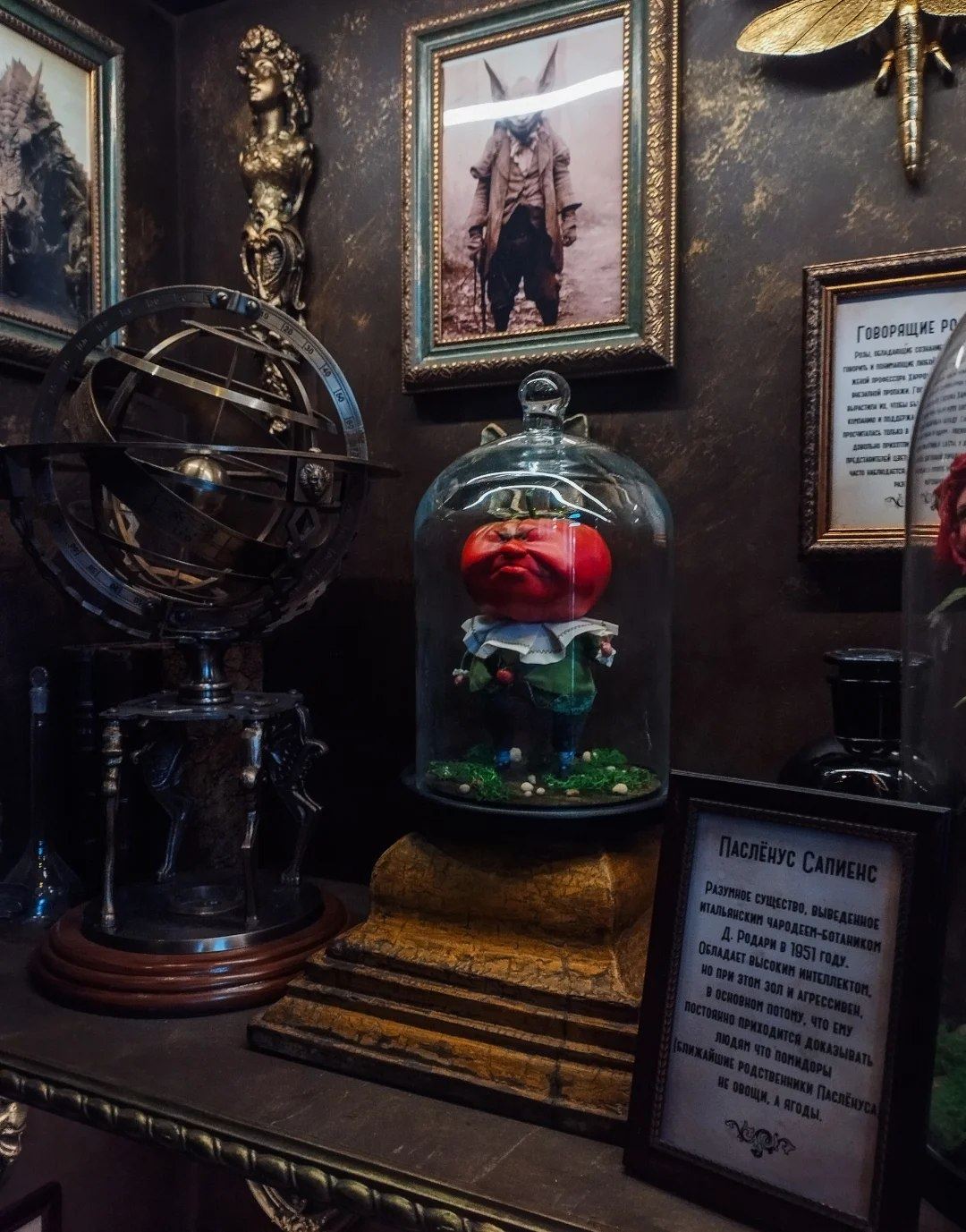
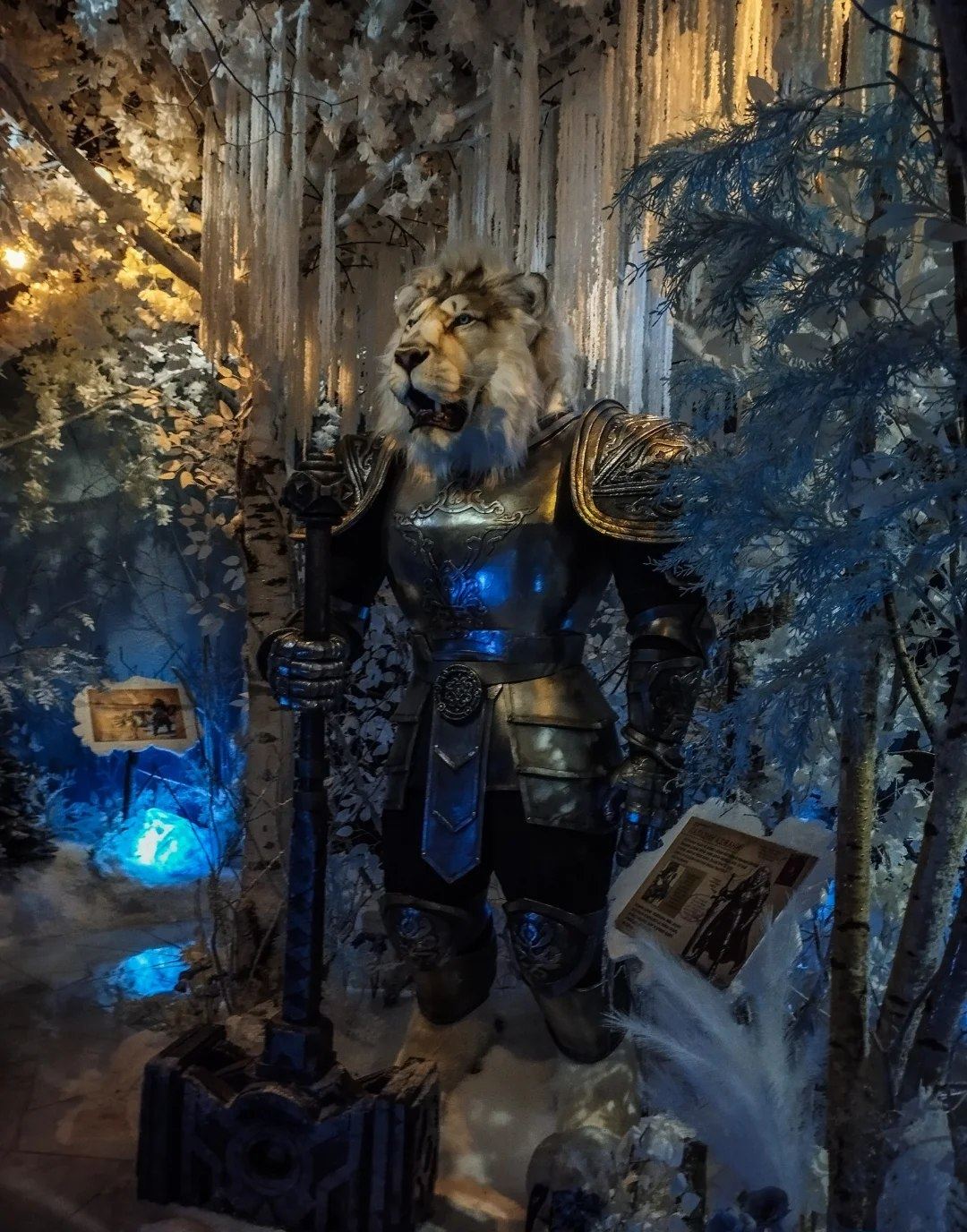
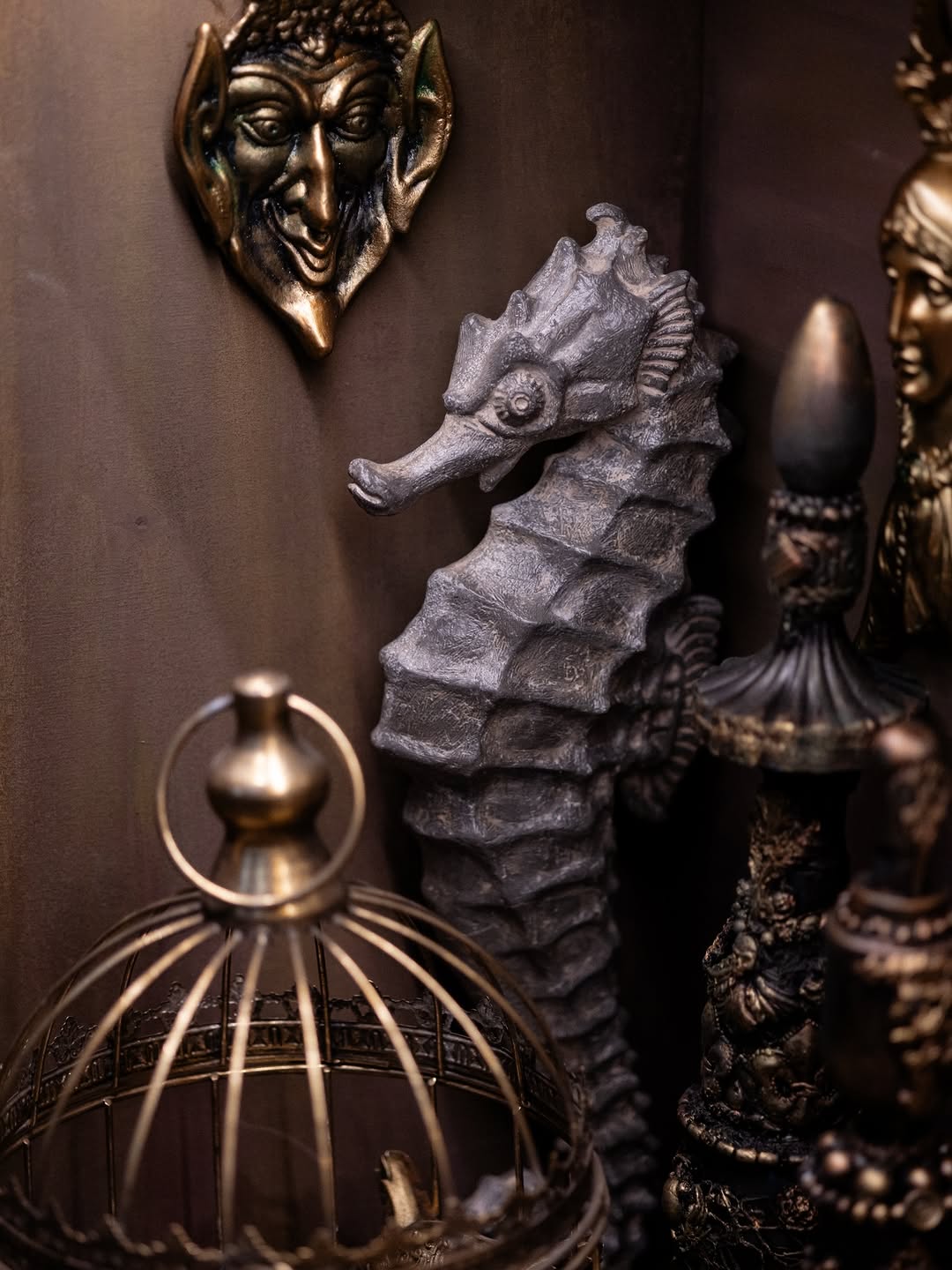
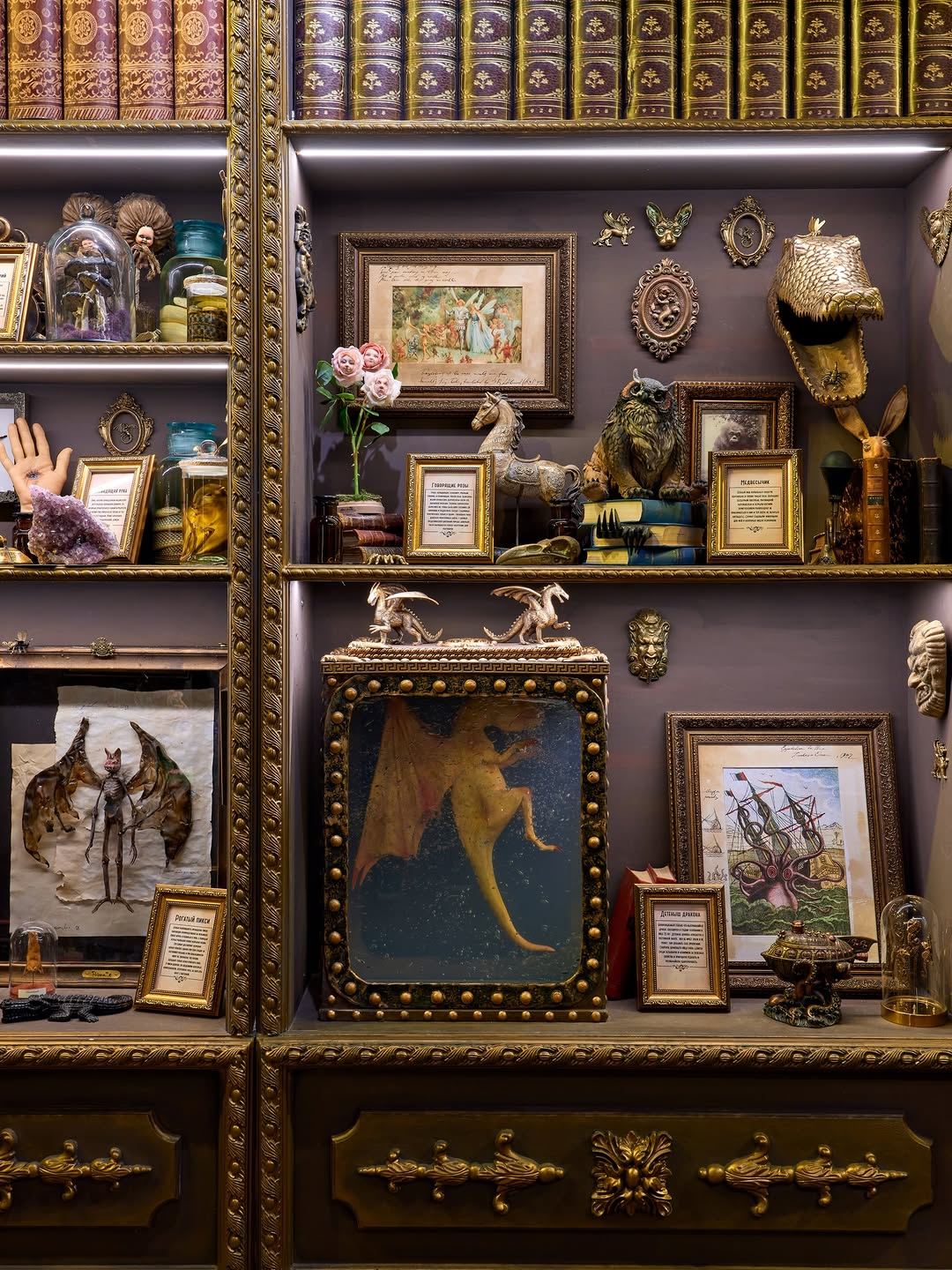
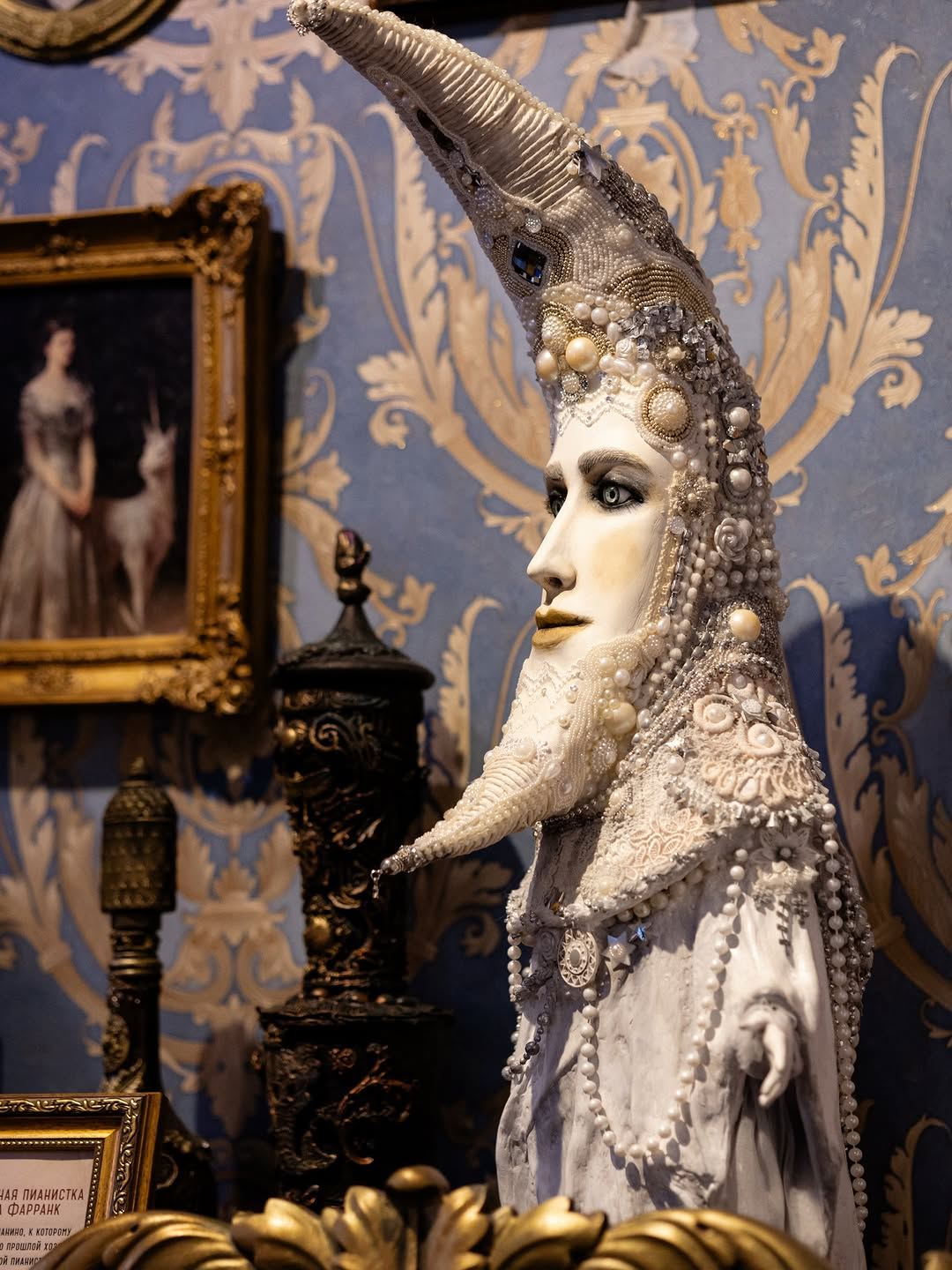
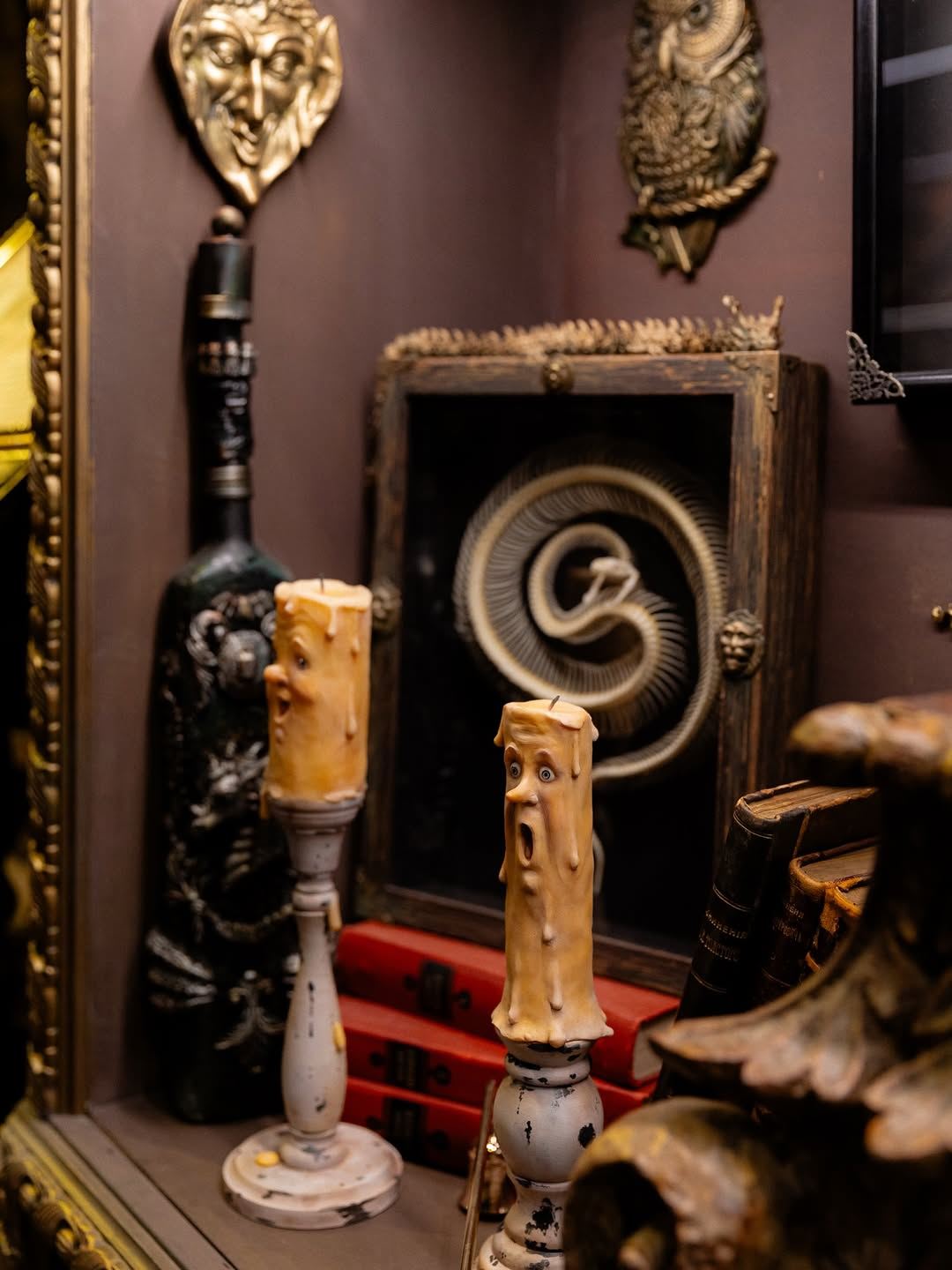
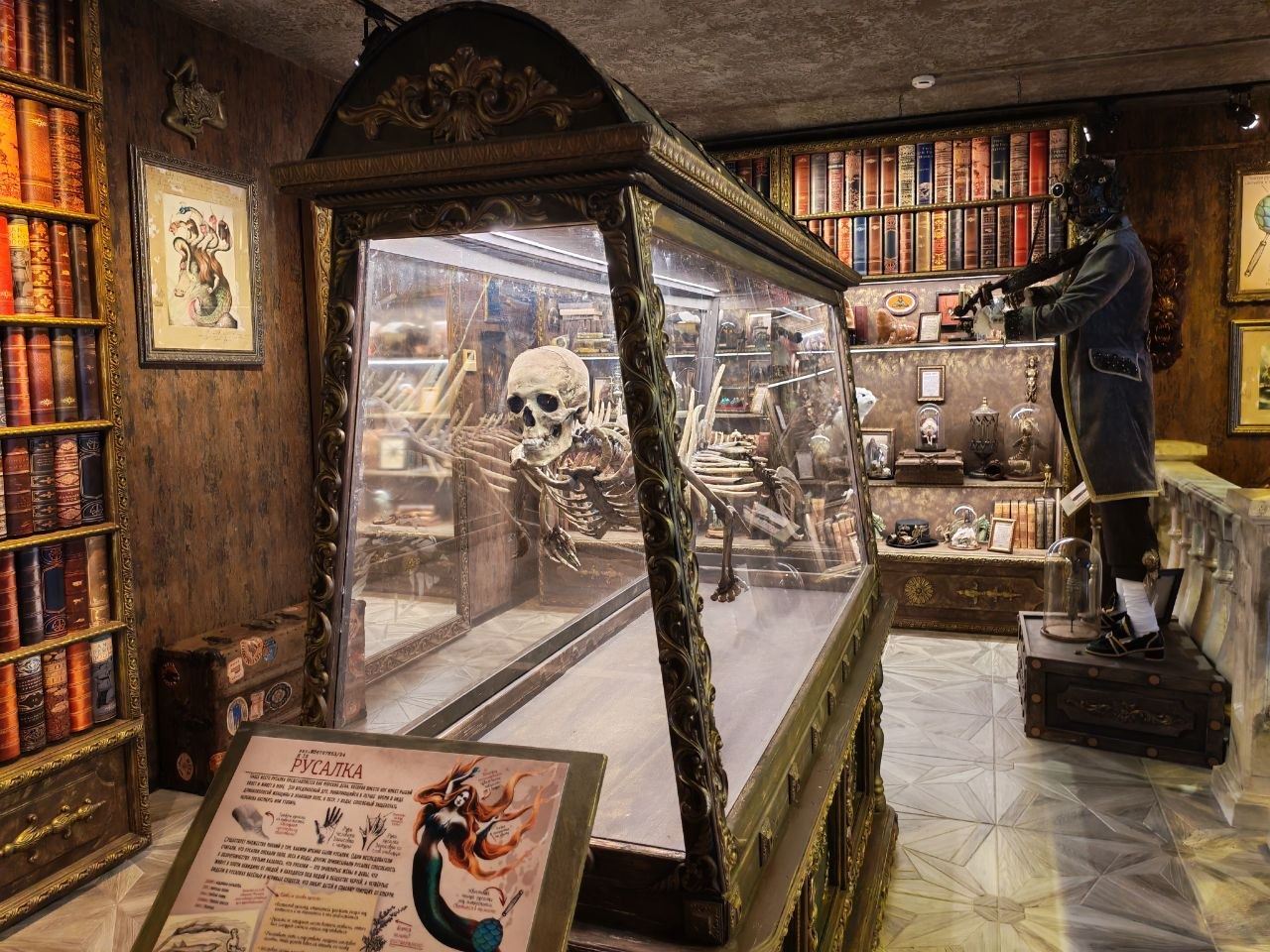
The first museum of cryptozoology and fantastic creatures, Legendary, is an entirely new and unusual attraction in Minsk, opened in May 2026. Its exhibits blur the line between reality and imagination: fairy-tale monsters and mystical beings are presented as if they really existed. The meticulously crafted displays feature mermaid skeletons, werewolves, vampires, water spirits and other astonishing creatures. It is a high-quality, slightly spooky attraction where science (zoology and anatomy) meets mythology. Legendary is ideal for anyone tired of traditional exhibitions and looking for excitement, an immersive fantasy experience and something different for both adults and children.
Address
Minsk, 3 Internatsionalnaya Street
Official website
Opening hours
- Daily: 10:00–22:00
- Open seven days a week
Price
- adult ticket: 35 BYN
- children under 14: 30 BYN
- pensioners: 33 BYN
Museum of the History of the Great Patriotic War
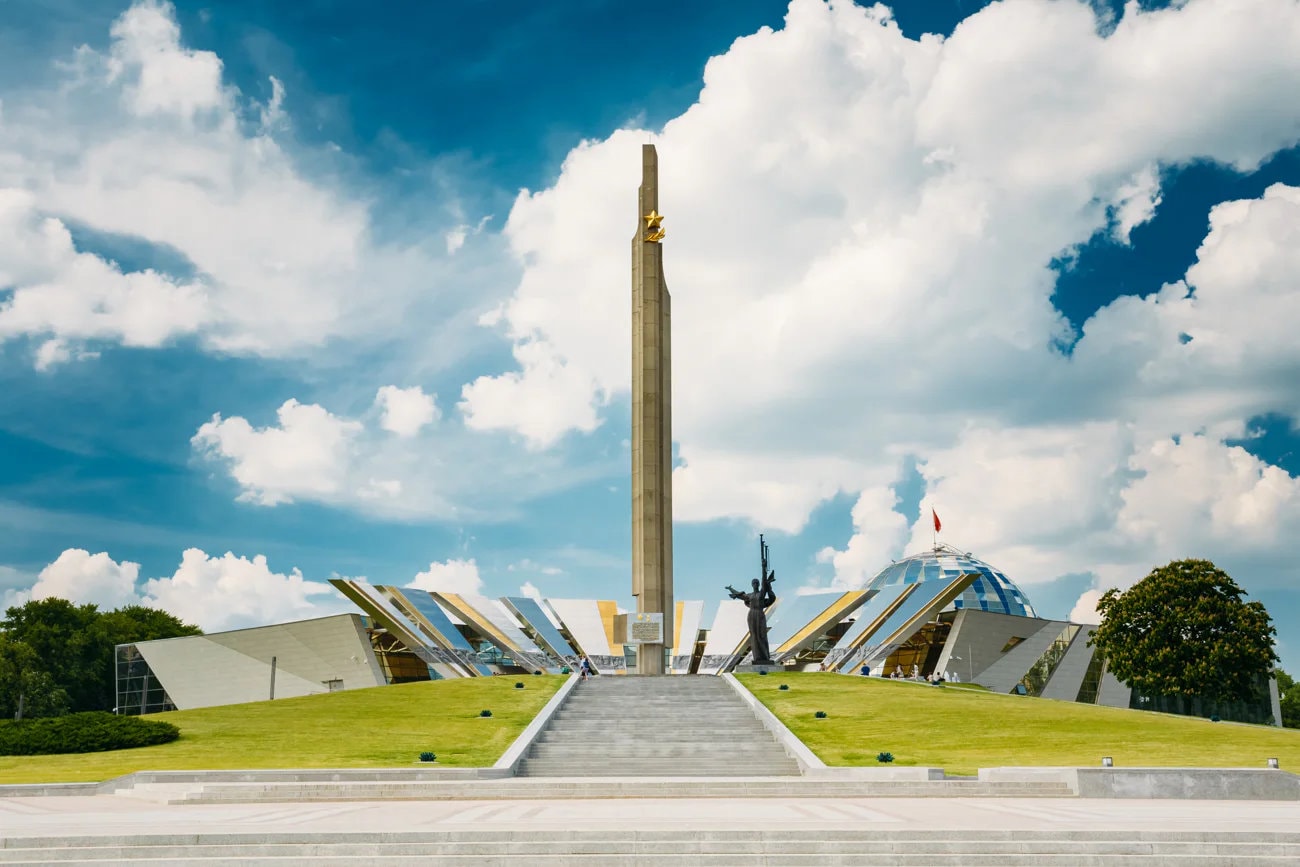
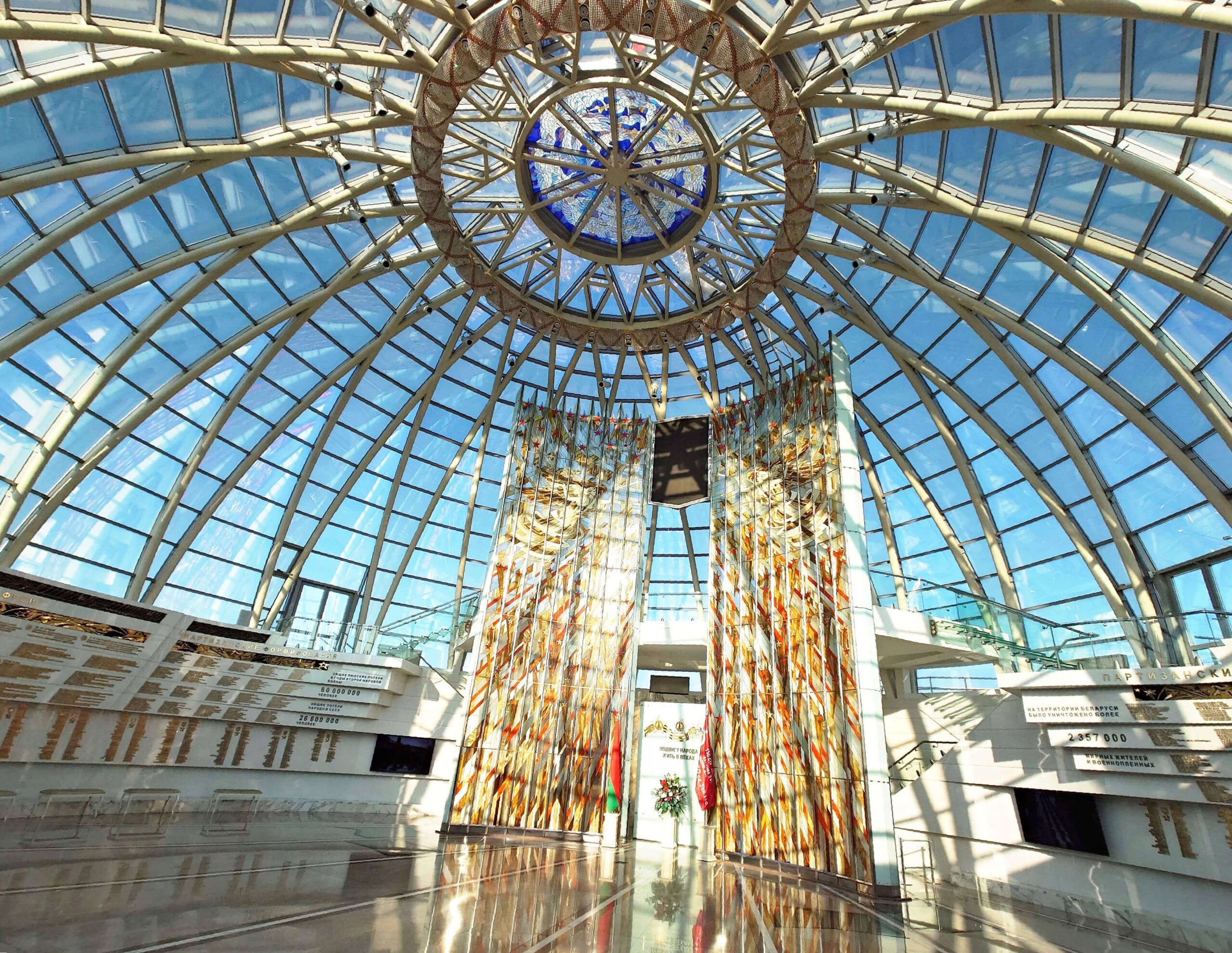
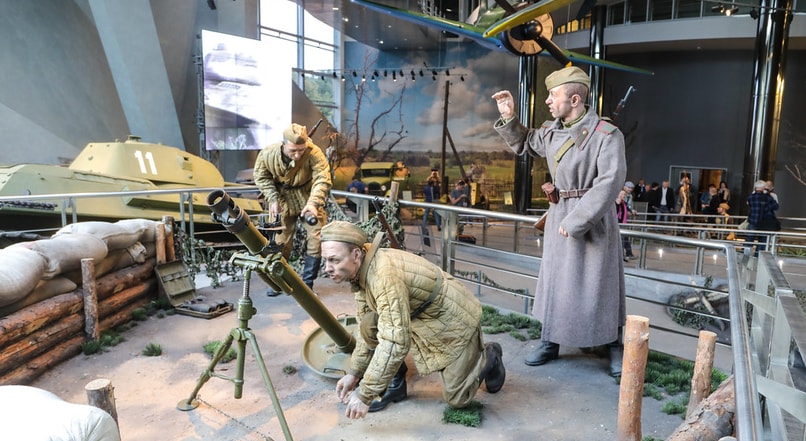
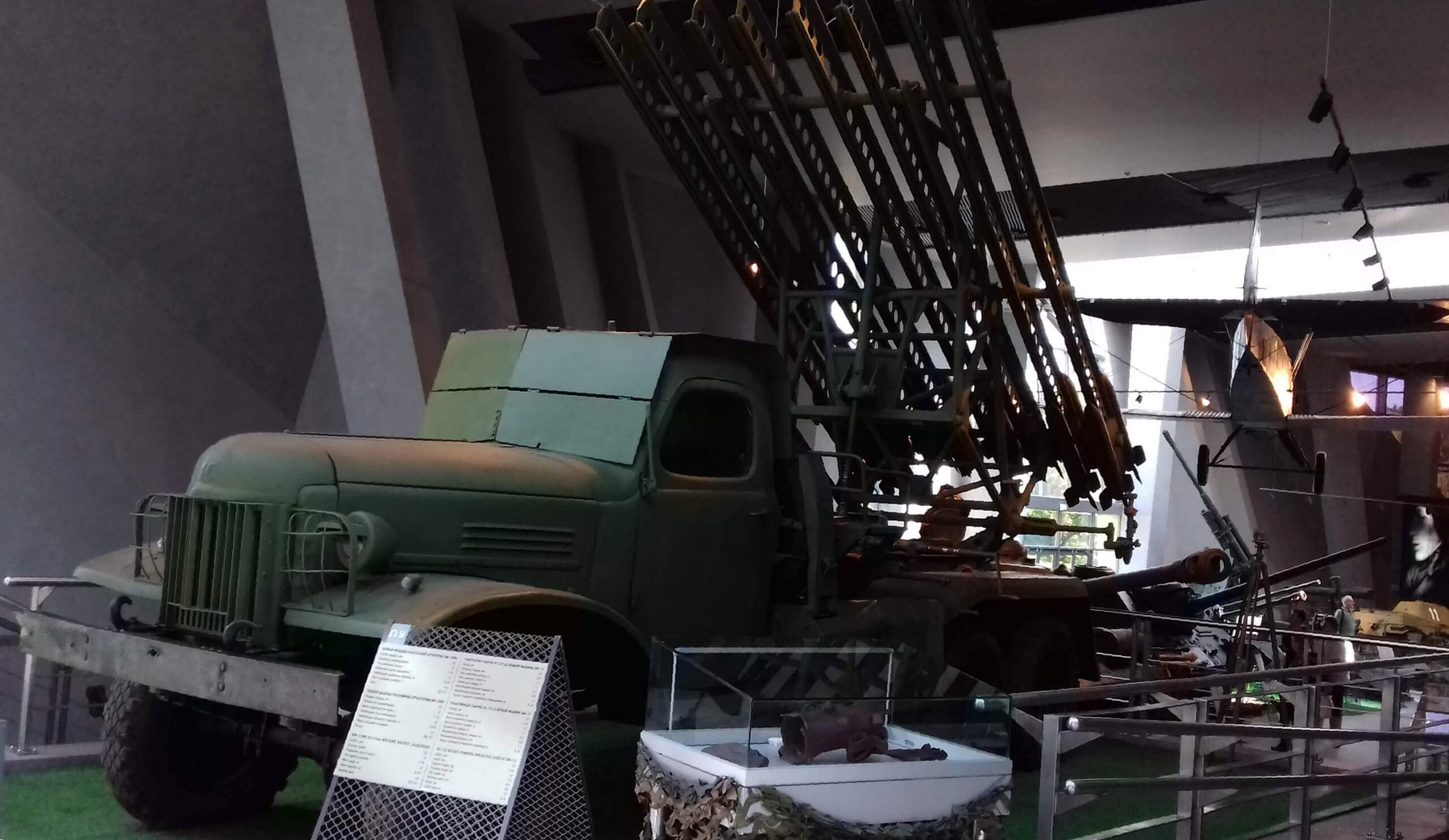
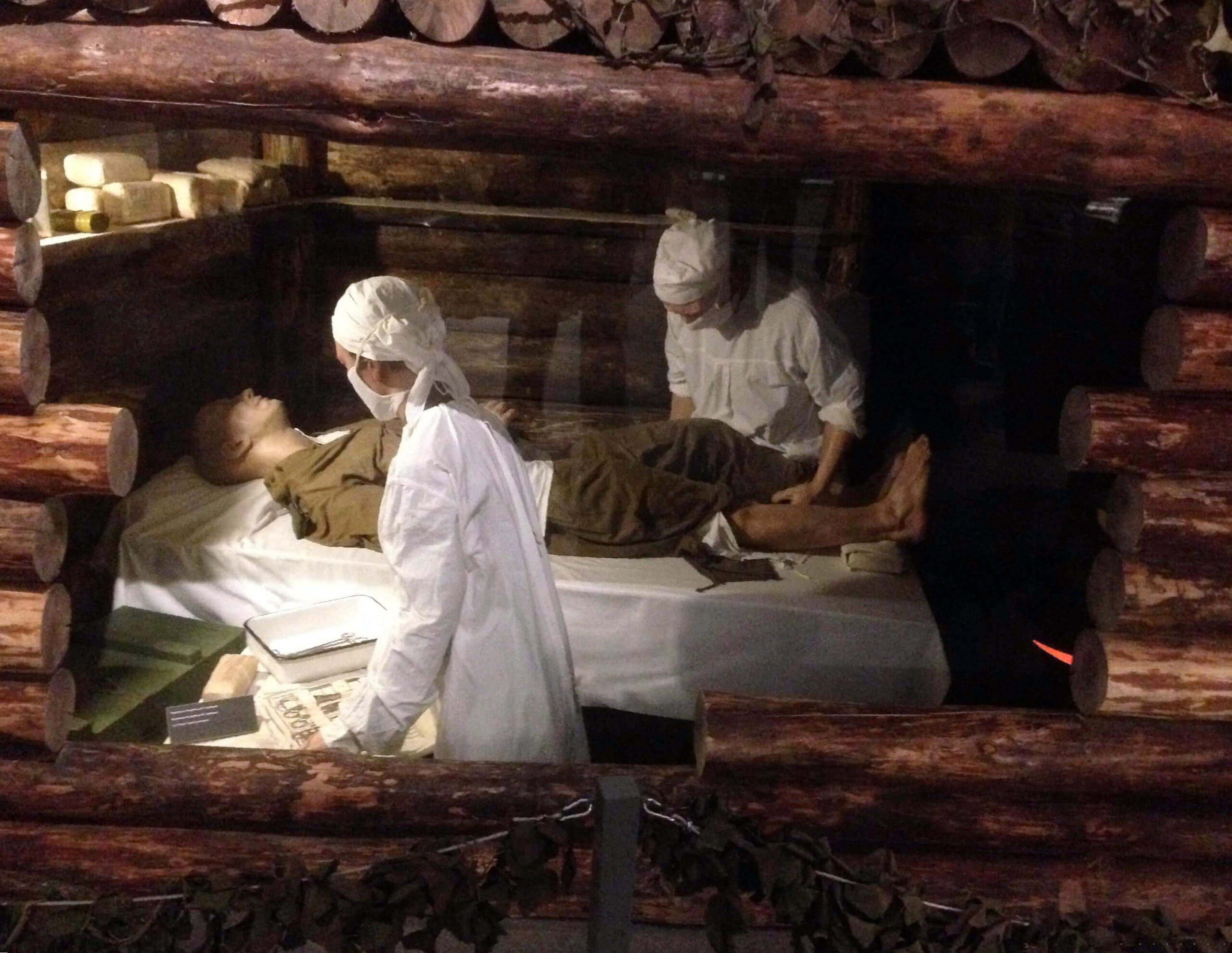
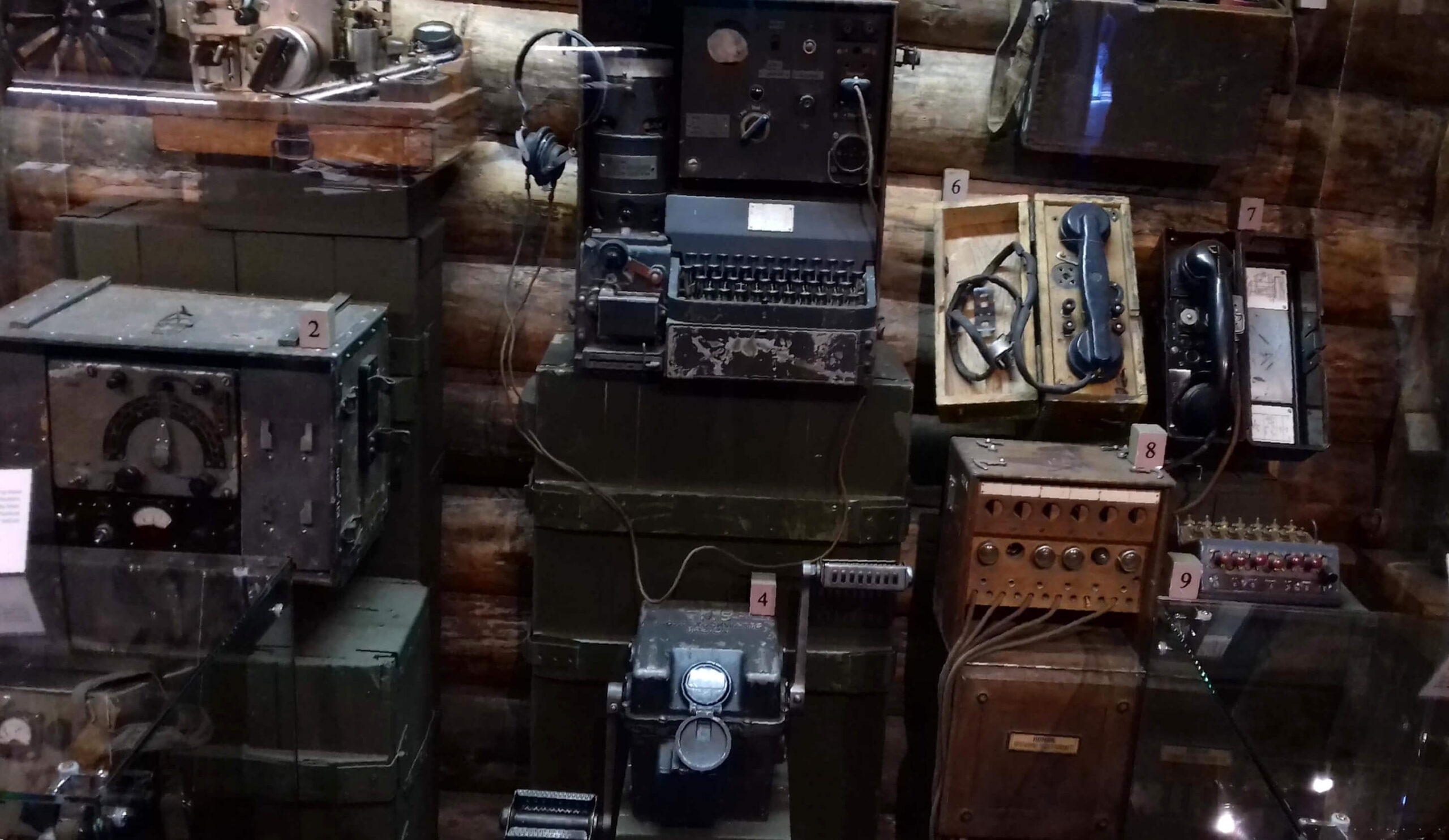
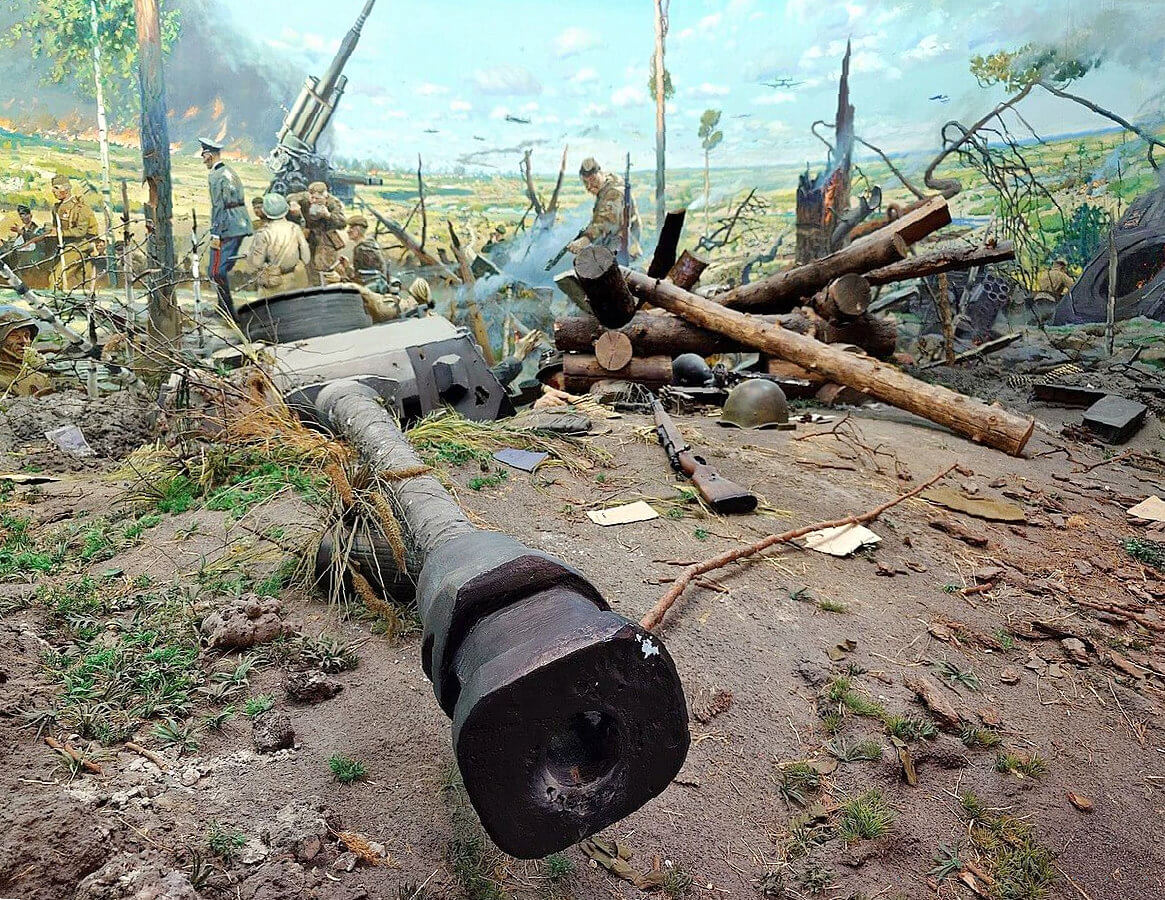
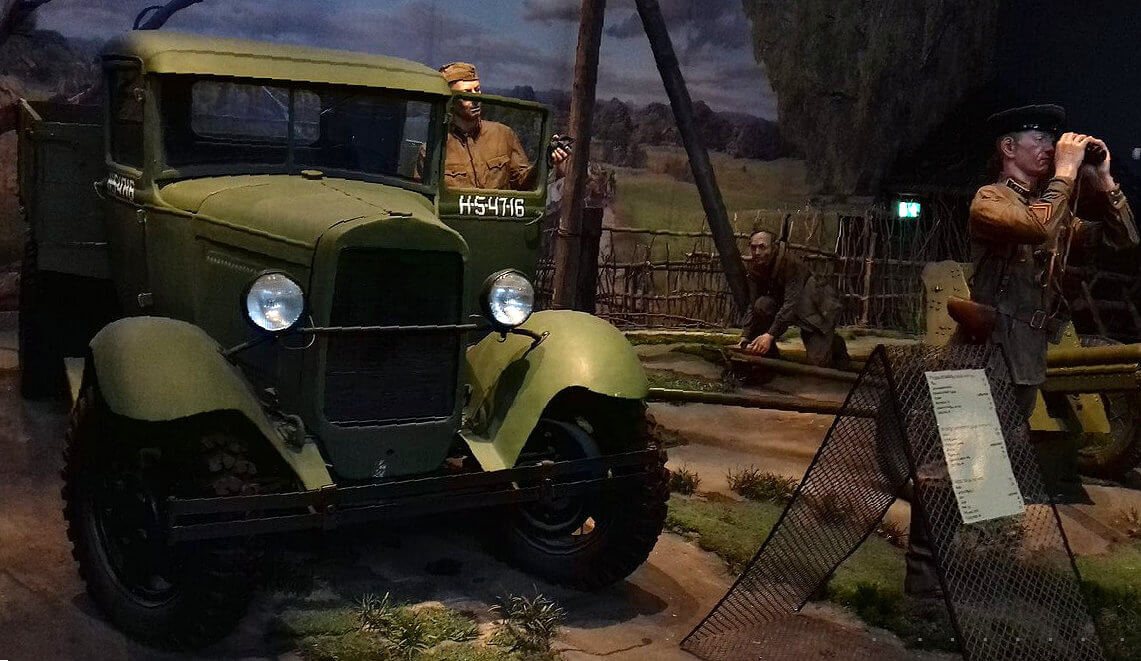
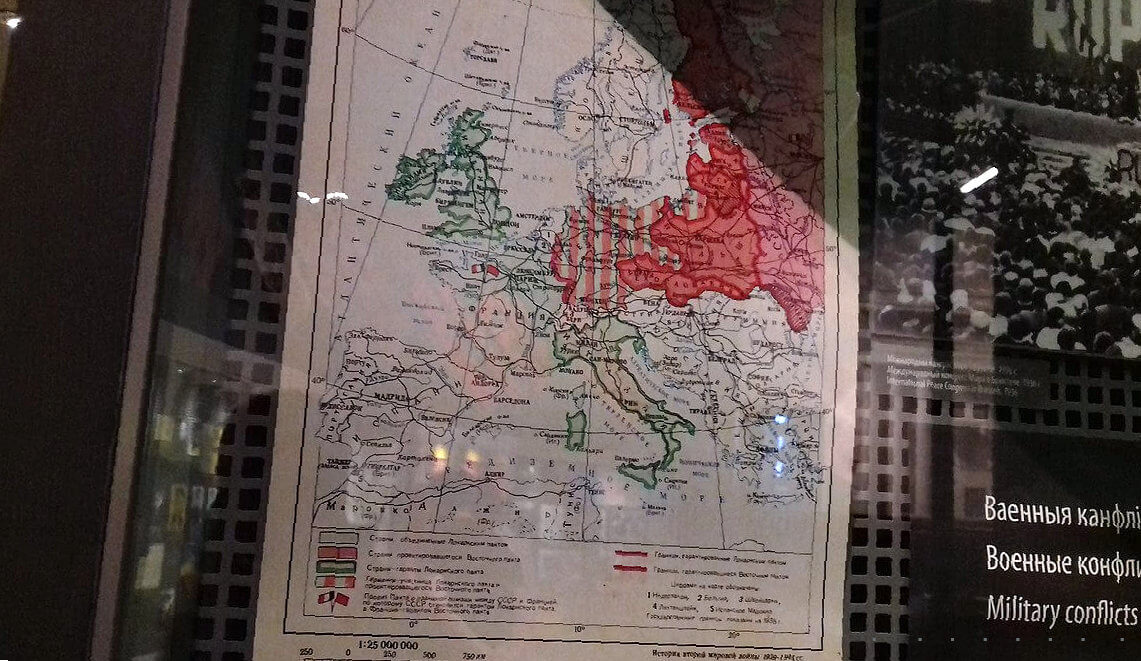
The Belarusian State Museum of the History of the Great Patriotic War is the world’s first museum devoted to one of the deadliest wars of the twentieth century. Opened in 1944 in war-ravaged Minsk, it moved in 2014 to a magnificent new building, impressive for its architecture and symbolism.
The modern museum building stands on a hill beside the Minsk Hero City obelisk. Architecturally, it resembles a Victory Day salute: eleven gleaming stainless-steel rays symbolise the Great Victory as well as the 1,100 days of occupation of Minsk. Inside, the museum is more than a collection of display cases: its chronological exhibition takes visitors on a journey from the pre-war years through the horrors of occupation and the partisan resistance to liberation.
The exhibition occupies more than 3,000 m² and features over 8,000 items. Particularly impressive are:
- The Road of War Hall: an enormous space extending across the museum’s floors, displaying genuine military equipment — T-34 tanks, the famous Katyusha rocket launcher, aircraft and vehicles, many of which saw actual combat.
- The partisan camp: realistic reconstructions of dugouts, a forest school and a printing workshop immerse visitors in the everyday lives of the resistance fighters.
- The Victory Hall: the final stop on the tour, a bright space beneath a transparent dome reminiscent of the Reichstag, with panoramic views of Victory Park and the city.
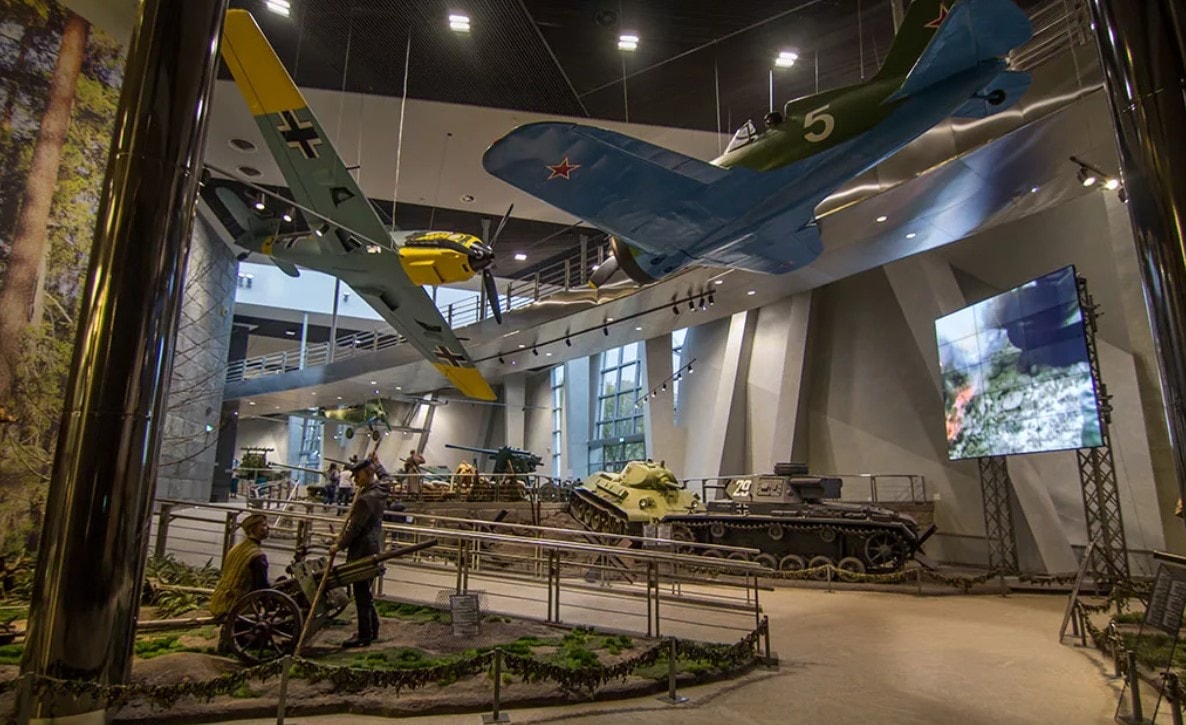
Source: turby.by
Visitors praise the extensive multimedia presentation: interactive terminals, 3D holograms, documentary films and archival footage make the history more vivid and accessible. Special attention is paid to the courage of the Belarusian people, who endured fierce fighting and terrible suffering on this land. The museum offers guided thematic tours and educational programmes for schoolchildren and adults, helping visitors appreciate the scale of the tragedy and the significance of victory.
Address
Minsk, 8 Pobediteley Avenue
Official website
Opening hours
- Tue–Sun: 10:00–19:00
- Mon: closed
Price
- adult ticket: 13 BYN
- student ticket: 11 BYN
- schoolchildren: 7 BYN
- children under 7, WWII veterans and people with disabilities: free
National Art Museum
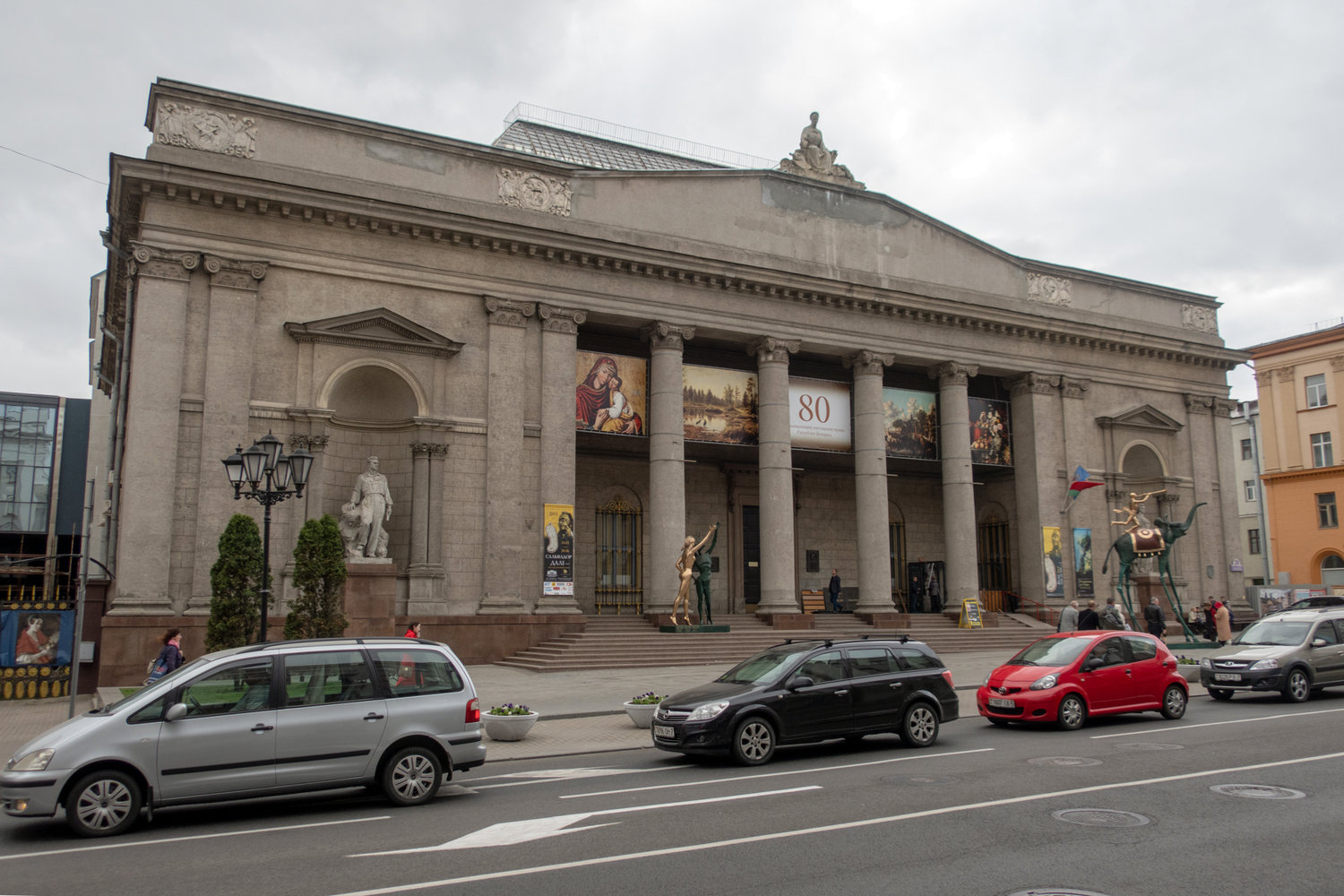
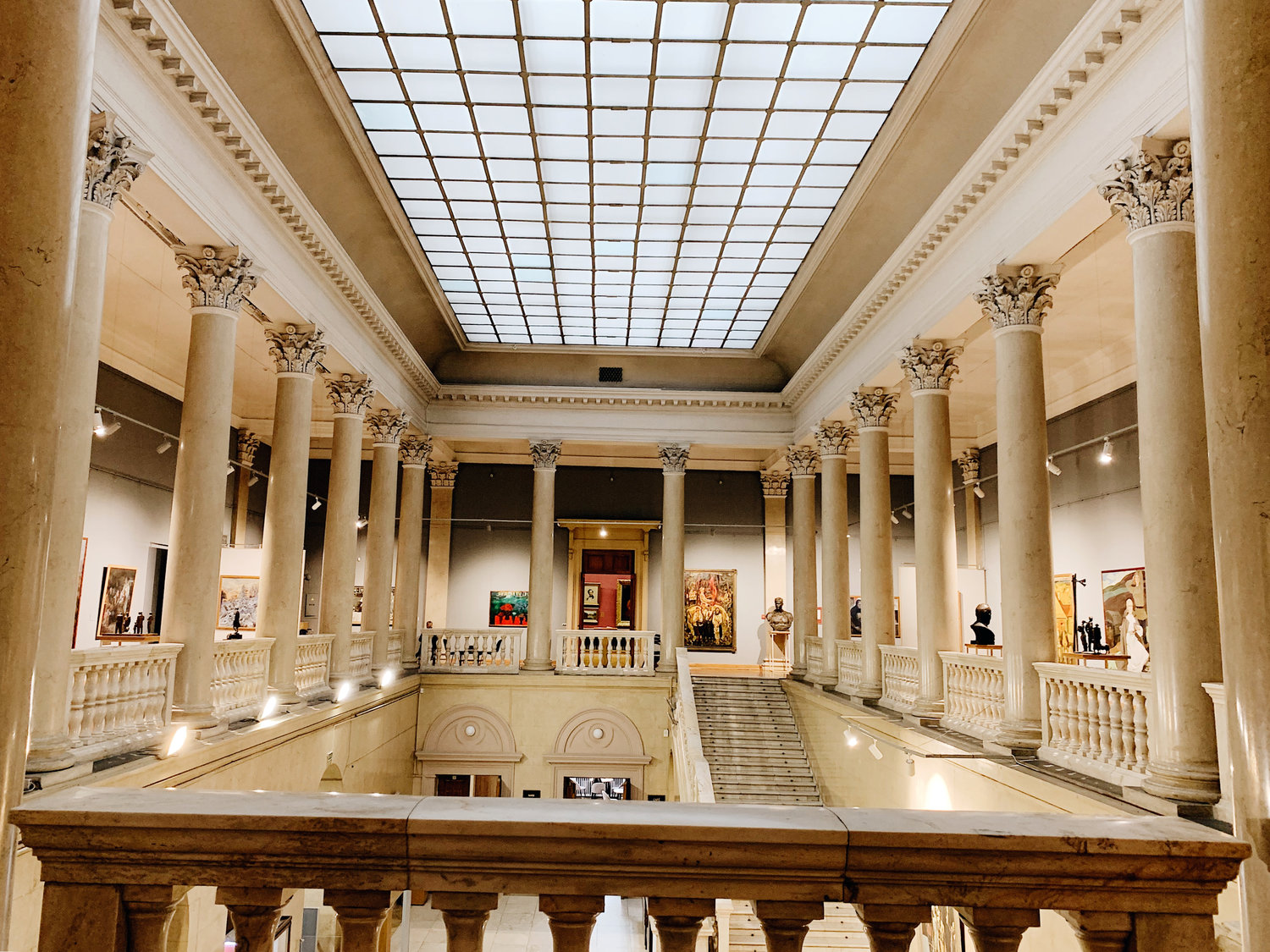
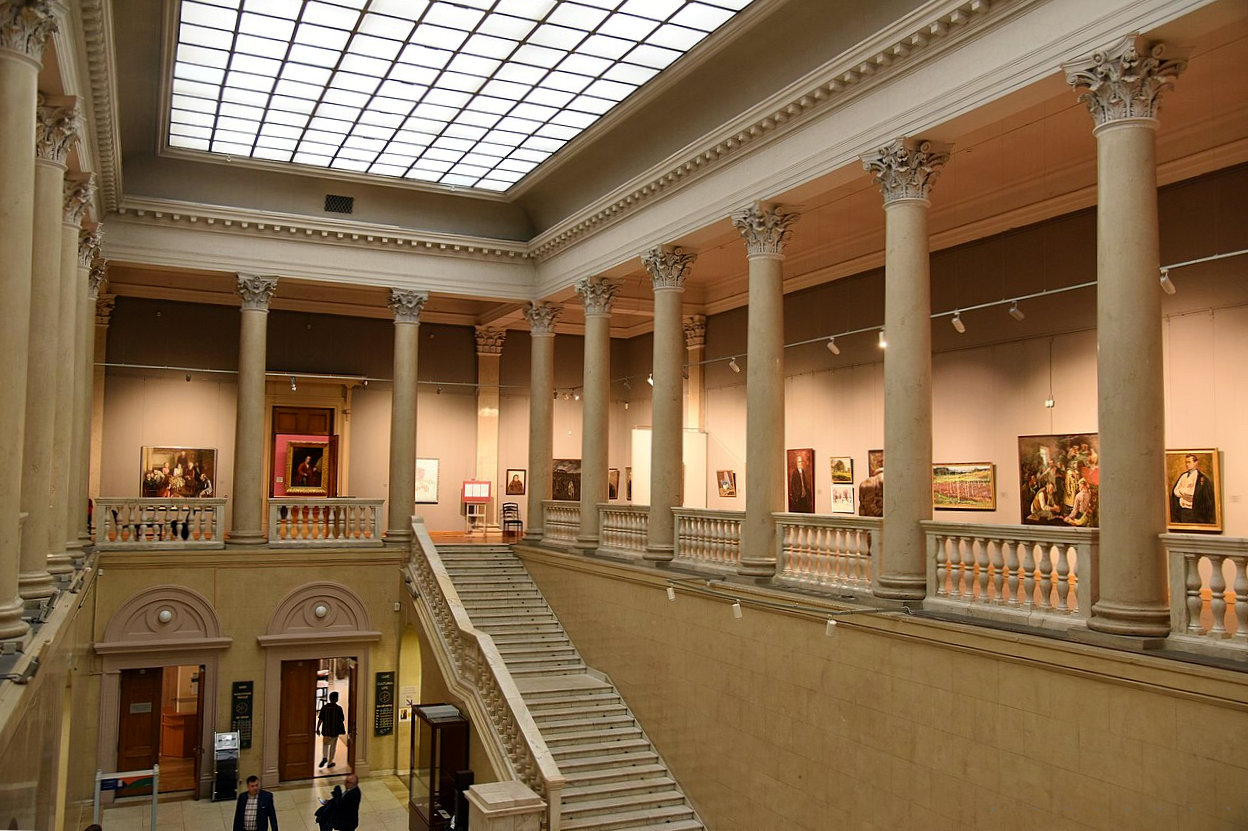
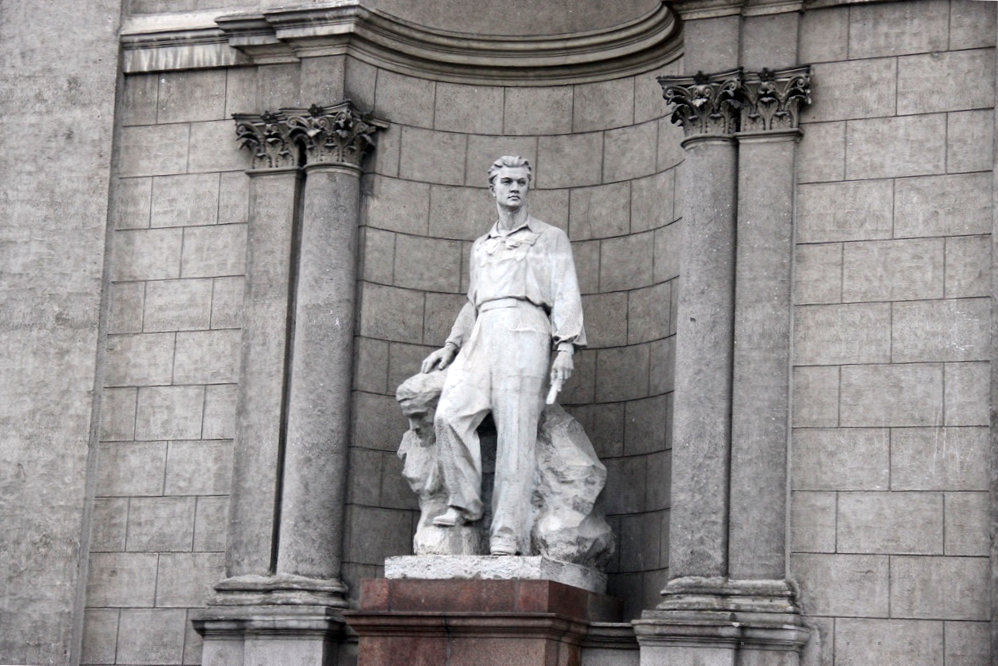
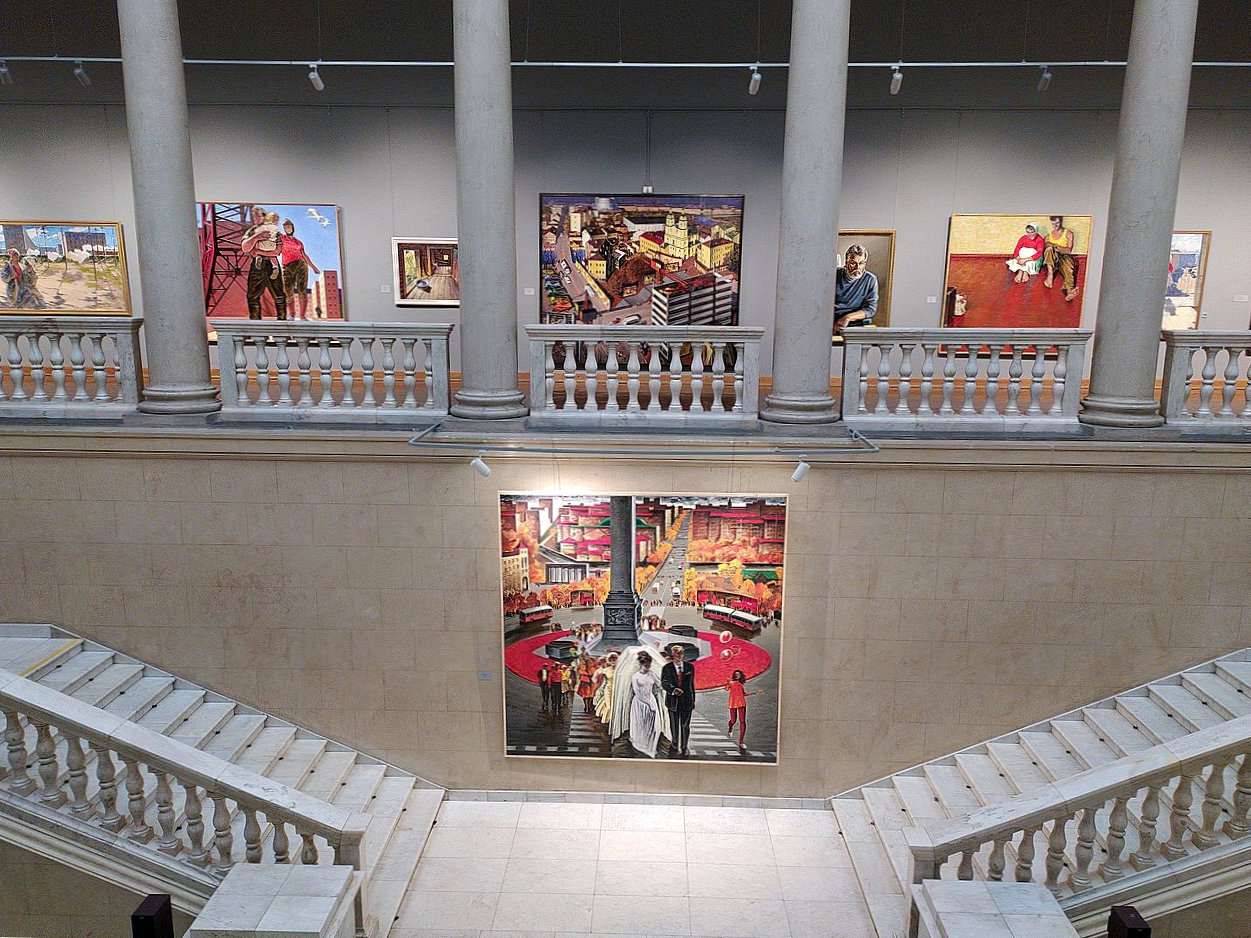
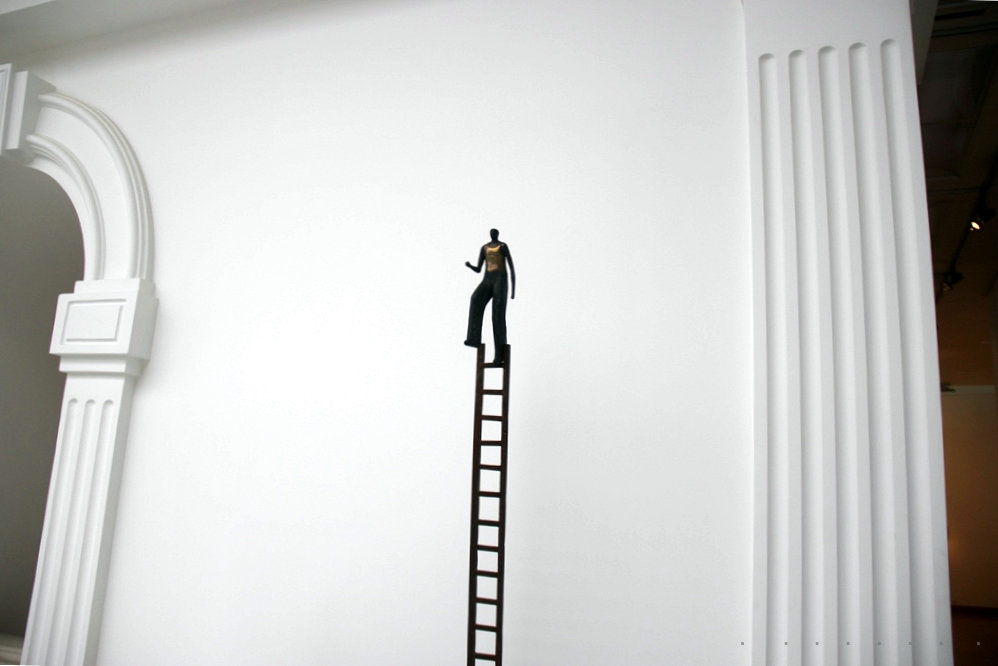
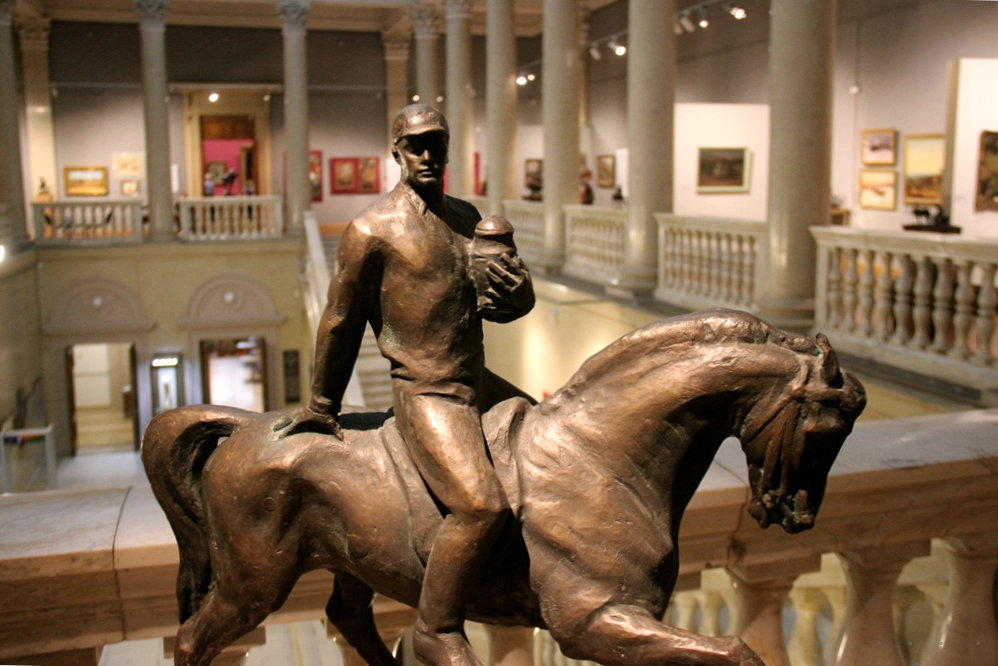
The National Art Museum of the Republic of Belarus is the country’s largest and most important art gallery, located in central Minsk at 20 Lenin Street. Its history began in 1939, when the Soviet authorities opened the State Art Gallery. Over the decades, it has developed into a major cultural institution with a unique collection of more than 30,000 works spanning approximately twelve centuries and over 130 countries.
A visit to the National Art Museum is a must for travellers in Minsk who want to explore the richness of Belarusian culture and art and discover masterpieces of world painting and sculpture in a unique museum setting.
The museum’s collection includes an extensive range of national art, from ancient icons and Belarusian sculpture to nineteenth- and twentieth-century painting and decorative arts. Alongside Belarusian masters, the exhibitions feature Russian, Western European and Asian artists, making the museum an important centre of both national and international culture.
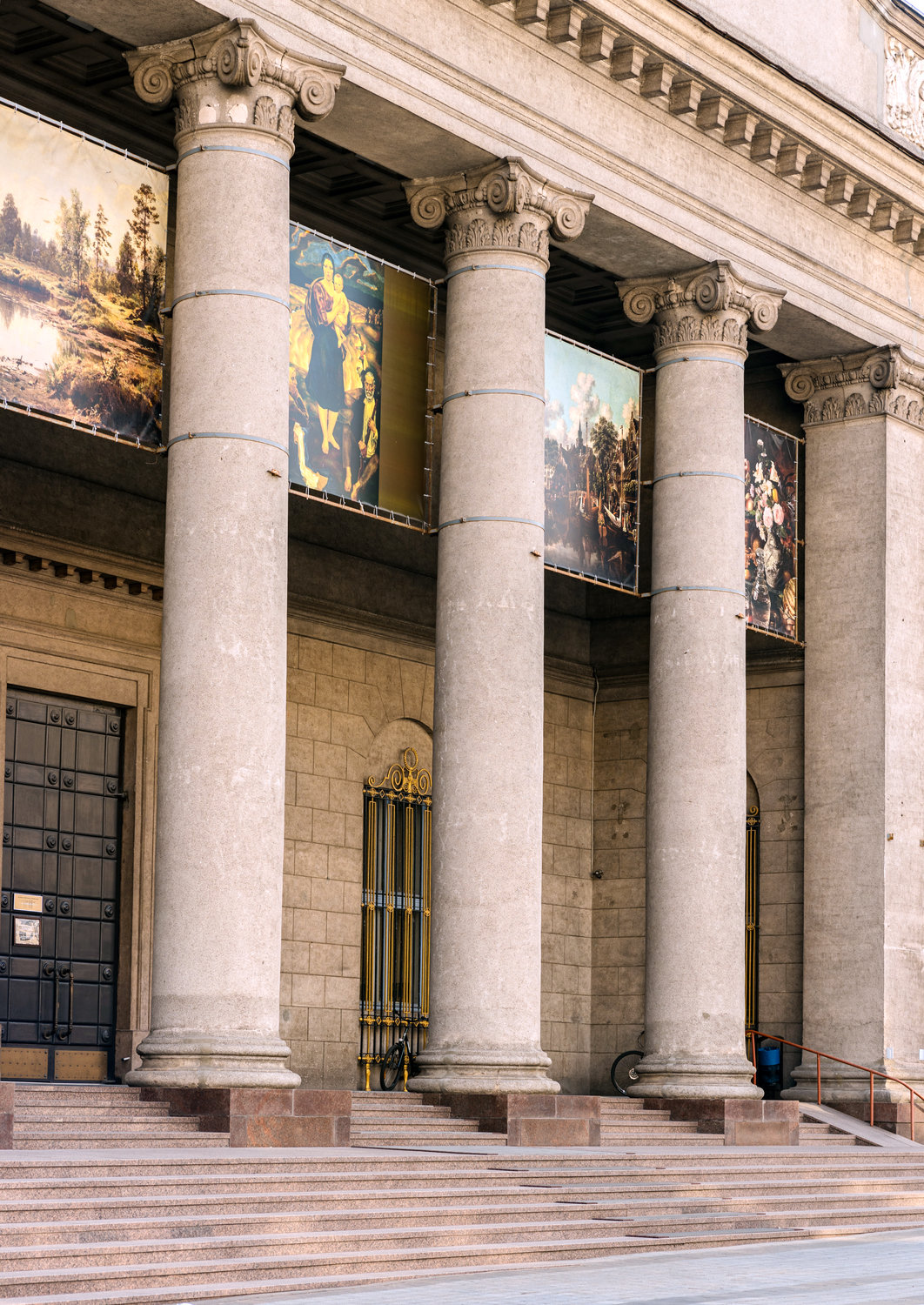
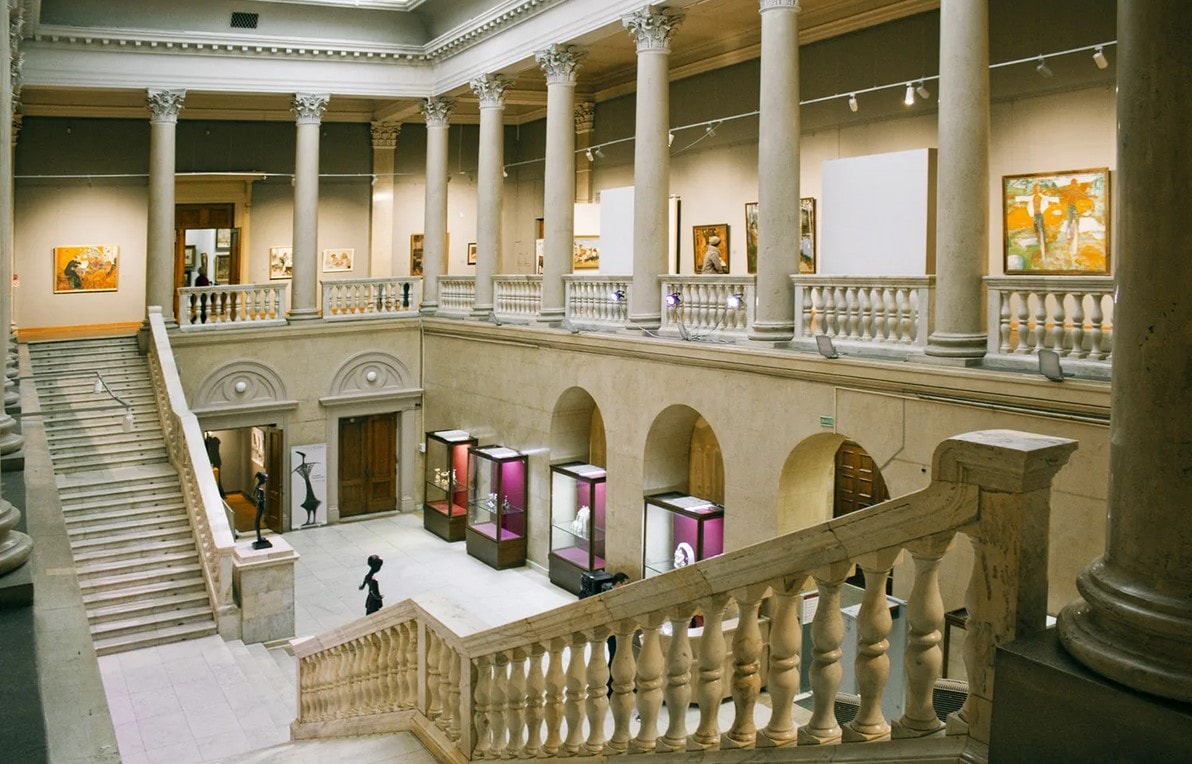
The museum building combines traditional architecture with modern elements. The historic main building, completed in 1957, features a grand colonnade and sculptures. In 2007, a new wing was added, providing spacious halls for temporary exhibitions. The museum also has restoration workshops where visitors can observe the conservation of artworks.
Source: turby.by
The National Art Museum is more than a collection of galleries. It regularly hosts lectures, workshops, temporary exhibitions, interactive tours and cultural events, making it a lively place for everyone, from art professionals to families with children. The museum also conducts academic research, publishes almanacs and maintains international links with leading museums around the world.
Address
Minsk, 20 Lenina Street
Official website
Opening hours
- Mon: closed
- Tue, Wed, Fri, Sat, Sun: 11:00–19:00
- Thu: 13:00–21:00
Price
Permanent exhibition:
- 10–15 BYN per adult ticket
Temporary exhibitions and special programmes:
- typically 15–25 BYN
Love museums? Try a quest where the streets of Minsk become the exhibits
City quests by Walker are story-driven walks in Minsk with puzzles and challenges on your phone. Choose a route, reach the starting point and explore the city at your own pace: find clues, notice architectural details, uncover city stories and work your way towards the finale.
This experience is perfect after a museum visit, at the weekend, for a date, a walk with friends or an unusual introduction to Minsk.
Alivaria Museum
Source: Alivaria
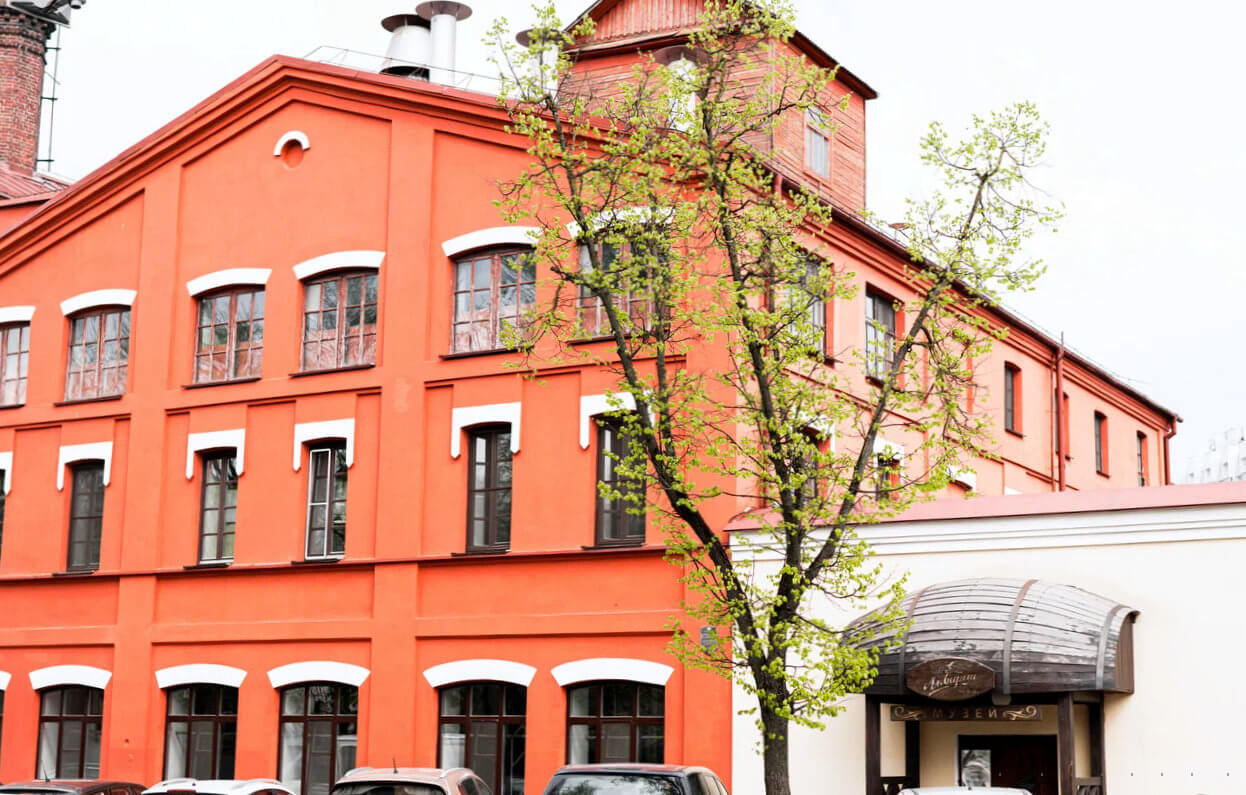
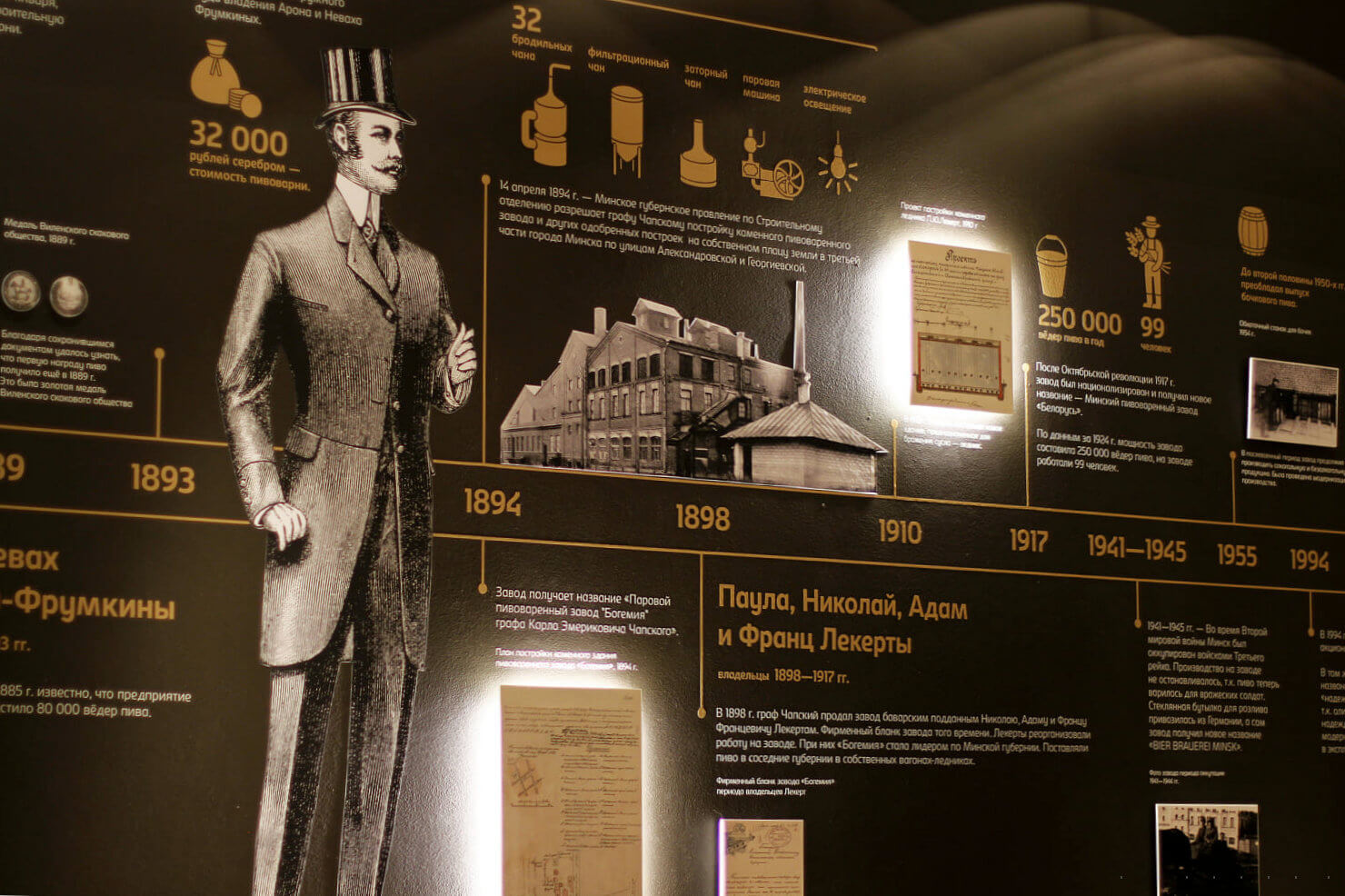
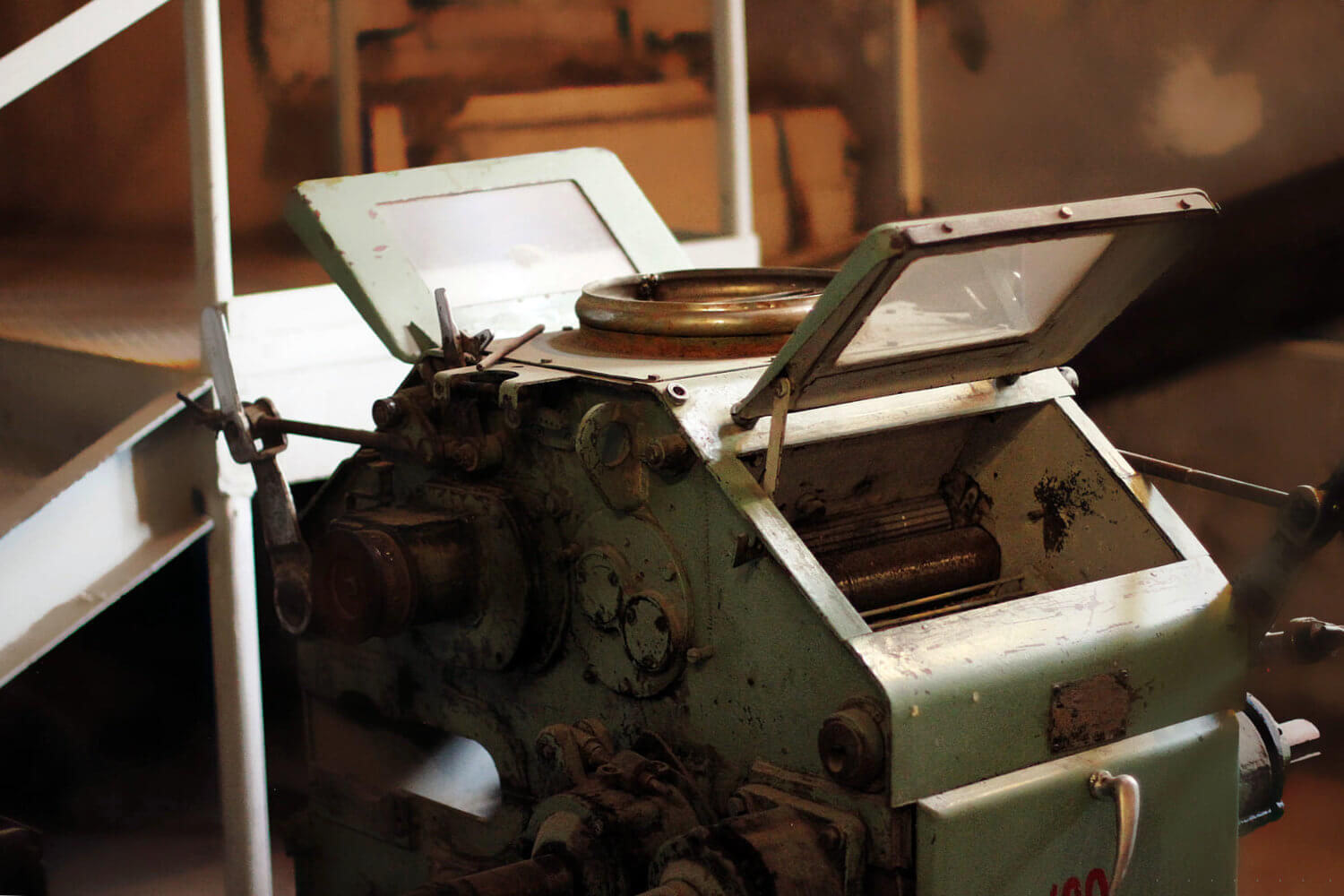
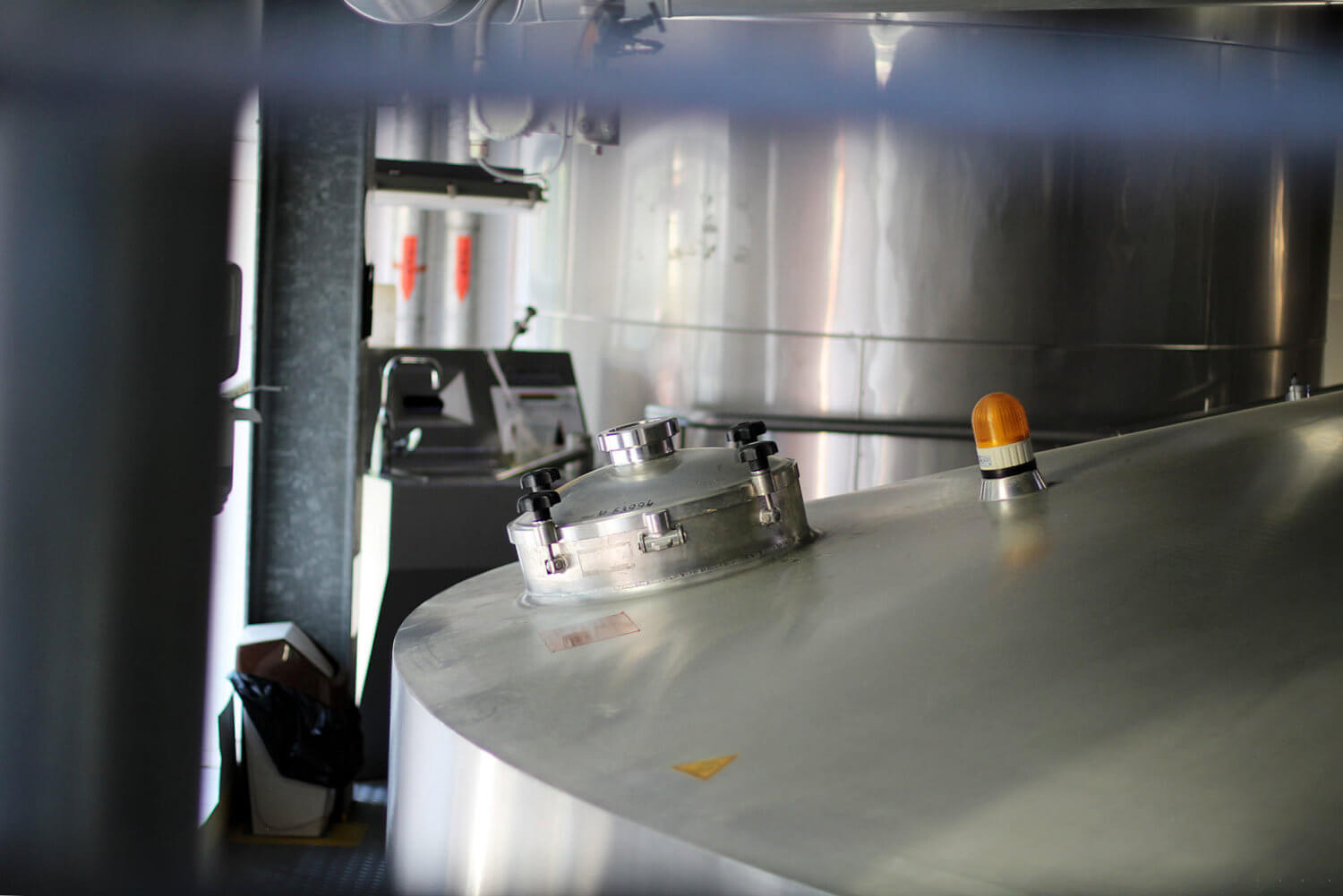
The Alivaria Museum is part of Belarus’s oldest operating brewery, where beer has been brewed continuously since 1864. The red-brick factory building is a monument of nineteenth-century industrial architecture. At the museum, visitors can not only learn the history of the brand founded by Count Czapski, but also watch the brewing process in the working production halls.
What you can see and taste:
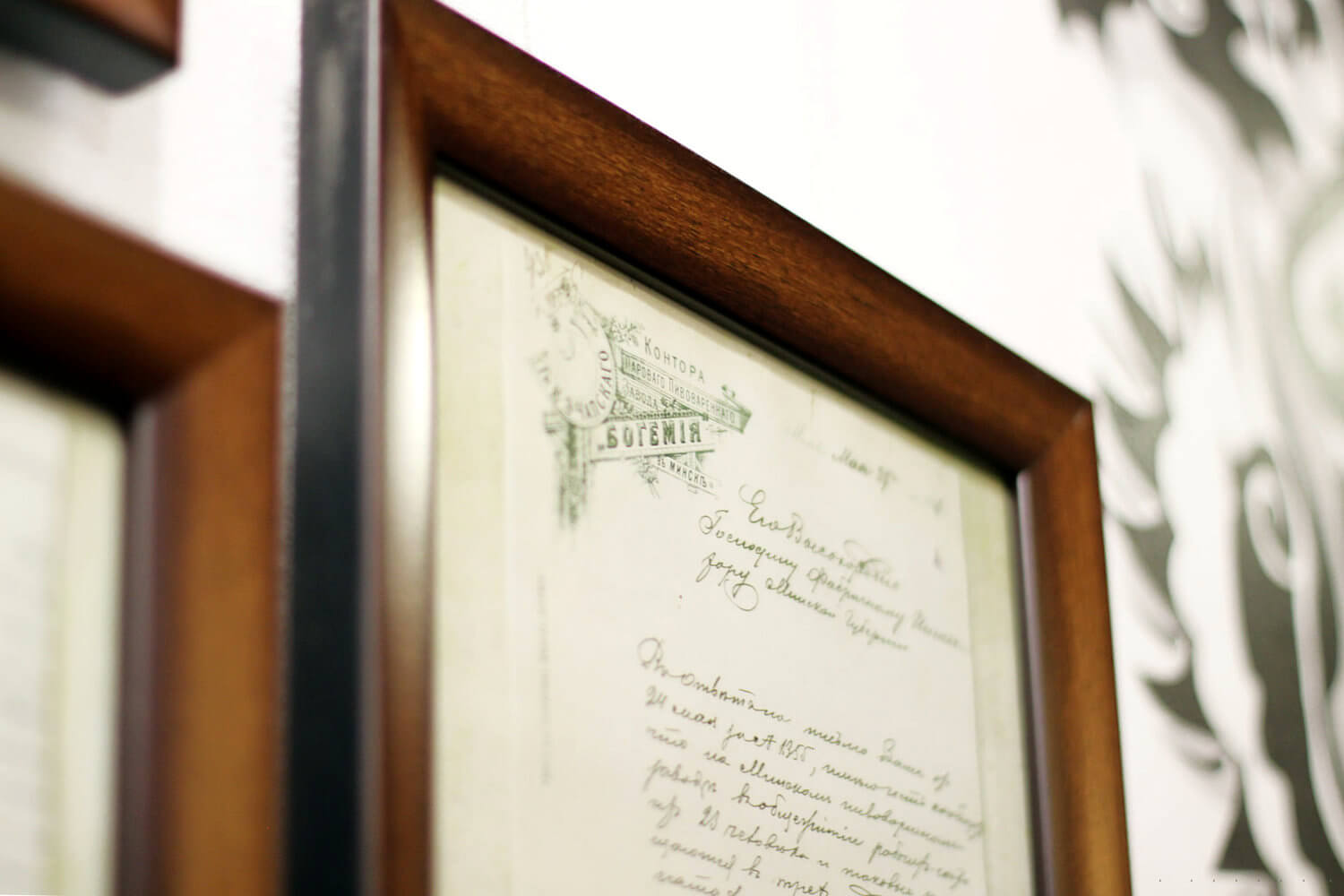
- Historic building: period equipment from the late nineteenth and early twentieth centuries, archival photographs and documents.
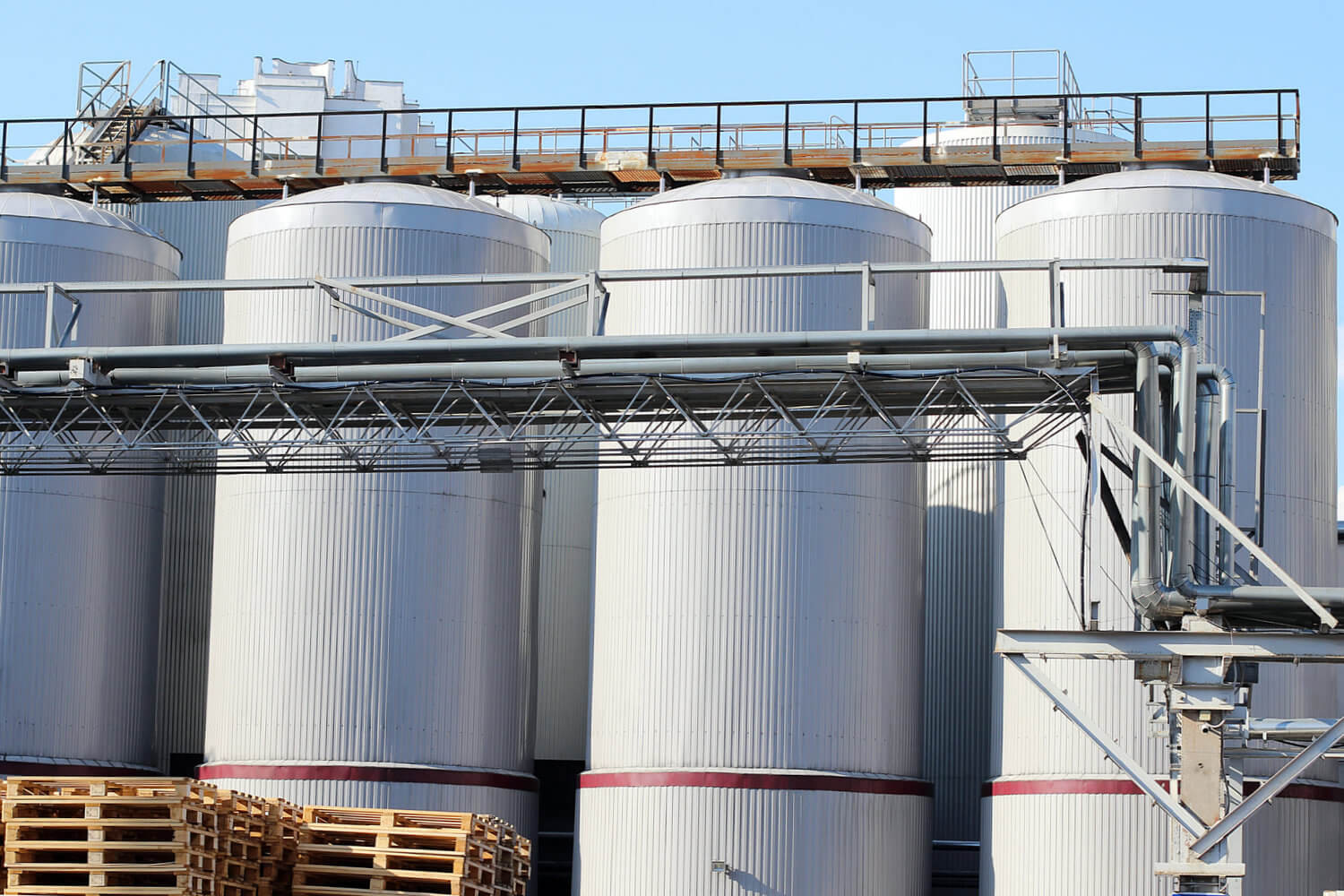
- Production: visitors are taken into the brewhouse, where they can smell malt and hops and see modern brewing vessels.
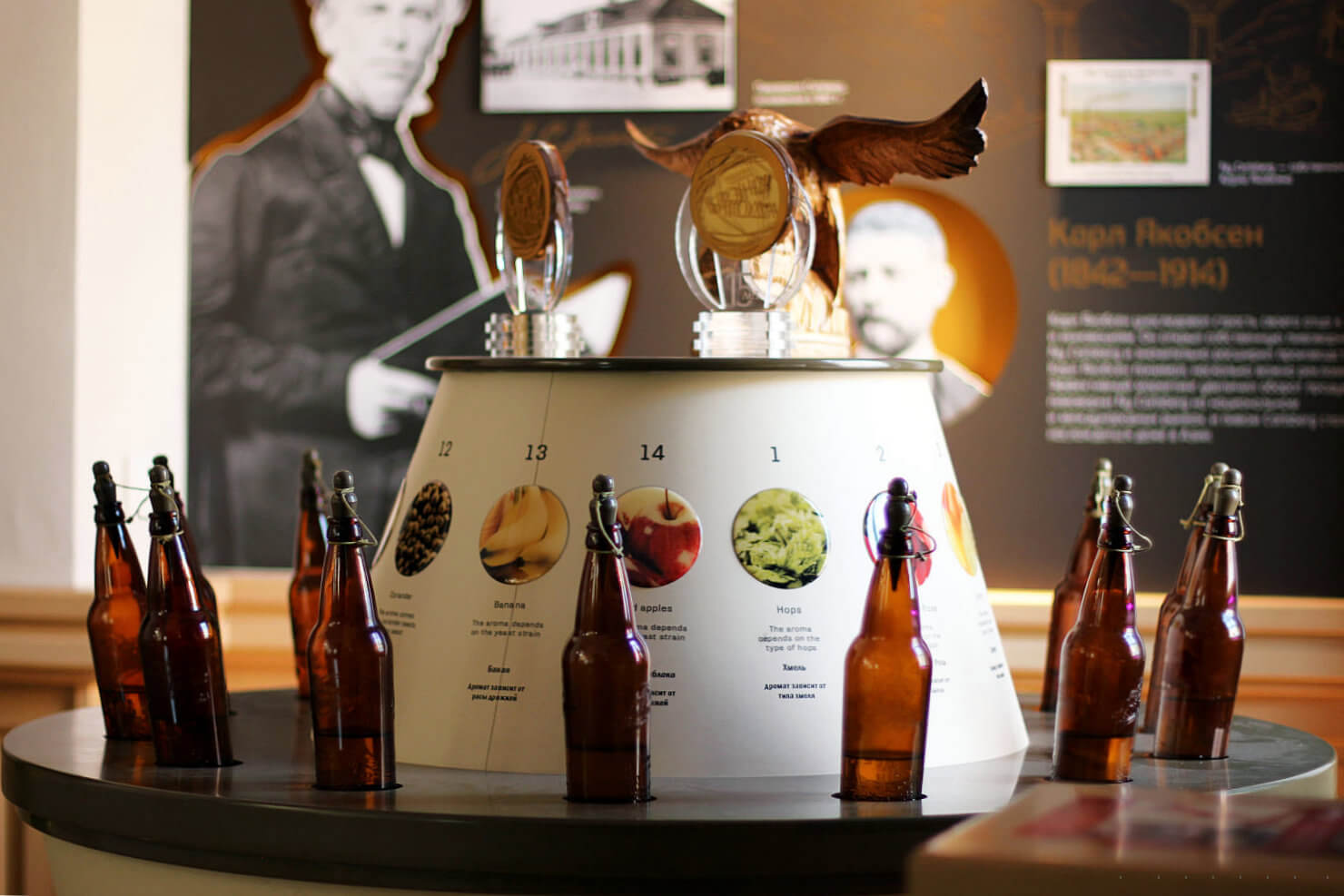
- Tasting: every tour ends with a guided tasting that teaches guests how to assess the flavour, colour and aroma of different beers.
- Interactive experience: the exhibition hall has an aroma wheel that helps visitors understand the nuances of beer styles.
Address
Minsk, 30 Kiseleva Street, Ploshchad Pobedy metro station
Opening hours
Tue–Sat: 11:30–20:00 (advance booking required; available dates and times are listed on the website)
Age restriction: 18+
Adults only; please bring a valid ID
Official website
Price
Guided tour
- Historic Route: 35 BYN
- Guide to Beer Styles: 39 BYN
- A Date with the City: 39 BYN
- Beer and Aromas: 60 BYN
Groshi Museum
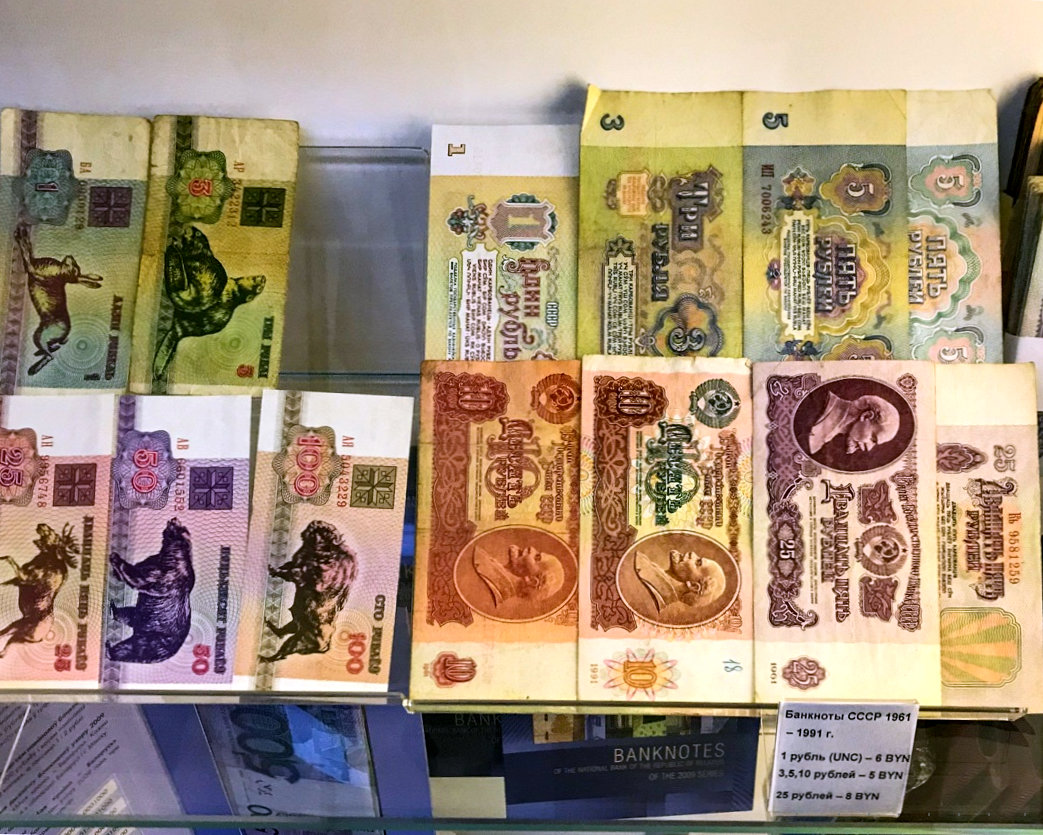
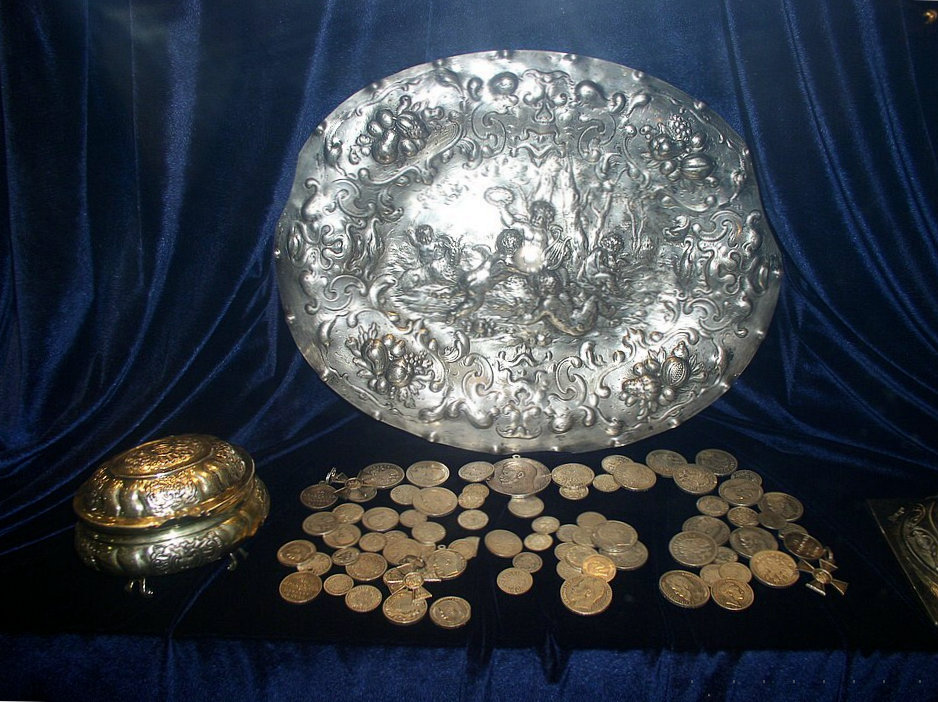
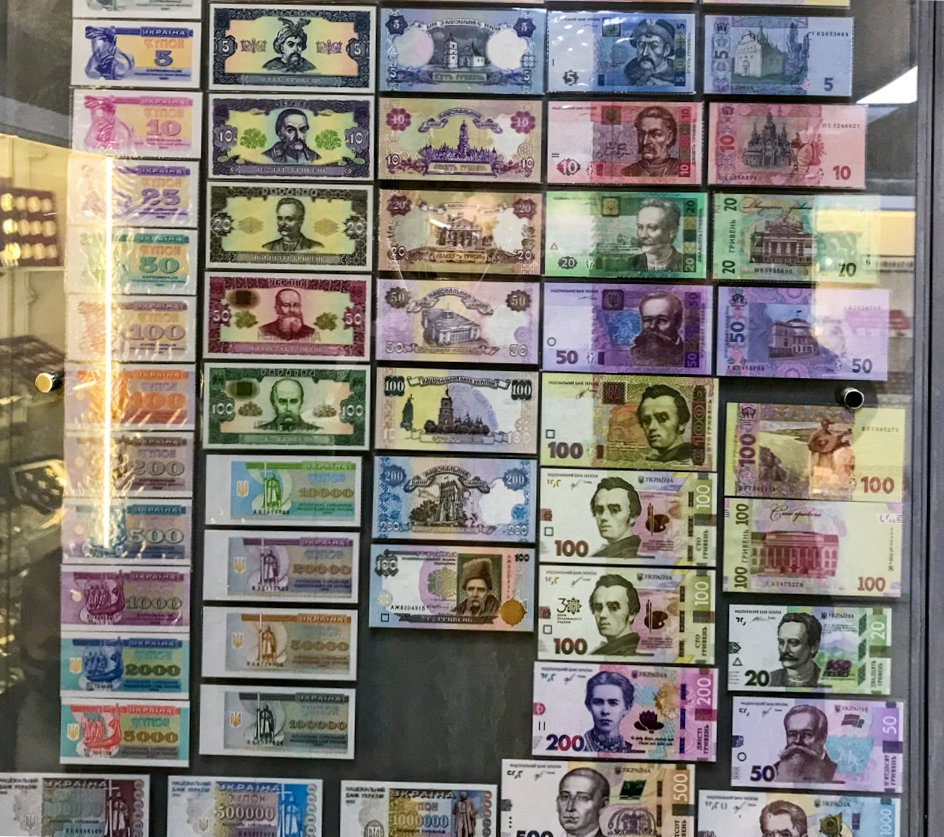
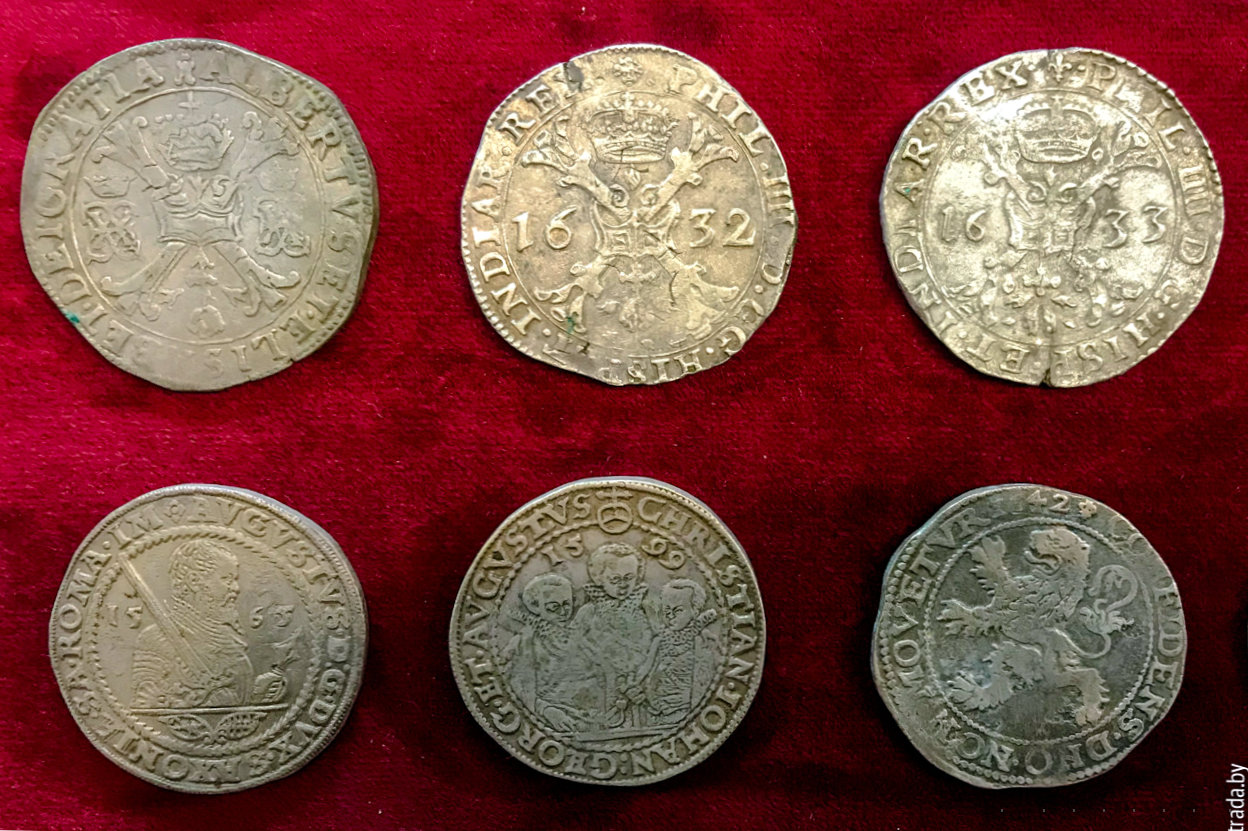
Source: Travelling around Belarus
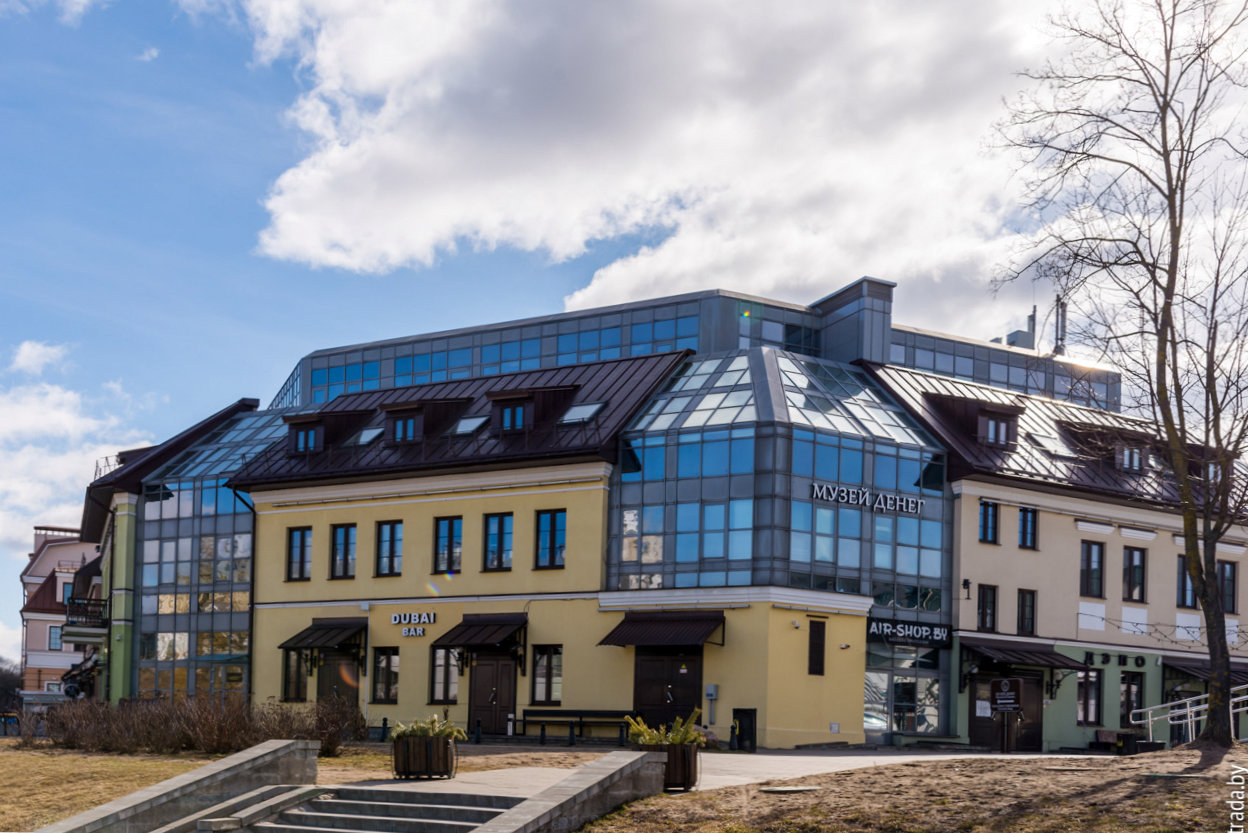
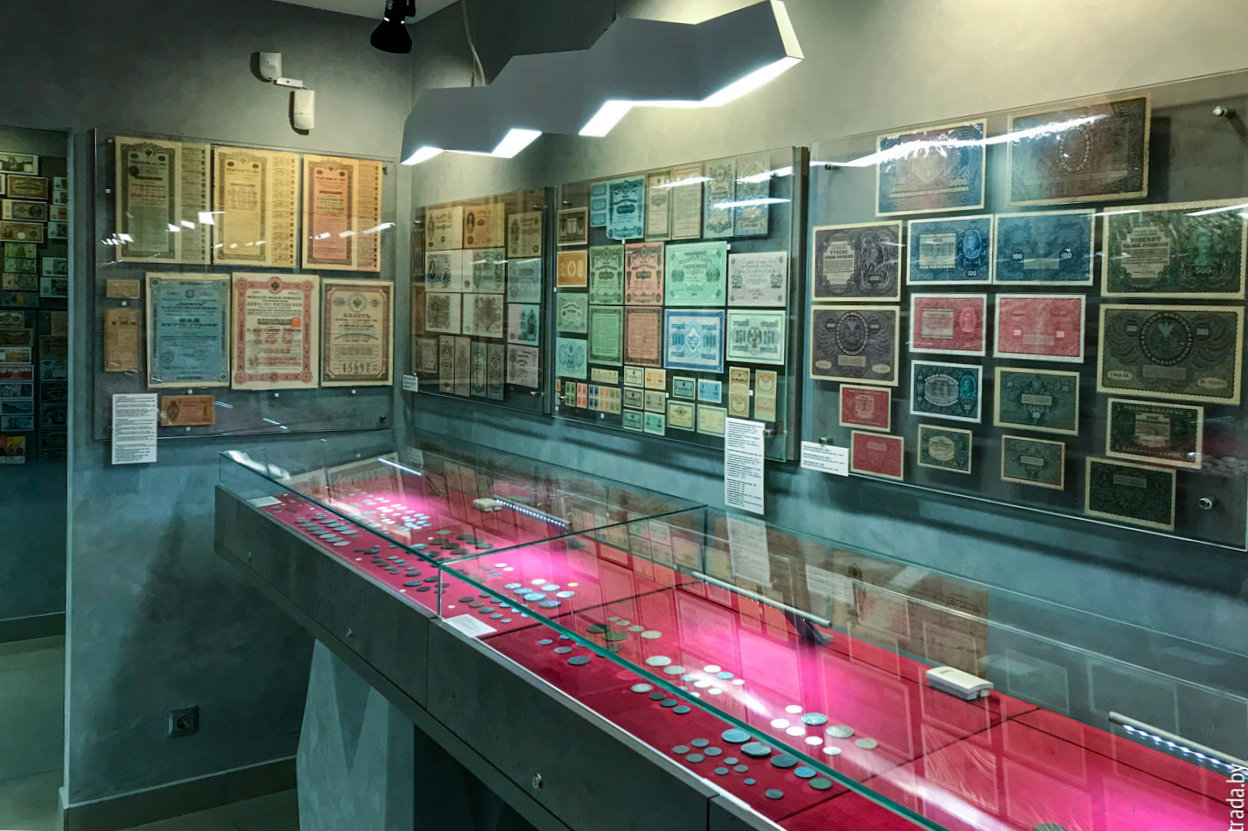
The Groshi Museum is a unique project in Minsk’s historic centre, where visitors can explore the entire monetary history of the country. The museum opened in 2018 and displays only original artefacts, without a single replica.
Highlights:
- Exhibition: coins and banknotes that circulated in Belarusian lands from the Roman Empire (second century AD) and the Grand Duchy of Lithuania through the Polish-Lithuanian Commonwealth, Russian Empire and USSR to present-day Belarus.
- Rare items: unique Civil War-era currency issued by Belarusian towns, occupation-era stamps and means of payment from ghettos and labour camps.
- Souvenirs: a shop at the entrance sells commemorative coins from the National Bank of Belarus, historic banknotes from different countries and themed souvenirs.
Address
Minsk, 6 Zybitskaya Street, Nemiga metro station
Official website
Opening hours
Daily: 10:00–19:00
Price
- adult ticket: 20 BYN
- reduced ticket: 10 BYN
Zair Azgur Studio Museum
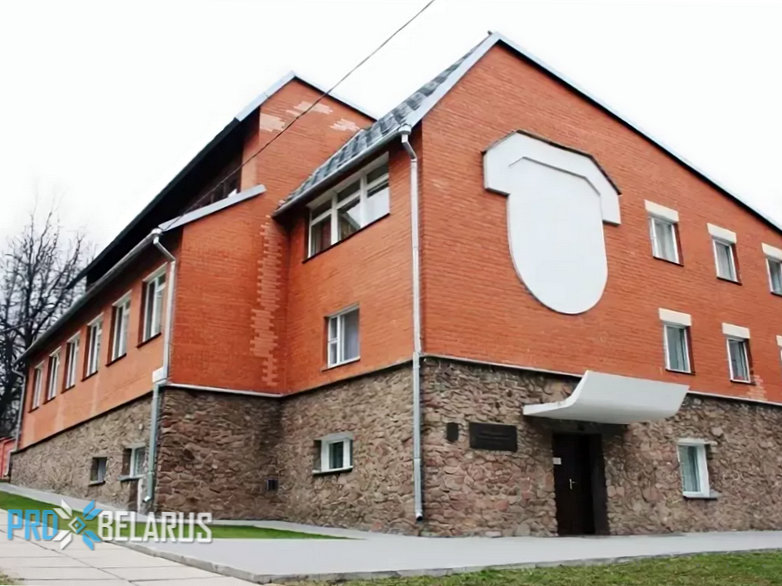
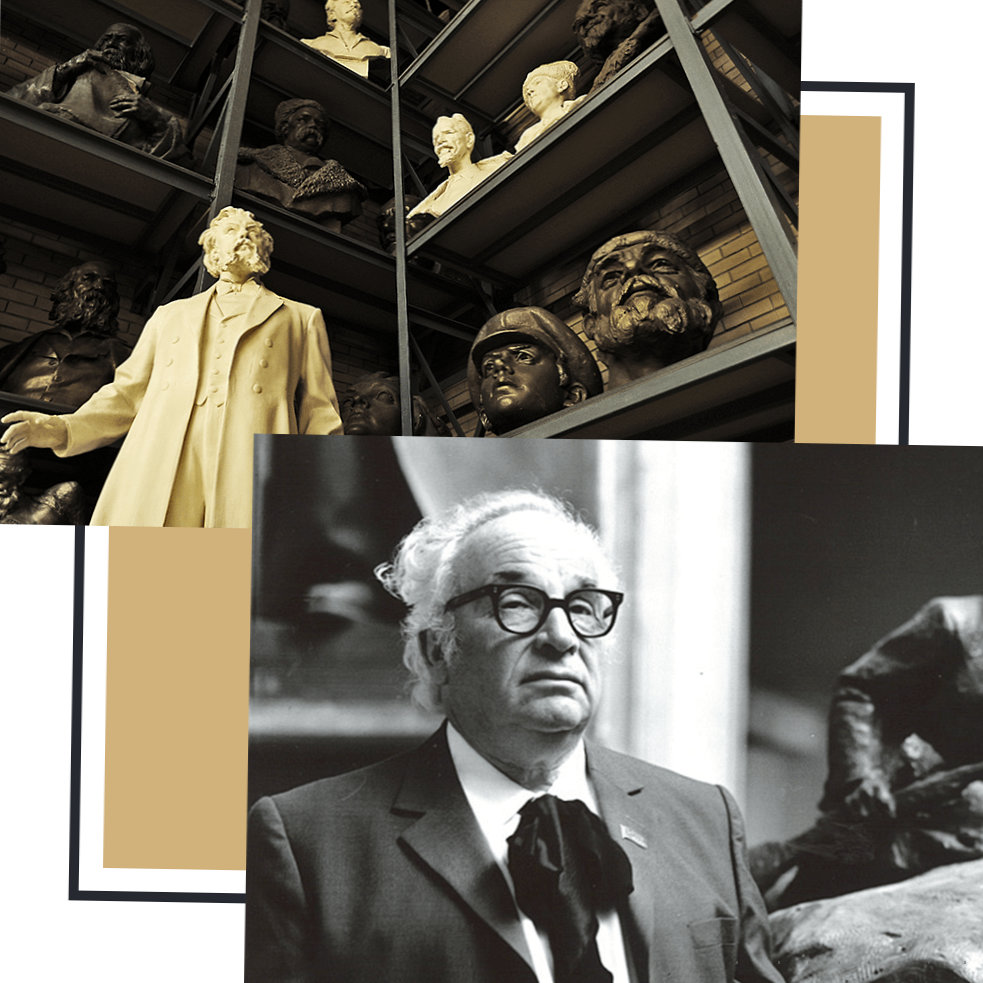
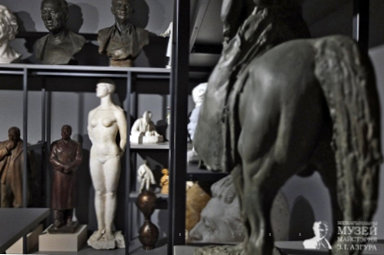
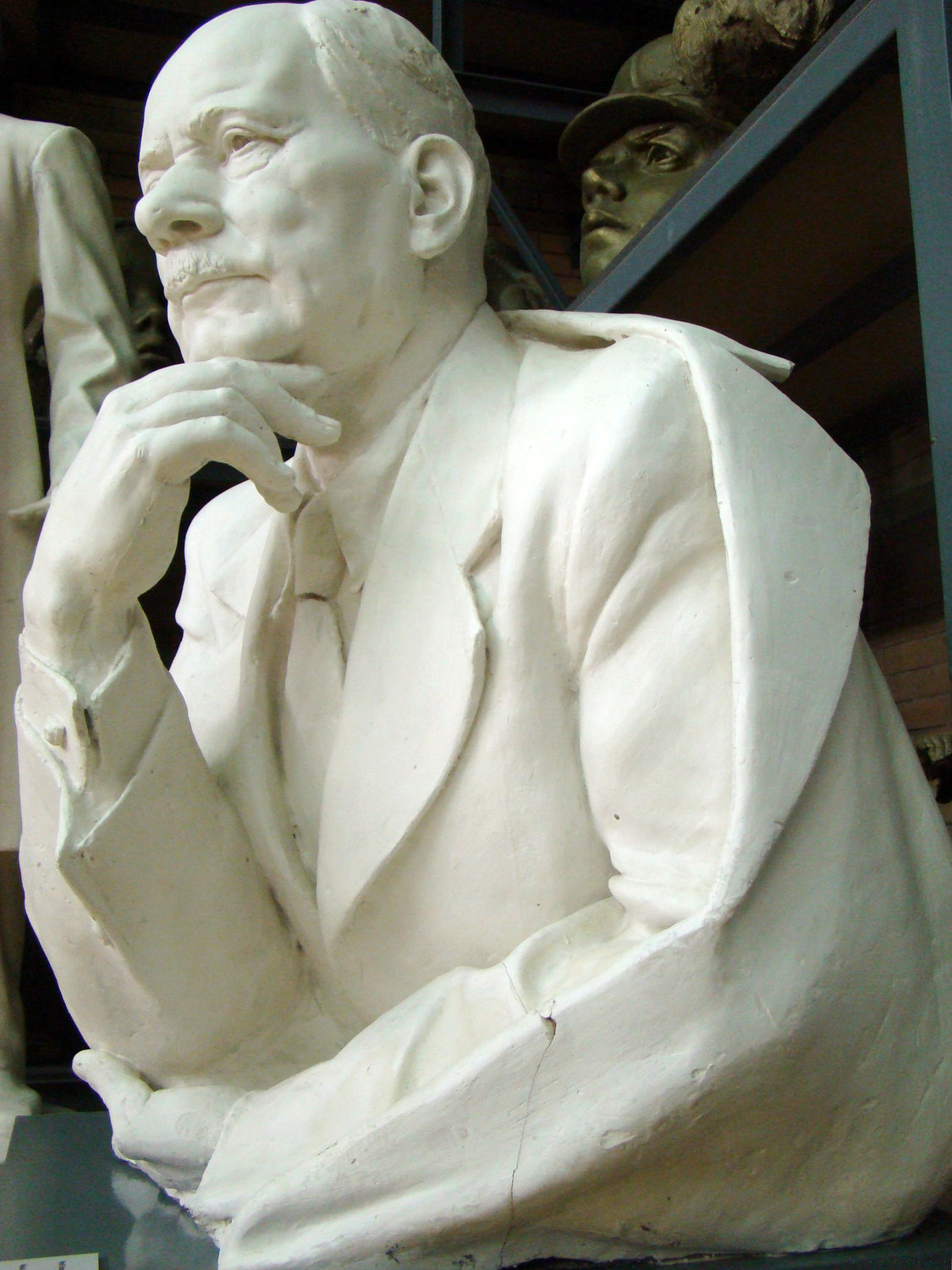
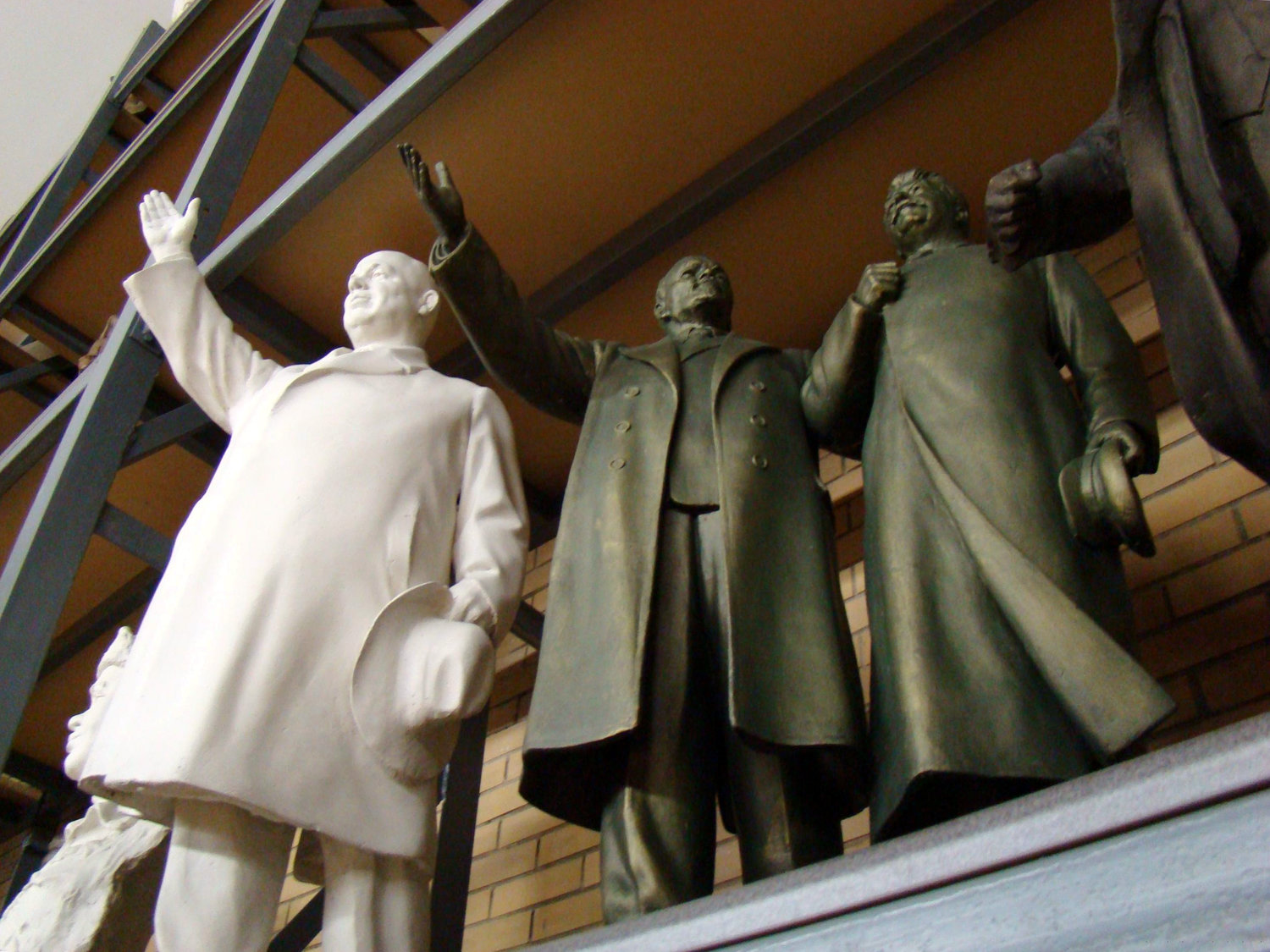
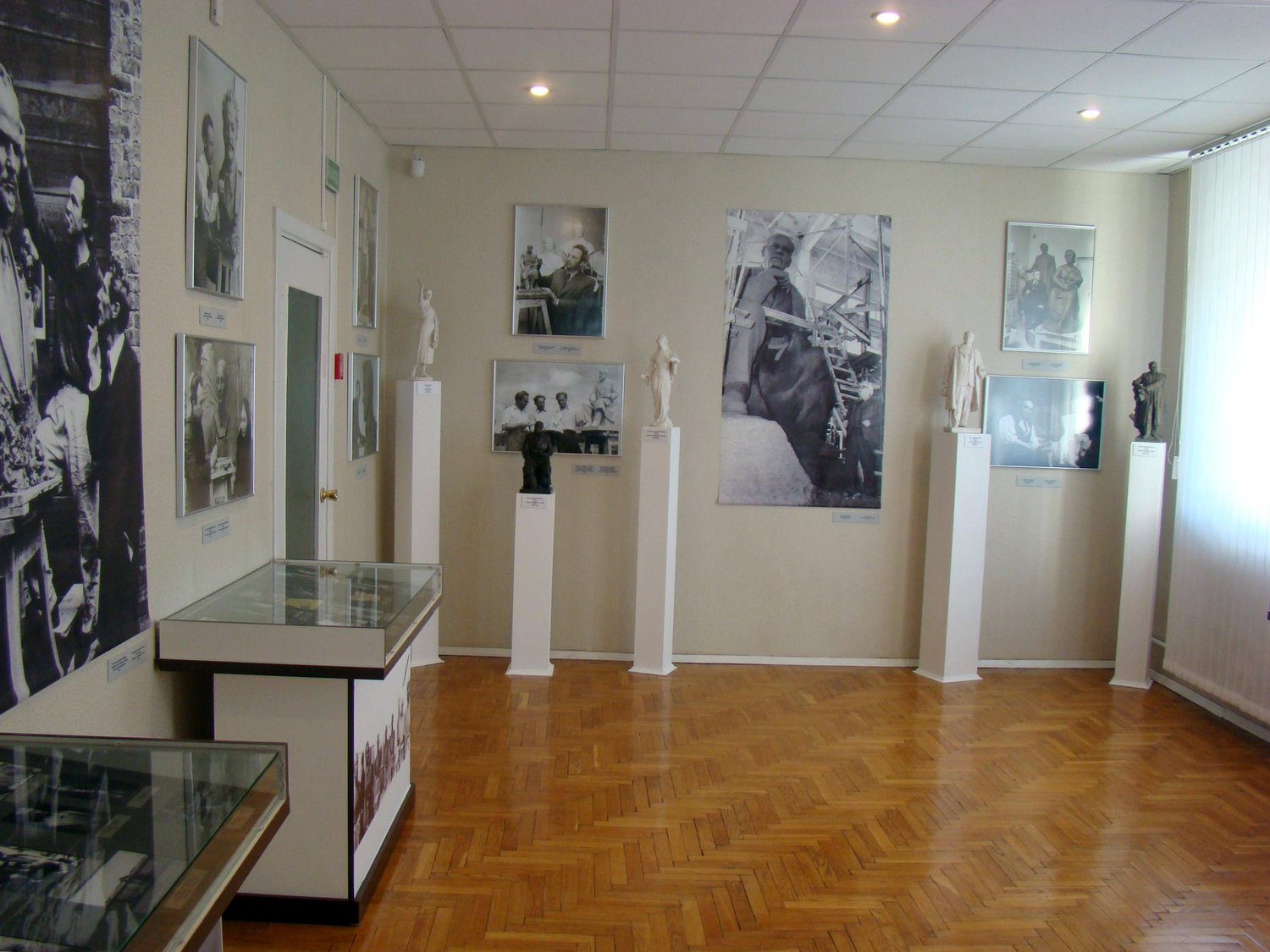
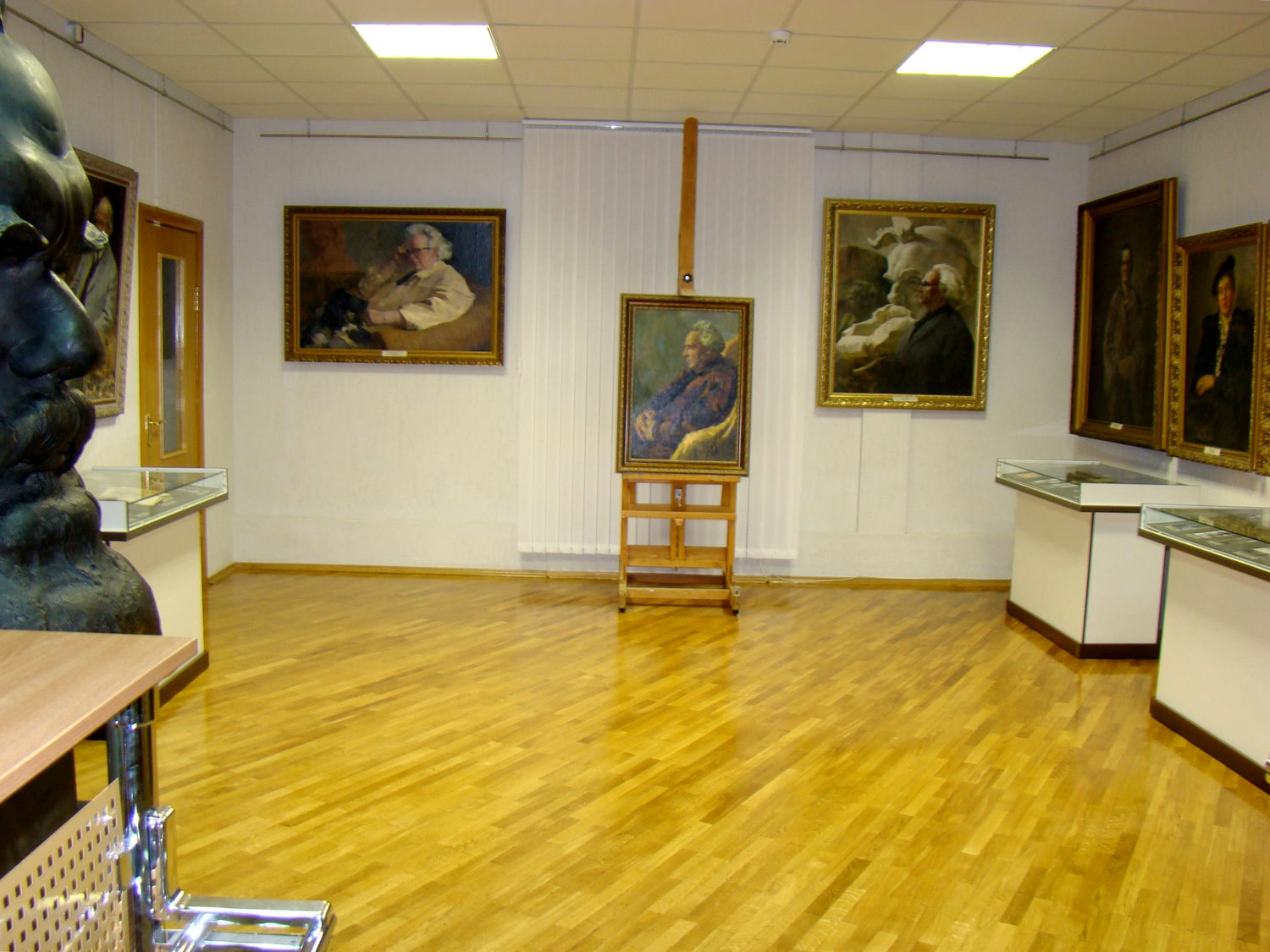
The Zair Azgur Memorial Studio Museum is one of Minsk’s most atmospheric and unusual creative spaces. It is Belarus’s only monographic sculpture museum, housed in the former personal studio of the renowned Soviet artist. The rooms are filled with hundreds of monumental portraits, busts and huge sculptures, some one and a half to two times human height, depicting everyone from political leaders to cultural figures. It feels as though the sculptures might come to life at any moment.
Beyond the permanent exhibition:
In addition to its permanent memorial display, the museum regularly hosts contemporary cultural events: lectures, film screenings, workshops, theatrical performances and events such as Museum Night, combining classical traditions with contemporary art. It is an inspiring place for atmospheric photography.
Address
Minsk, 8 Z. Azgura Street
Official website
Opening hours
- Tue–Sat: 10:00–18:00 (ticket office and admission until 17:00)
- Closed Monday and Sunday
Price
- adult ticket: 7 BYN
- students: 5 BYN
- schoolchildren and pensioners: 3.5 BYN
National Centre for Contemporary Arts
Source: Yandex Maps
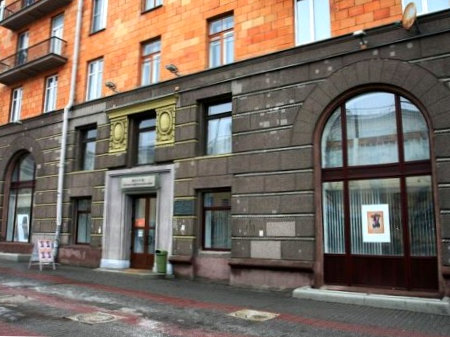
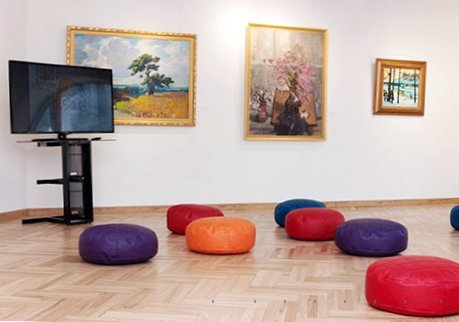
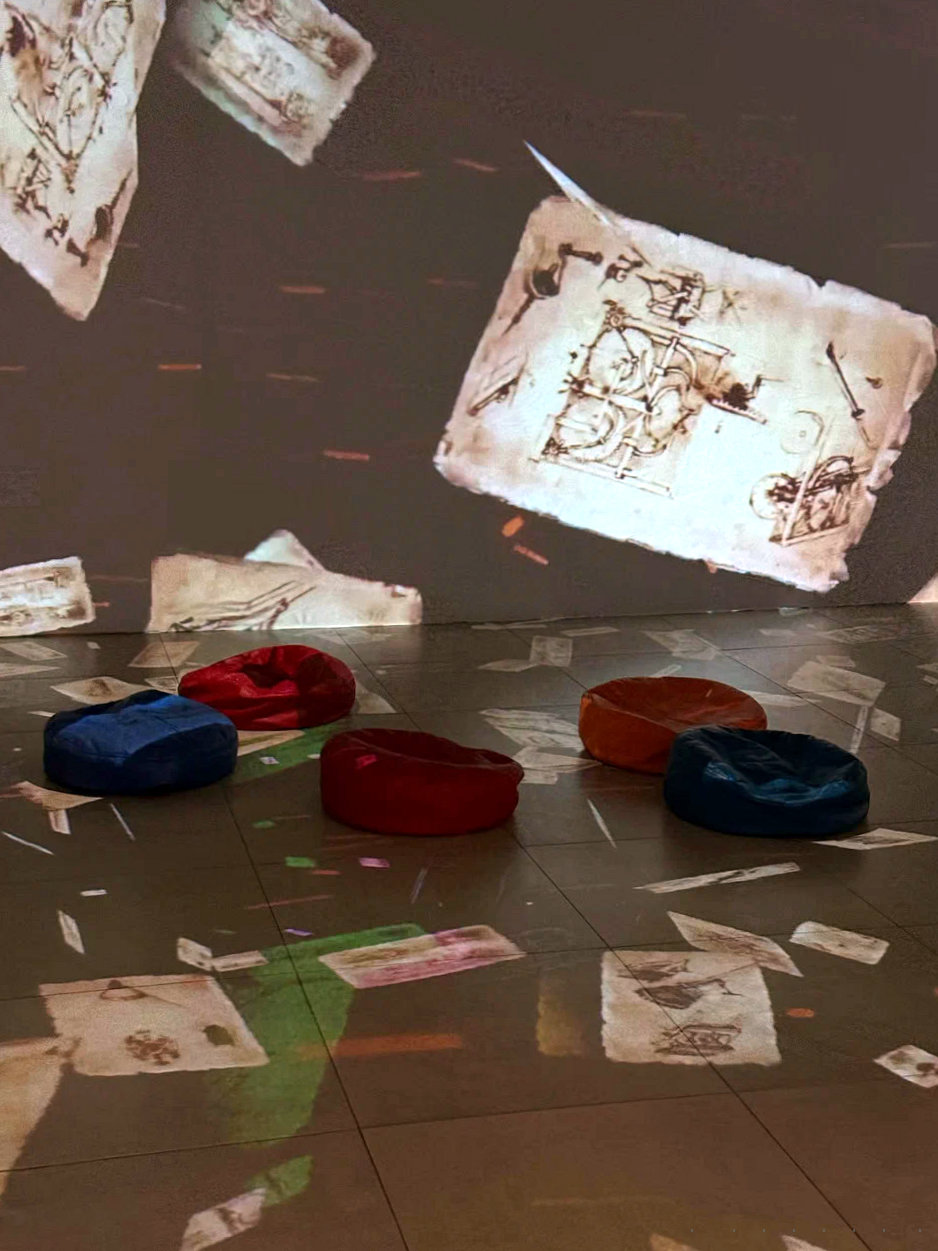
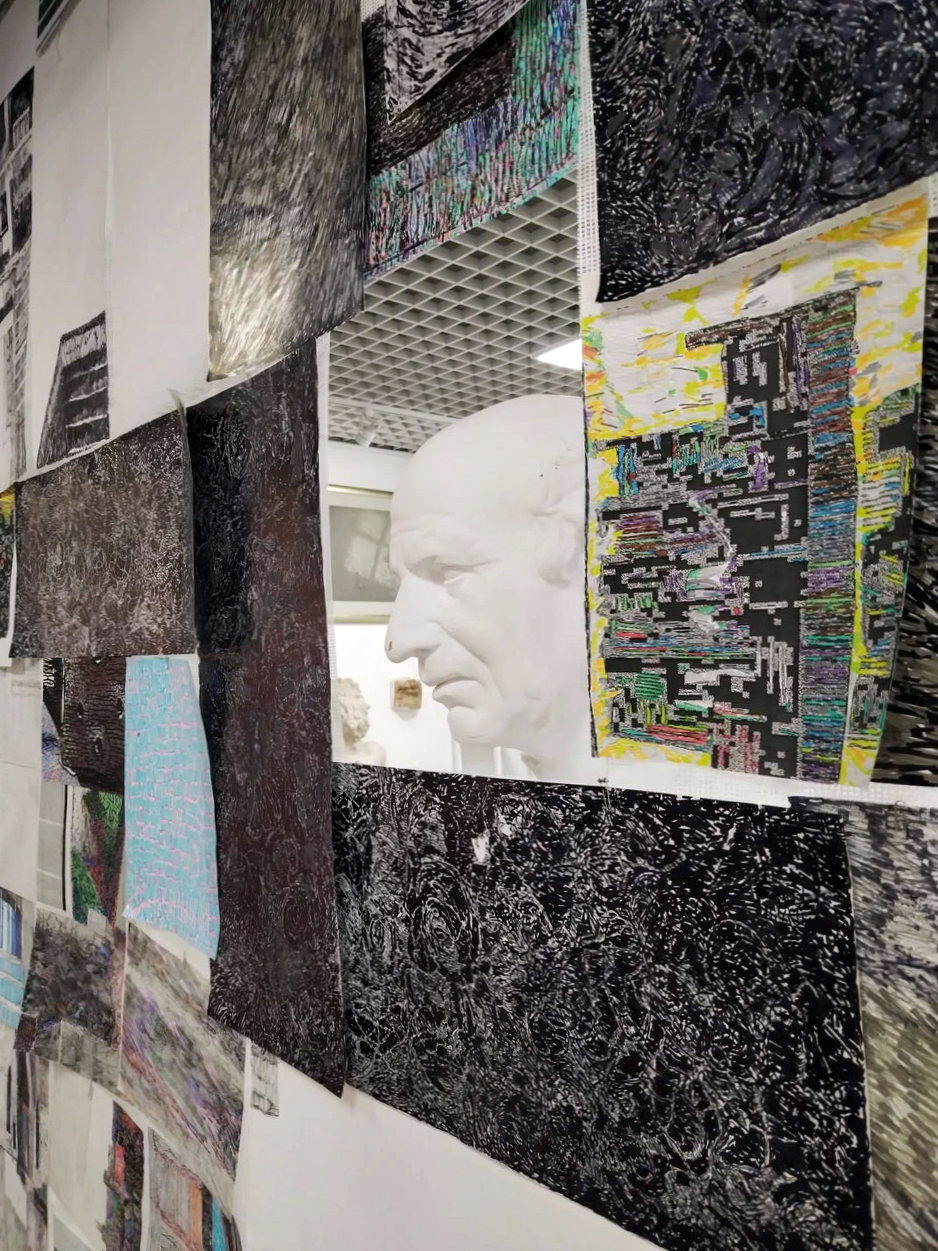
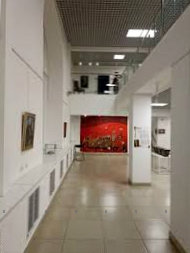
The National Centre for Contemporary Arts (NCCA) is Belarus’s principal state institution devoted to twentieth- and twenty-first-century art. More than just a museum, it is a vibrant cultural hub where traditional painting meets avant-garde performance, installations and experimental theatre.
The centre was established in 2015 through the merger of two important institutions: the Museum of Modern Fine Art and the Creative Workshops. The NCCA therefore holds a collection of almost 5,000 works and curates Belarus’s pavilion at the Venice Biennale.
Address
Minsk, 47 Independence Avenue, Ploshchad Yakuba Kolasa metro station
Official website
Opening hours
Wed–Sun: 12:00–20:00
Price
usually 6–10 BYN
Strana Mini Museum of Miniatures
Source: Strana Mini Museum
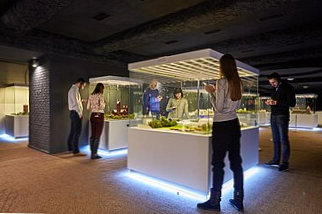
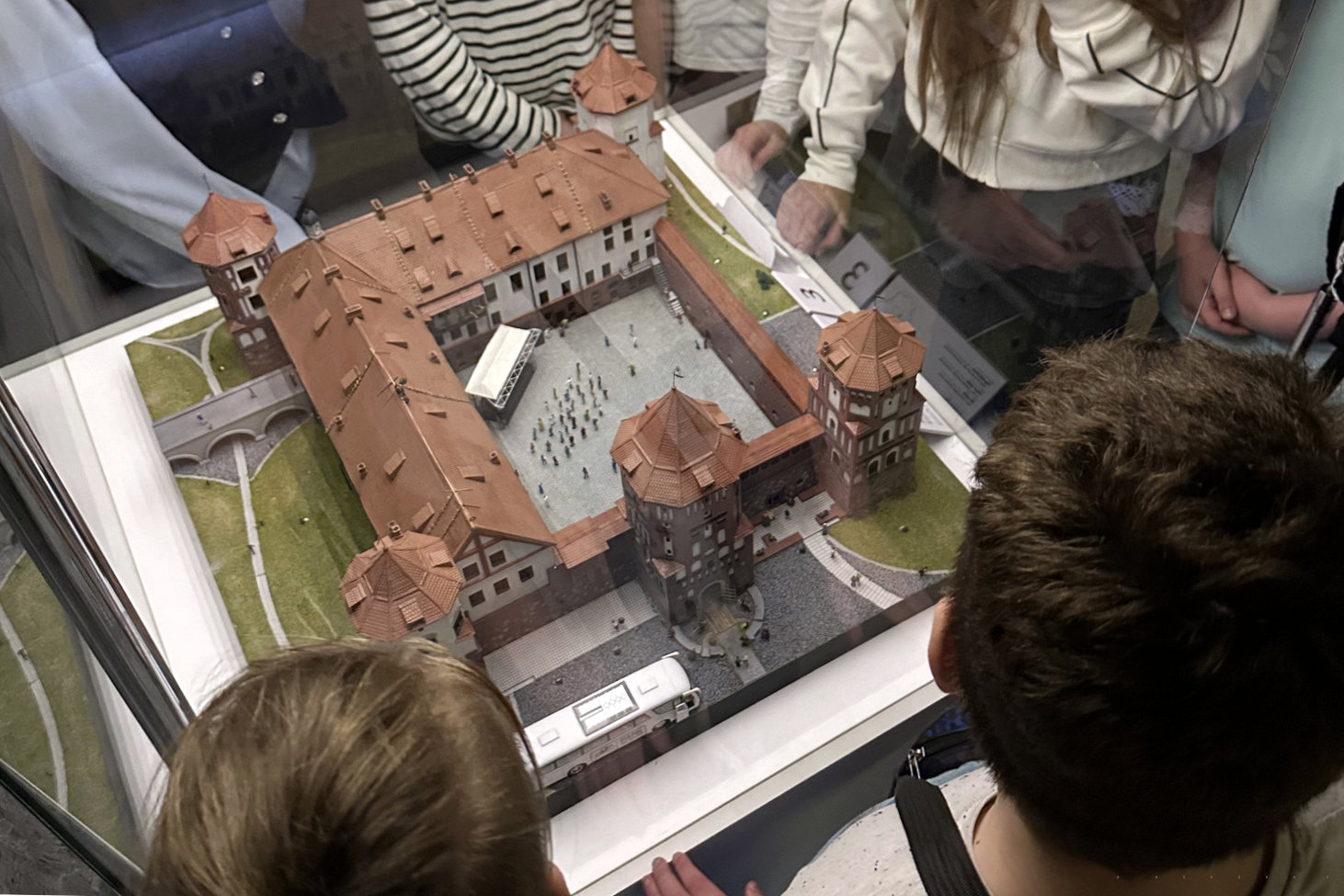
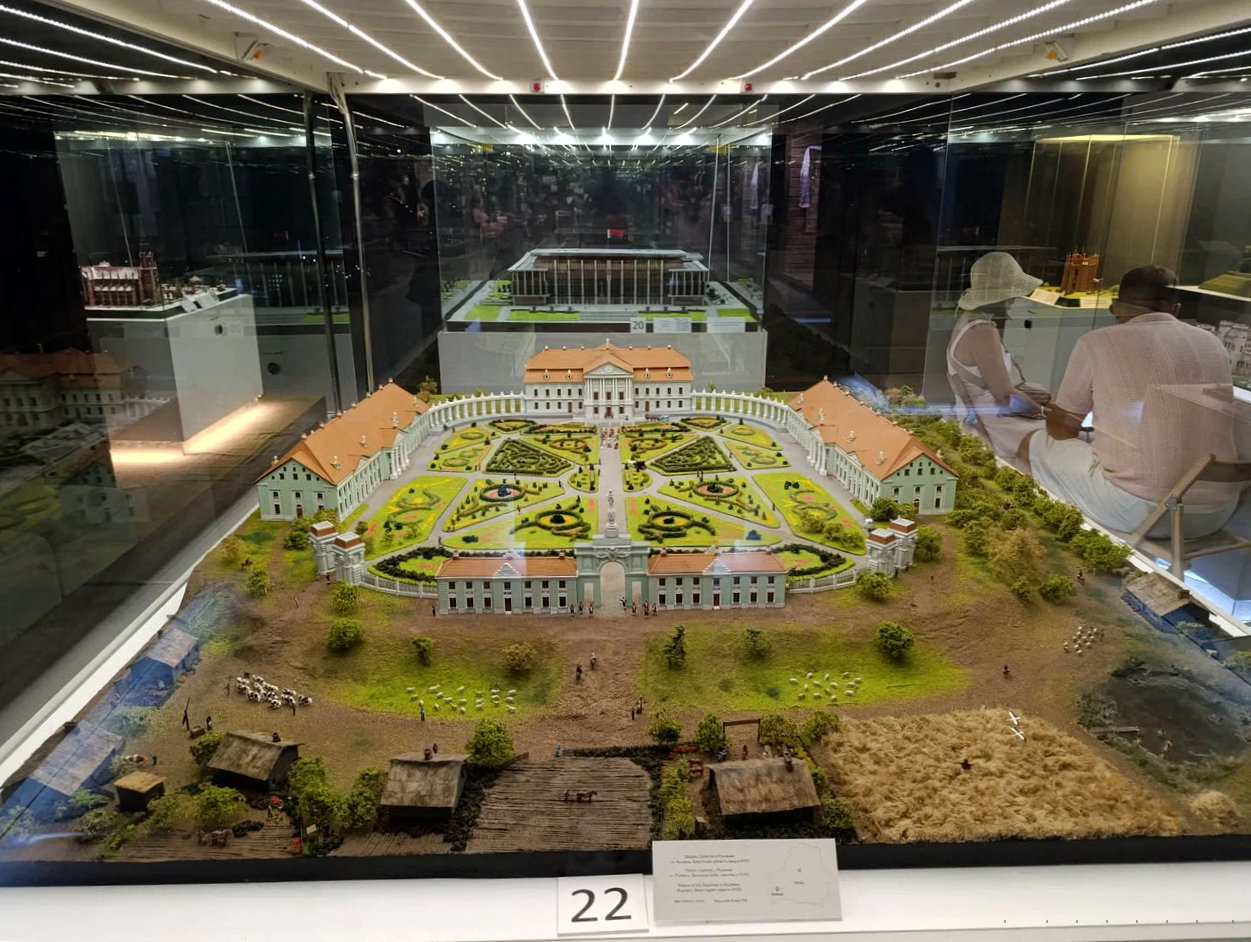
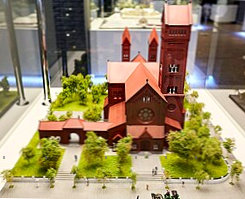
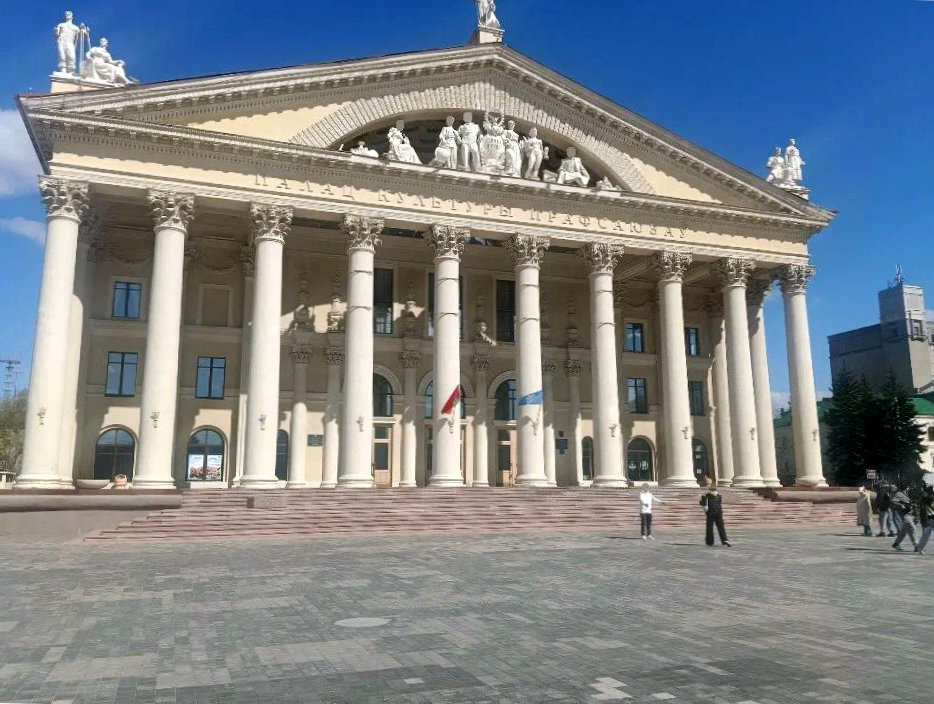
The Strana Mini Museum of Miniatures is a unique place in the heart of Minsk, where visitors can discover the architectural and historical heritage of all Belarus in a single visit. It is located at 25 Independence Avenue, inside the Trade Unions Palace of Culture. Opened in 2016, the museum quickly became popular with tourists and locals thanks to its interactive and educational exhibits.
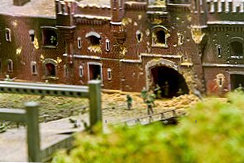
The museum features more than 30 miniature models of the country’s most significant architectural and historical landmarks, from famous castles and monasteries to lesser-known but equally important sites. Every model is made with remarkable precision and attention to detail at scales ranging from 1:100 to 1:120. Many have interactive features, such as switching between day and night lighting or exploring interiors using additional technology. A VR area can be visited for an extra charge.
Address
Minsk, 25 Independence Avenue
Main entrance to the Trade Unions Palace, then turn left following the signs for “Strana Mini”
Official website
Opening hours
Daily: 11:00–20:00
Price
-
-
- adult: 22–28 BYN
- reduced ticket: 17–20 BYN
- virtual reality area: 8 BYN
-
Museum of Aviation and Cosmonautics
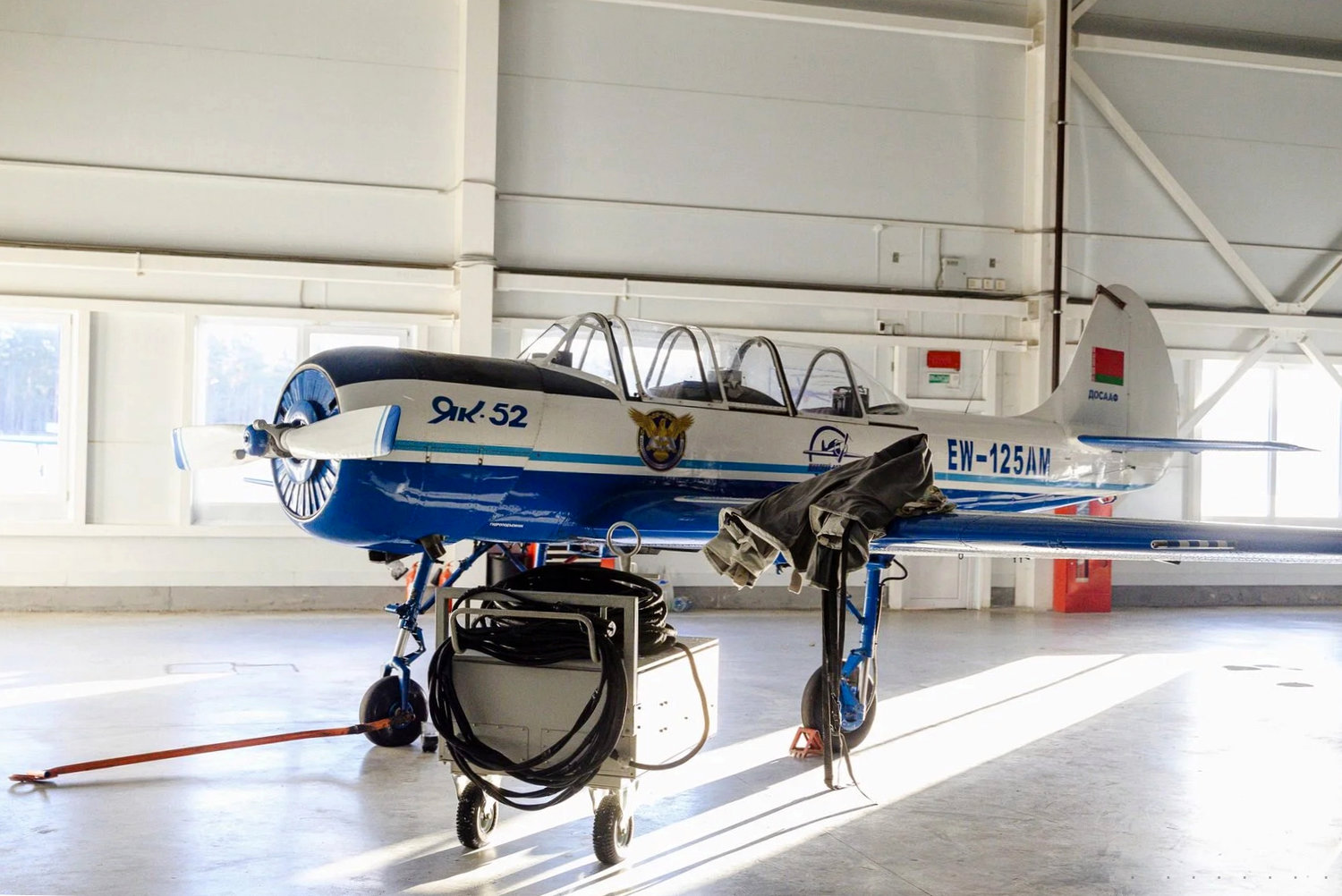
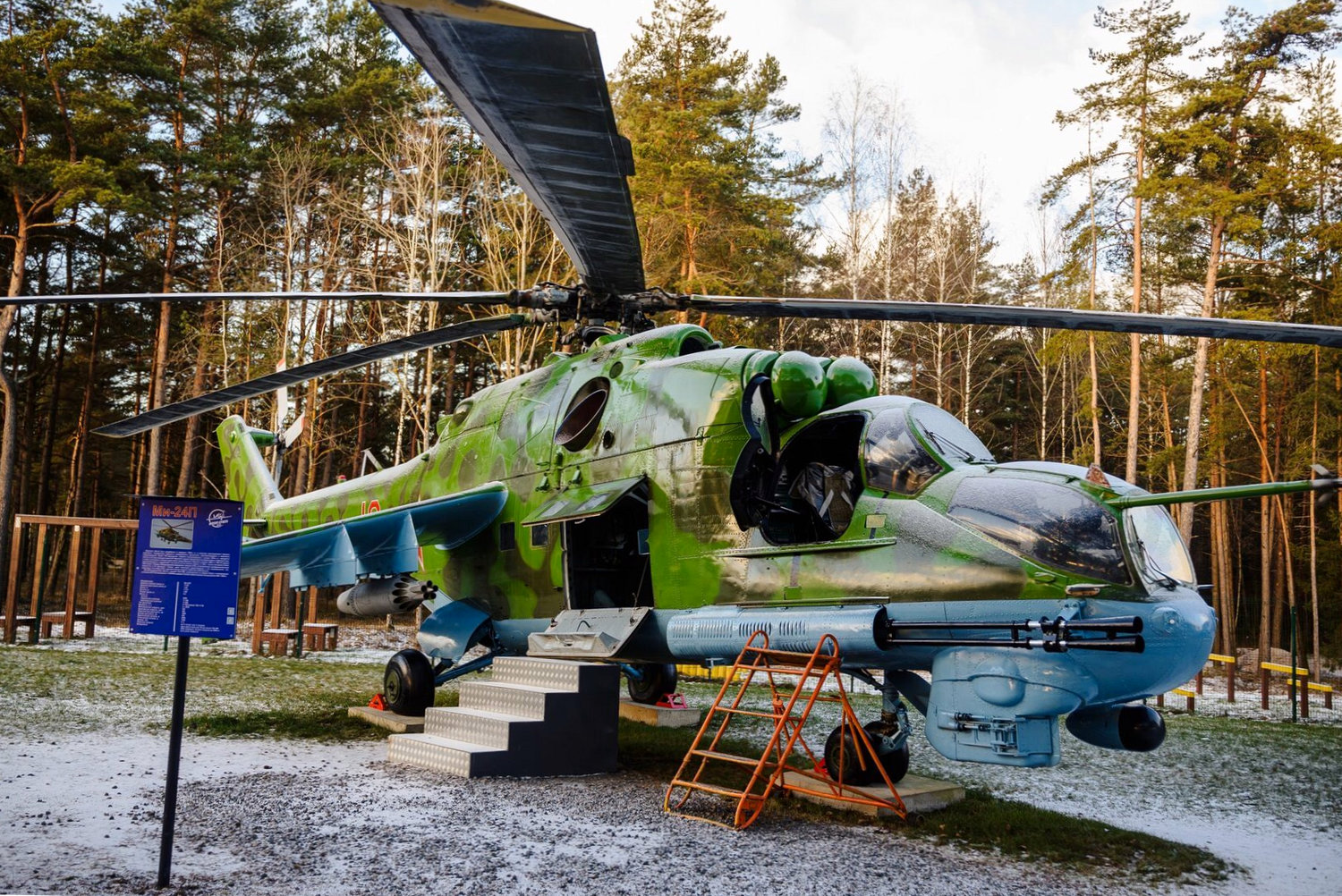
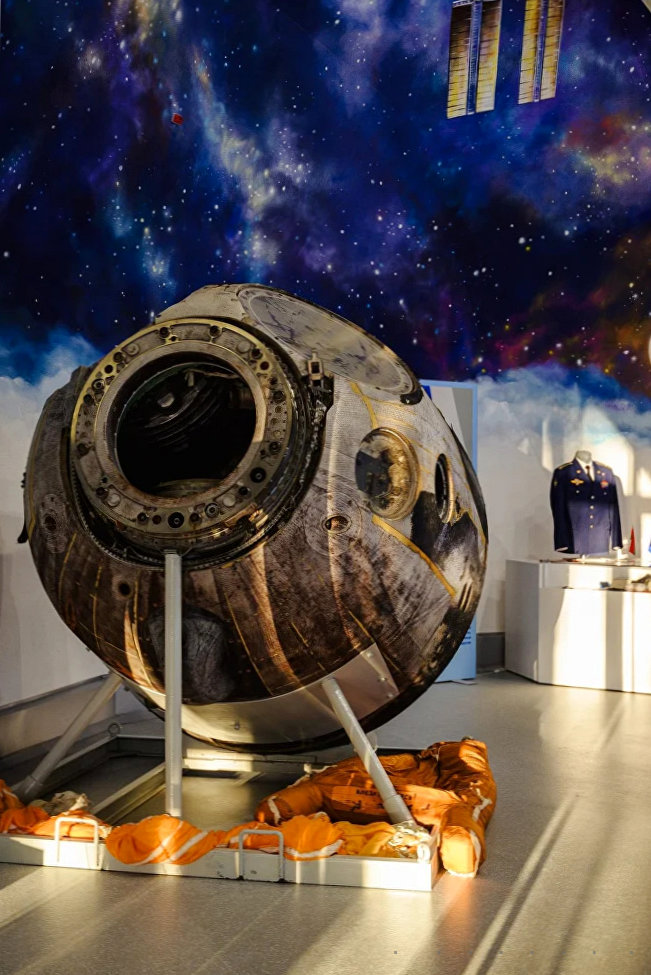
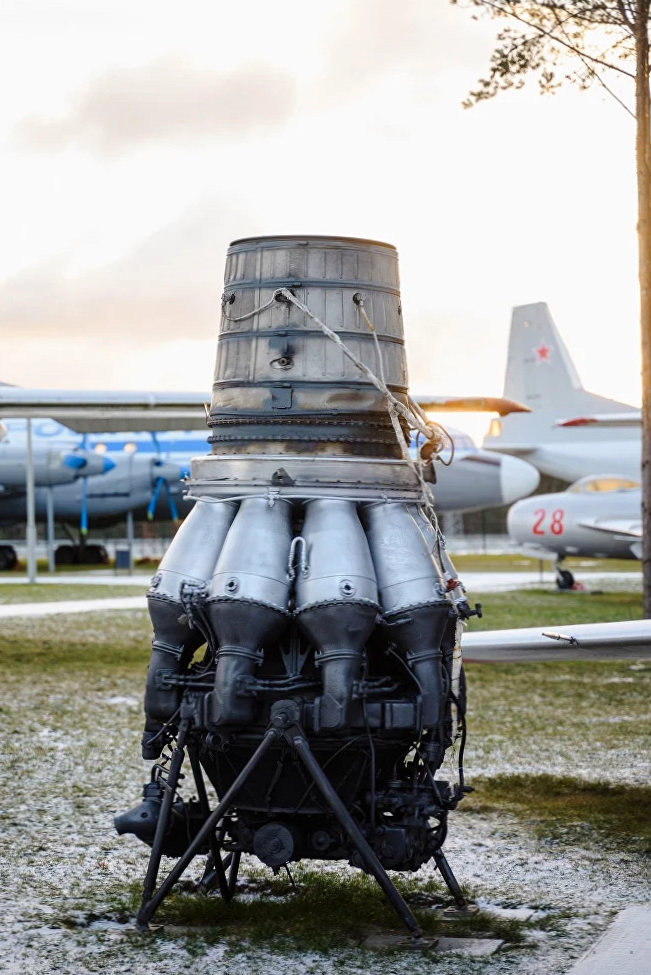
Source: aeroclub-minsk.by
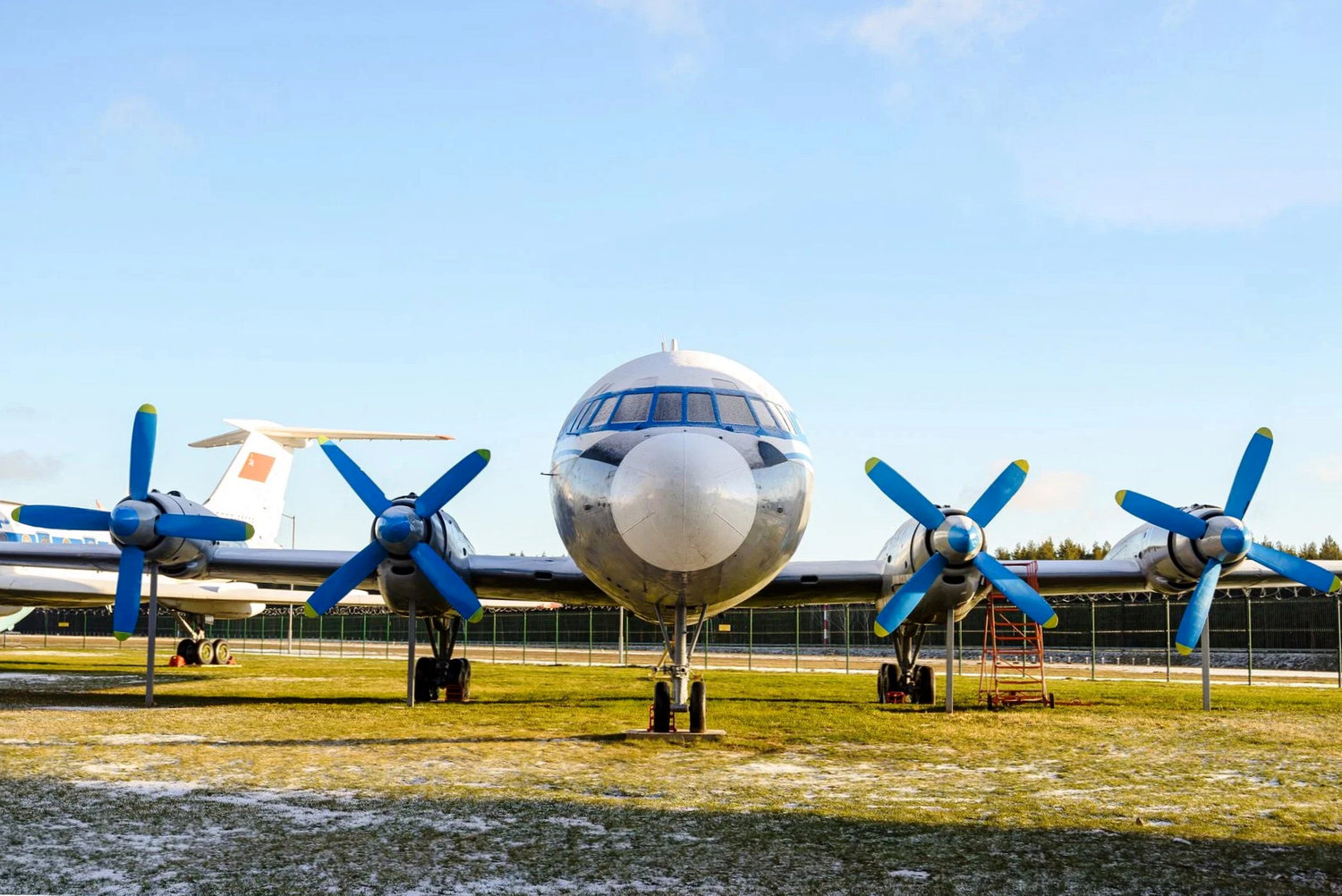
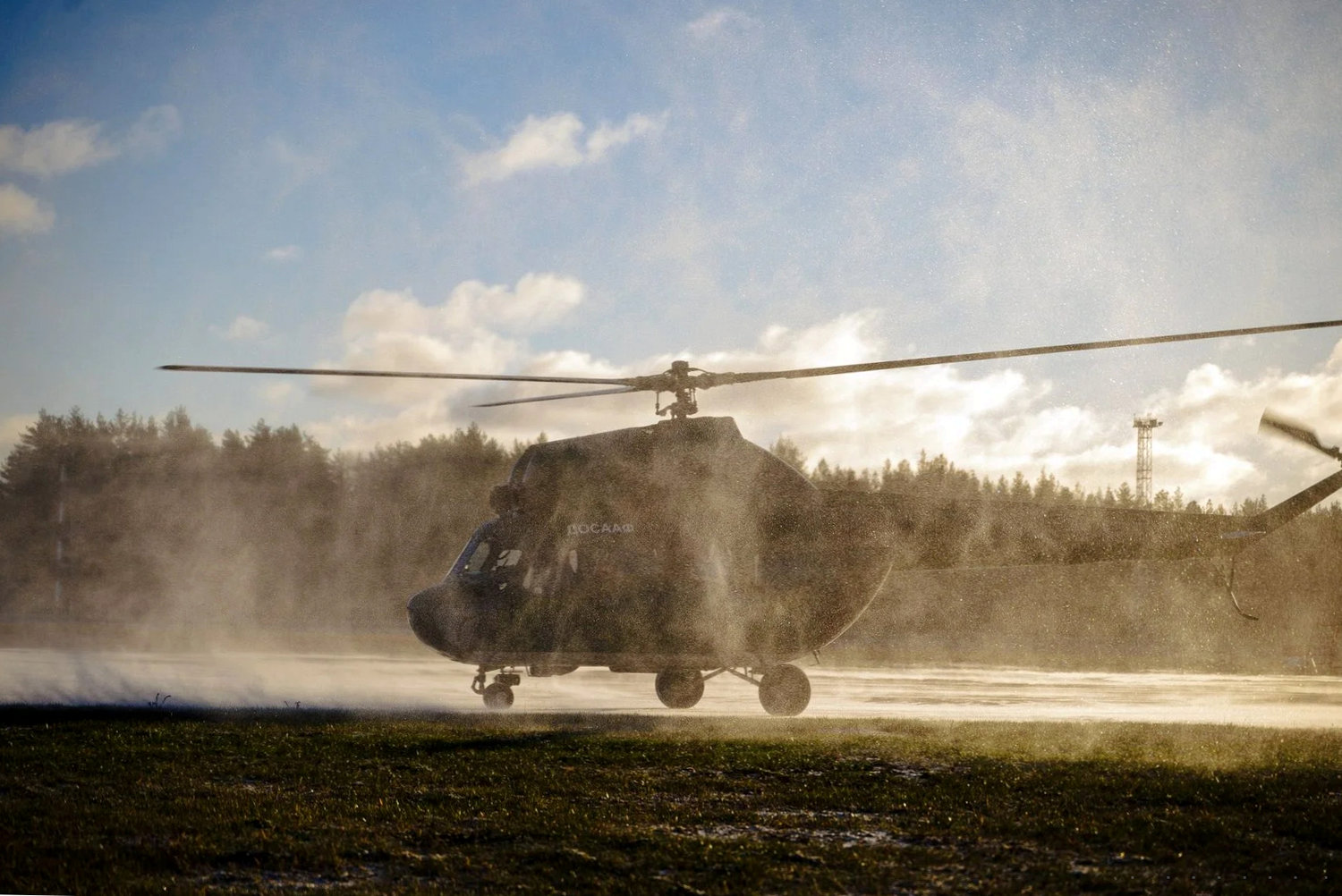
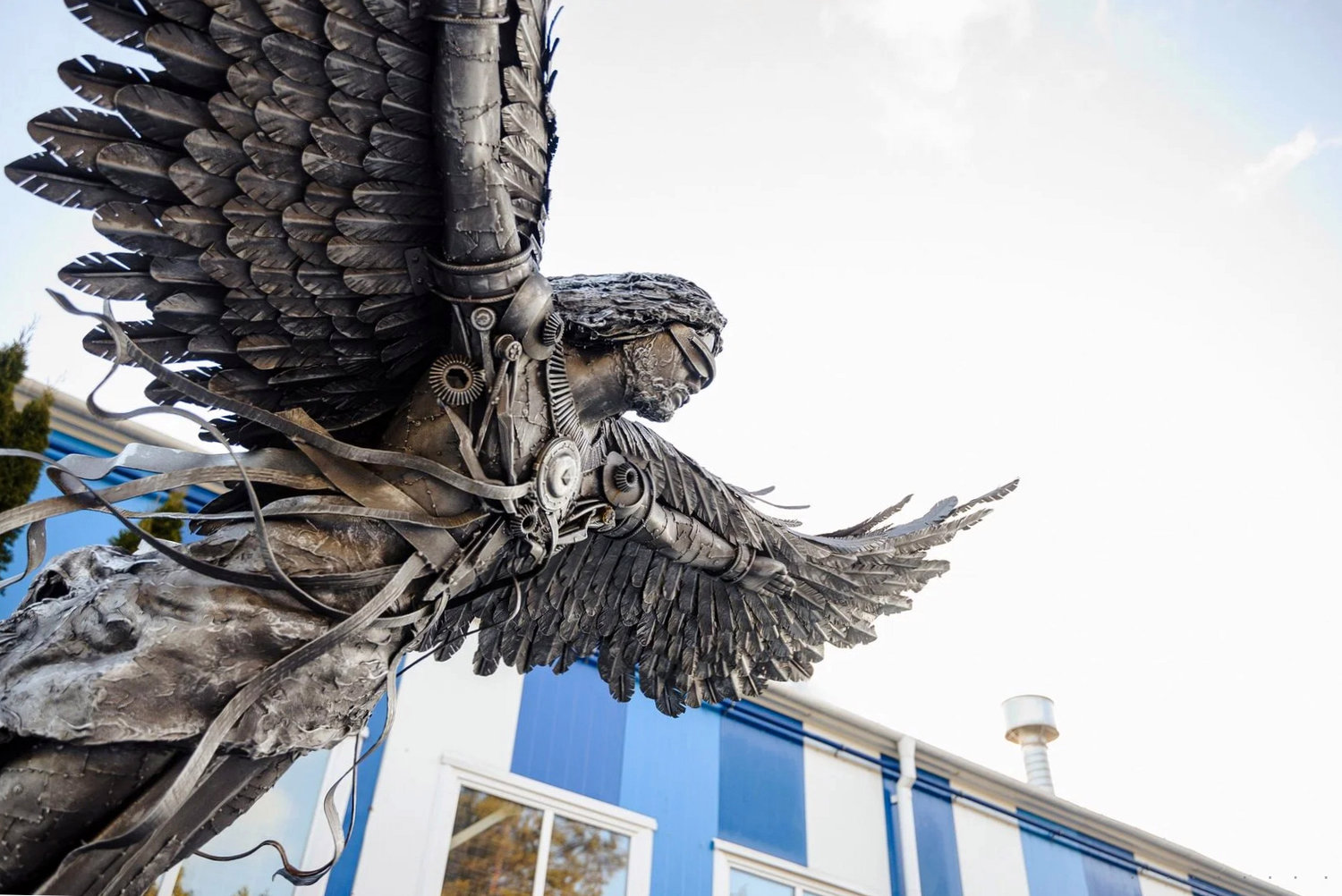
The Museum of Aviation and Cosmonautics in Minsk is a rare place where aircraft are not simply viewed from afar: visitors can see dozens of real planes and helicopters and even look inside some cockpits. Located at the Minsk Aeroclub in Lipki, it is considered Belarus’s first open-air aviation museum.
The collection contains over 50 exhibits, from Soviet fighter jets to transport aircraft, as well as a Space pavilion. This is an excellent choice for a family outing, a trip with children or anyone interested in the history of flight, engineering and the romance of the skies.
Address
Minsk, 12A Lipkovskaya Street
Official website
Opening hours
Tuesday–Sunday, 10:00–18:00; closed Monday
Price
-
-
- adult: 20 BYN
- schoolchildren and students: 10 BYN
- children under 6: free
-
National Historical Museum
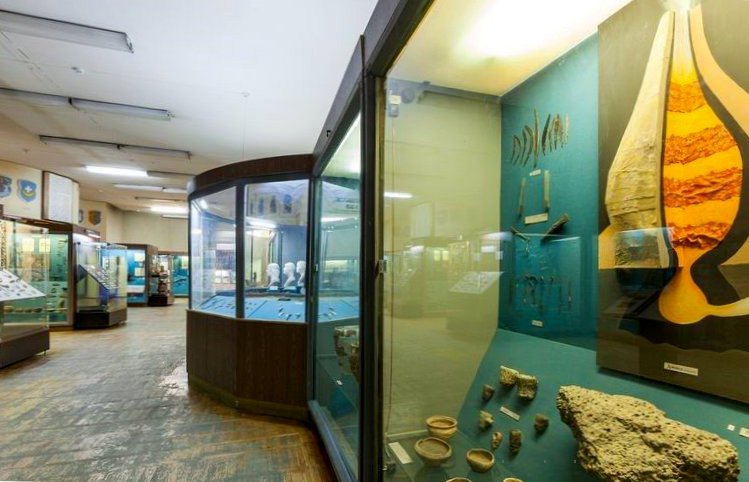
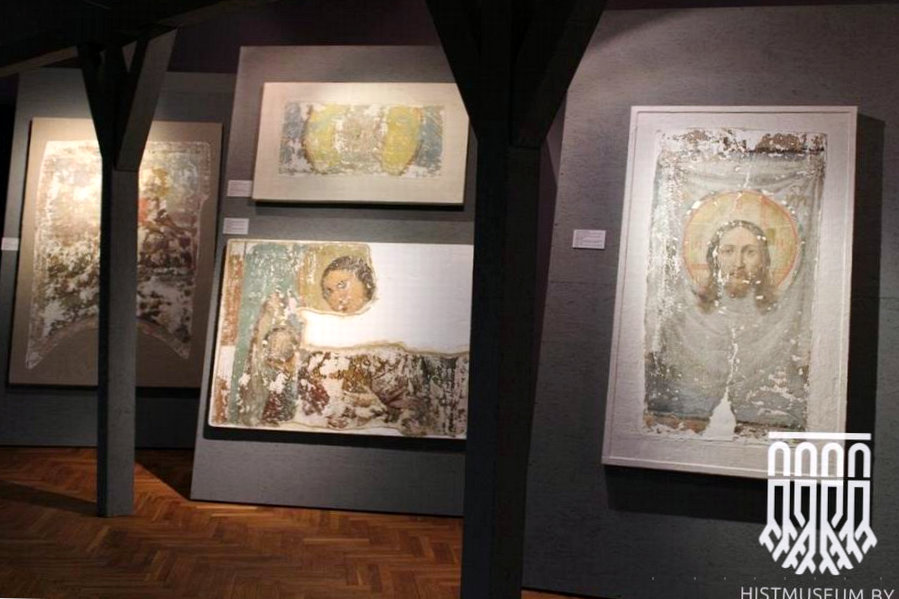
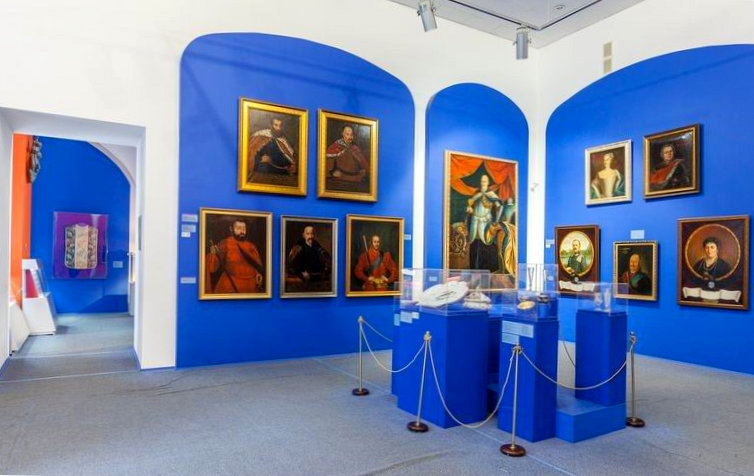
Source: family.by
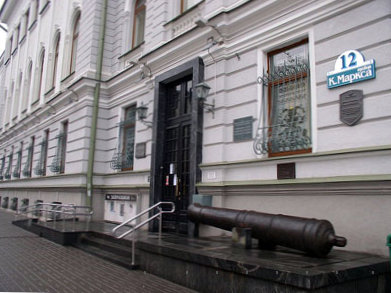
The National Historical Museum of the Republic of Belarus in Minsk is the main institution presenting the country’s history in depth. Its neoclassical building on Karl Marx Street houses over half a million objects, from prehistoric artefacts and Slutsk belts to archival documents and items of modern material culture.
The museum traces Belarusian history from prehistoric tribes to the modern era, making a tour through its halls genuinely engaging. Its exhibitions combine academic depth with contemporary presentation, appealing to both adults and schoolchildren.
Address
Minsk, 12 Karl Marx Street
Official website
Opening hours
Daily: 10:00–19:00 (admission and ticket office until 18:30)
Price
-
-
- adult: 15 BYN
- students: 10 BYN
- schoolchildren: 8 BYN
-
Museum of Nature and Ecology
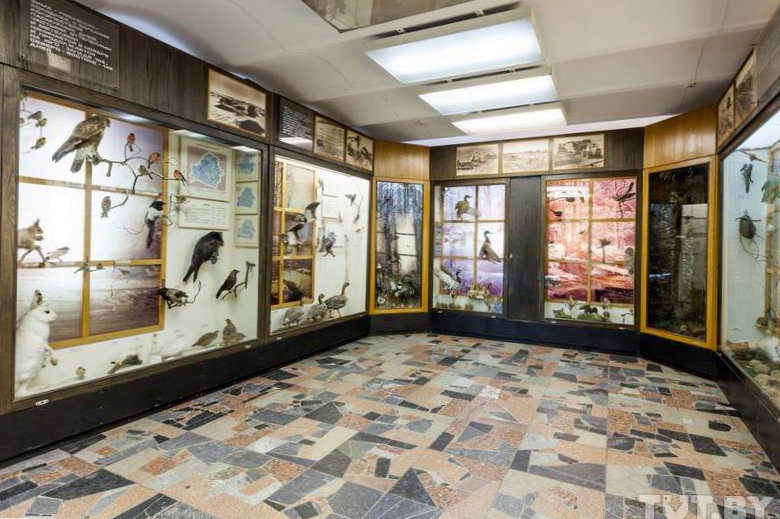
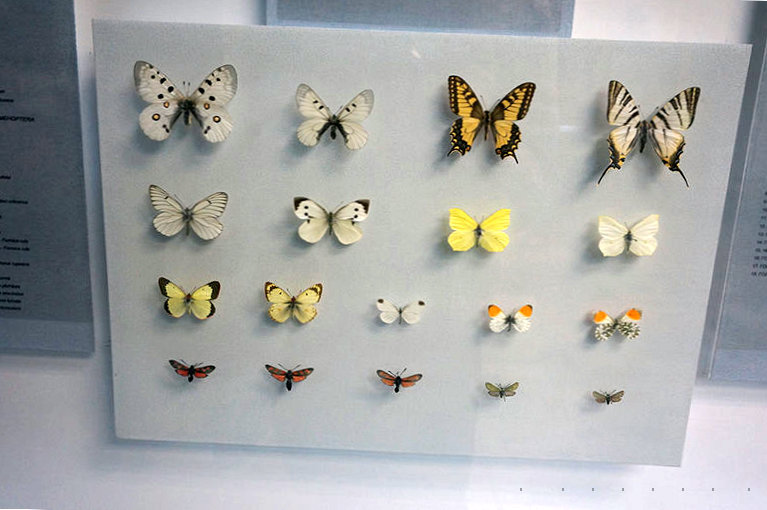
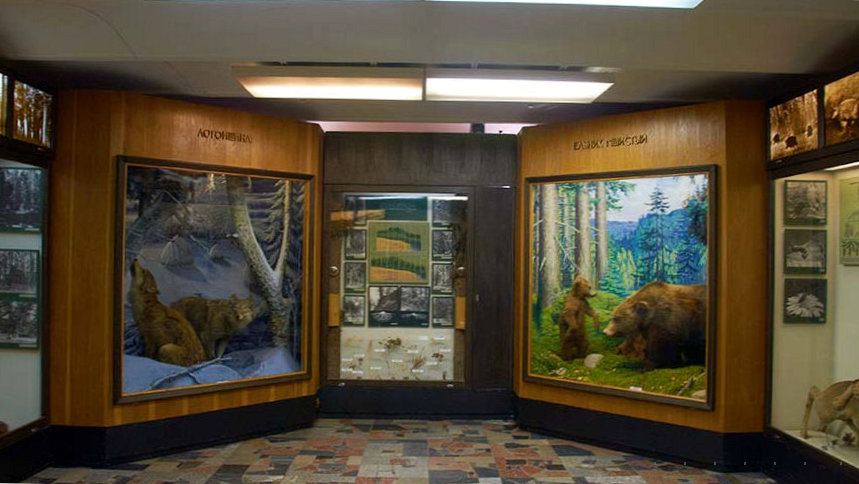
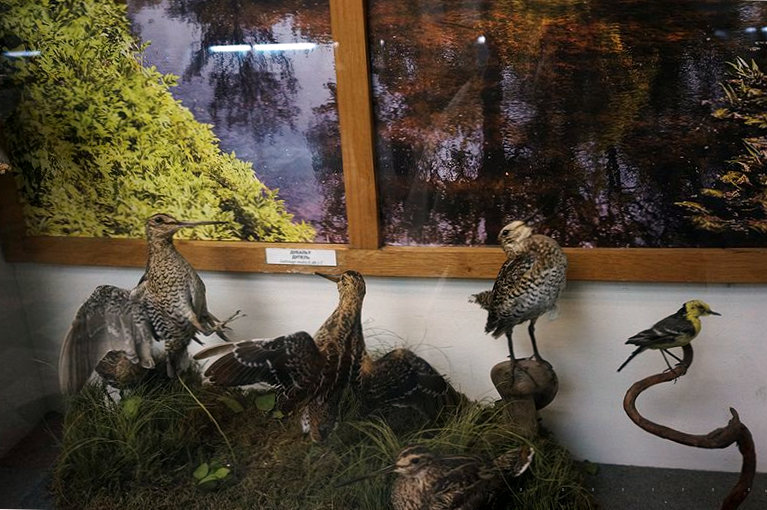
Source: museums.by
The Museum of Nature and Ecology in Minsk is one of the city’s most welcoming and educational museums, revealing Belarus through its forests, rivers, wetlands, animals and rare natural landscapes. Its rooms contain preserved mammals and birds, collections of minerals, insects, plants and palaeontological finds, along with exhibitions on nature reserves and conservation.
The museum is particularly good for families: its accessible presentation appeals to children, while its extensive collections interest adults too. It is a peaceful place for anyone who wants to explore not only Minsk’s history but also the natural world of Belarus in miniature.
Address
Minsk, 12 Karl Marx Street
Minsk, 9A M. Bogdanovicha Street
Official website
Opening hours
Daily: 11:00–19:00 (admission and ticket office until 18:30)
Price
-
-
- adult: 15 BYN
- pensioners, students and schoolchildren: 8 BYN
-
Upper Town Archaeological Museum
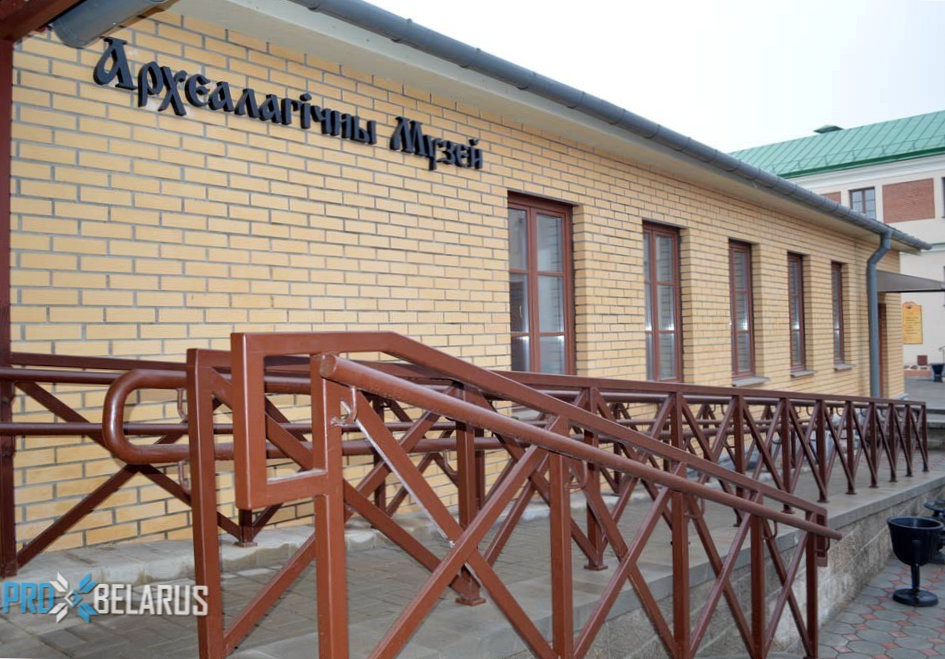
Source: probelarus.by
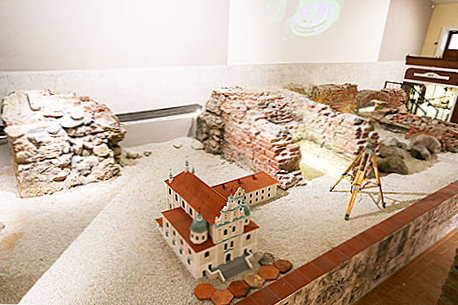
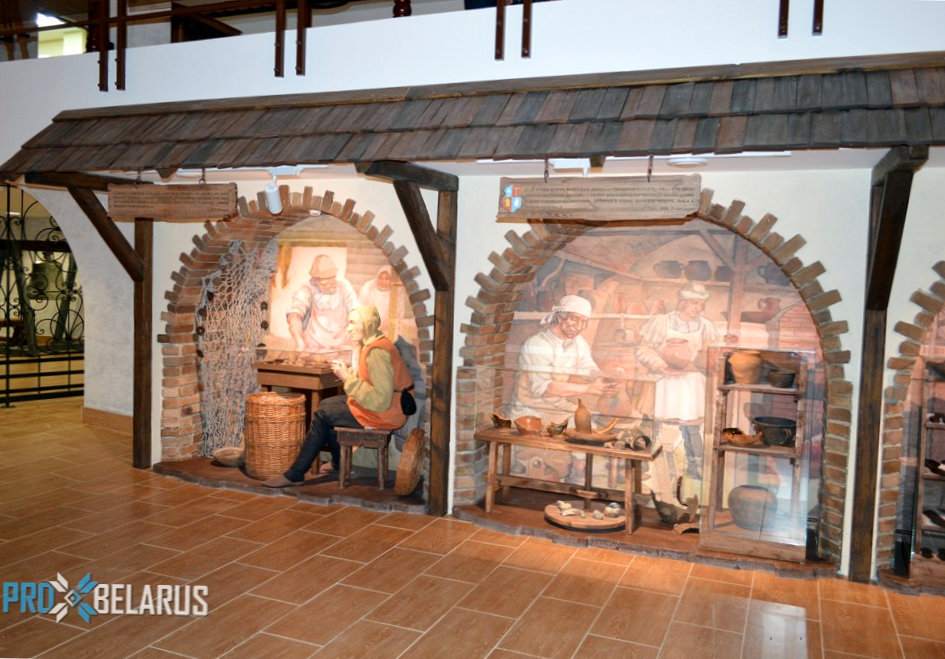
The Upper Town Archaeological Museum in Minsk is a modern glass pavilion built directly above the excavated remains of an eighteenth-century Bernardine monastery. Its immersive interior illustrates the development of Minsk’s cultural layers from the eleventh to the nineteenth century, revealing the history of Upper Town as a centre of crafts and trade.
The museum displays artefacts unearthed at monasteries and market stalls that once stood on today’s Zybitskaya, Kirilla i Mefodiya and Nemiga streets: roof tiles, household pottery and tools. Reconstructions of trading stalls, a shoemaker’s workshop and a potter’s shop, along with neighbourhood plans and panoramic displays, make it one of Minsk’s most vivid and accessible historical attractions.
Address
Minsk, 6 Kirilla i Mefodiya Street
Official website
Opening hours
Wednesday–Sunday: 11:00–19:00 (admission and ticket office until 18:30)
Closed Monday and Tuesday
Price
-
-
- adult: 12 BYN
- students and military academy cadets: 7 BYN
- school pupils: 3.5 BYN
-
Vysokoye Mesto Art Salon
Source: probelarus.by
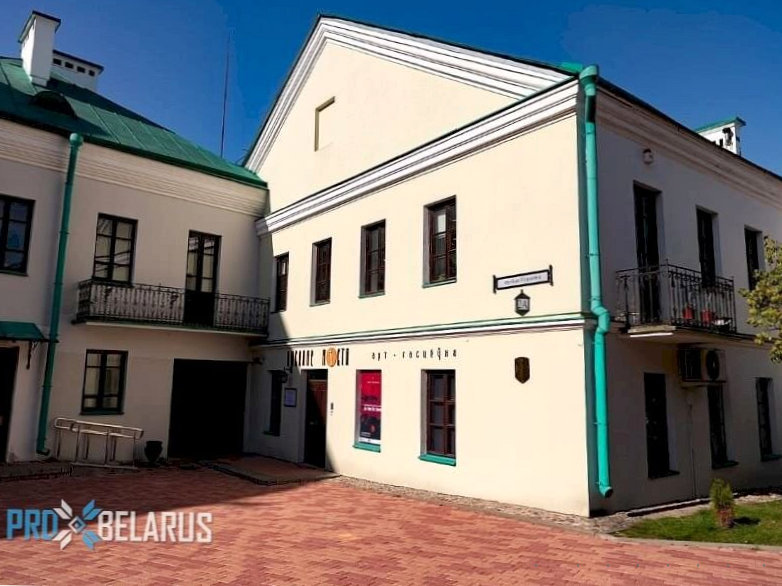
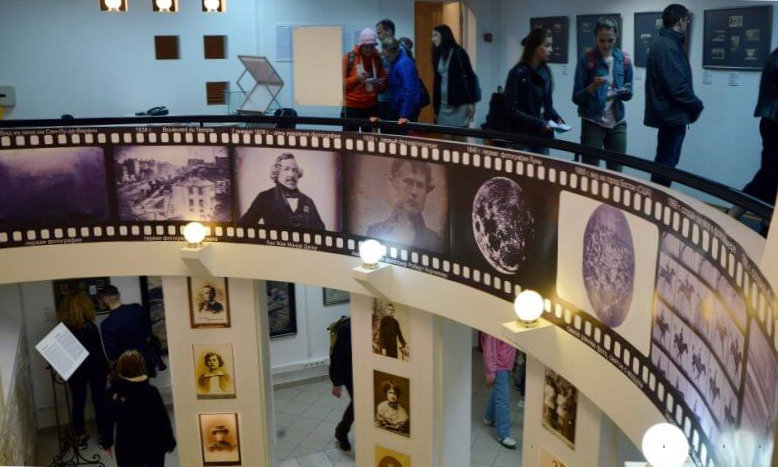
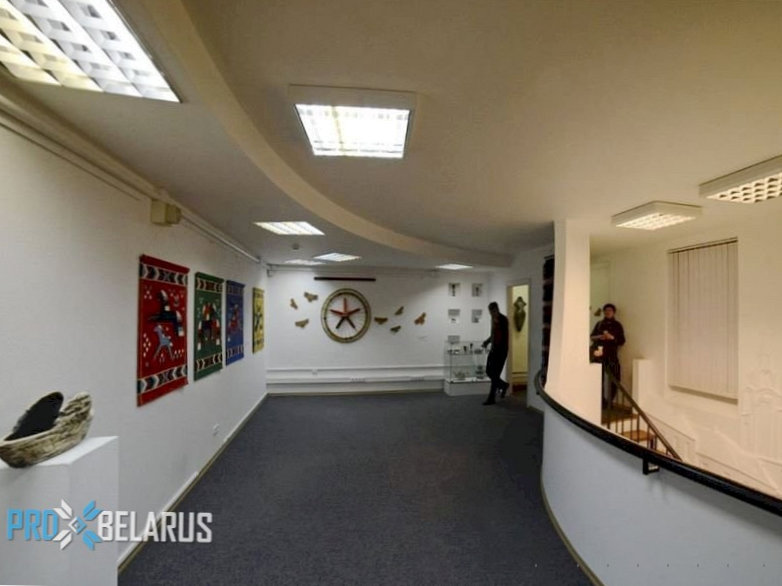
The Vysokoye Mesto Art Salon is a cosy, modern exhibition space in the heart of historic Minsk, in the Upper Town district. Housed in a nineteenth-century architectural landmark, it features an unusual three-level layout with four galleries. Its main aim is to present the contemporary capital through contemporary art. It regularly hosts solo and group exhibitions of painting, sculpture, graphic art and decorative arts by Belarusian artists.
It is also an active cultural venue, hosting artists’ meetings, musical evenings, workshops, lectures and theatrical performances. A great place to discover Minsk’s contemporary art scene.
Address
Minsk, 2A Gertsena Street (Nemiga metro station)
Official website
Opening hours
-
-
- Wednesday–Sunday: 11:00–19:00 (ticket office and admission until 18:30)
- Monday and Tuesday: closed
-
Price
-
-
- adult ticket: 7 BYN
- students: 5 BYN
- school pupils: 3 BYN
-
Loshitsa Manor Museum
Source: museums.by
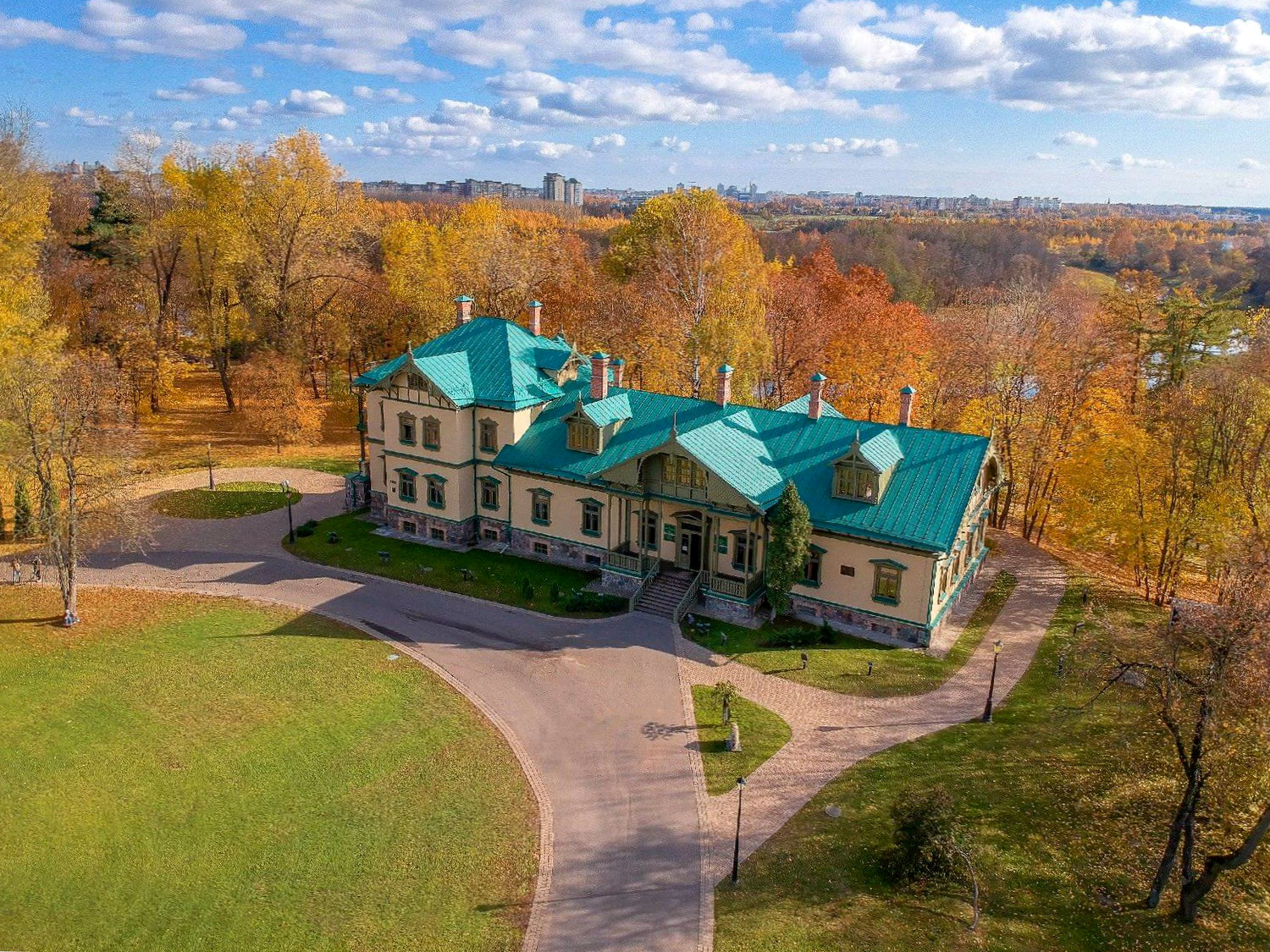
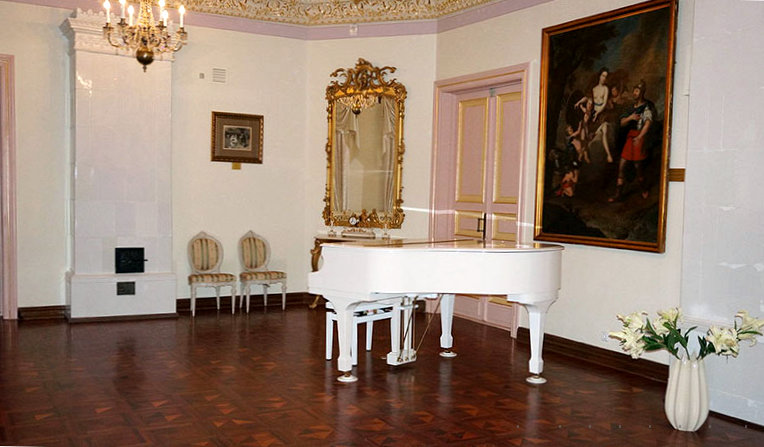
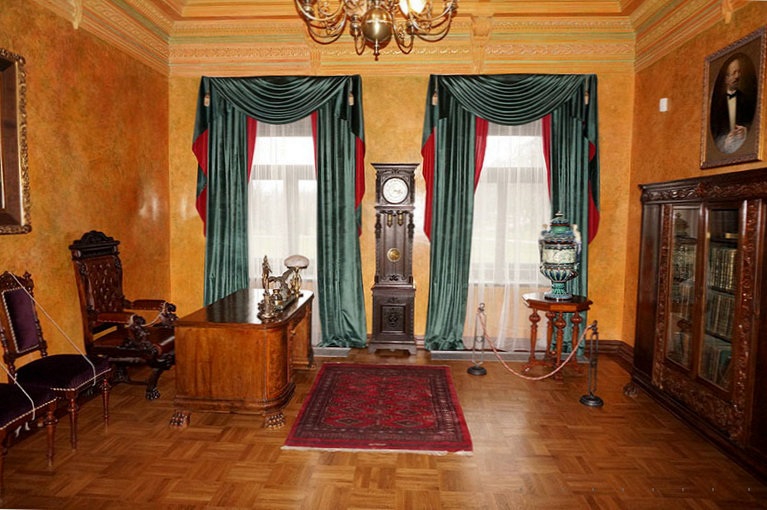
The Loshitsa Manor Museum is an atmospheric historic attraction in picturesque Loshitsa Park in Minsk. The museum occupies a former manor house and outbuilding, rare examples of eighteenth- and nineteenth-century architecture. Its restored rooms carefully recreate the world of high society at the turn of the twentieth century, with original tiled stoves, plaster mouldings, antique furniture and works of art.
An exhibition titled Wheel of Time in the outbuilding explores past urban and rural life, with old irons, samovars, copper utensils and reconstructed dining-room and cook’s-room interiors. The museum is ideal for anyone who loves aristocratic romance, historic interiors and beautiful architecture surrounded by nature.
Address
Minsk, 8-2 and 10 Chizhevskikh Passage (Loshitsa Manor and Park complex)
Official website
Opening hours
-
-
- Wednesday–Sunday. October–March: 10:00–18:00; April–September: 11:00–19:00
- Monday and Tuesday: closed
-
Price
-
-
- adult ticket: 8 BYN
- students: 4 BYN
- school pupils: 1.5 BYN
-
Museum of Boulders (Stone Museum Park)
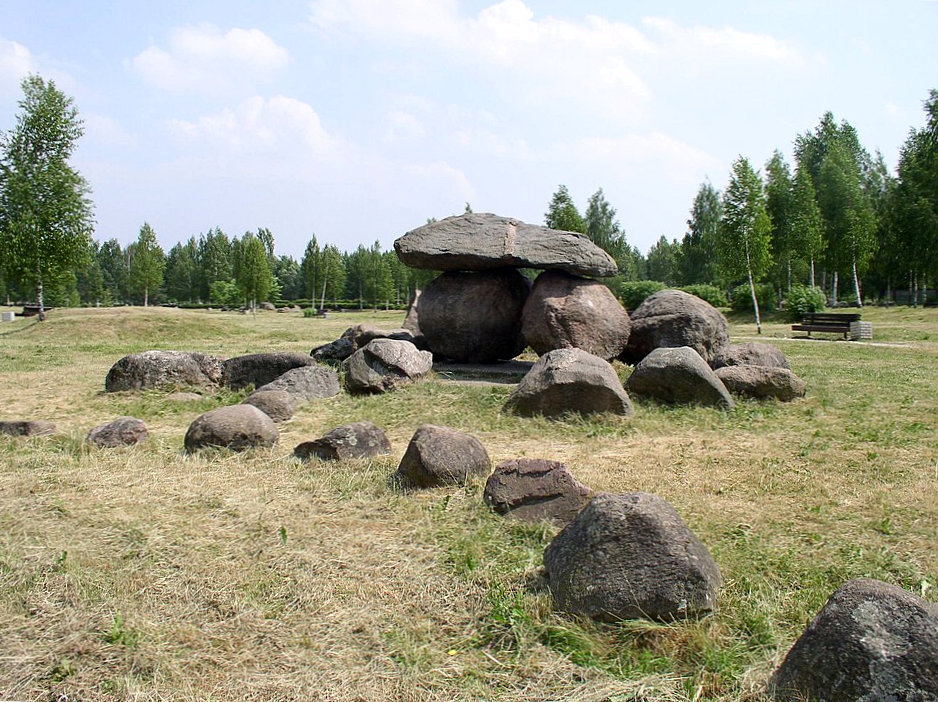
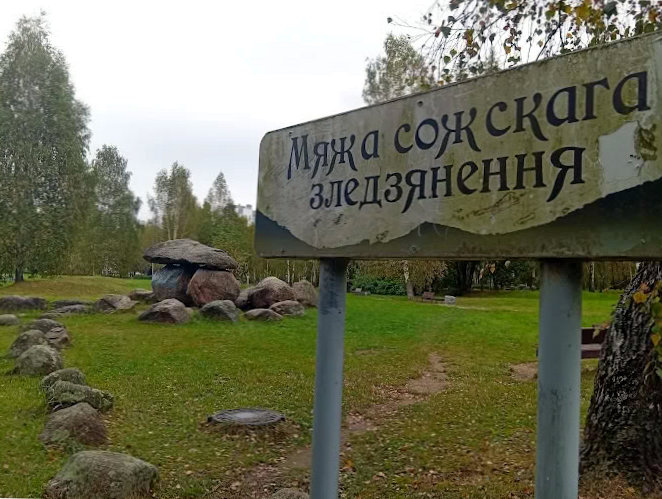
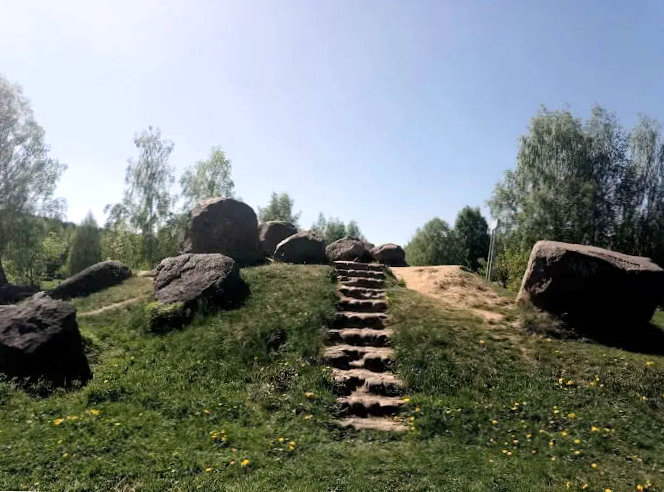
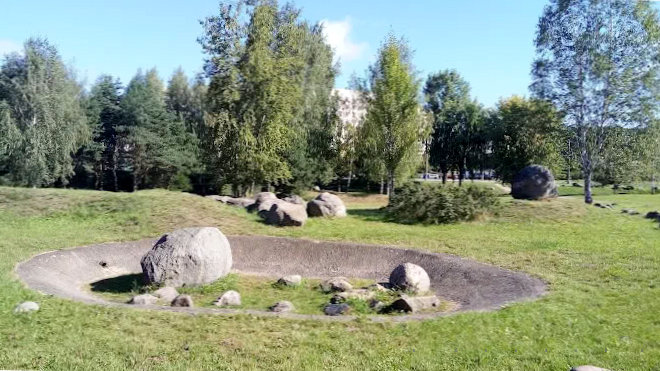
Source: Yandex Maps
The Museum of Boulders (Stone Park) in Minsk’s Uruchye district is a unique open-air natural science monument unlike any other in the CIS. Across seven hectares are more than 2,000 glacial boulders and stones brought from throughout Belarus. The park’s central feature is an enormous map of the country made of boulders: small hills represent real elevations, fir trees mark regional capitals and paths stand for rivers.
Here visitors can see rare geological formations, inscribed boundary stones, the famous Cross of Stephen Báthory and the pagan Dzed stone from an ancient shrine on the Svisloch River. It is a peaceful, scenic spot perfect for leisurely walks and unusual photographs among giant glacial rocks.
Address
Minsk, Shugaeva / Academician Kuprevicha streets (Uruchye district)
Photo gallery
Opening hours
-
-
- Open daily, seven days a week. This is a public park
-
Price
-
-
- free
-
Map of museums and galleries
Conclusion
Minsk is a city where a museum walk can easily become a journey through the history, art and culture of Belarus. Visitors can choose between traditional museums with rich collections and unusual interactive spaces that make exploring the city more vivid and memorable.
If you want not only to see the capital but also to understand its character, Minsk’s museums are an excellent starting point. They are equally suitable for a quiet independent visit or a packed itinerary lasting one or several days, and many are conveniently located for tourists.
