


 Русский
 Беларуская мова



Amazing and Atmospheric Places
- The Backyard of the Oktyabrskaya Art District
- A Cascade of Dams and Minsk’s Switzerland – Waterfalls and a Bridge in Drozdy Park
- An Urban Quest Through Unique City Locations
- New Urbanism – The Creative Cluster at the Horizont Factory
- House of Experimental Art
- A Haven of Historic Urban Architecture – Osmolovka
- An Ancient-Style Theater in an English Landscape Park – The Amphitheater and Treasures of Loshitsa
- A Secret Courtyard – The Red Courtyard on Romanovskaya Sloboda
- Labyrinths of the Old Town – Upper Town Courtyards
- A Waterside Memorial – Island of Tears
- Waterfront Urbanism and Wild Riverbanks – Lakeside Park and the Tsna Nature Trail
- A Retro Journey to Childhood – The Children’s Railway in Chelyuskintsev Park
- A Nature Trail Above the Marsh – Bird City in Serebryanka
- An Industrial Landmark – The Water Tower on Zhukov Avenue
- Stalinist Empire Style and Magical Shop Windows – GUM, a Palace on the Avenue
- Gothic Melancholy and a Map in Stone – Calvary Cemetery
For some locations on this list, we have included practical information for 2026, including establishments and landmarks you can visit nearby.
Whether you are a lifelong Minsk resident or a visitor to the capital, this guide is for you if you value atmosphere, aesthetics and unique experiences over well-worn tourist routes. Forget conventional museums and obligatory photos at the “main” attractions. This city reveals itself differently: in hidden courtyards, on rooftops, in repurposed industrial areas and atmospheric coffee shops.
We have put together a list of ten unusual places in Minsk that promise genuine emotions, great photos and the feeling of discovering the real, living city. Ready to look beyond the façades of its grand avenues? Let’s go!
The Backyard of the Oktyabrskaya Art District
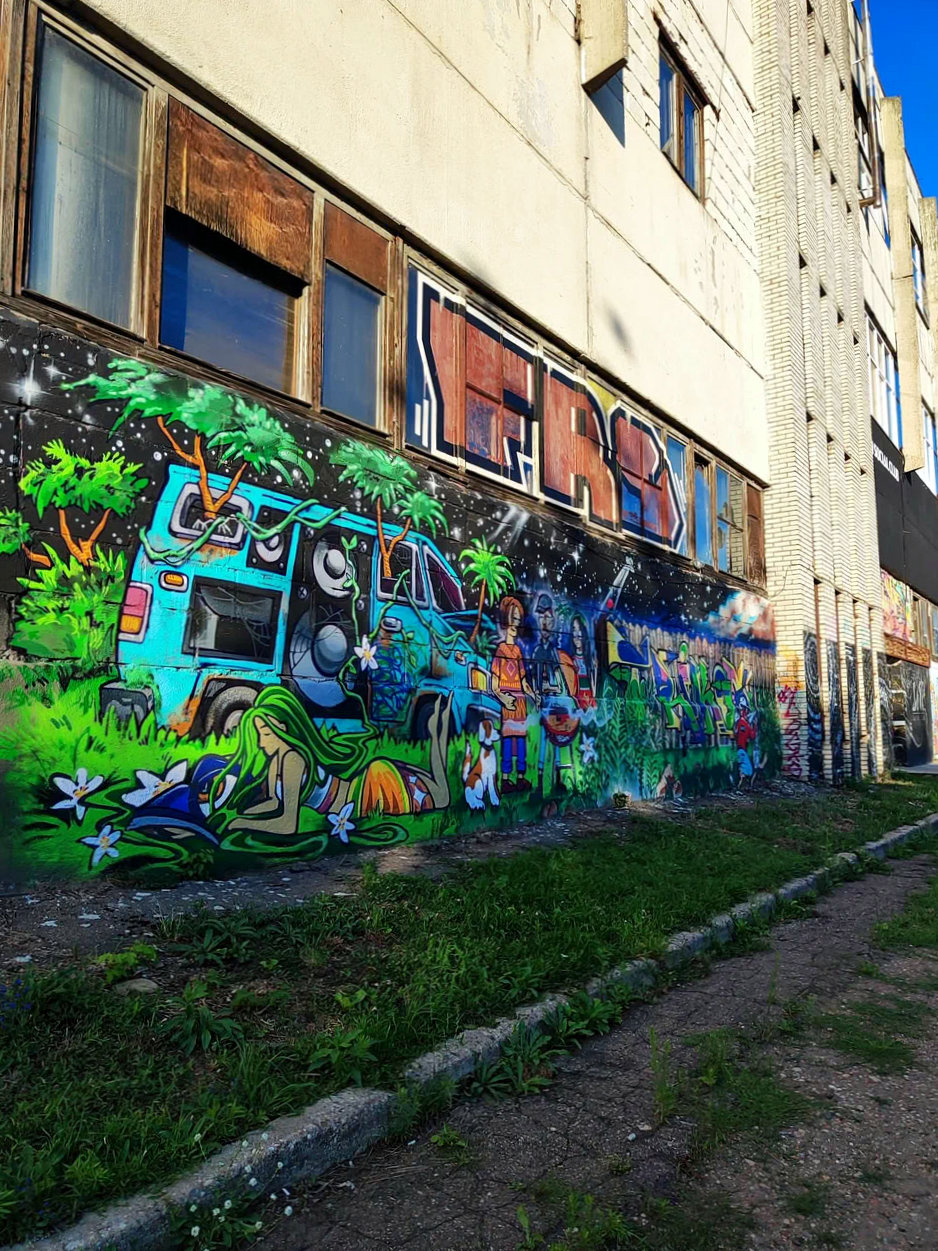
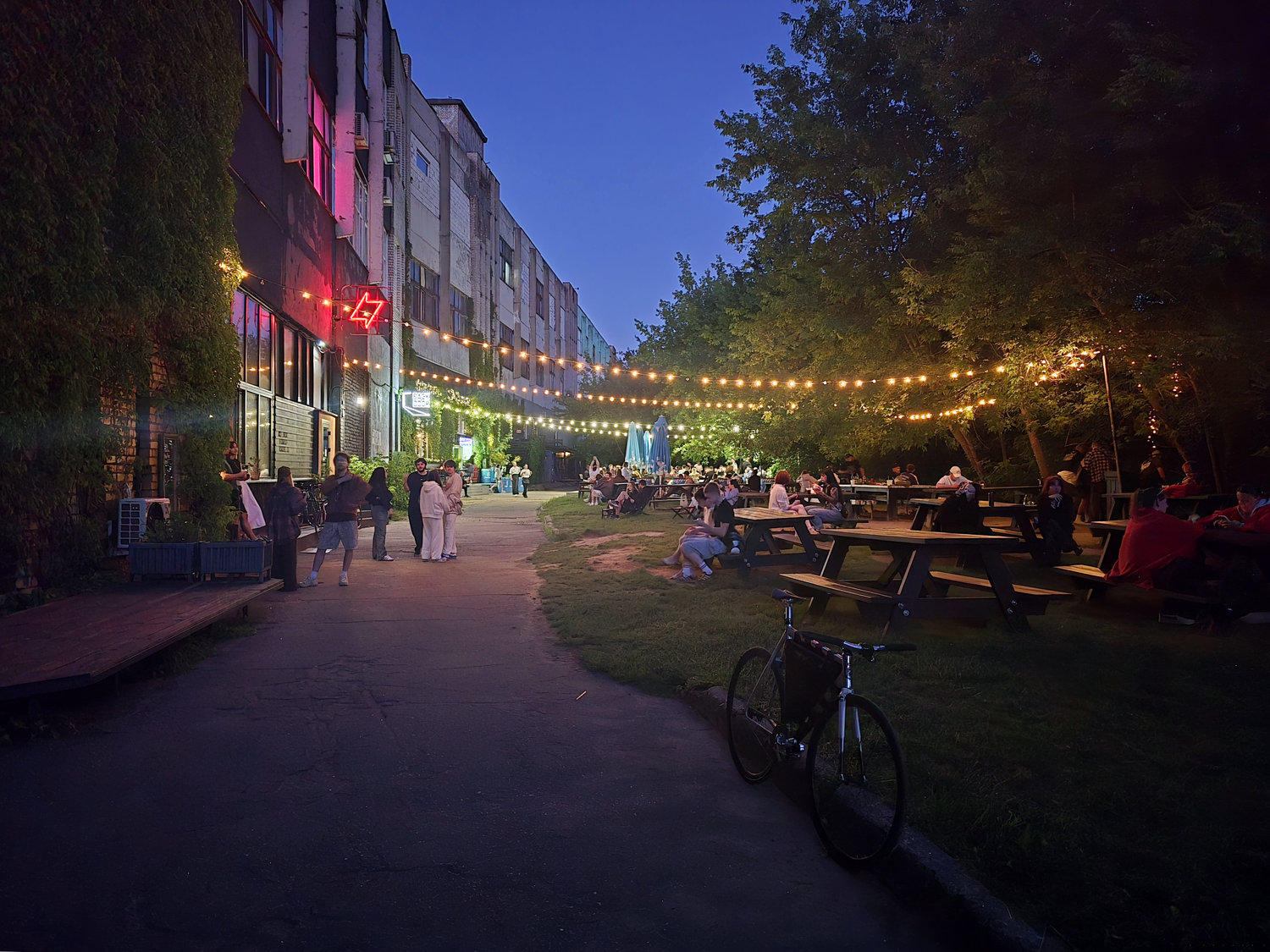
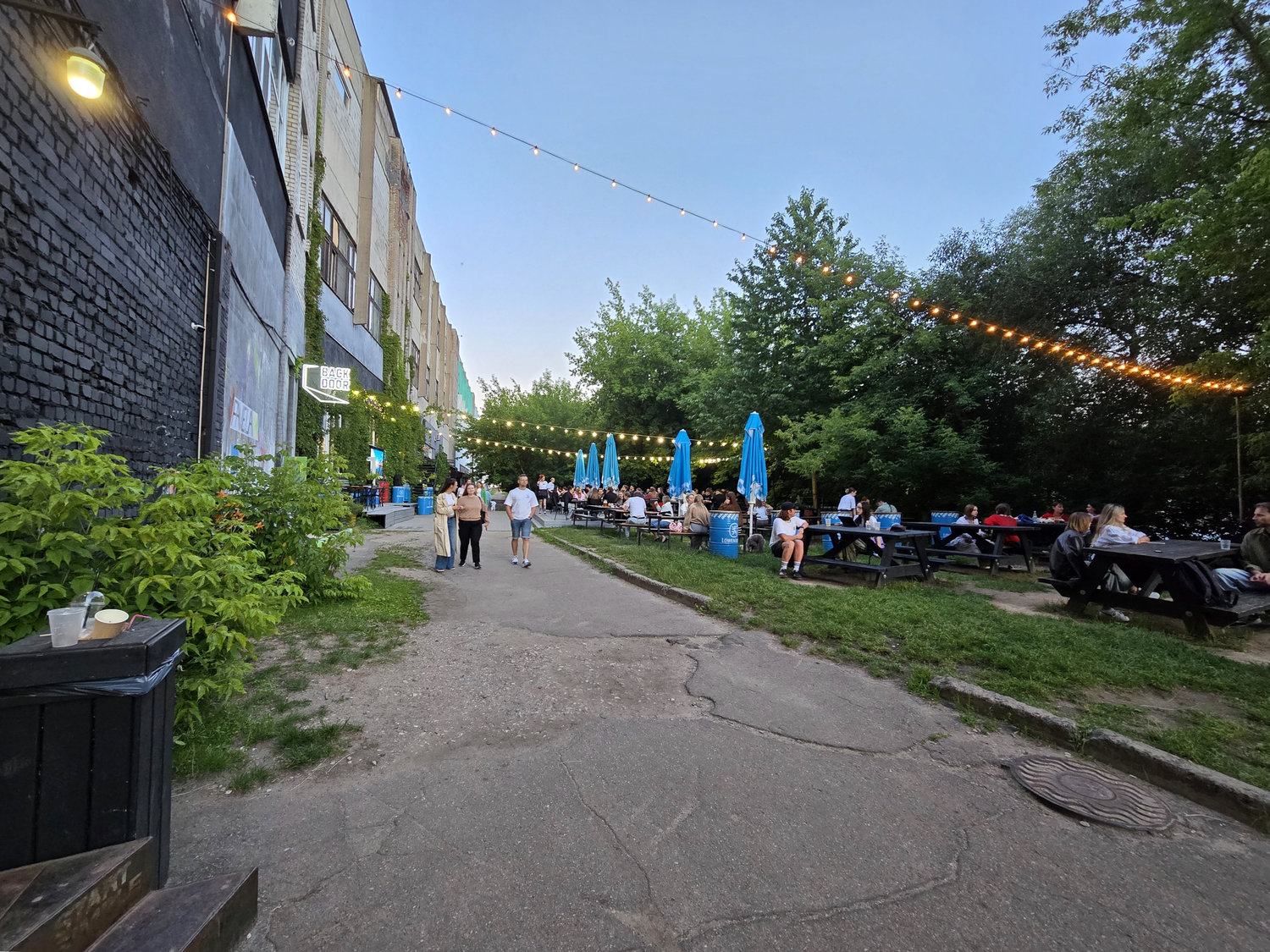
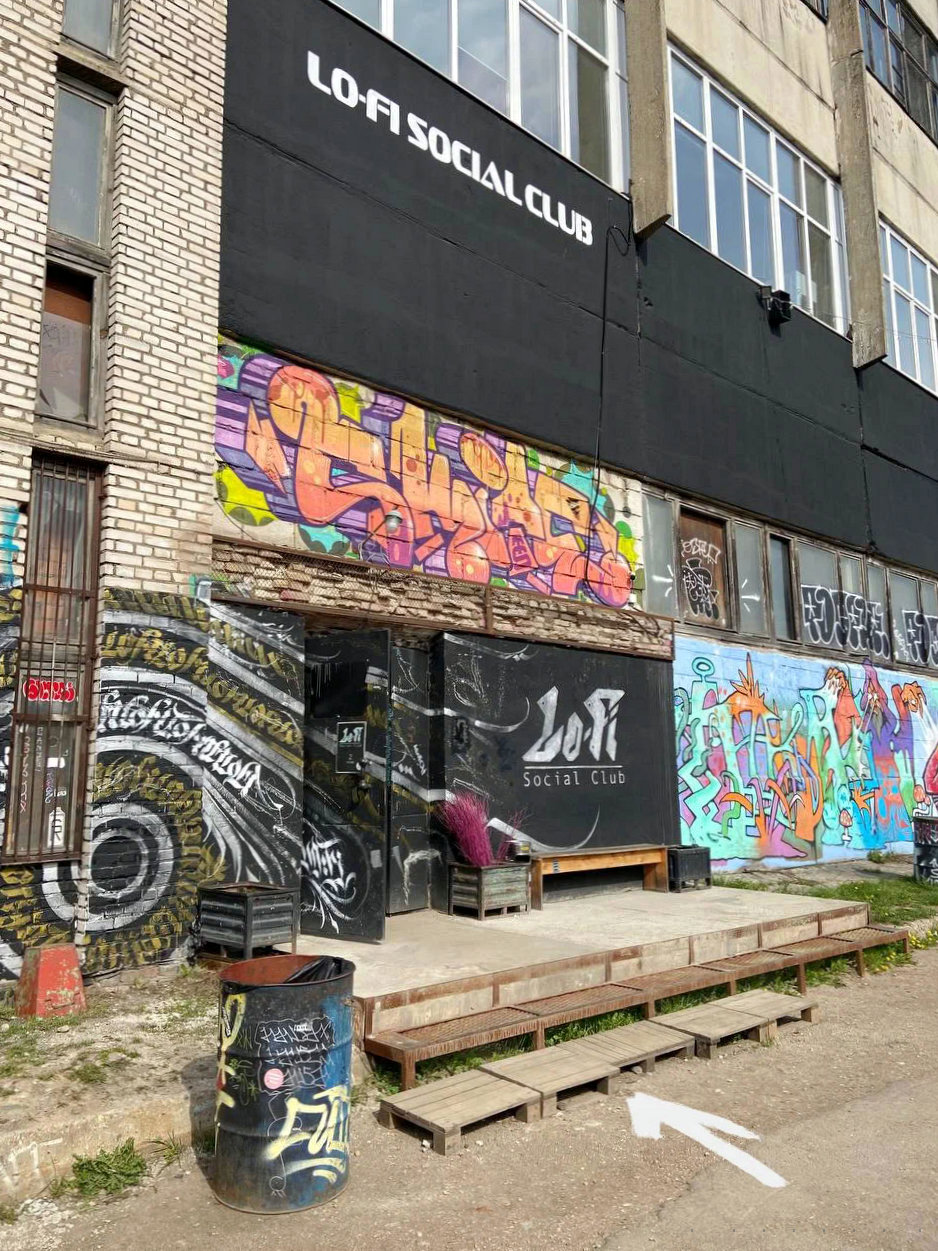
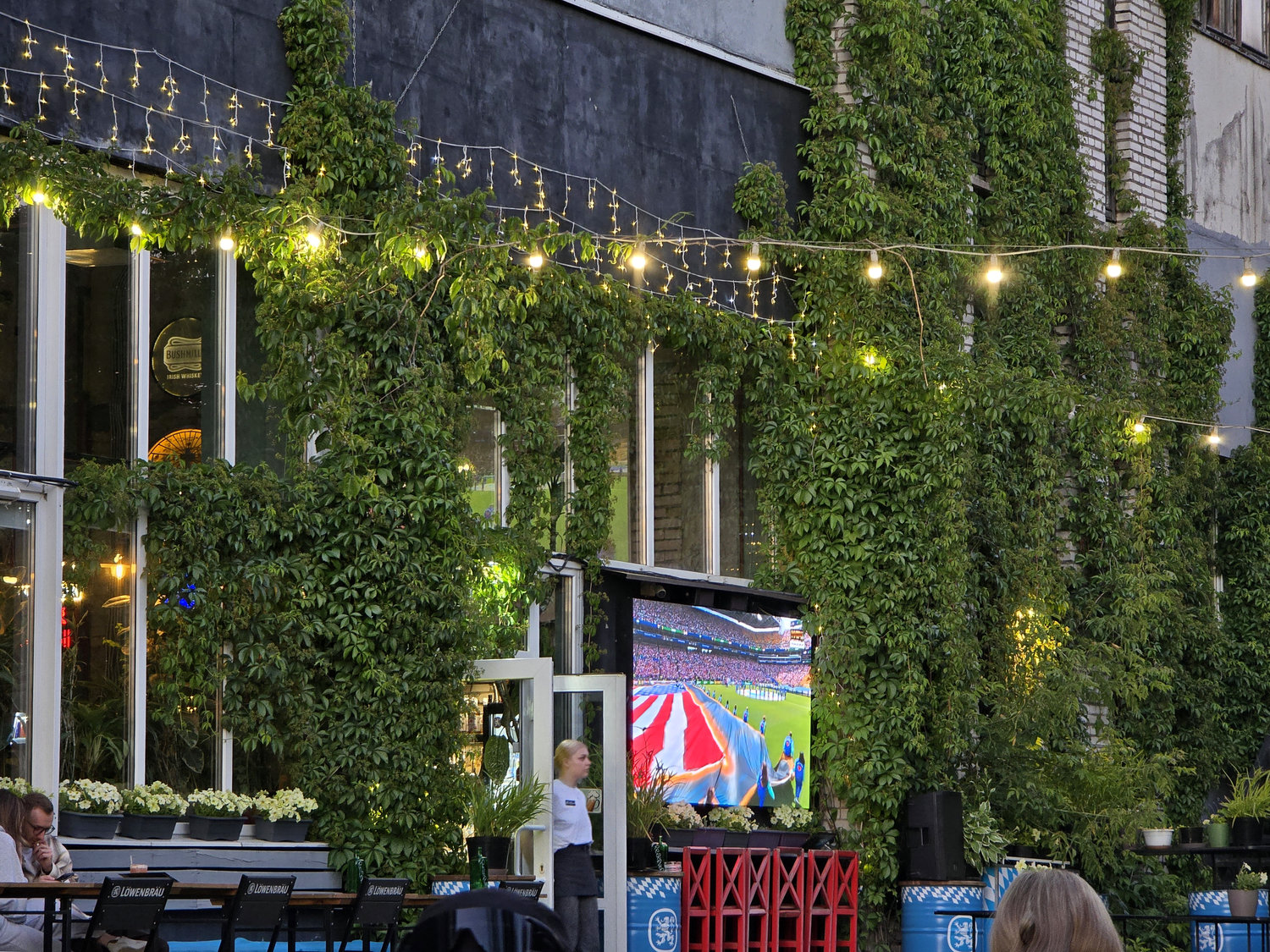
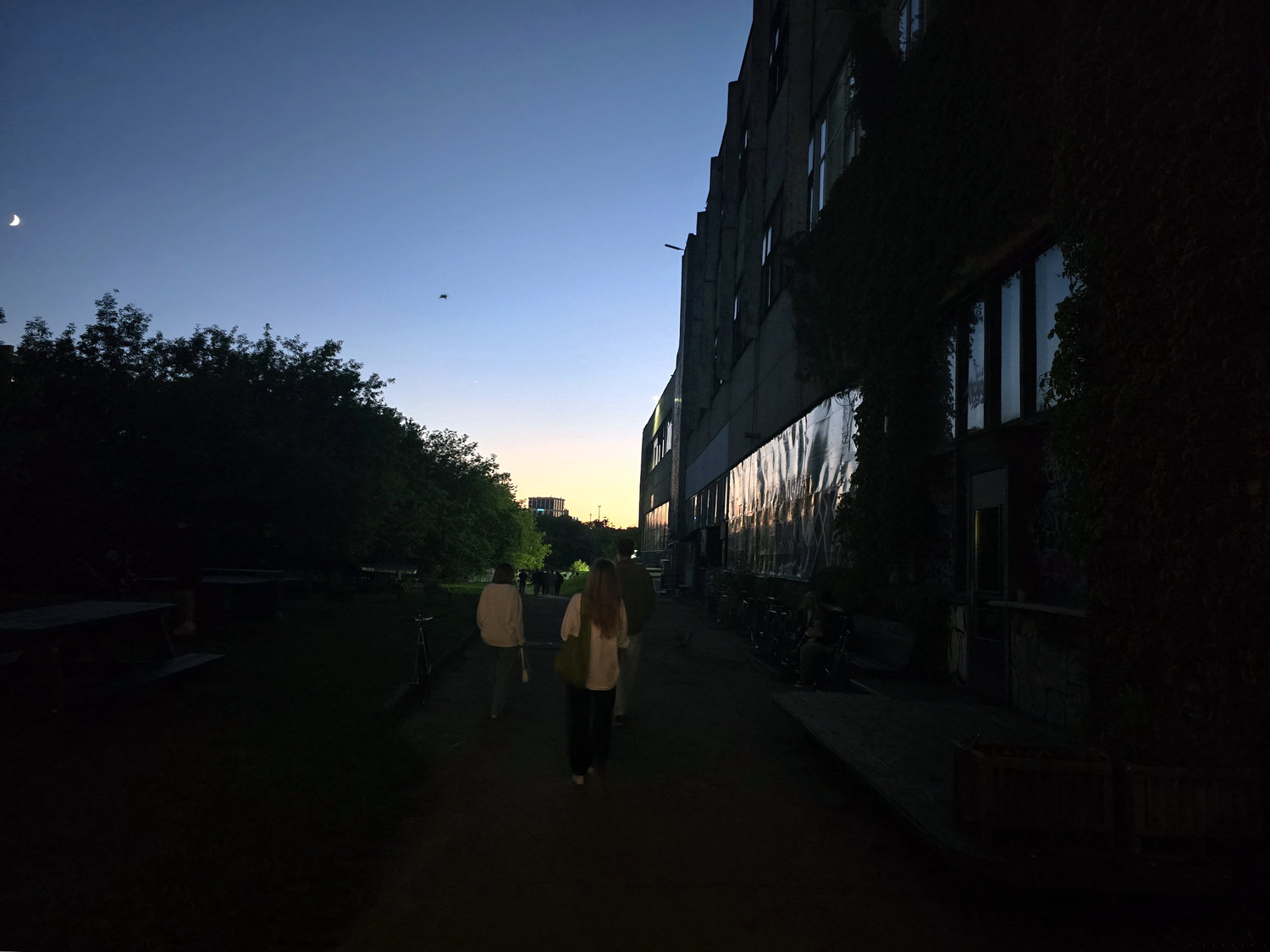
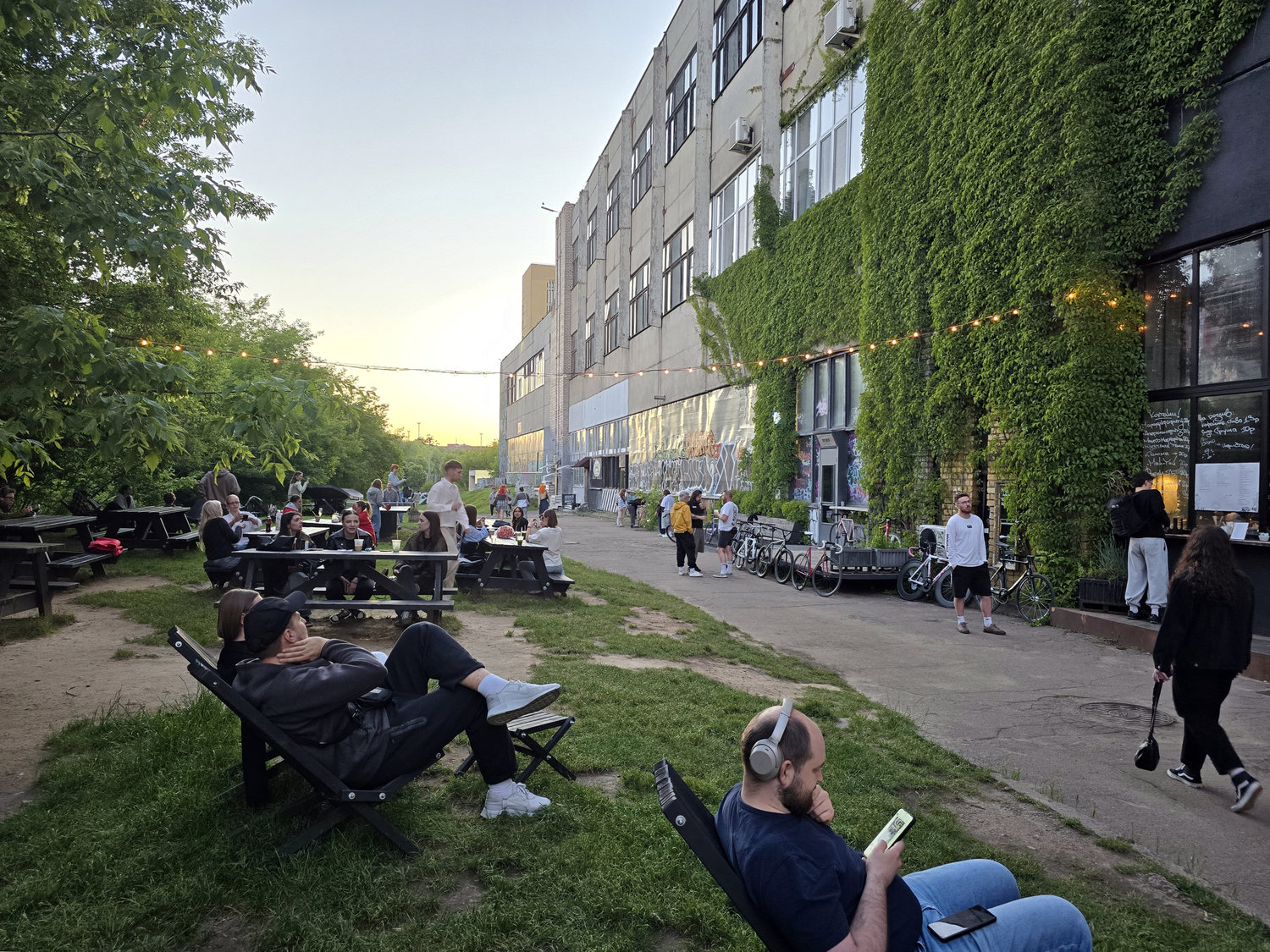
The most atmospheric part of the “Backyard,” right on the bank of the Svislach River.
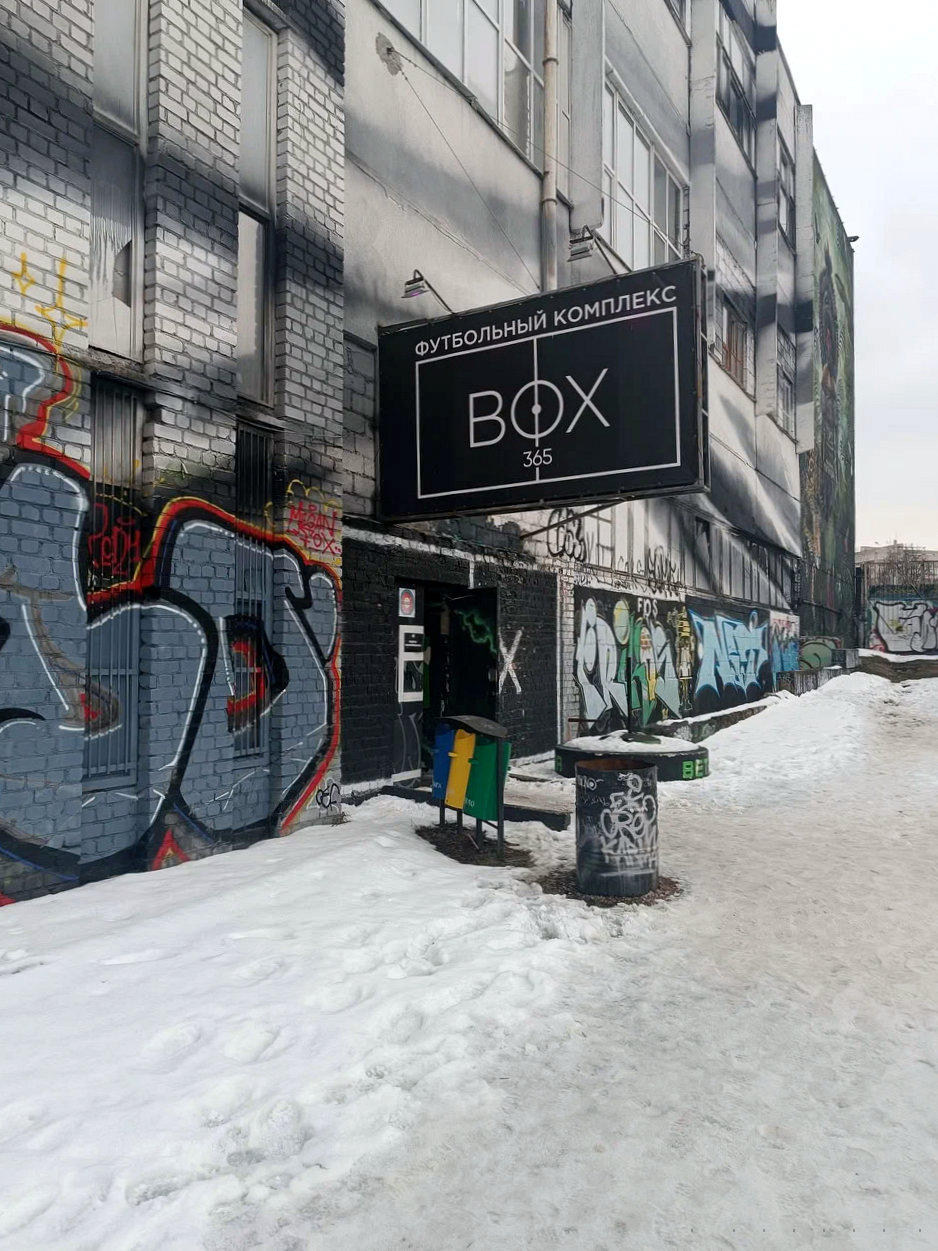
Everyone knows Oktyabrskaya Street for its huge graffiti murals, but we are going further – into its legendary “Backyard” and down to the Svislach River. This place is the complete opposite of the city’s glossy hotspots. There is no pretension here, just the warm, informal spirit locals love. Tourists usually photograph the murals on the façades, while we Minsk residents head for these hidden courtyards and the waterfront to truly unwind after a working week.
Picture old industrial walls, cozy strings of lights, wooden pallets instead of armchairs and a stunning, unobstructed river view. Grab a freshly poured craft drink from a local bar, pick up some excellent street food – from juicy burgers to Asian wok dishes – and simply watch the sunset over the water.
The real highlights are the summer terraces right on the Svislach riverbank. The atmosphere is fantastic: laid-back music, a creative crowd, people playing Jenga or chatting about nothing in particular. This is the heart of free-spirited, lively Minsk, enjoyed equally by visitors and locals.
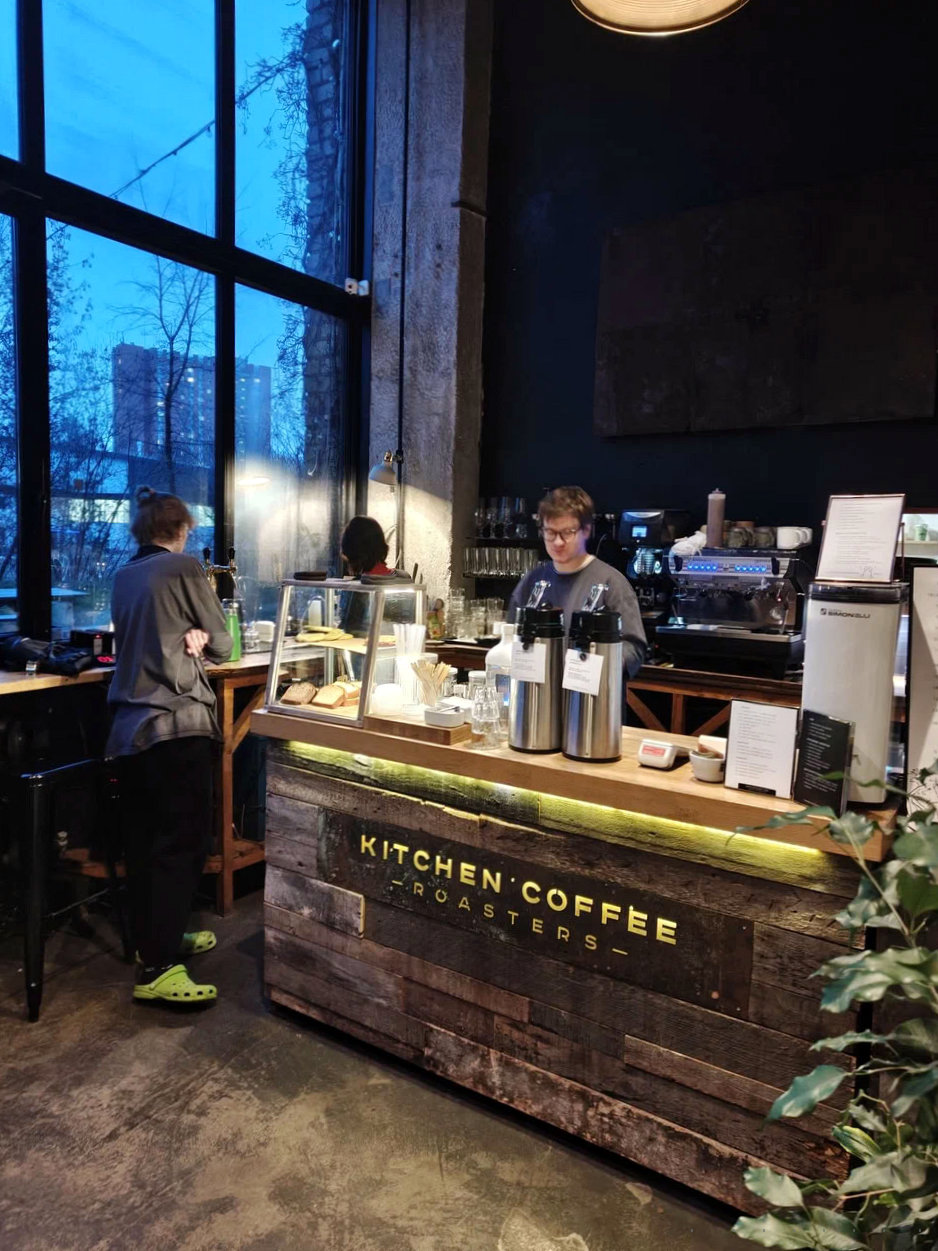
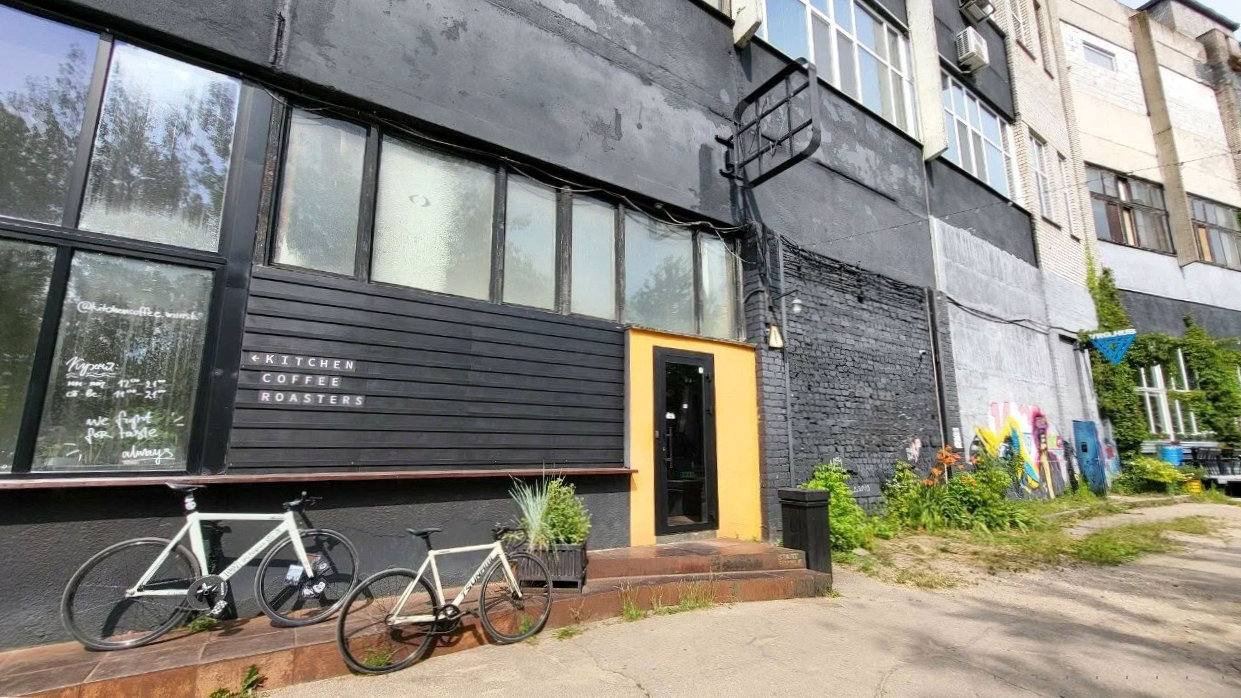
- Kitchen Coffee Roasters
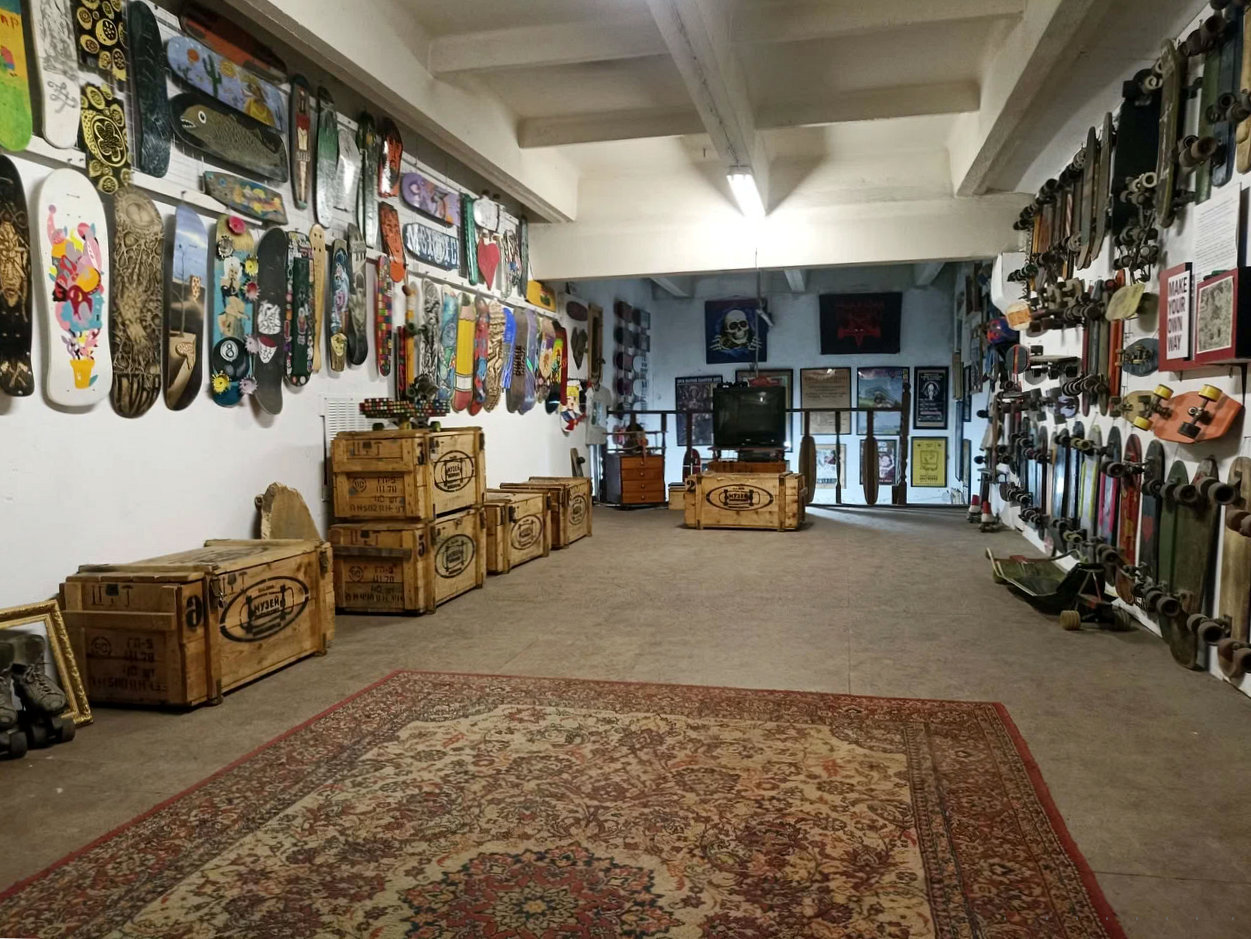
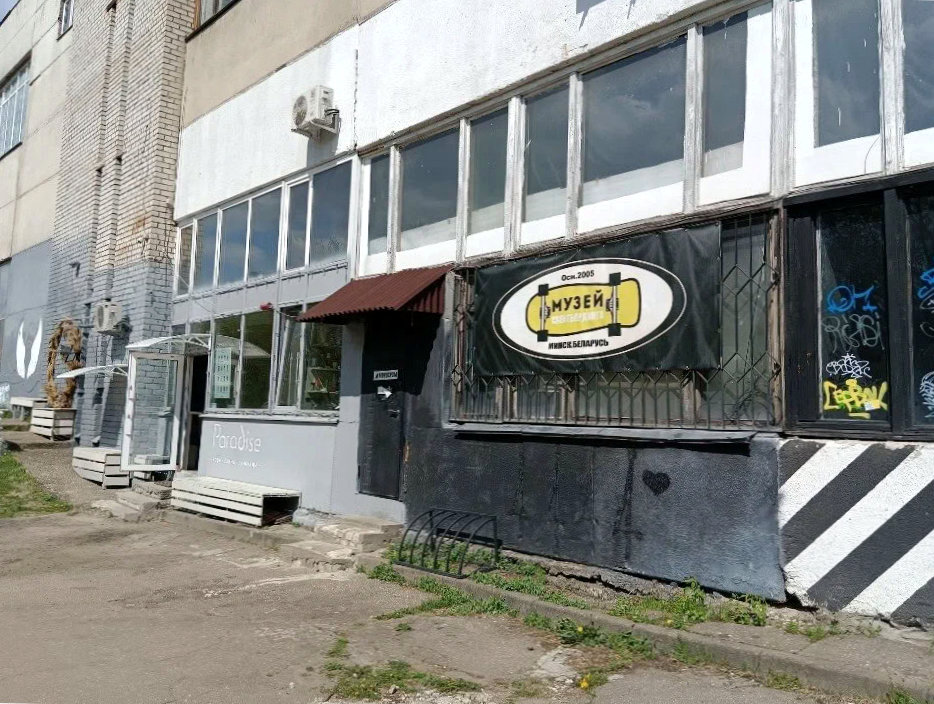
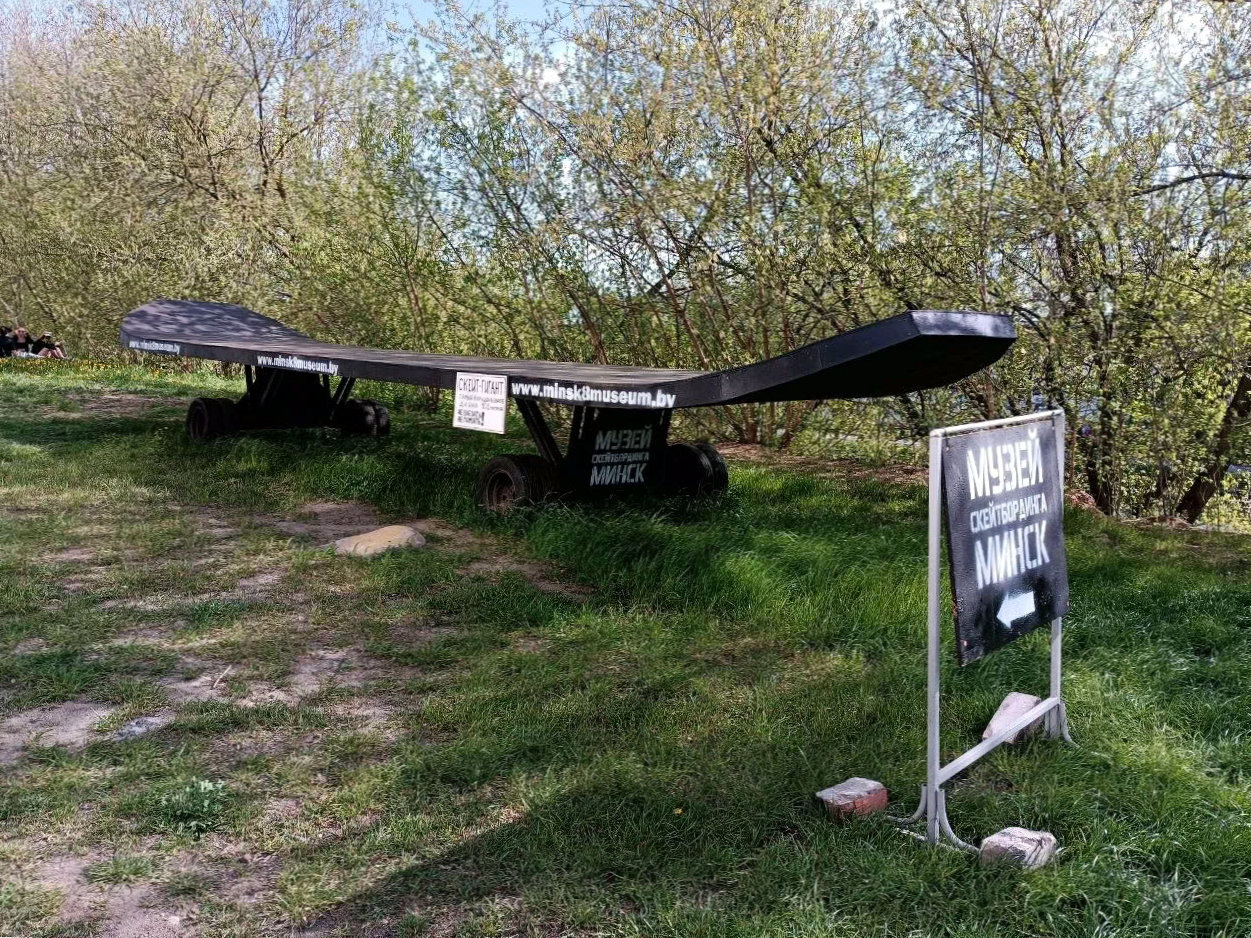
- Skateboarding Museum
- BackDoor Bar
- “Merlin’s Beard” Board Game and Role-Playing Club (BoardGameLab)
A Cascade of Dams and Minsk’s Switzerland: Waterfalls and a Bridge in Drozdy Park
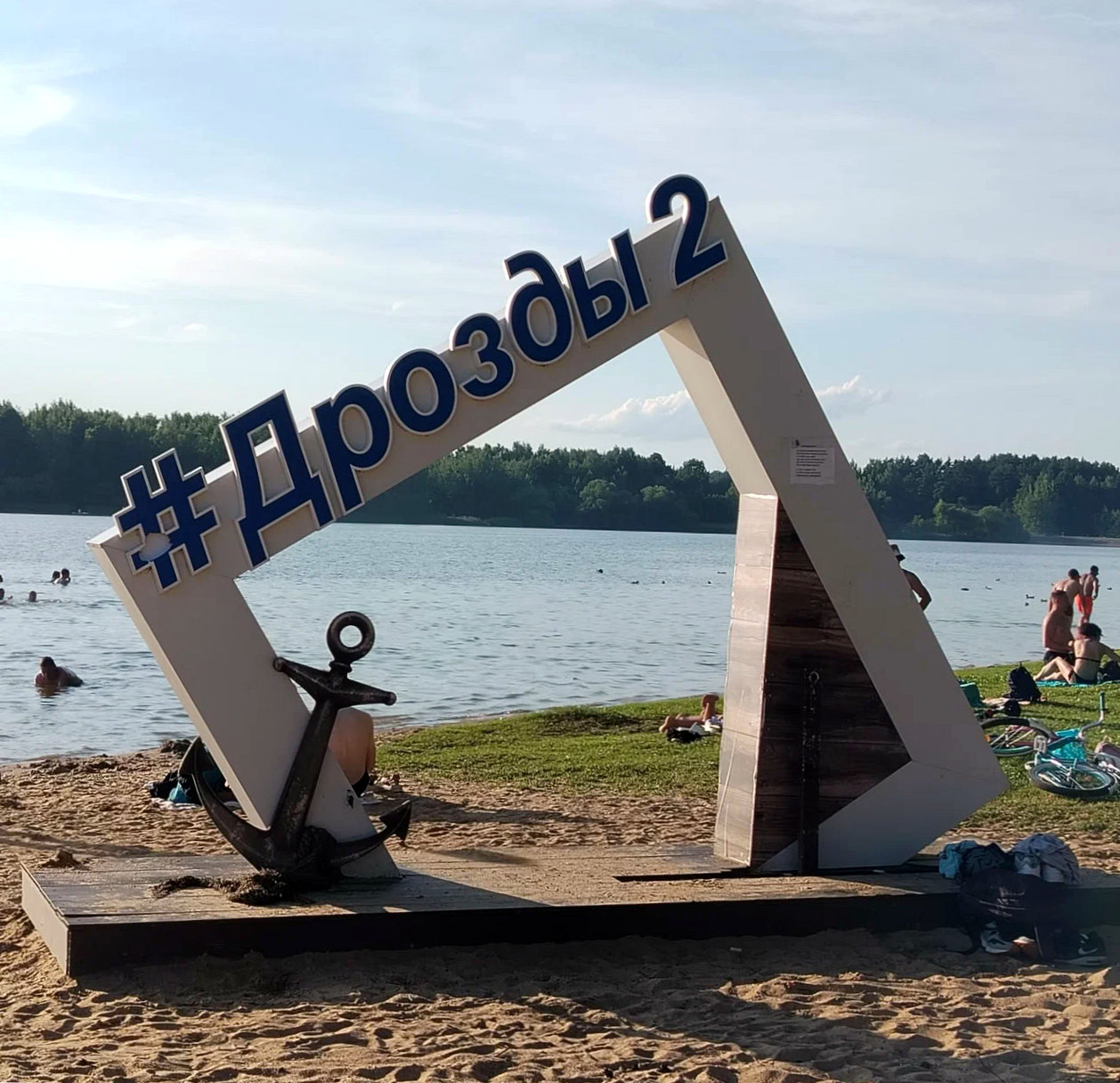
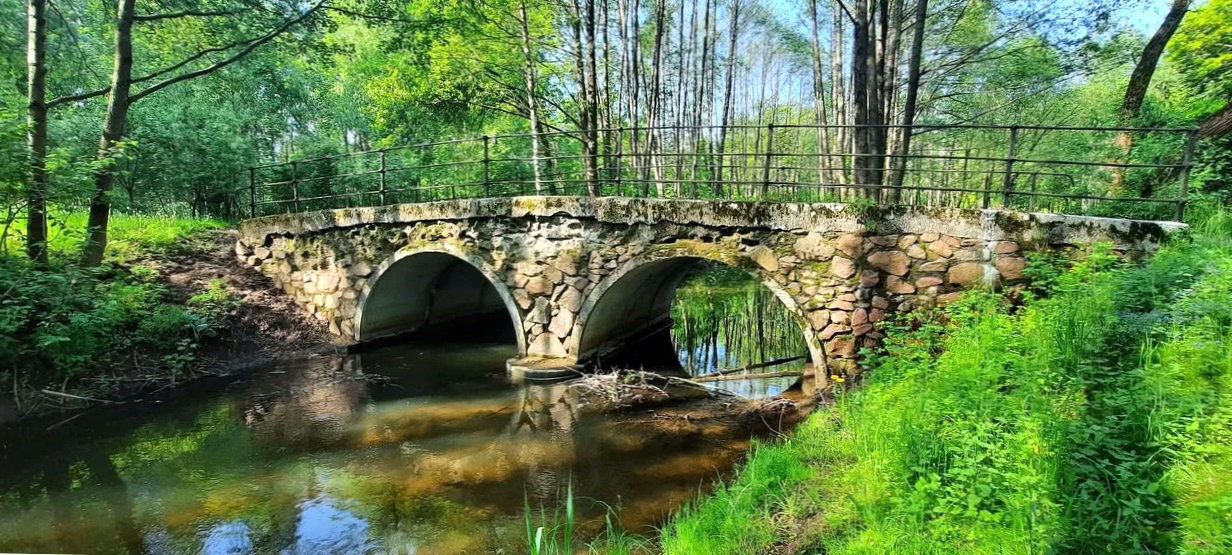
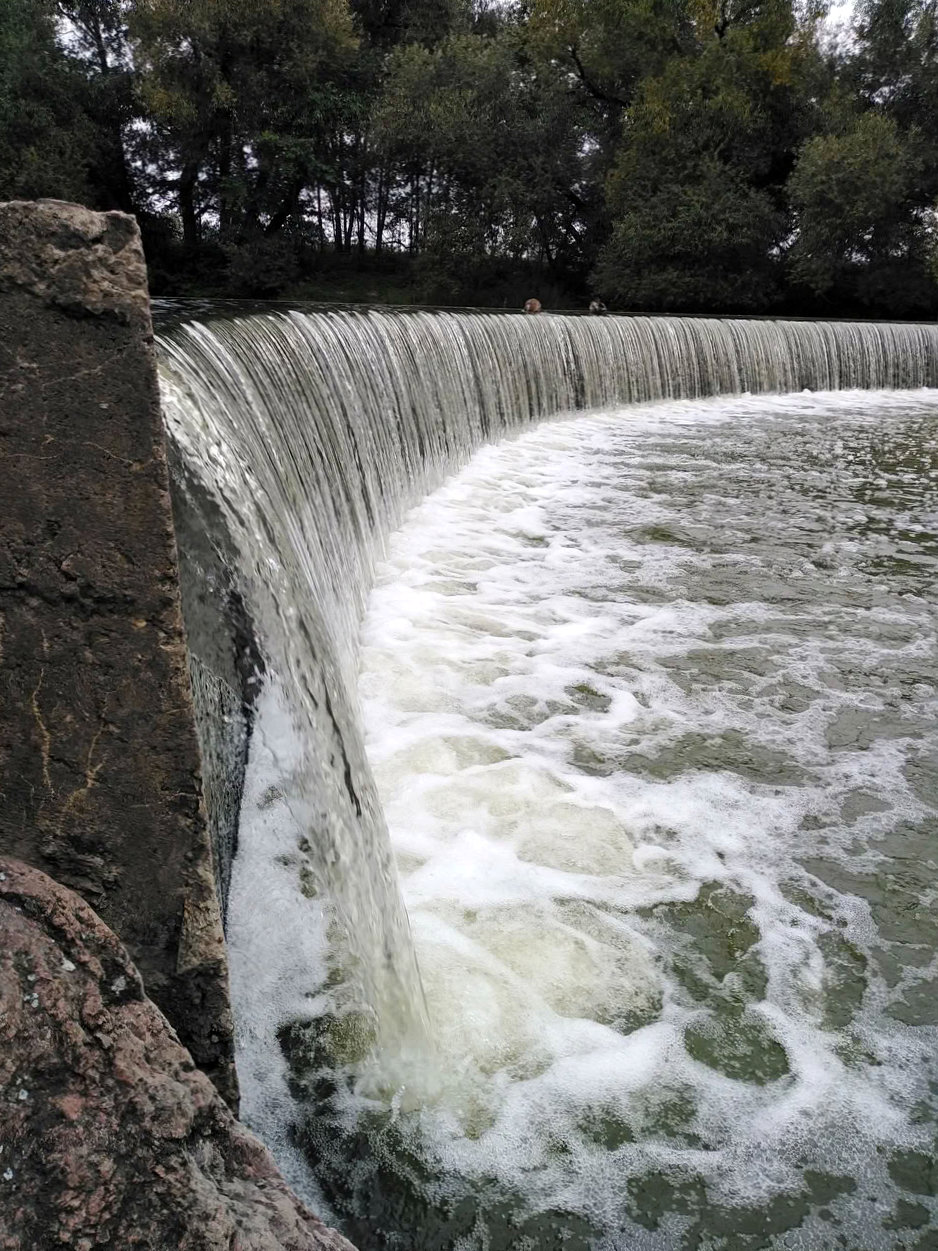
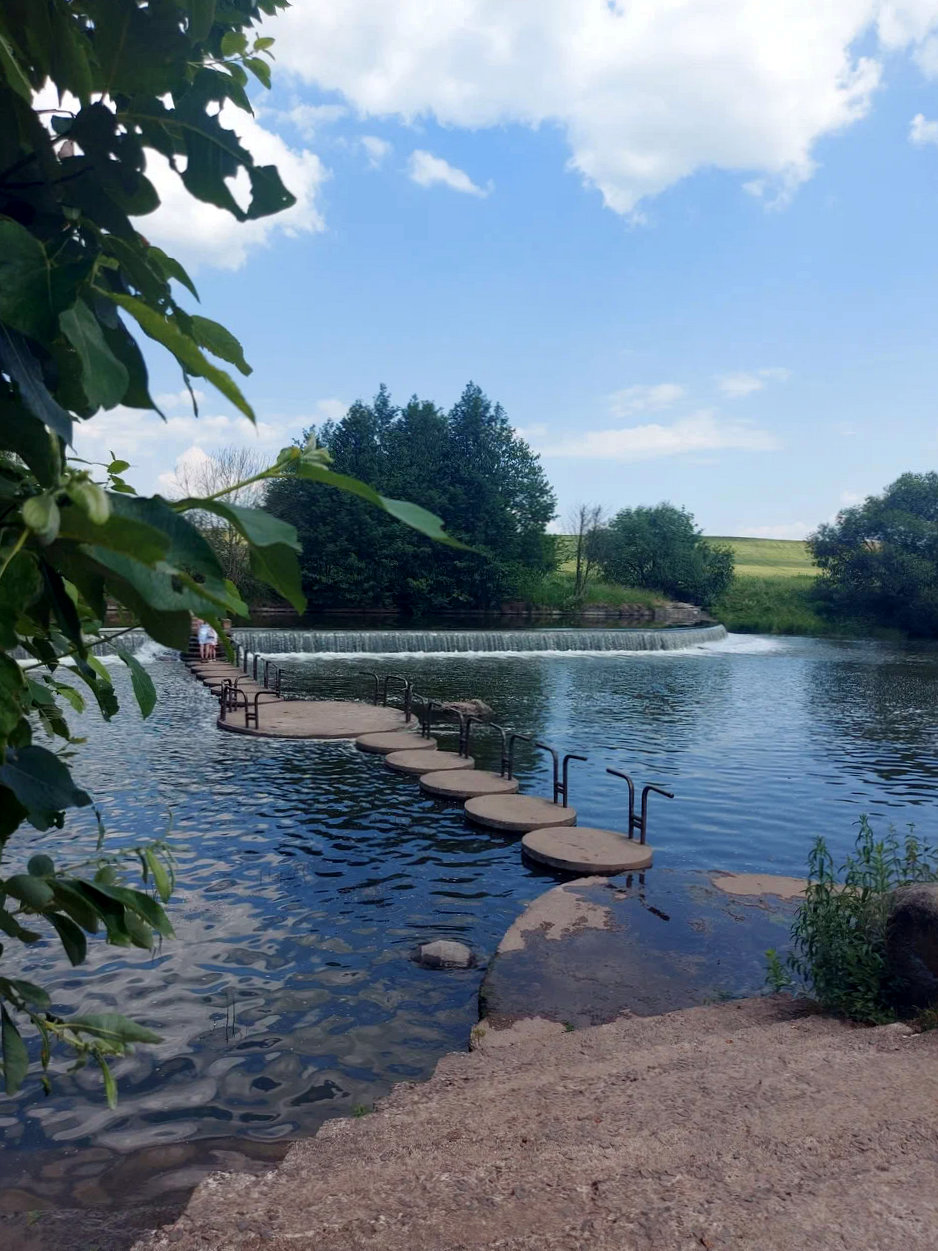
Forget the urban jungle for a while – welcome to the real “Minsk Switzerland.”
Drozdy Park is far more than another green space. It is somewhere time slows down and the bustle of the city fades away beyond the pines.
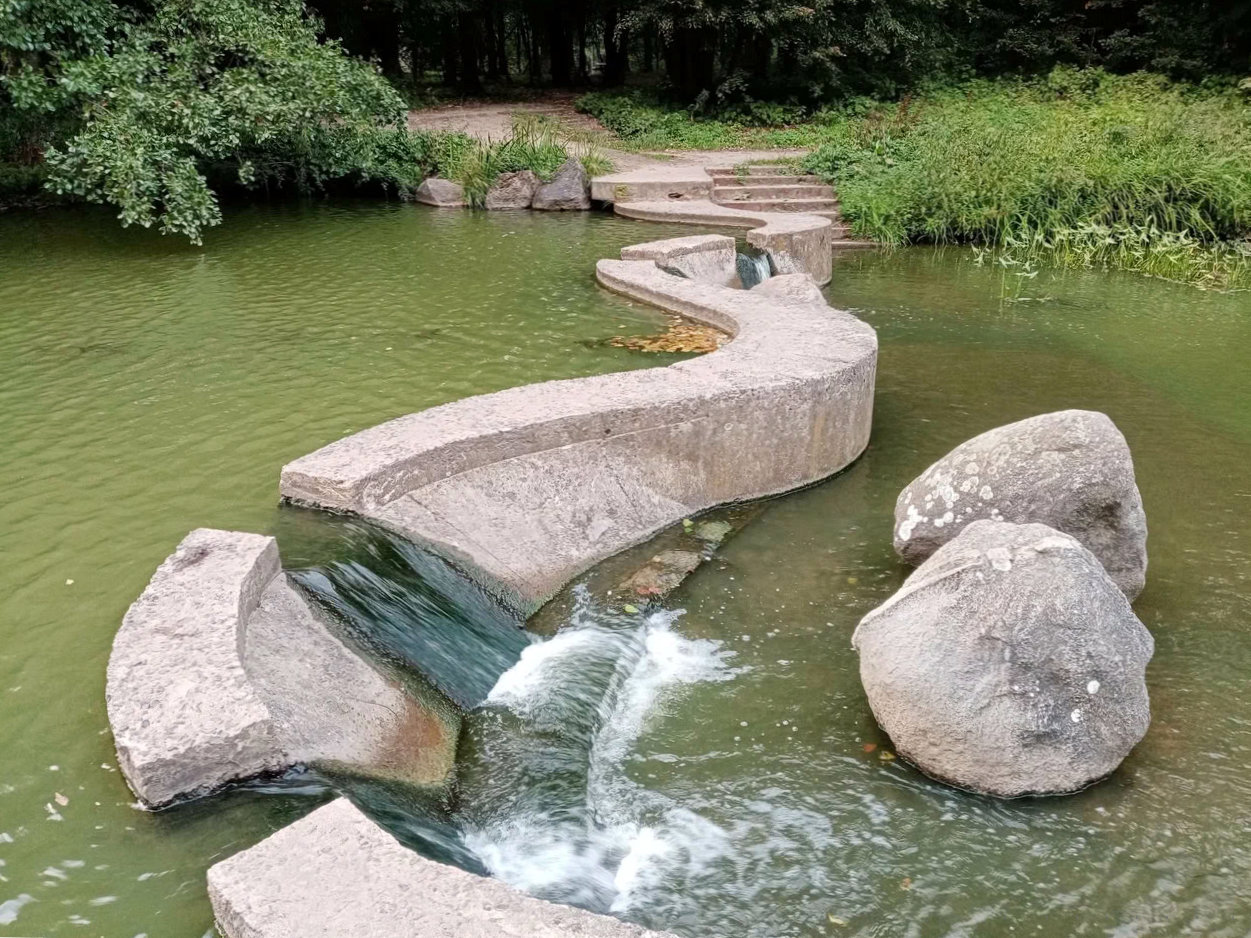
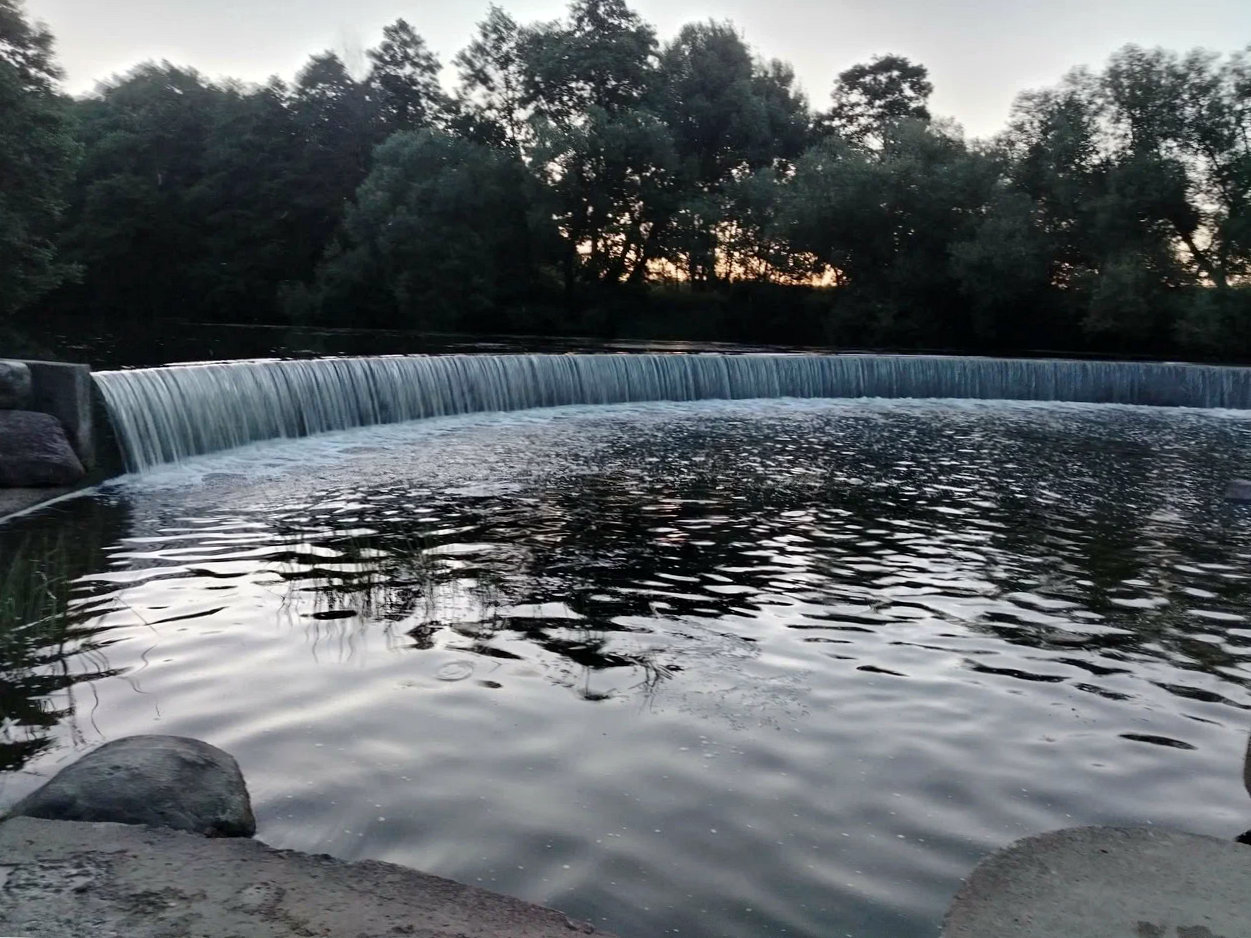
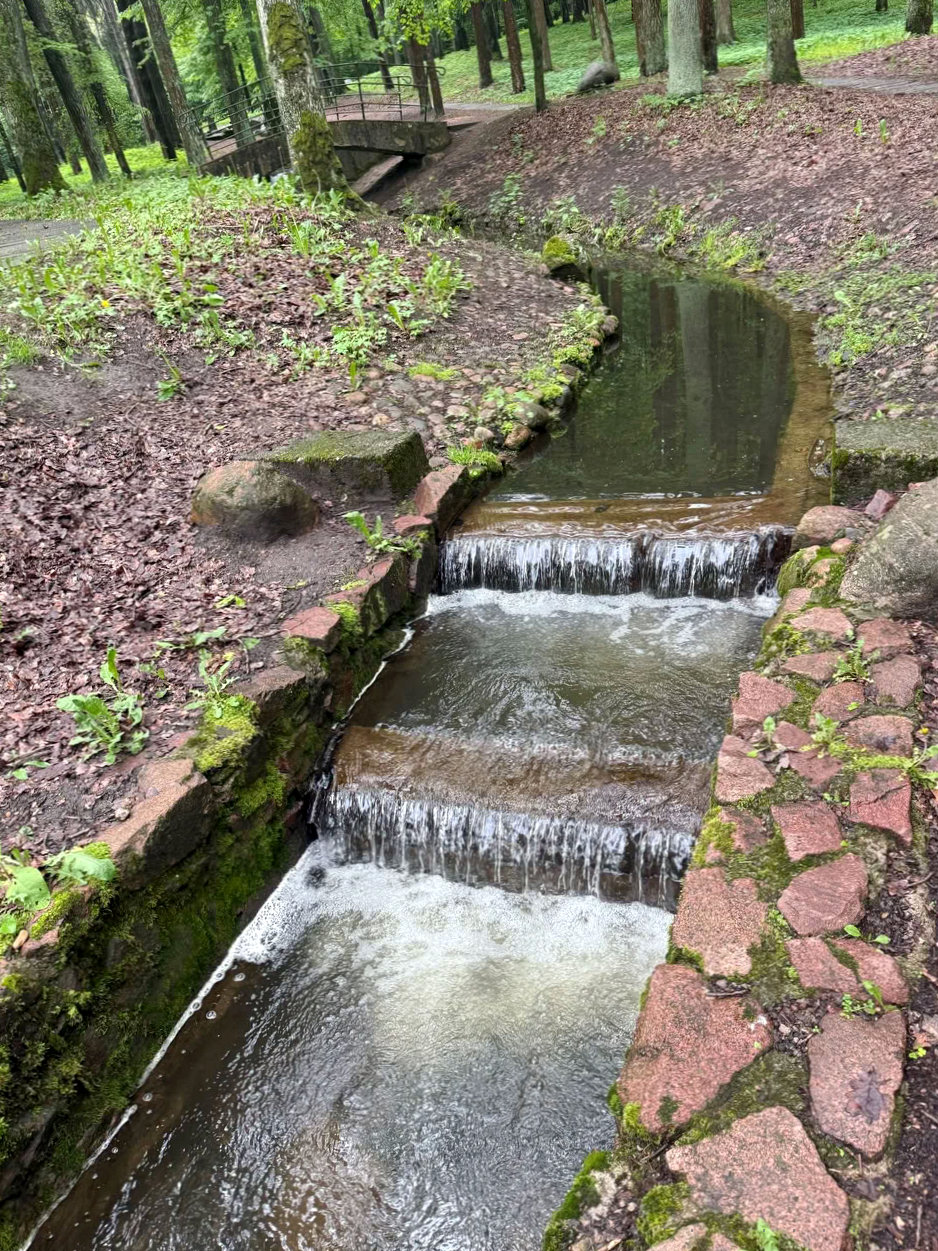
Imagine walking along a path when suddenly a cascade of seven dams and waterfalls appears before you. Yes, right inside Minsk! Water rushes and sprays, ancient trees surround you, and only birdsong breaks the silence.
The most magical spot is the old bridge across the Svislach. Standing on it and looking down at the rushing water, you could almost believe you were in the Alps rather than fifteen minutes from the city center. The dams create amazing swirls of water, shifting from soft turquoise to emerald green. It is especially beautiful at sunset, when sunlight filters through the treetops and everything seems to glow.
This place recharges tired city dwellers. Minsk residents come here to reset: some meditate by the water, others run along the paths, and some simply sit on the bank with a book.
There is an incredible energy here – you can feel stress melting away and your thoughts becoming clear again.
Love exploring the city on foot? Try a quest where the streets of Minsk become the exhibits
City quests Walker – story-driven walks through Minsk with puzzles and challenges right on your phone. Choose a route, arrive at the starting point and explore at your own pace: hunt for clues, notice architectural details, uncover urban stories and gradually make your way toward the finale.
This experience is perfect for a walk with friends or family, a date, or an unusual introduction to Minsk…
New Urbanism – The Creative Cluster
at the “Horizont” Factory
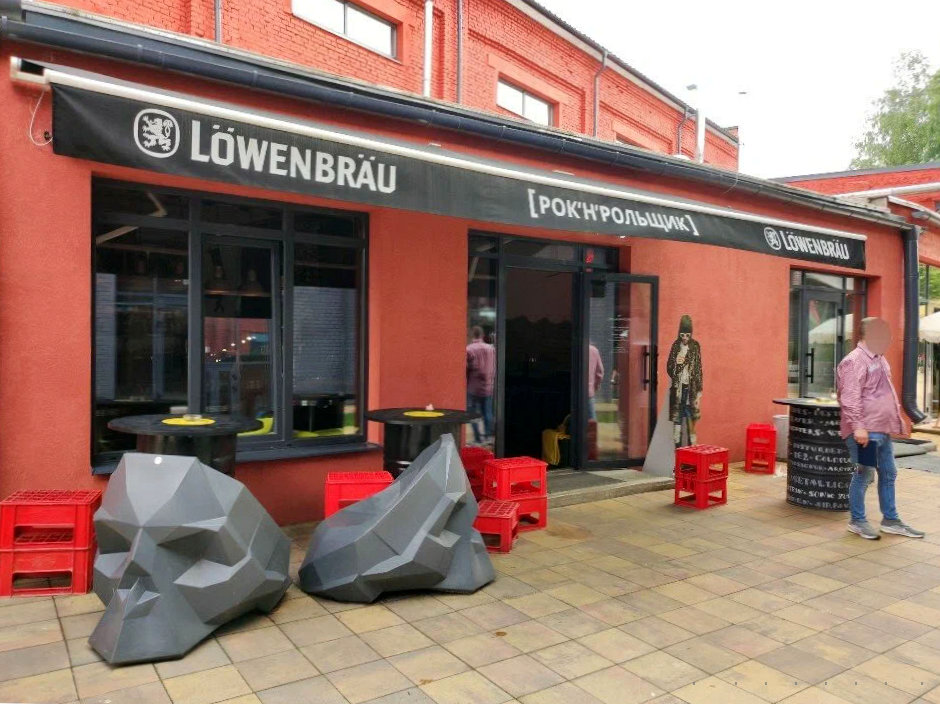
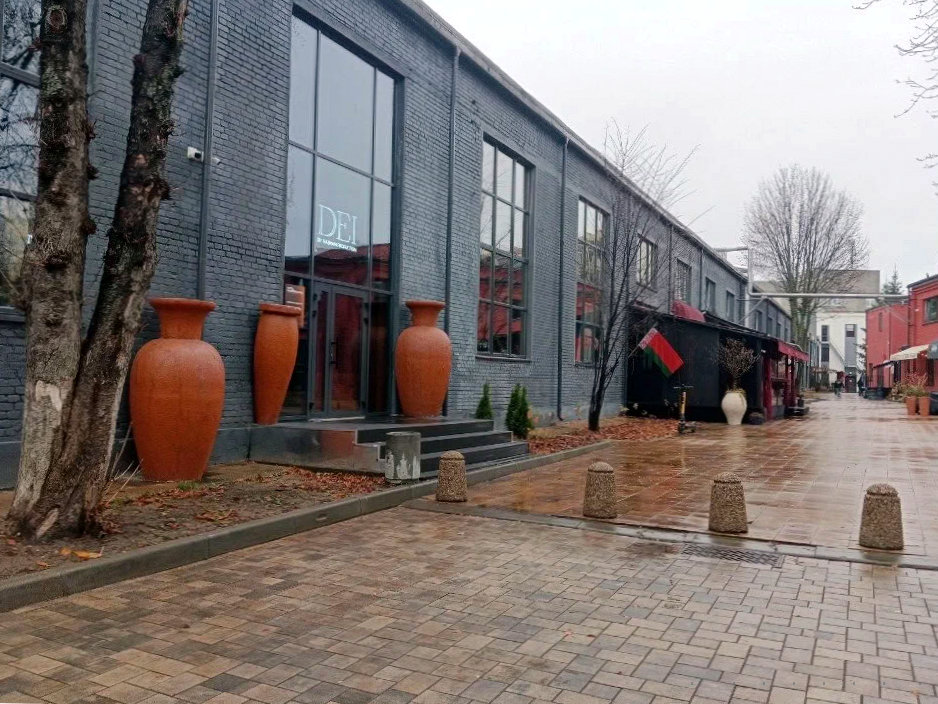
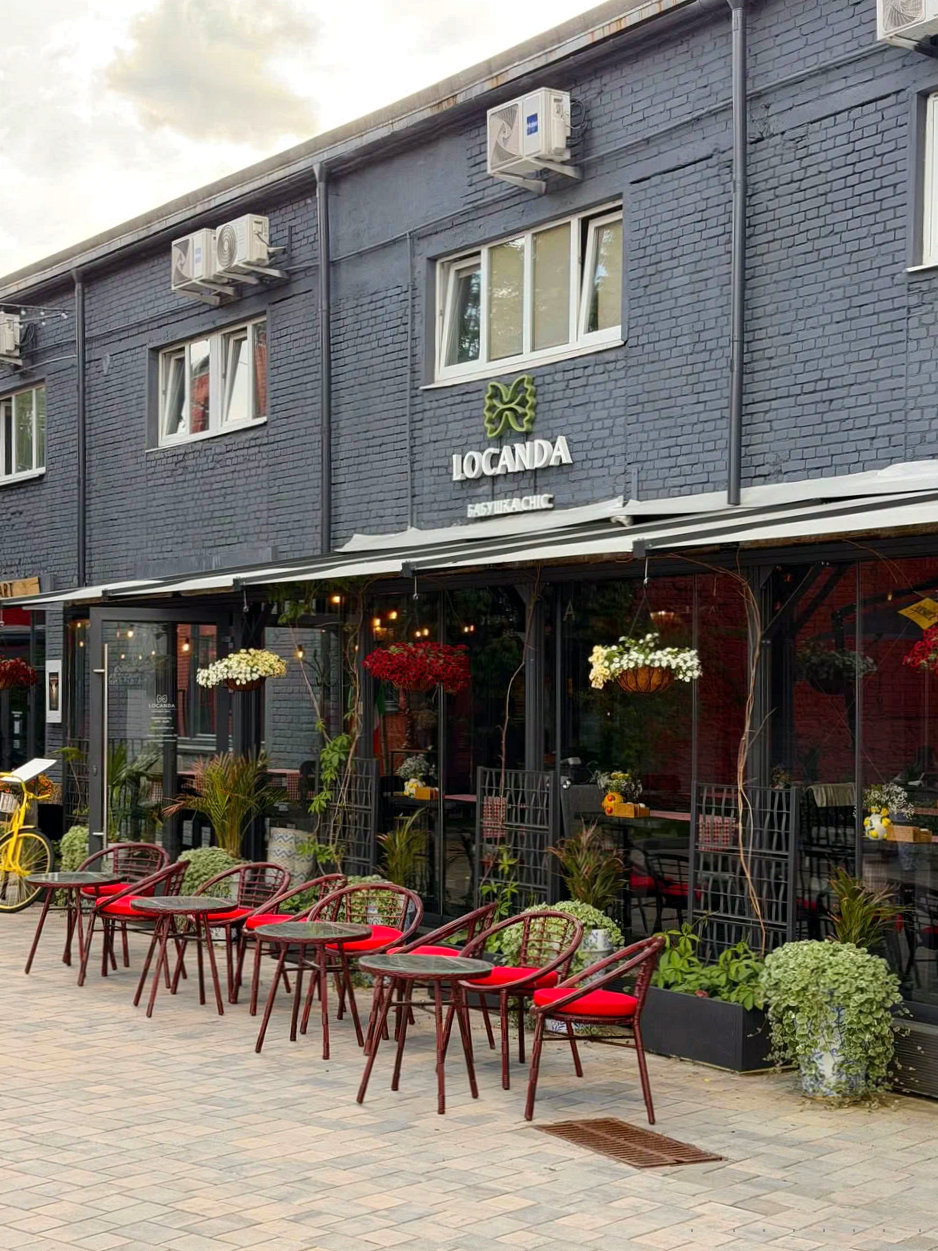
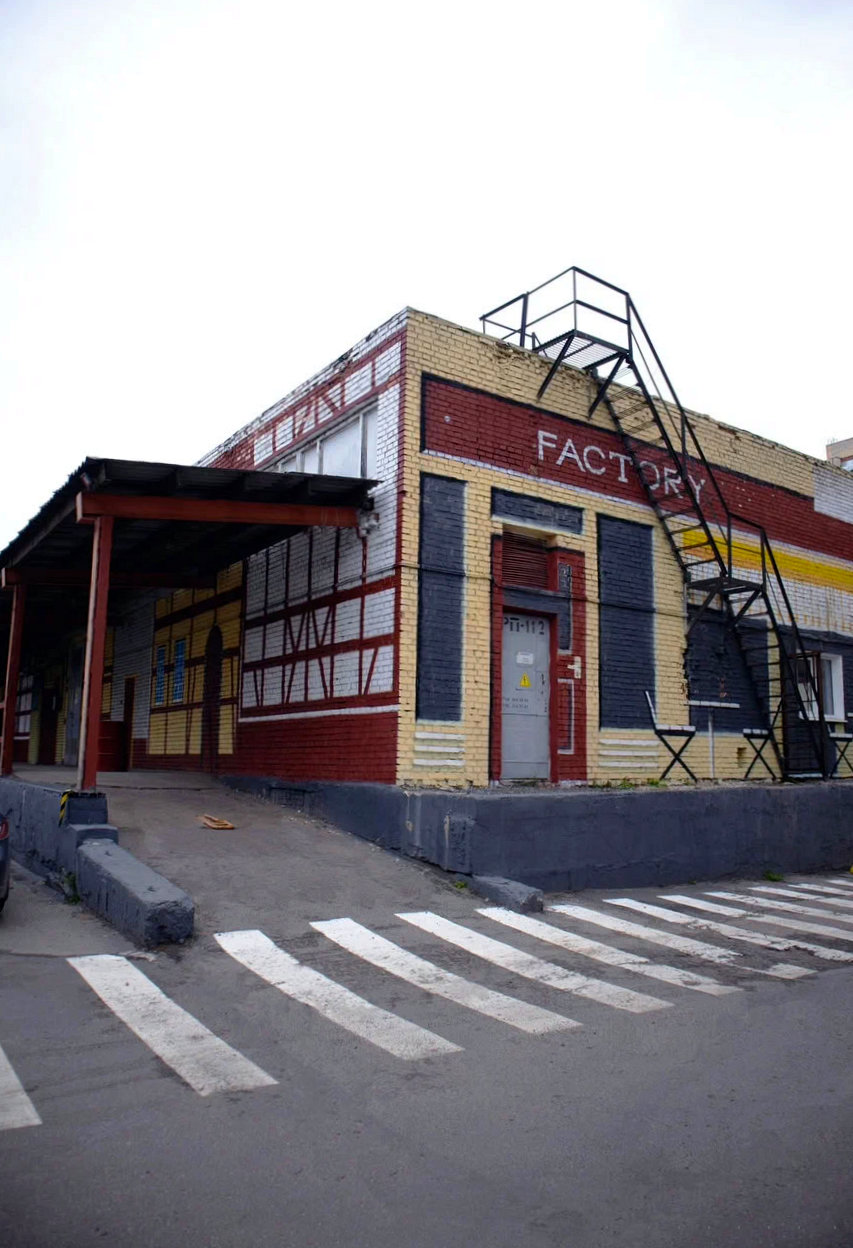
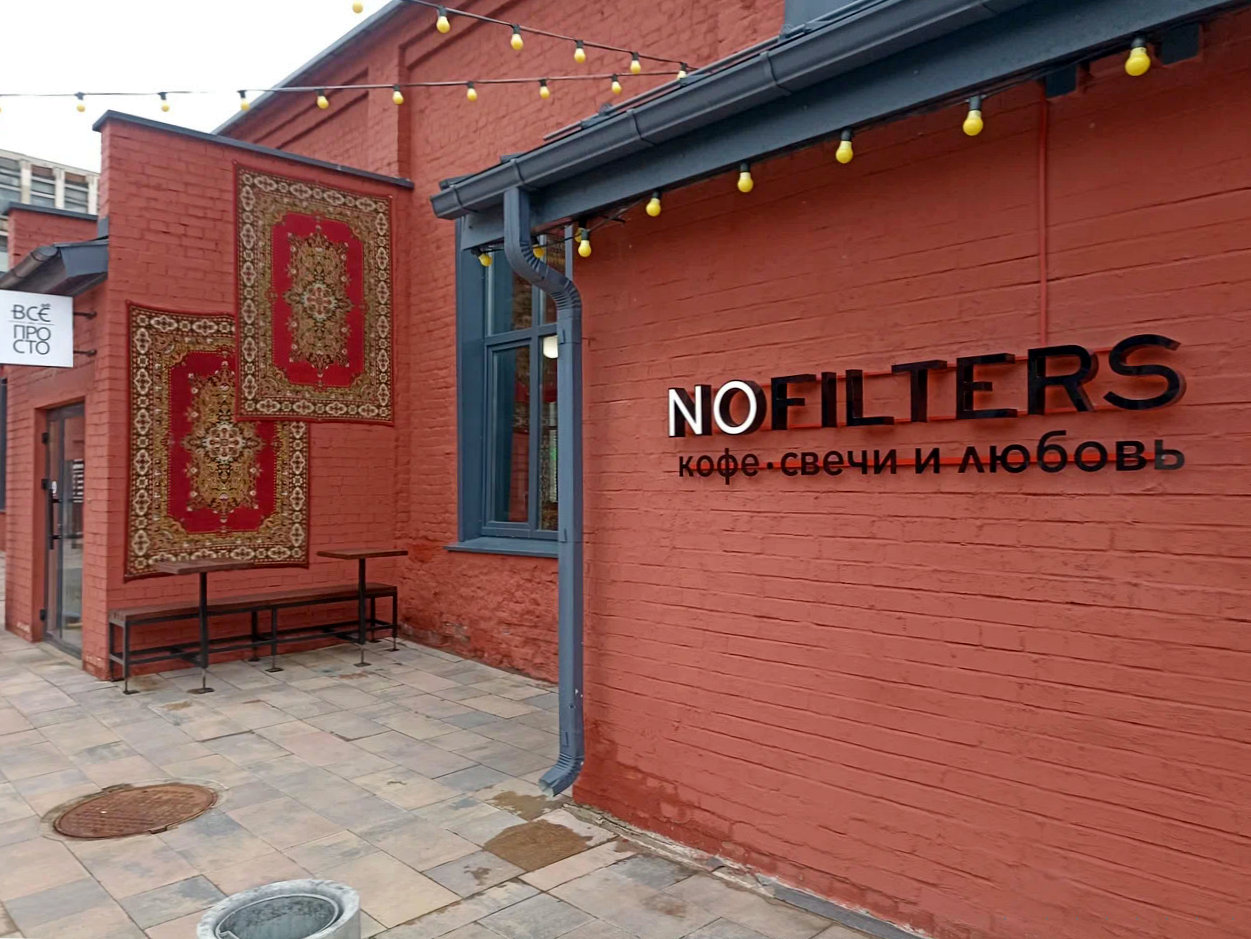
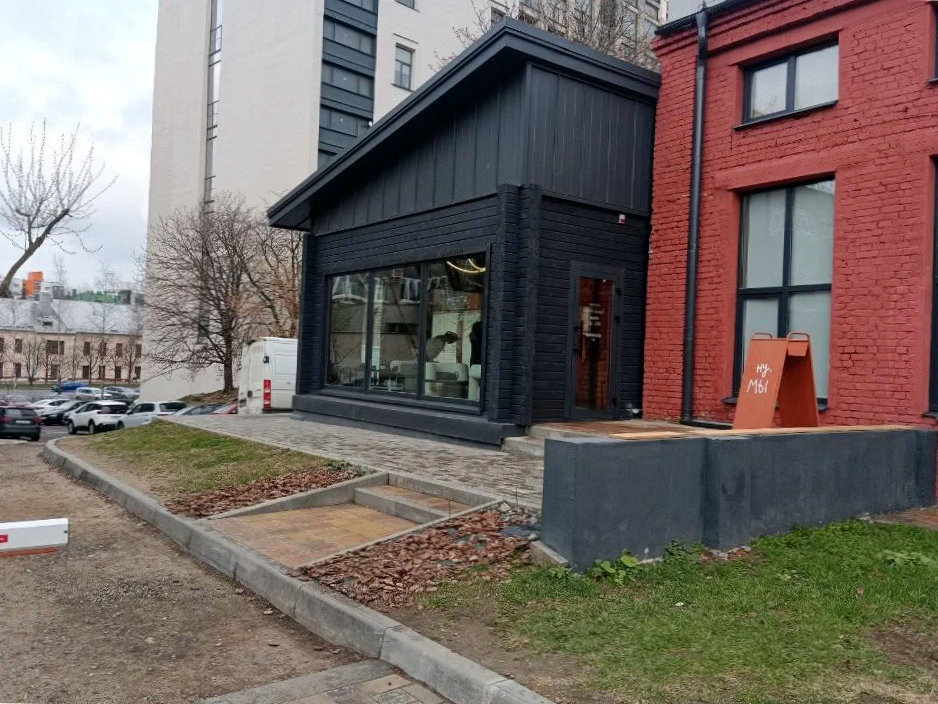
Not far from the best-known tourist routes, there is a place where Minsk’s authentic, informal city life is thriving.
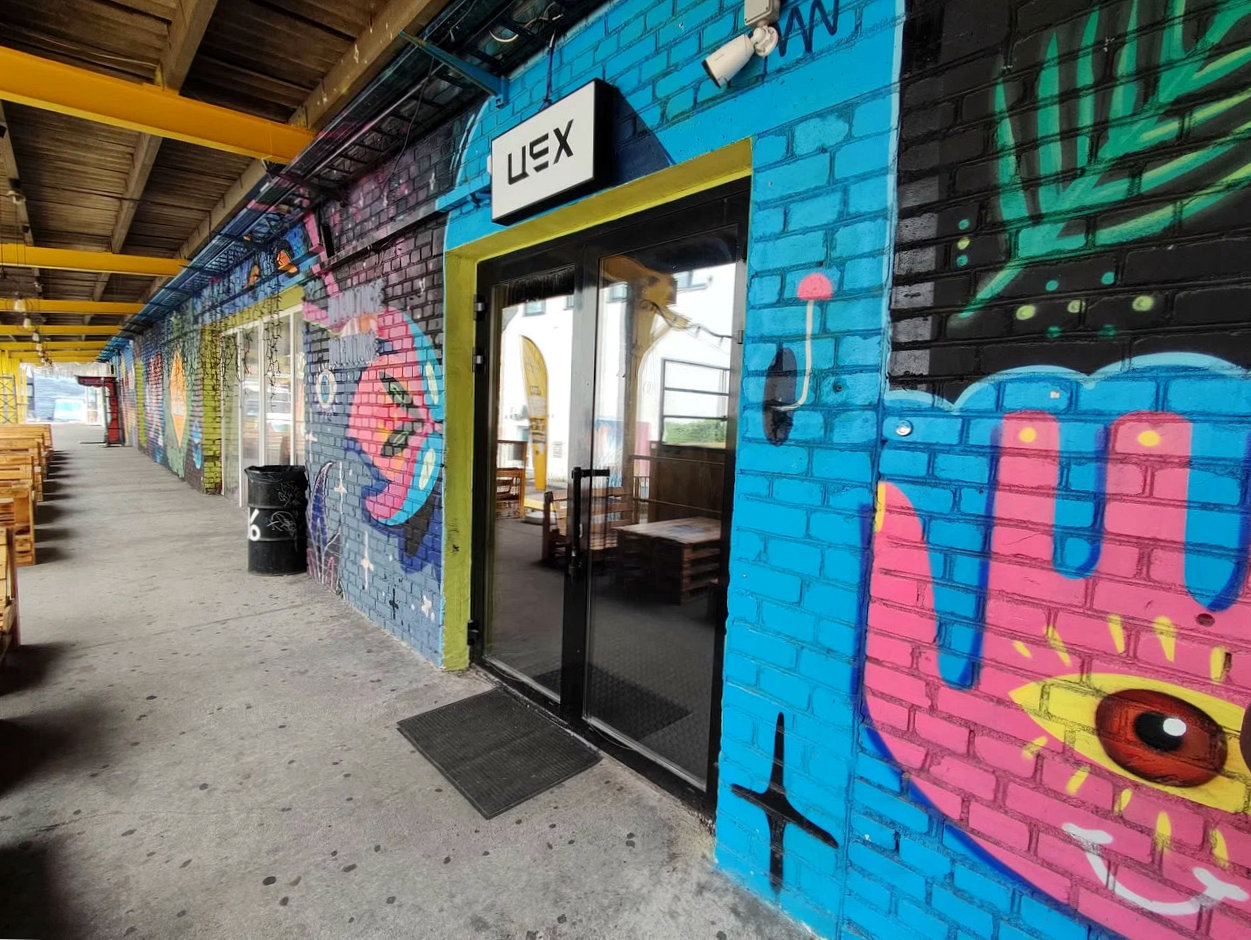
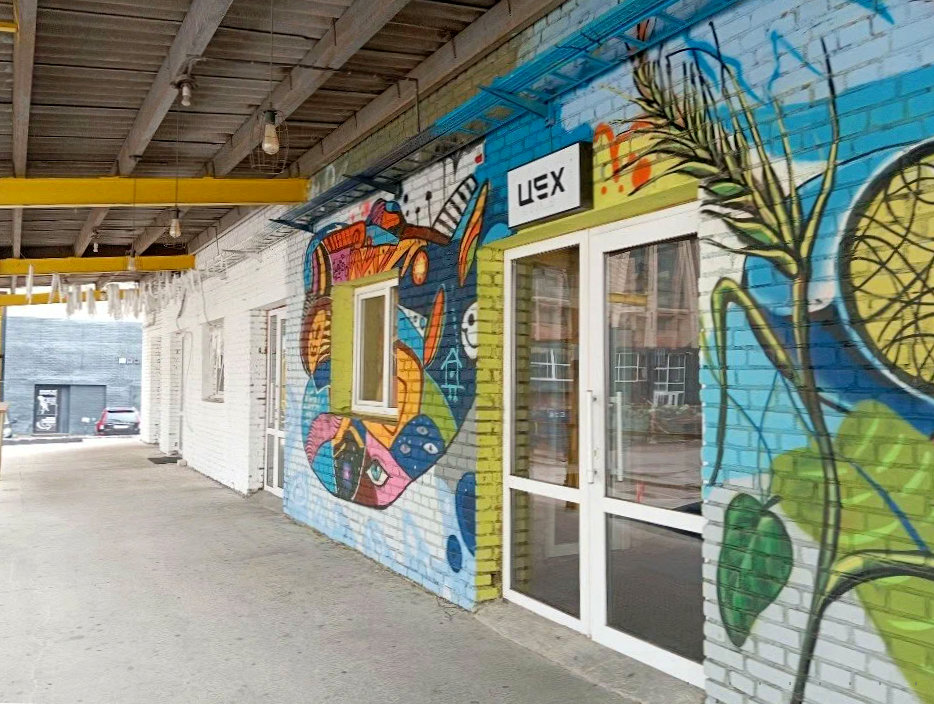
The area lies between Masherov Avenue and Kiseleva, Kuibysheva and Checherina Streets. It used to belong to the legendary “Horizont” factory. Today these are not merely old workshops, but one of Minsk’s most stylish creative clusters. Industrial chic meets contemporary art, while red brickwork, murals and graffiti create the perfect setting.
At its cultural heart stands the House of Experimental Art exhibition center. This high-ceilinged venue hosts contemporary art exhibitions, performances and music jam sessions. The atmosphere is filled with creativity and freedom! We will tell you more about it below.
If you get hungry, stop by a restaurant serving comforting home-style food with a creative twist. For something heartier, head to a ribs restaurant serving irresistible, juicy ribs.
Coffee lovers will find a whole constellation of cafés offering excellent specialty coffee, as well as cozy minimalist spaces with signature drinks.
And when darkness falls, the real fun begins. The bars range from classic spots with live music and vinyl records to craft-beer hangouts with an indie atmosphere and parties that last until morning.
What makes this district special is its intimate scale. You will not find crowds of tourists, but plenty of locals. Grab a coffee, sit on a vintage courtyard bench, listen to mellow music floating through open windows and soak up the vibe. It is an ideal place for a leisurely walk, great photos and heartfelt conversations.
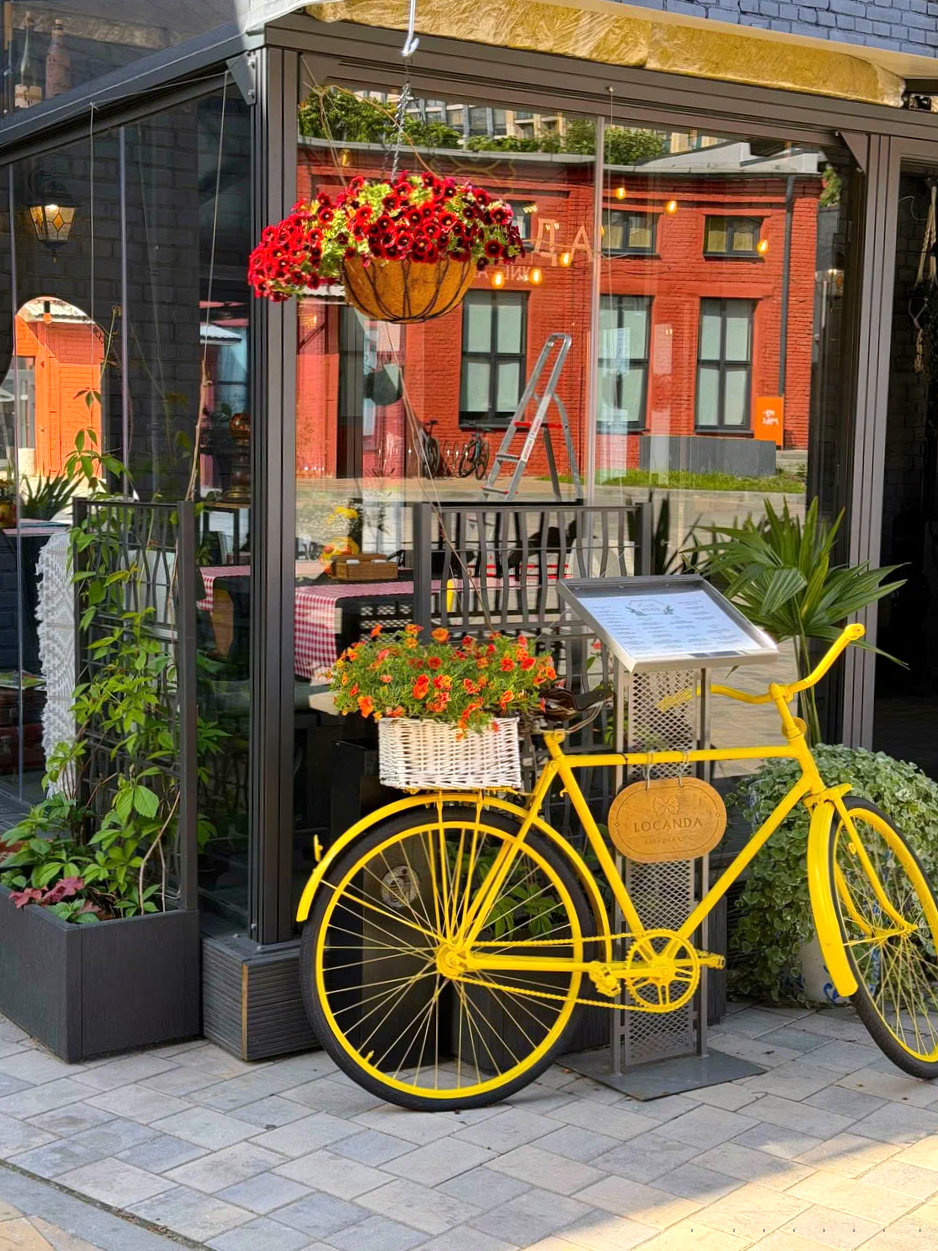
- “Locanda Babushka Chic” Restaurant
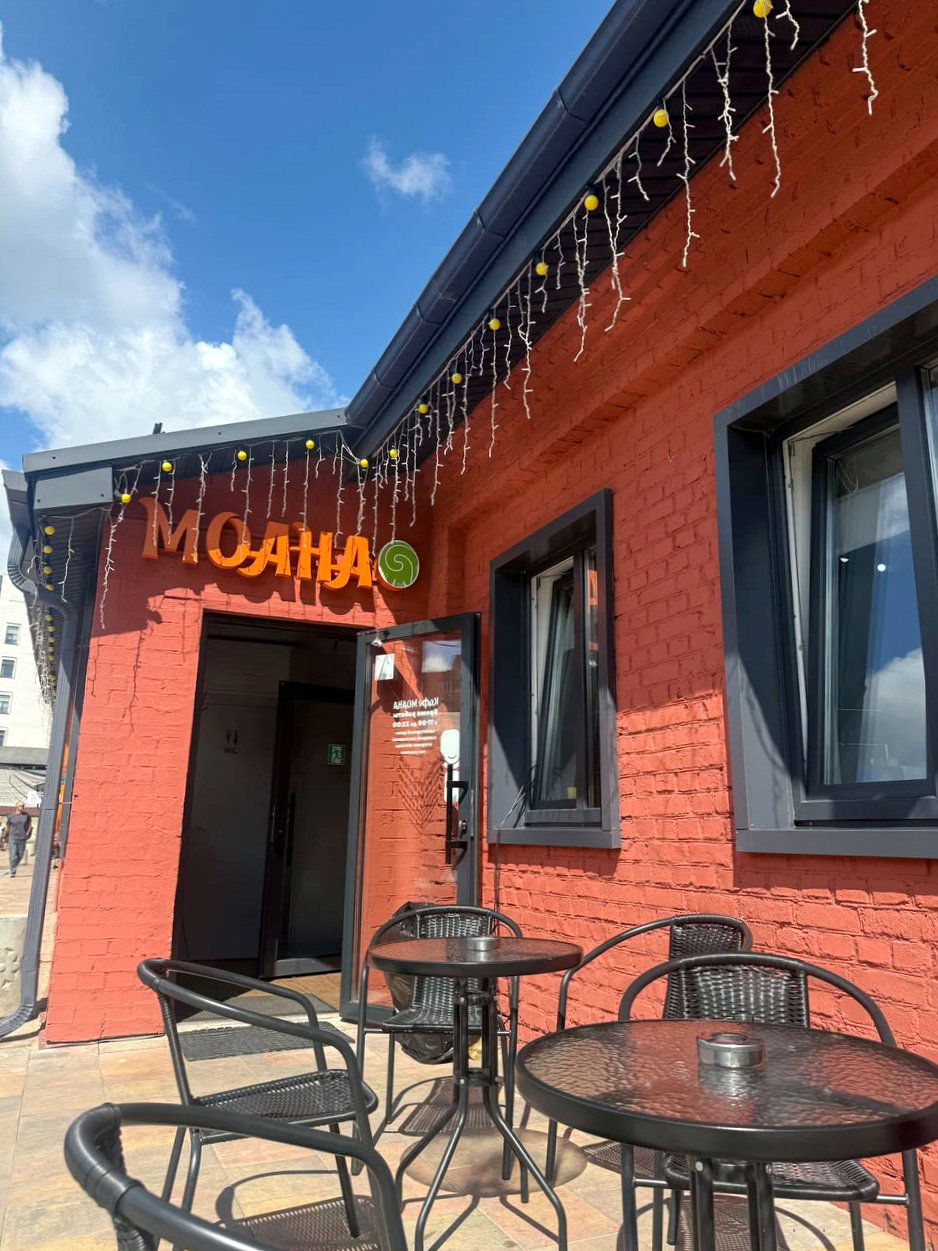
- “Moana” Ribs Restaurant
- “Nofilters” Coffee Shop
- “Chernobely” Coffee Shop
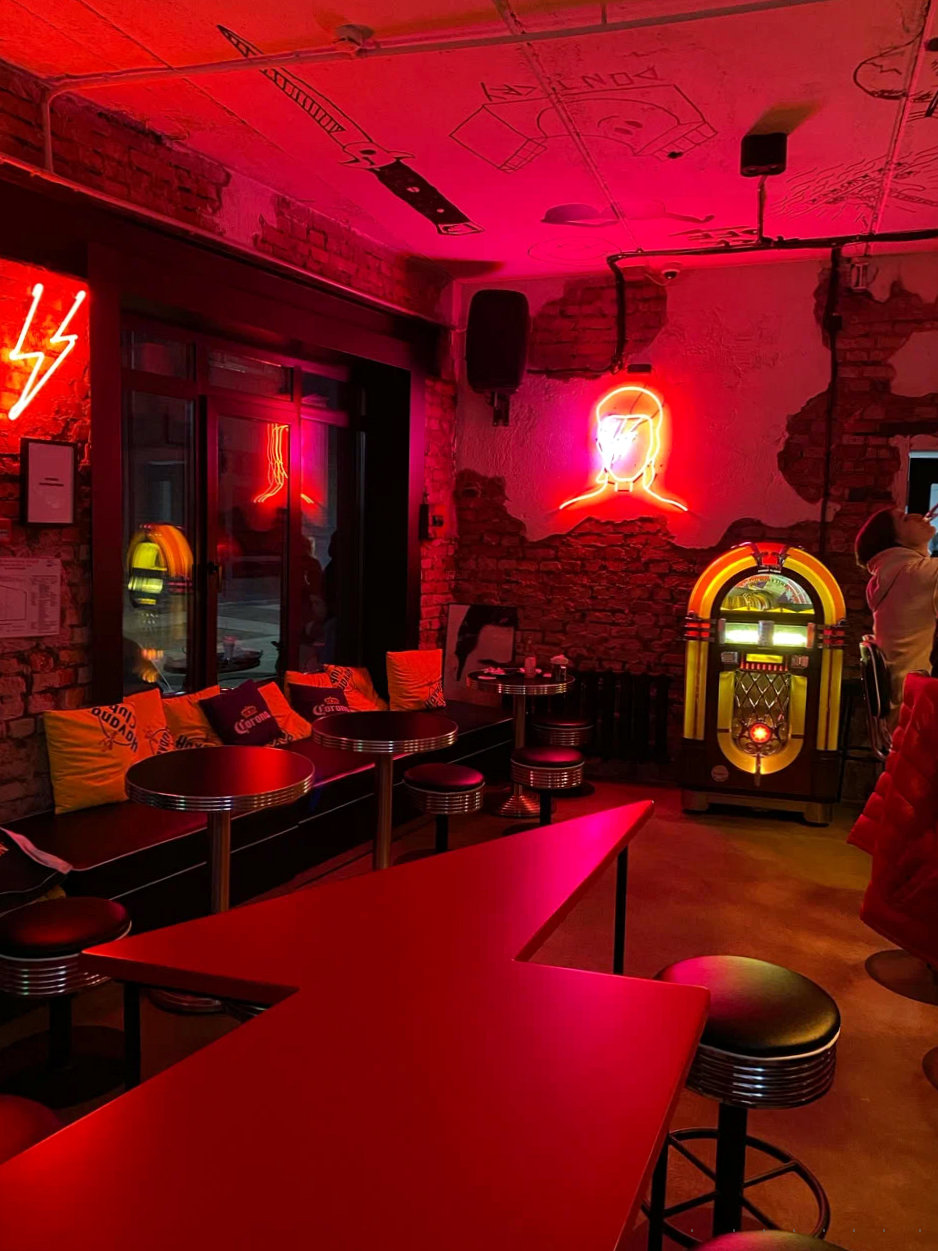
- “Rock-n-Rollshchik” Bar
- “TSEKH” Bar
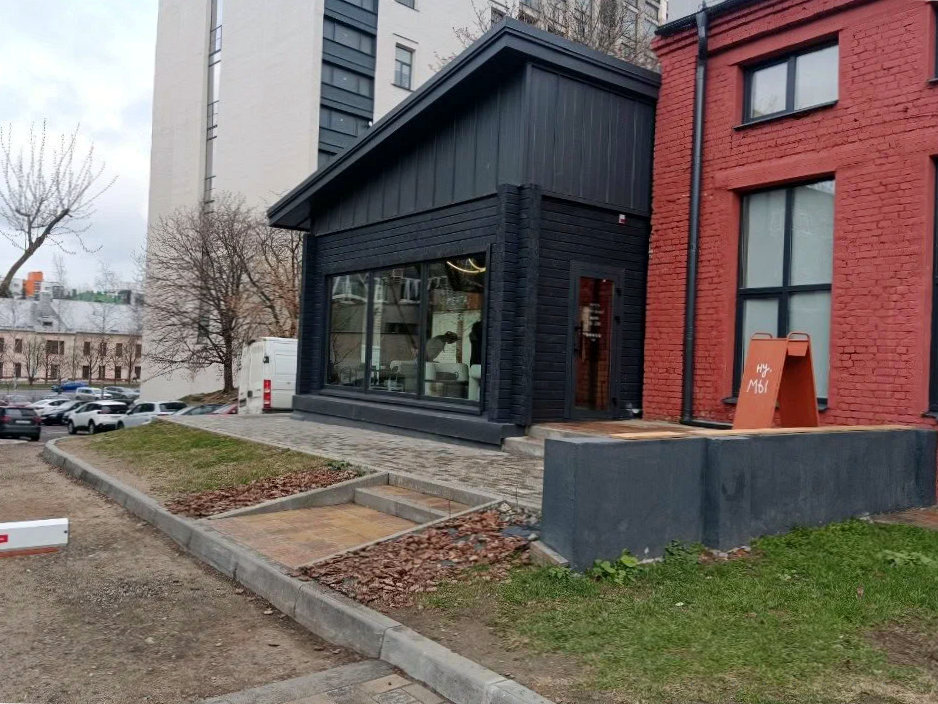
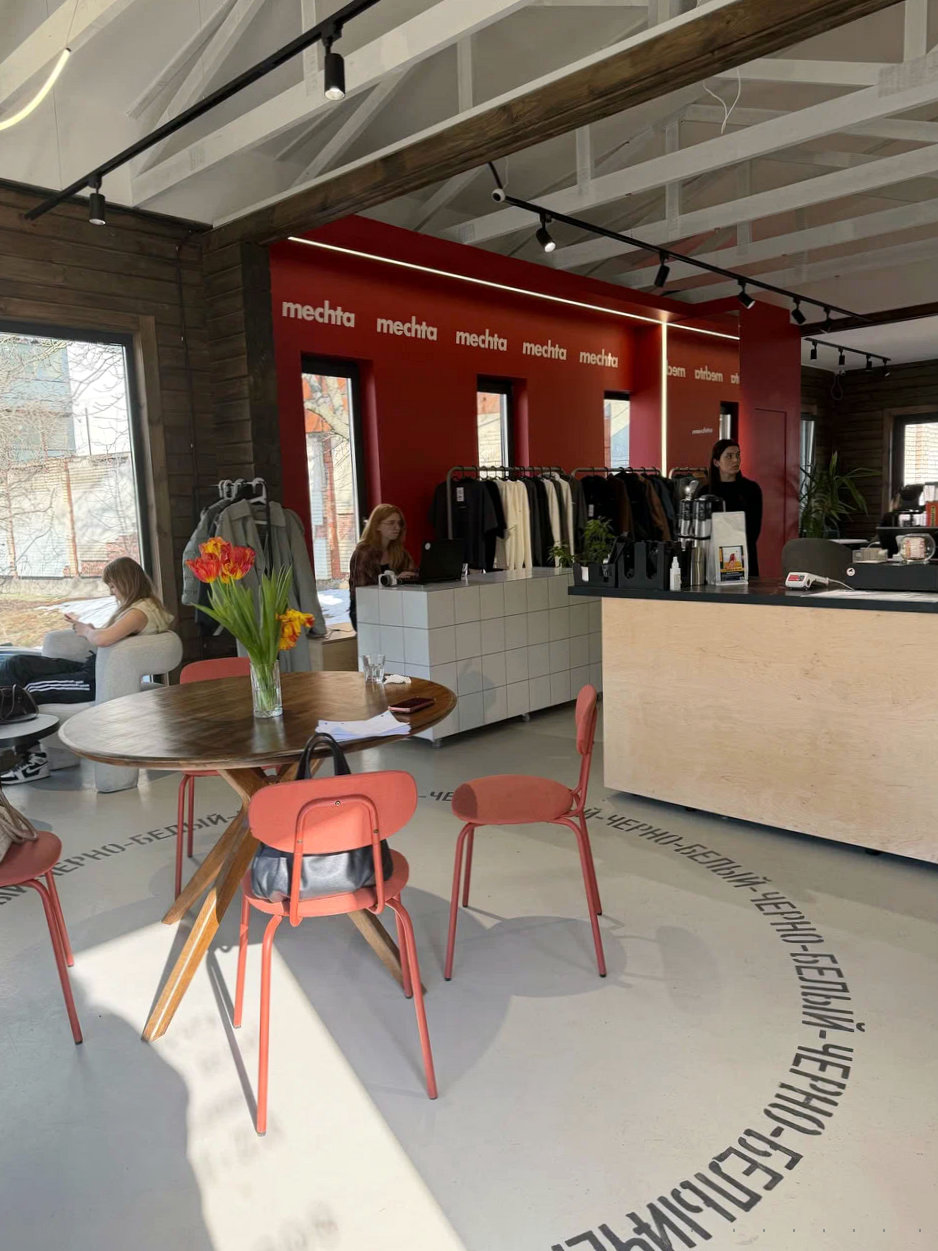
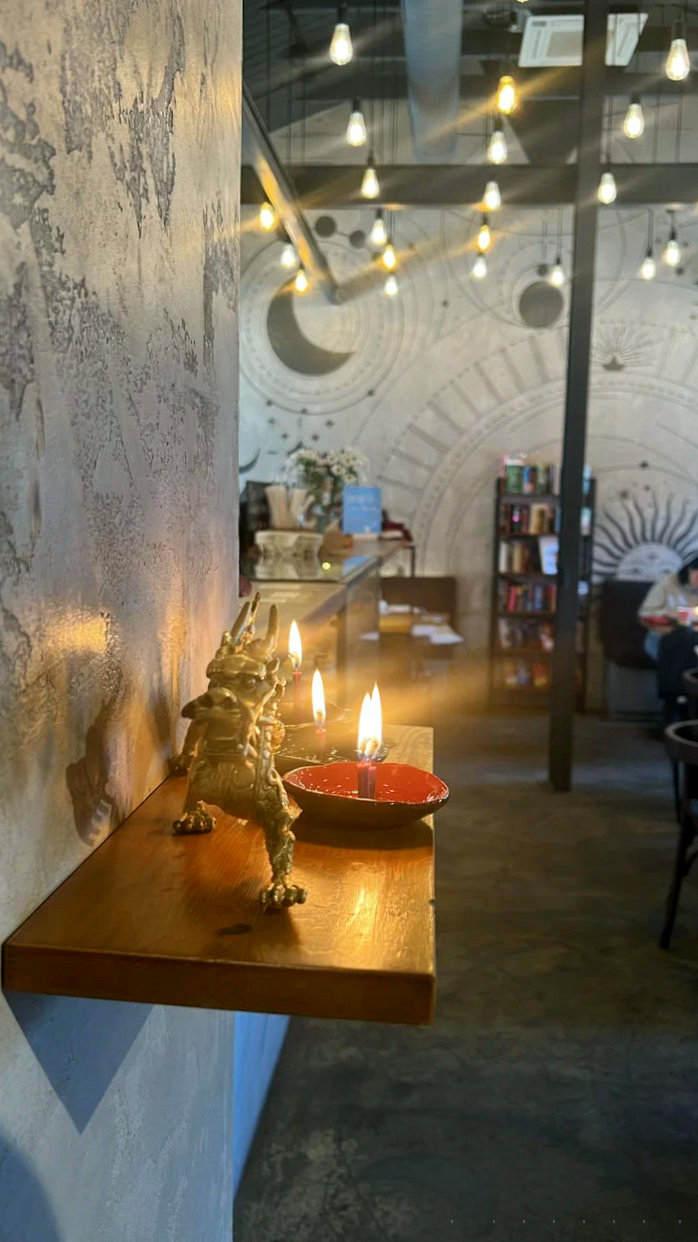
House of Experimental Art Dei
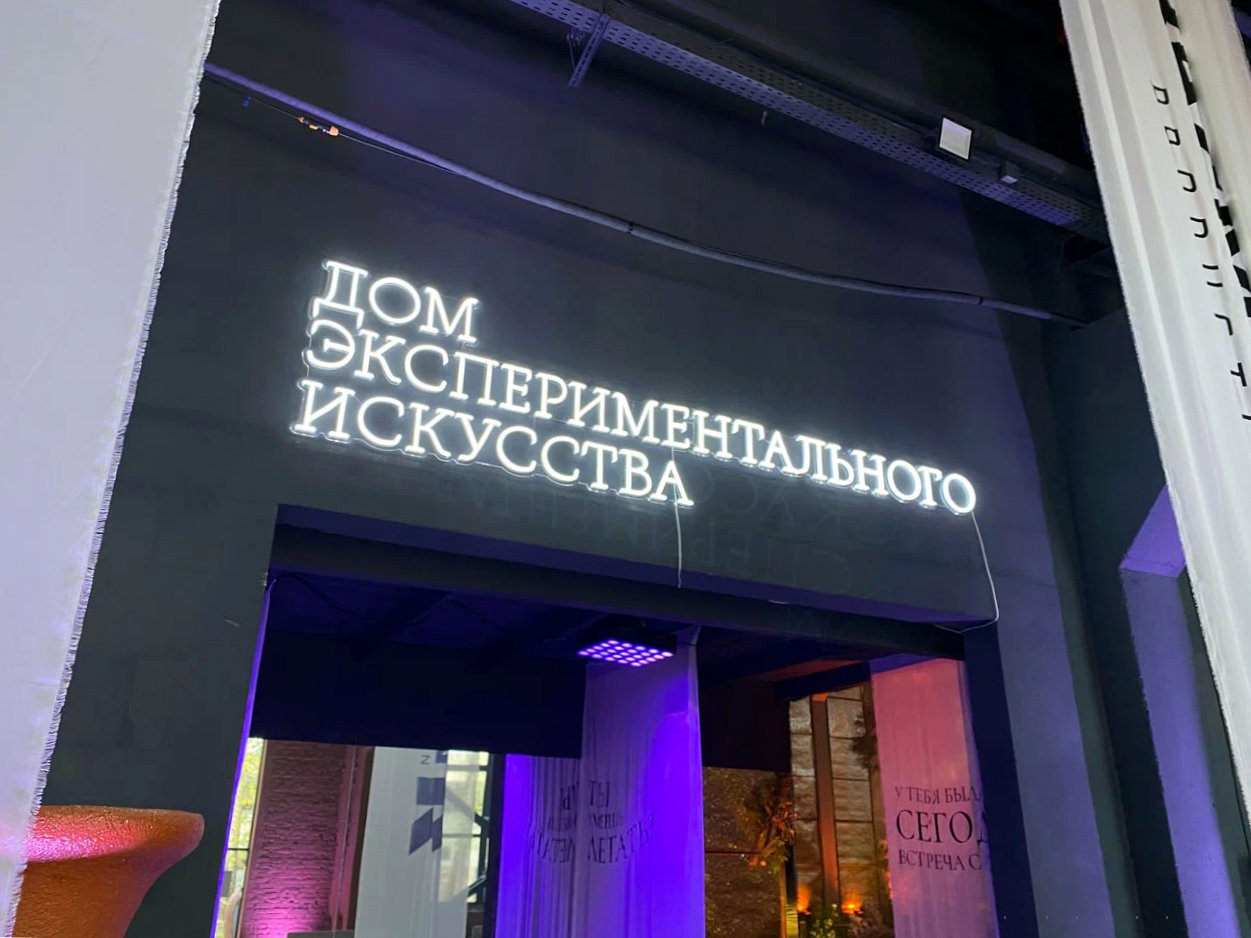
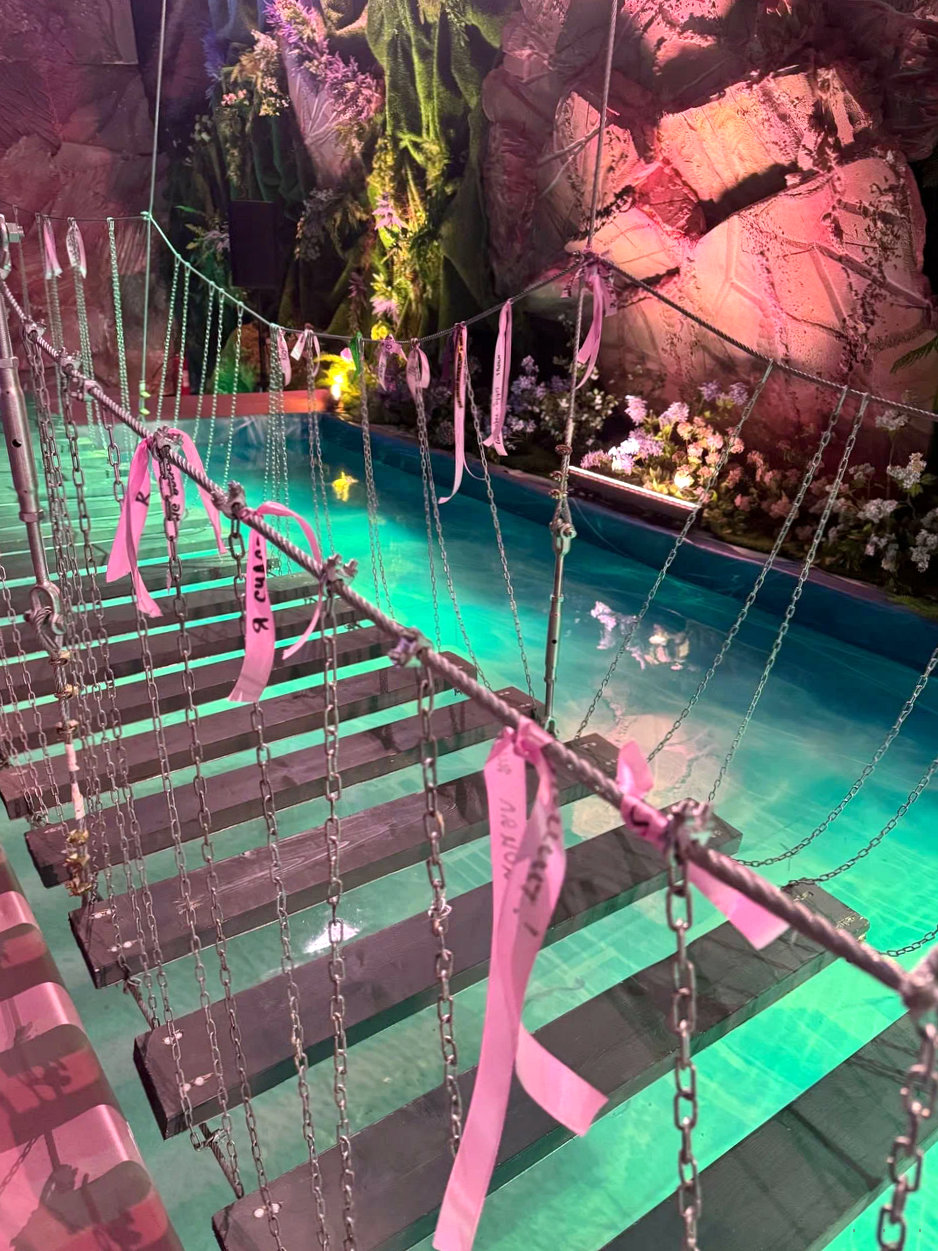
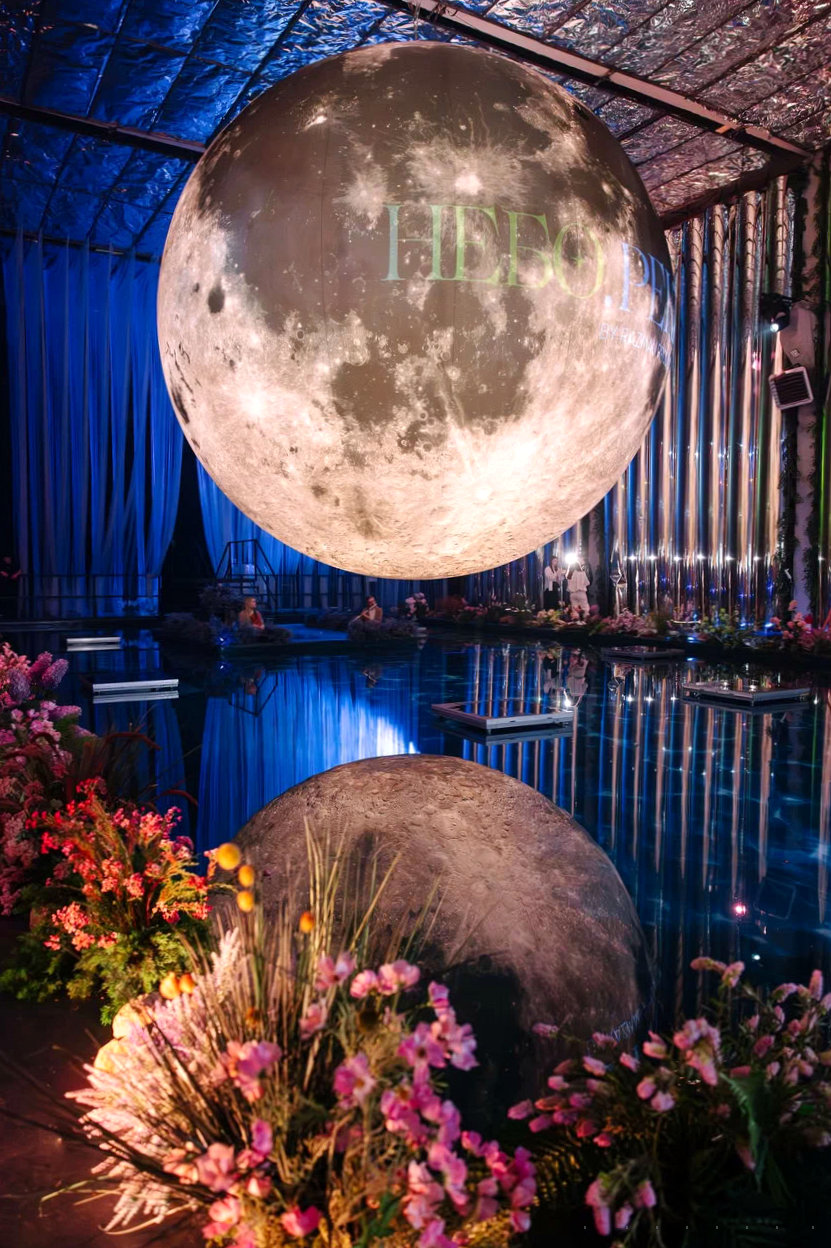
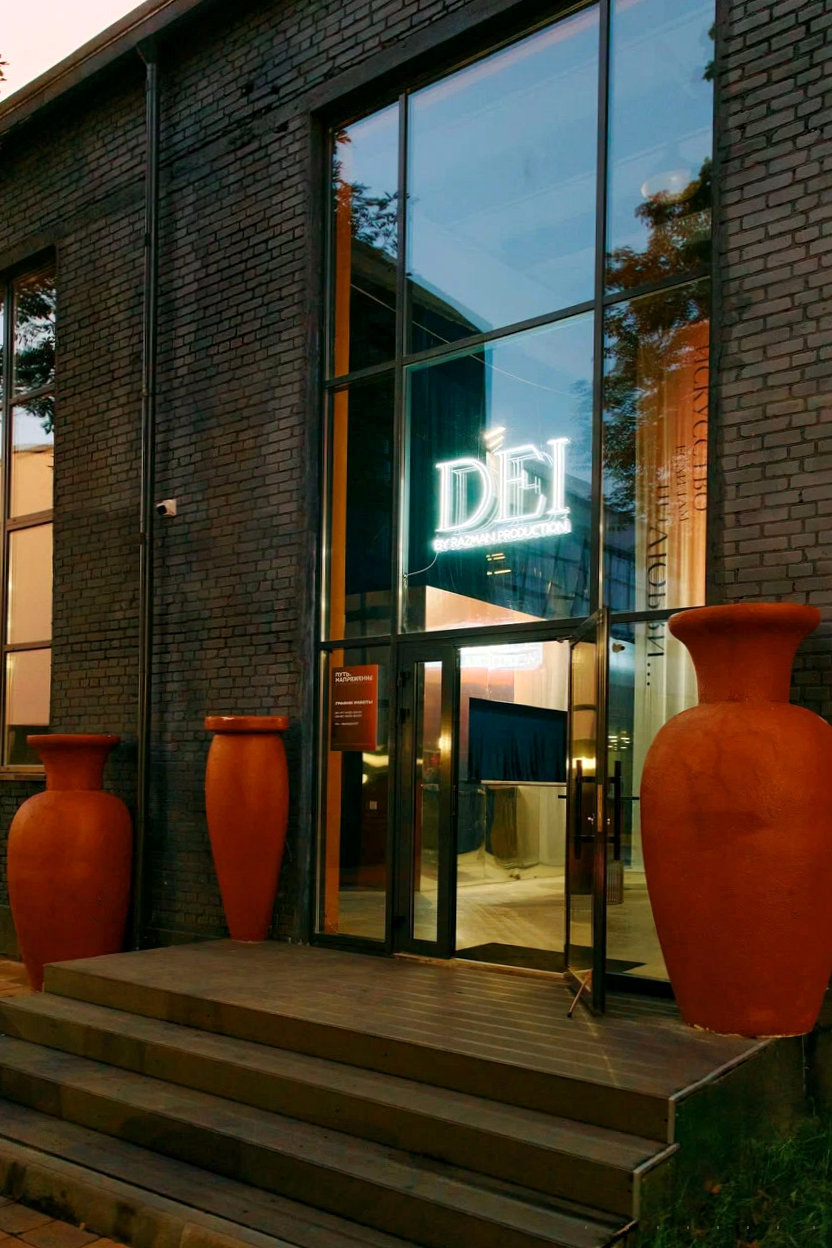
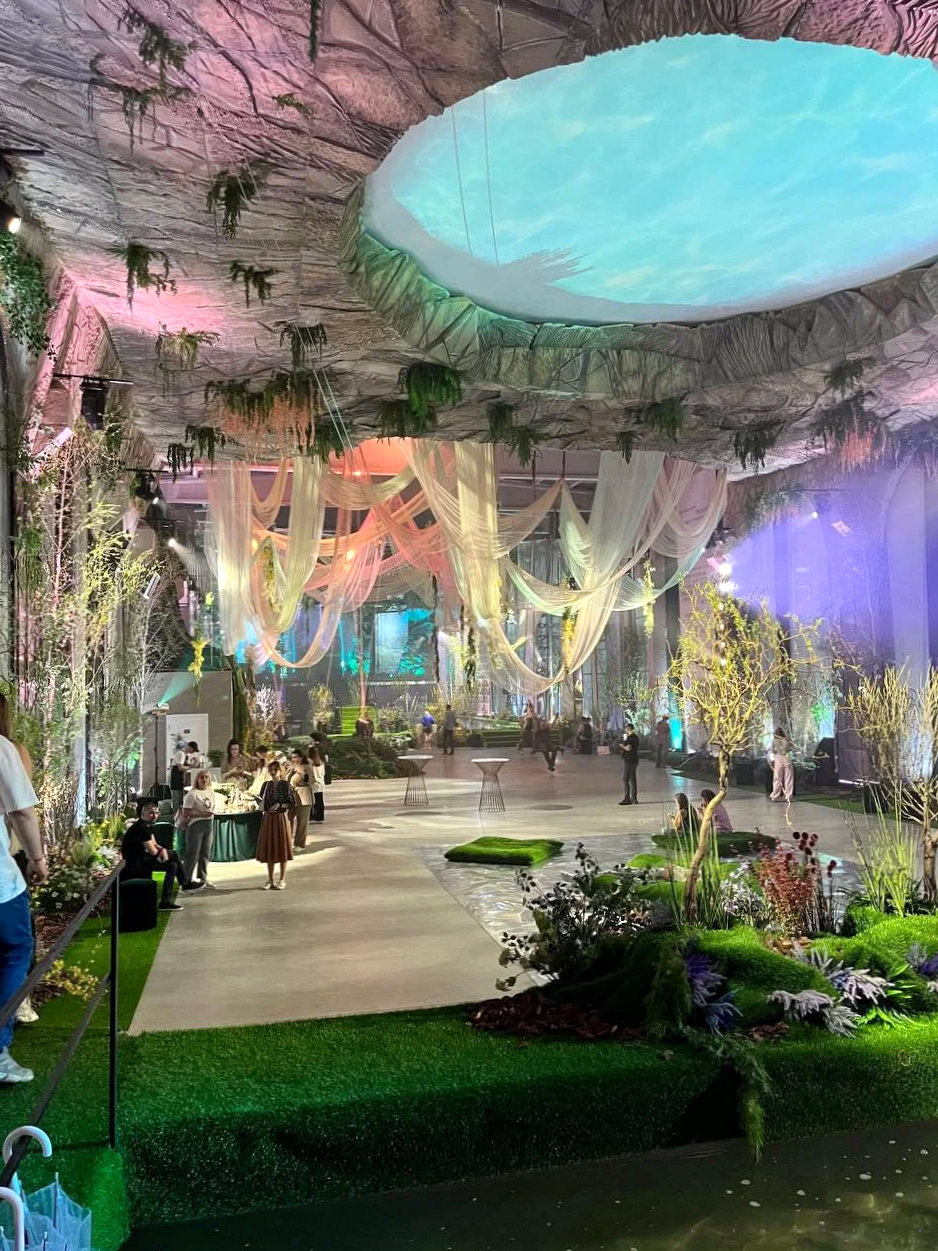
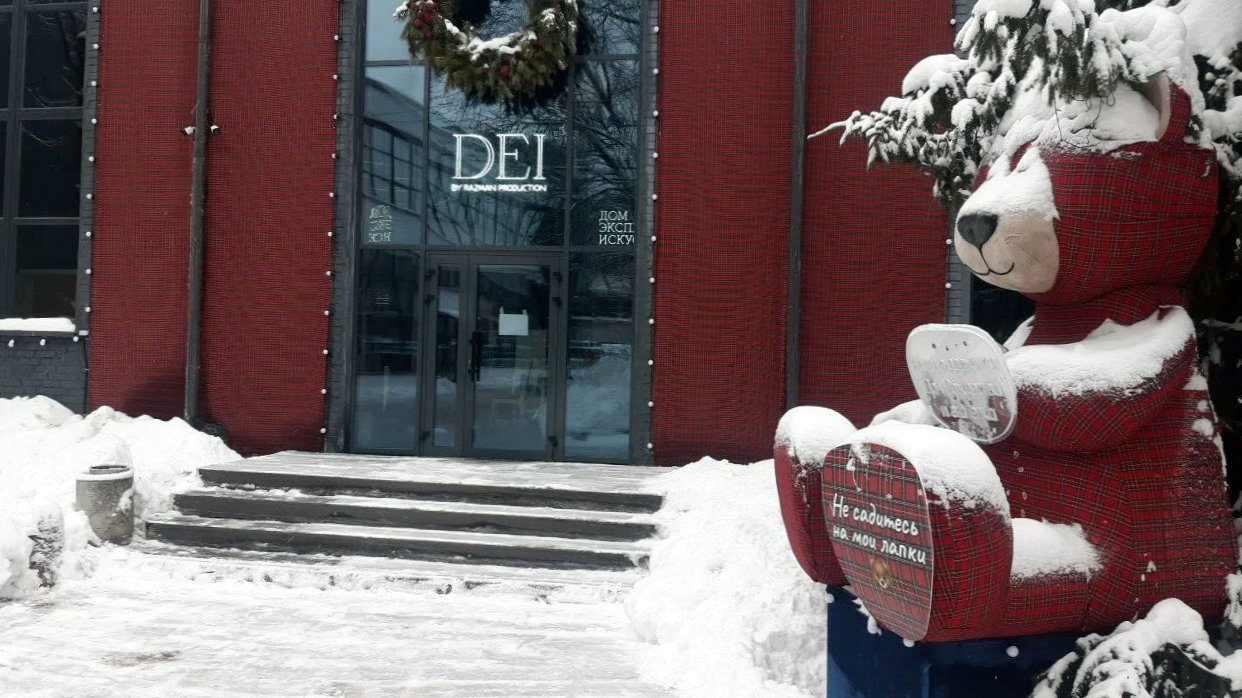
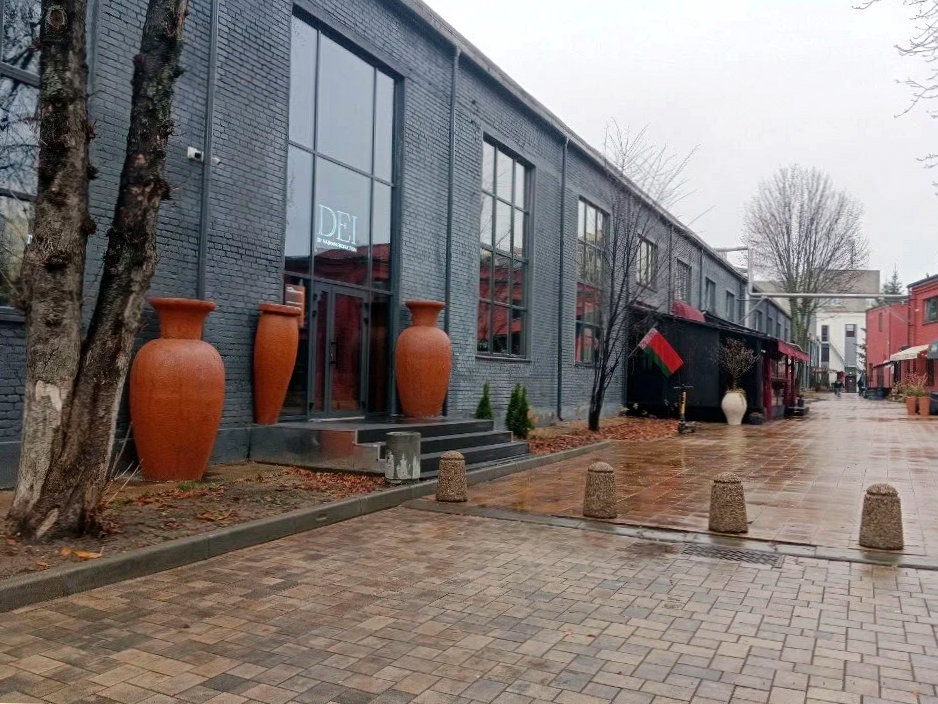
Although officially part of the “Horizont” cluster, DEI deserves special attention. It is not simply an exhibition venue, but a genuine contemporary art institution with its own distinctive vision. Visitors come here not just for entertainment, but for intellectual challenges, performances and art that captures the pulse of our time. The factory’s architecture provides the perfect canvas for contemporary artistic statements.
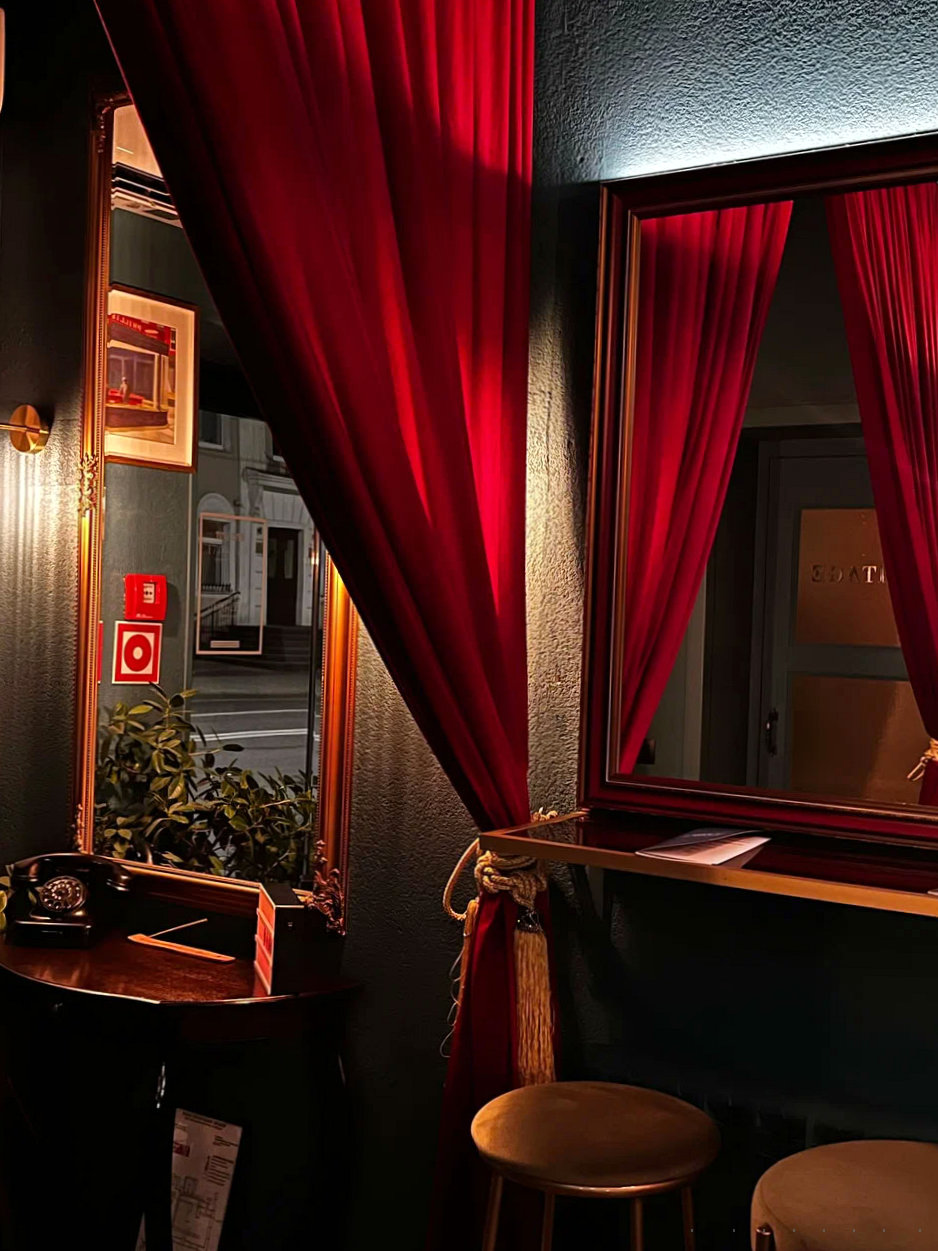
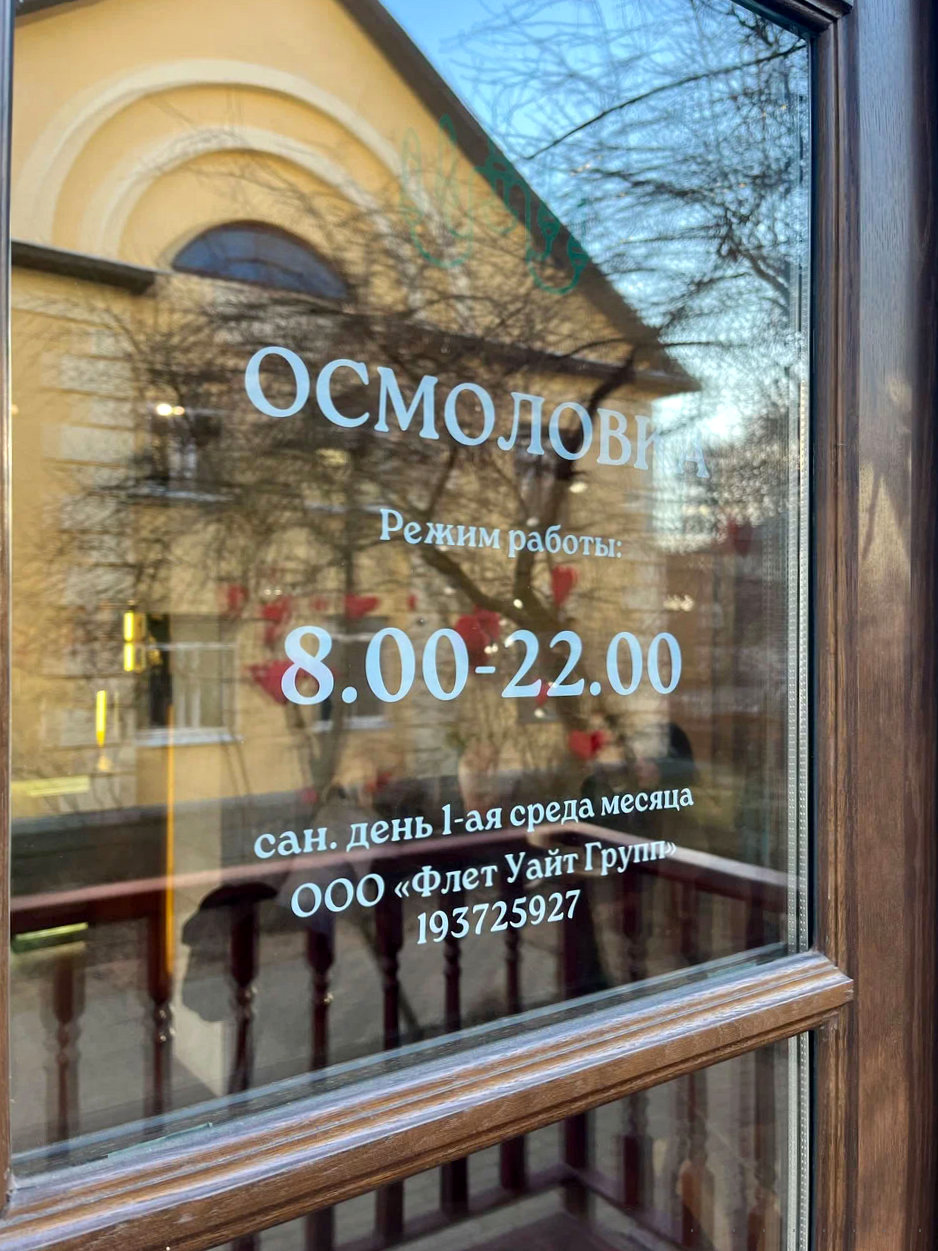
A Haven of Historic Urban Architecture – Osmolovka
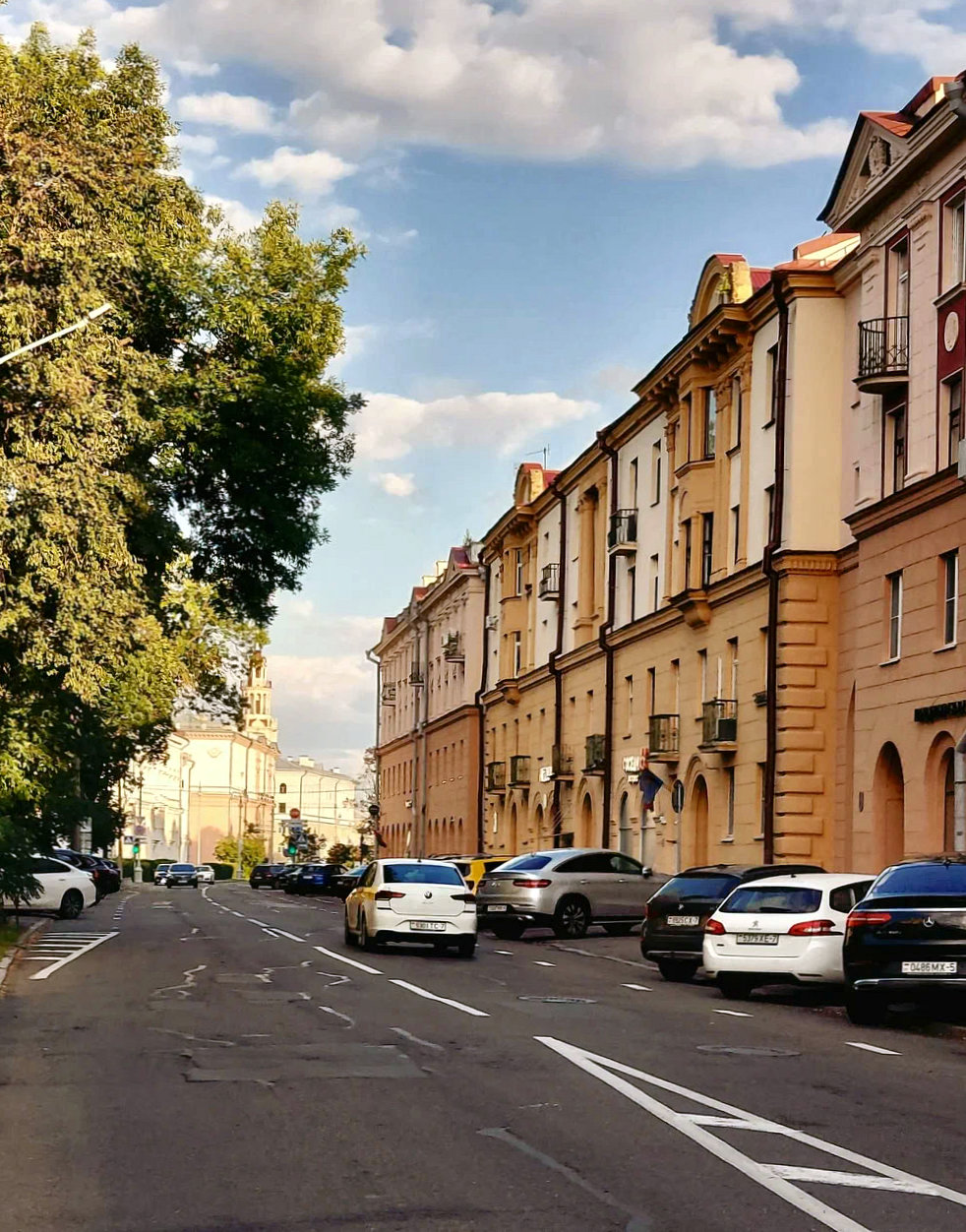
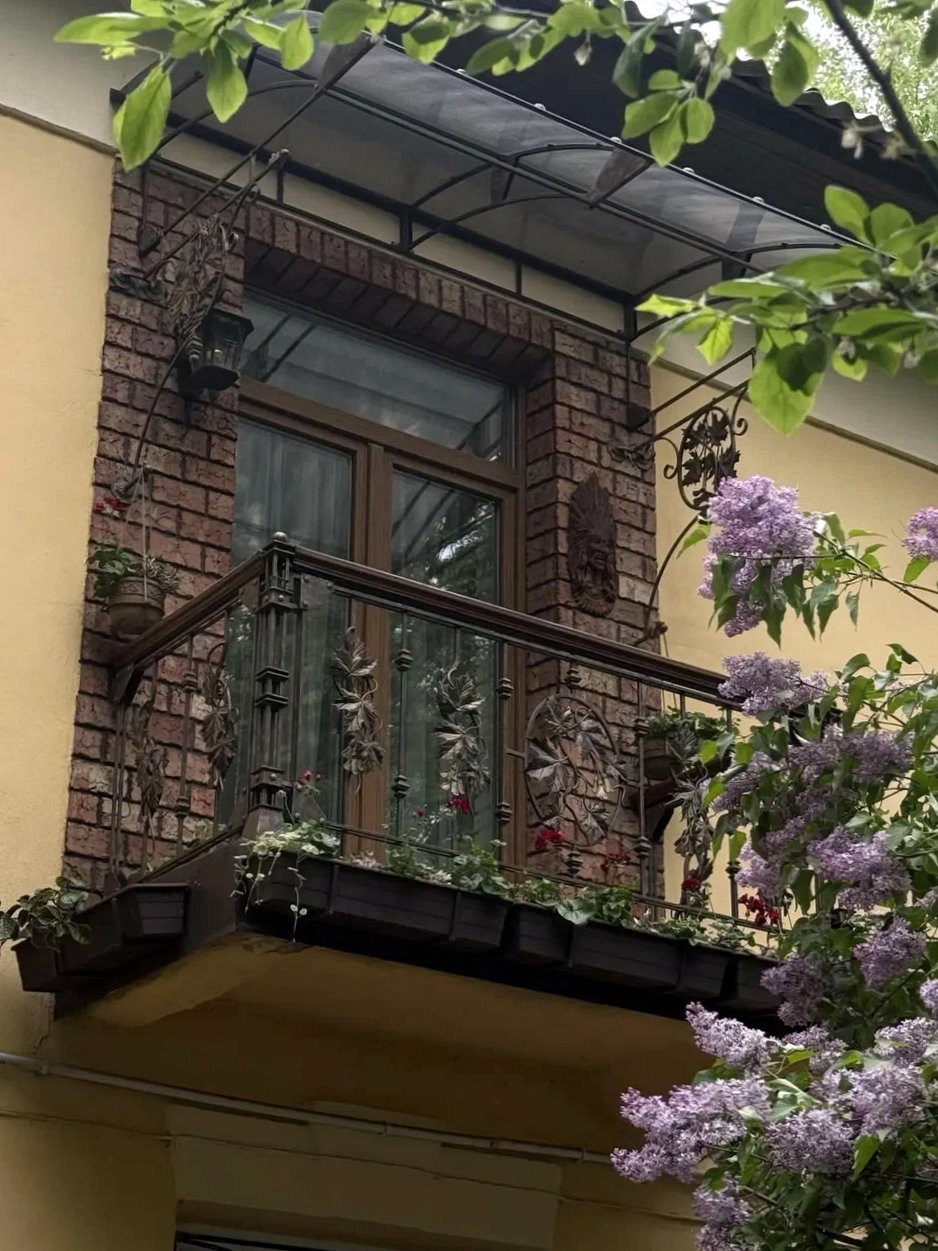
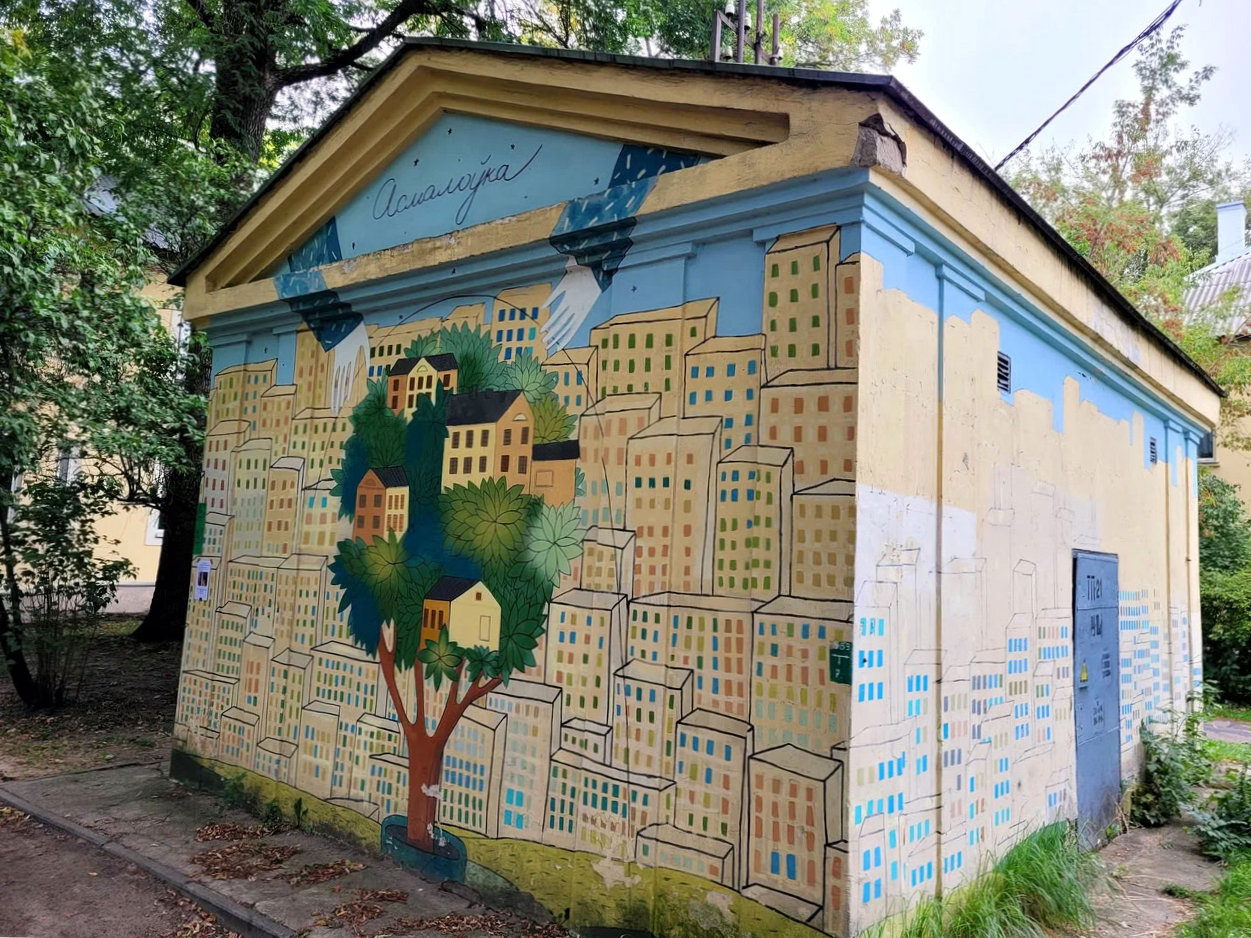
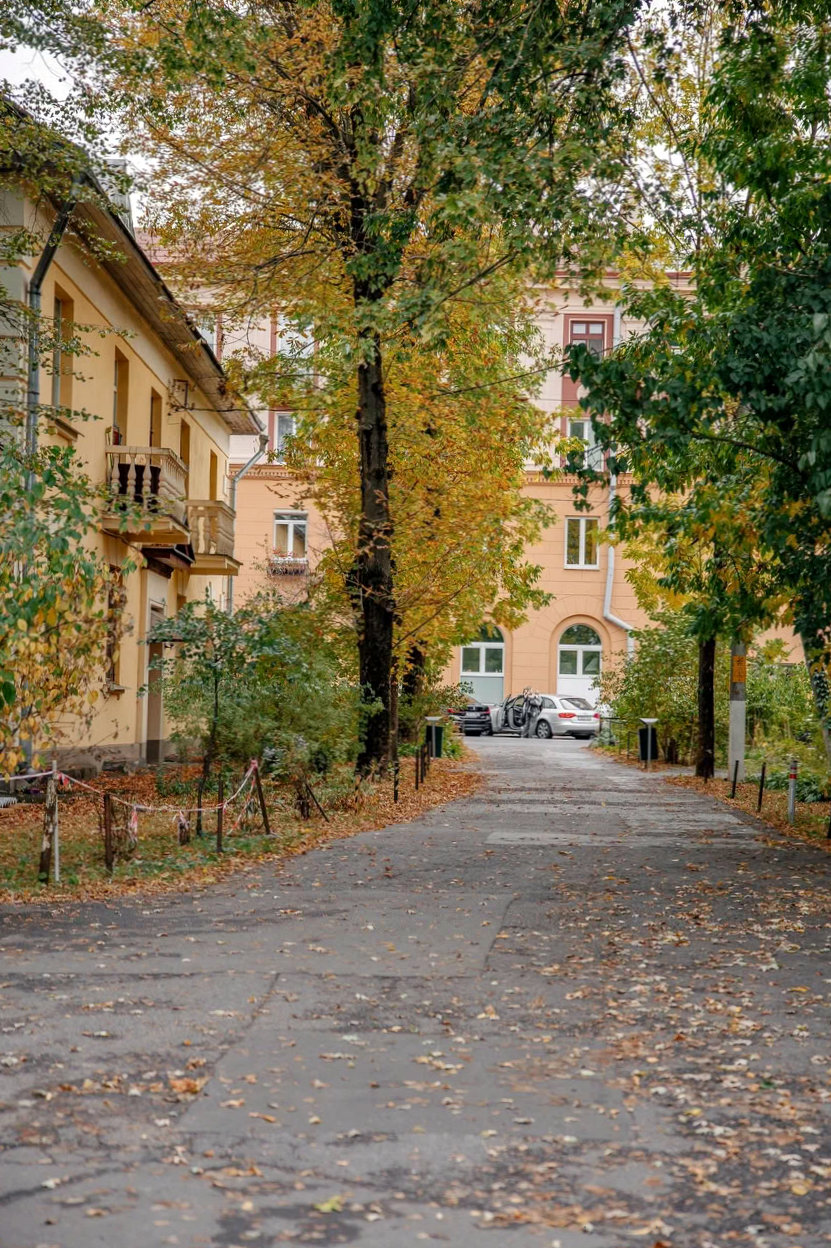
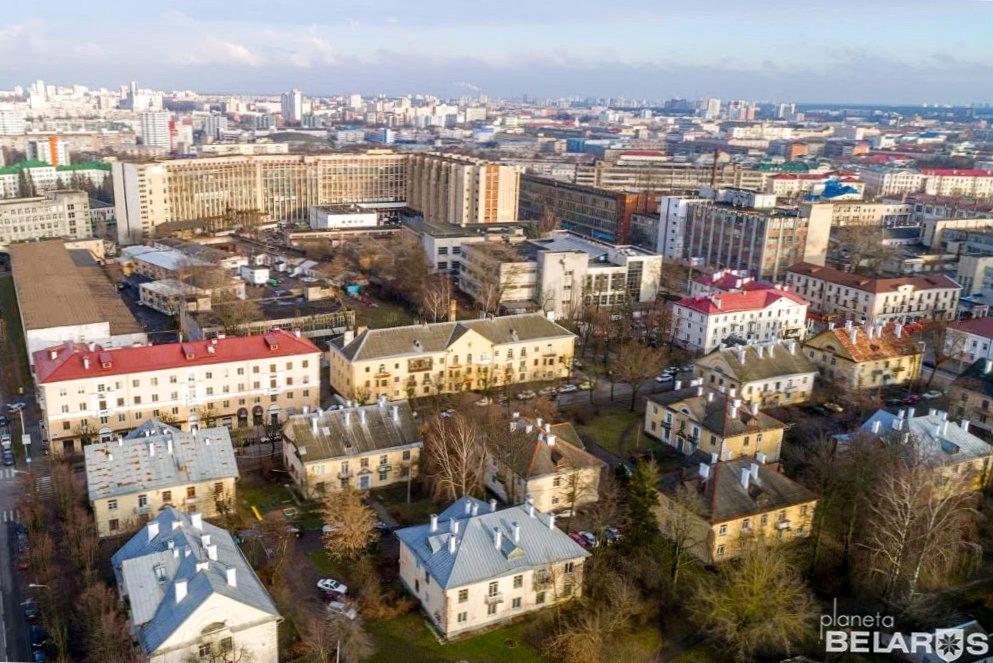
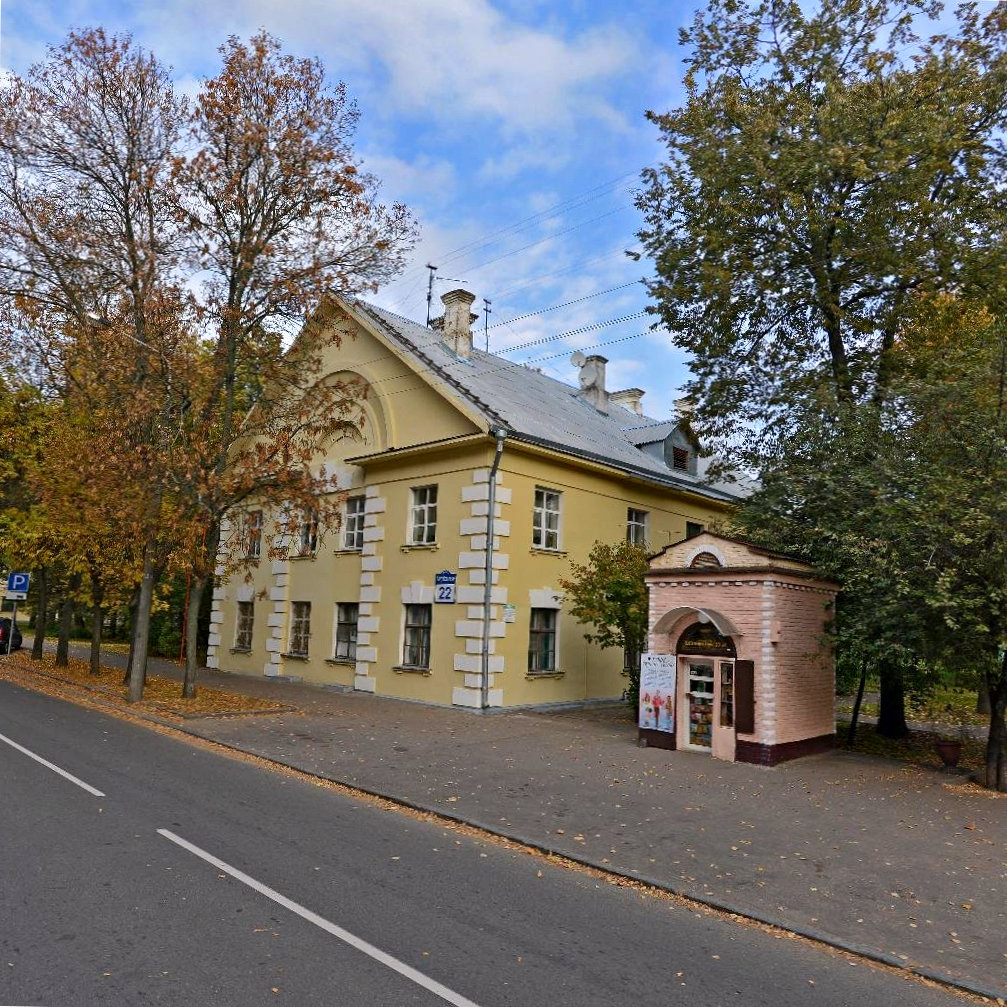
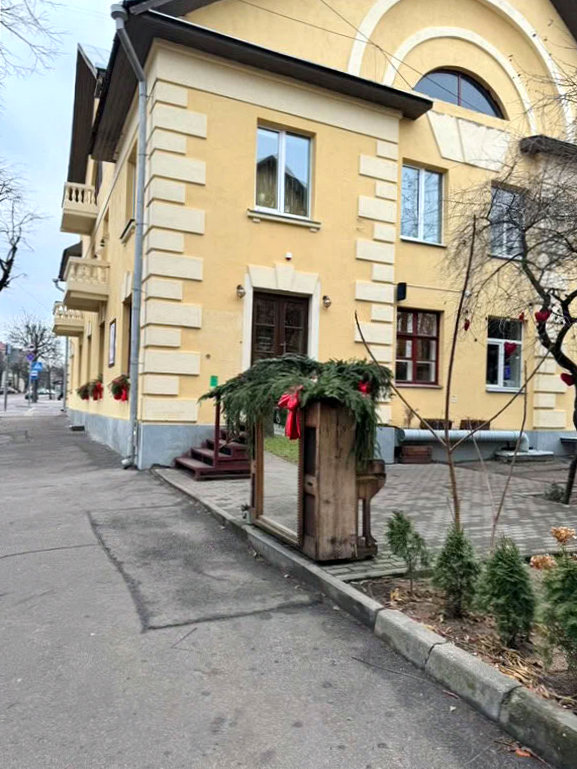
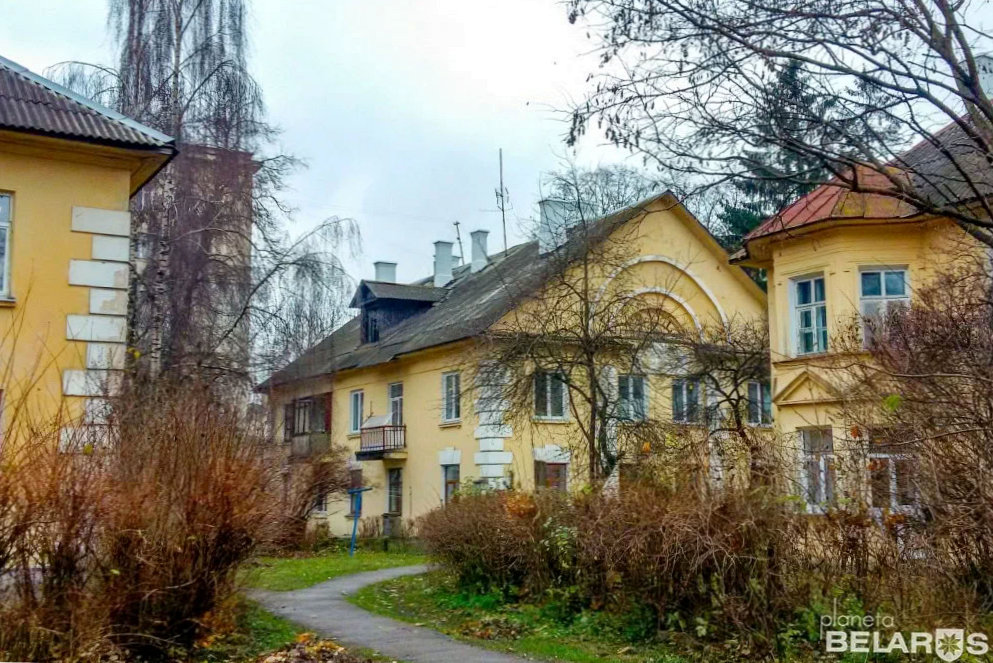
A journey through time awaits you right in the center of Minsk. Leave the noisy avenues and glass skyscrapers behind for a couple of hours – we are taking you to Osmolovka.
This unique neighborhood feels frozen in the era of Stalinist Empire architecture. Imagine two- and three-story buildings with columns, arches, decorative molding and tiled roofs. Not a high-rise in sight! Built in the late 1940s and early 1950s, its defining features are its wonderfully human scale and leafy, welcoming courtyards.
Osmolovka is truly a “city within a city.” Just a few steps from busy Independence Avenue transport you into another world. It is quiet, peaceful and distinctly European. You can wander its little streets for hours, admiring the façades and listening to your footsteps echo.
But it is not merely an open-air museum. The neighborhood is alive! The ground floors of historic houses conceal wonderful independent coffee shops, bakeries with crispy croissants, wine bars and small showrooms. It is a favorite haunt of Minsk hipsters, architects and anyone who values authenticity.
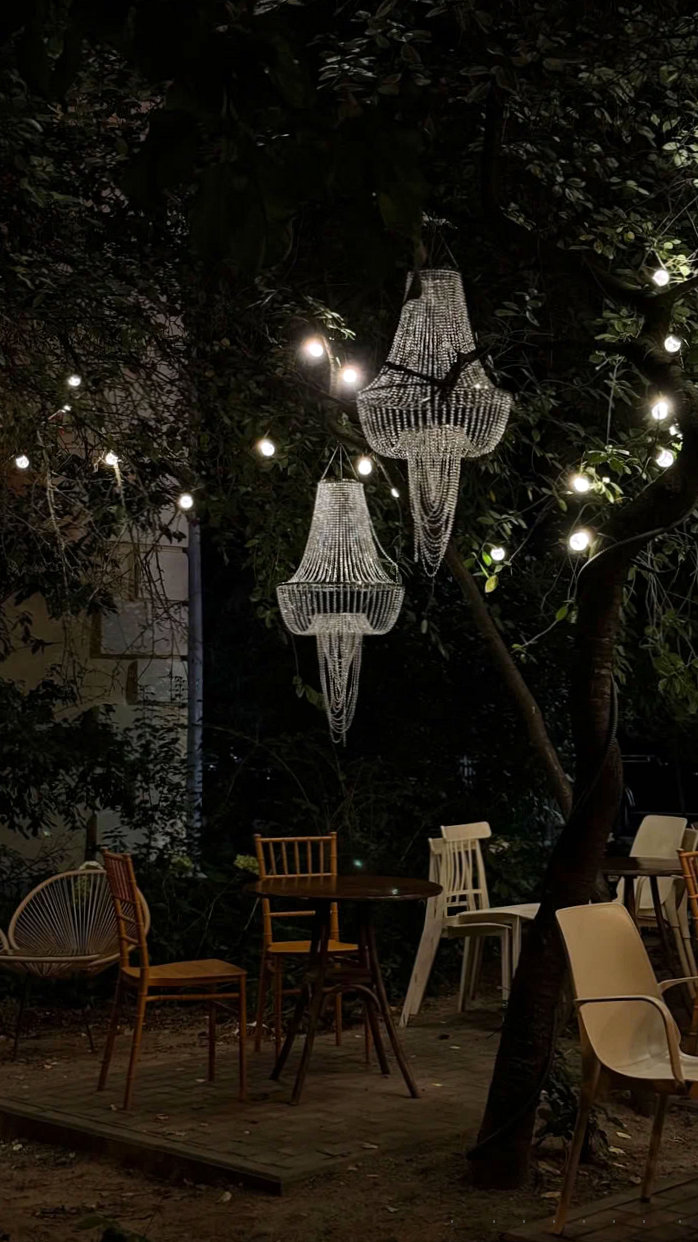
People come here for the atmosphere, not to tick an attraction off a sightseeing list. The perfect plan: grab a coffee from a local specialty café, find a cozy bench in a shady courtyard and watch life unfold at its own pace. It is also a paradise for photographers. The light falls beautifully, and the backdrops look like scenes from a European film.
- “Osmolovka” Coffee Shop
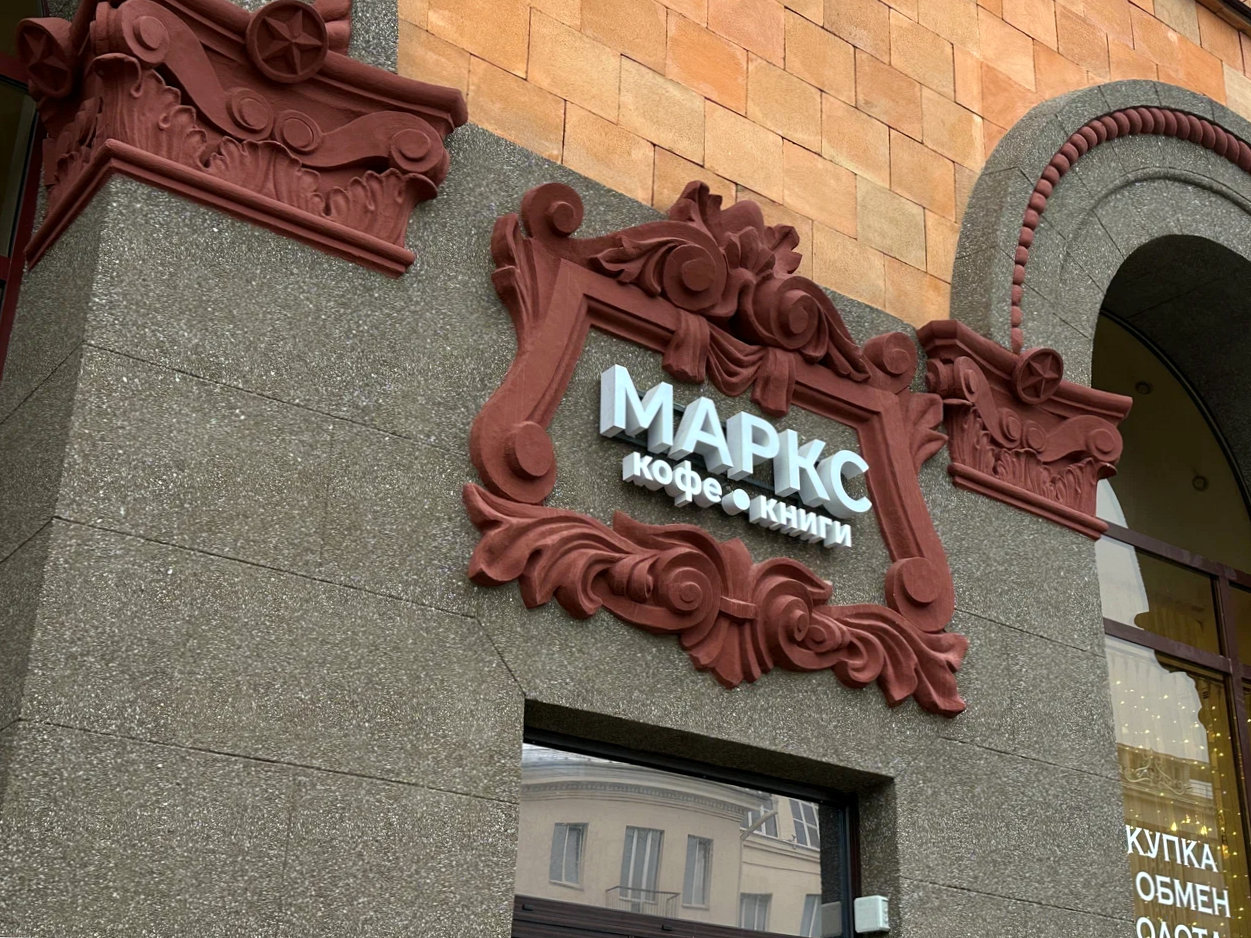
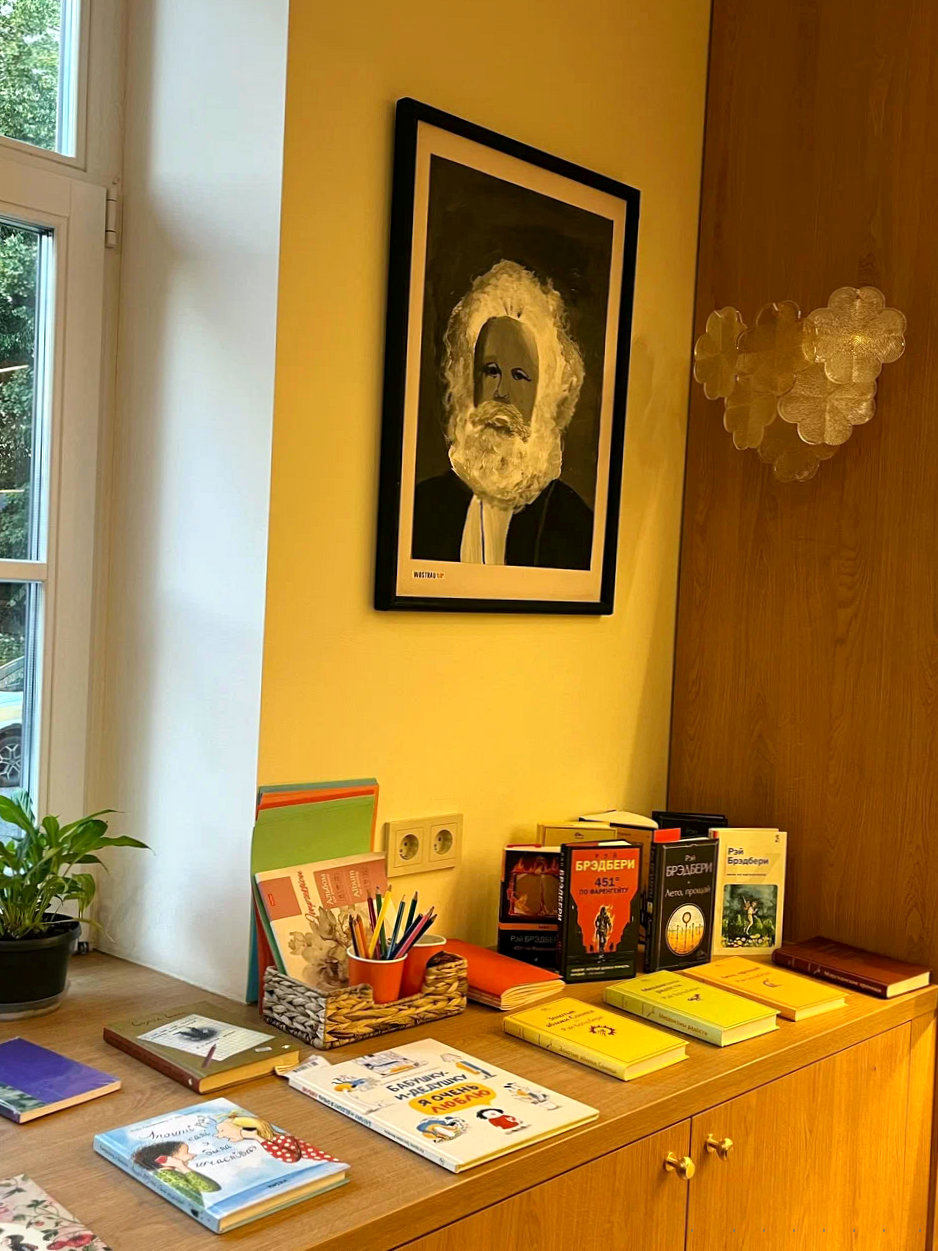
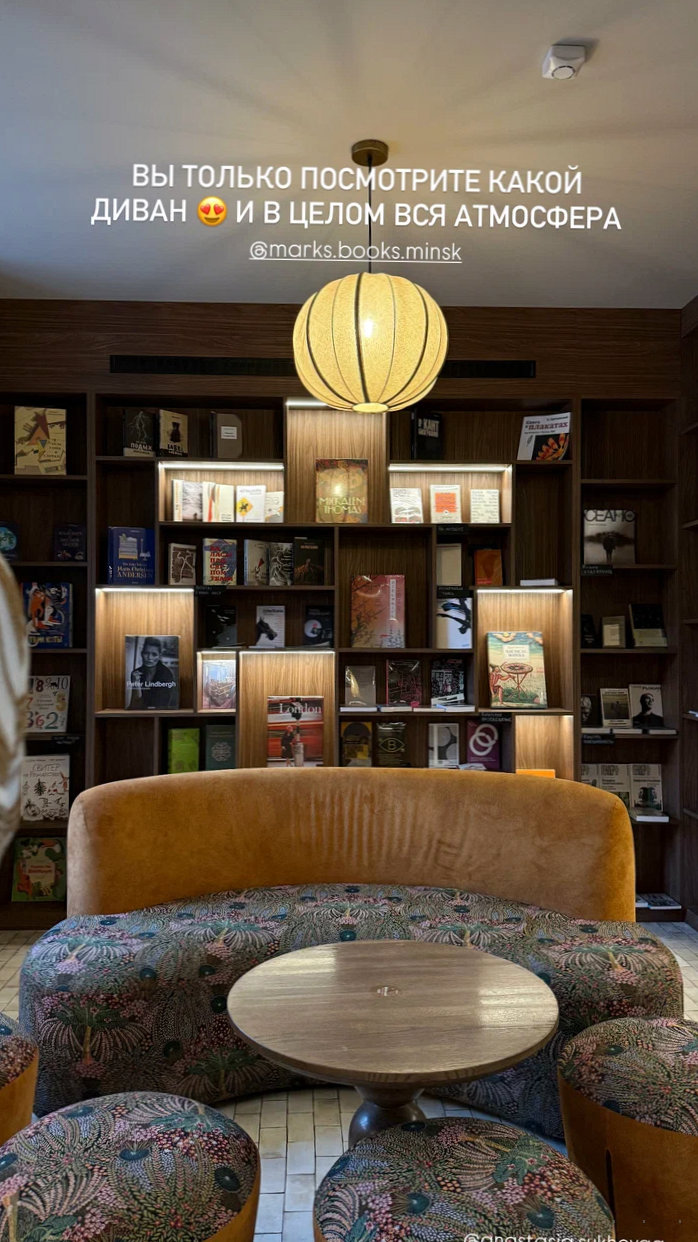
- “Marx Coffee and Books” Coffee Shop and Bookstore
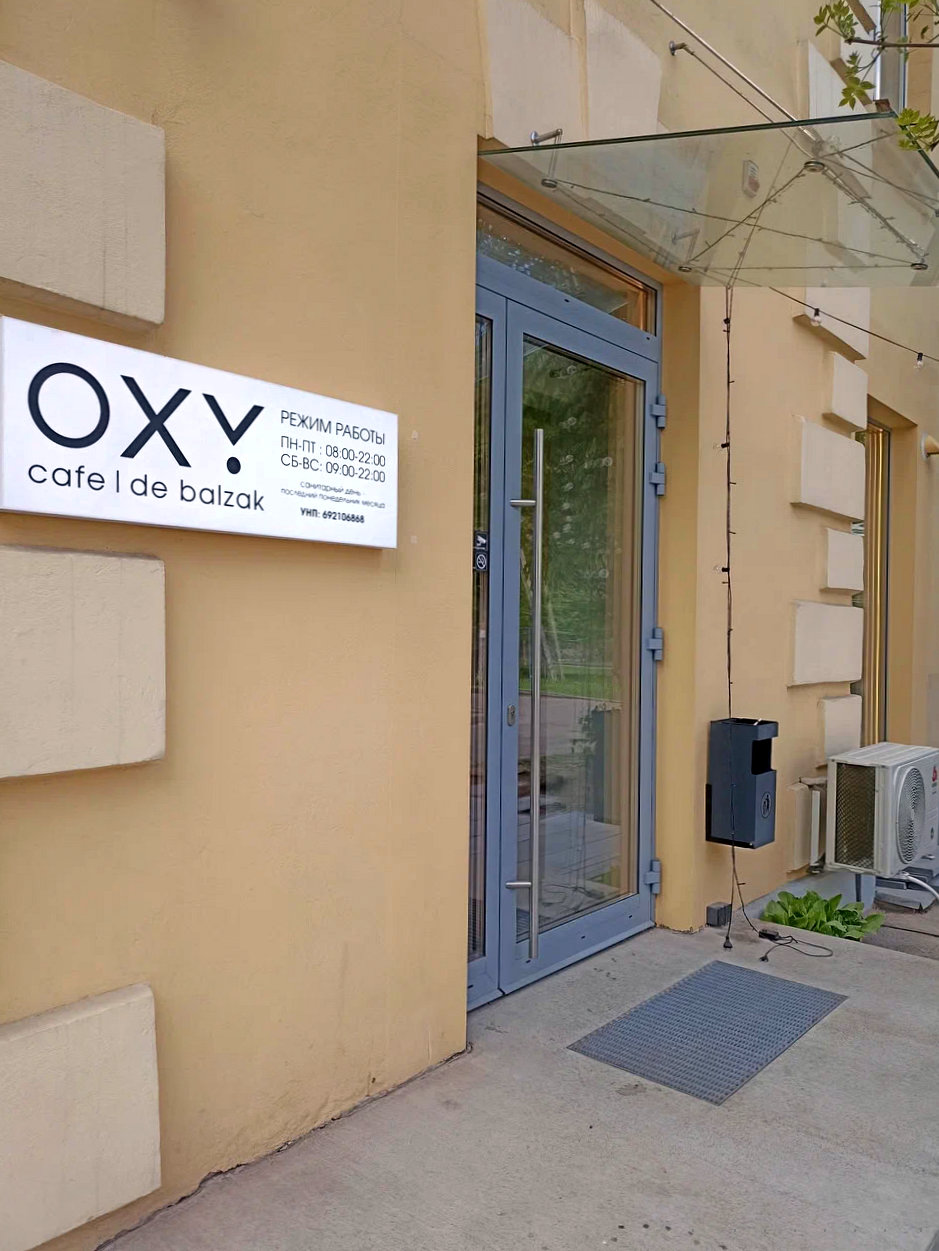
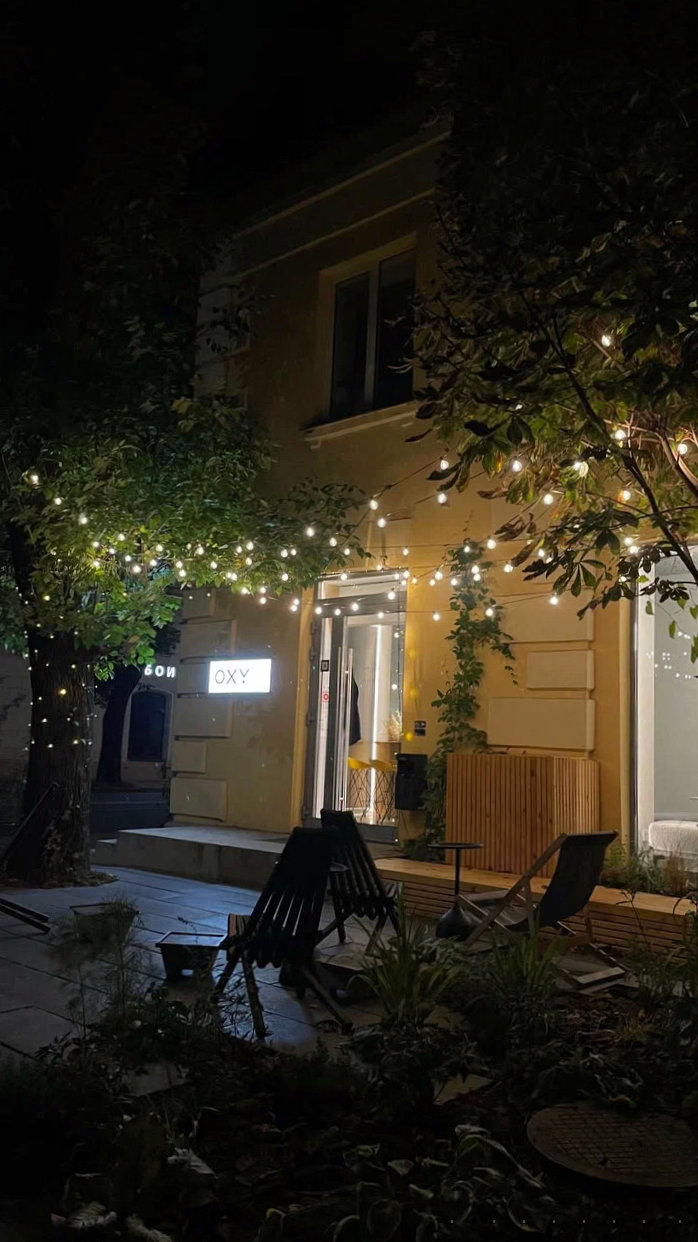
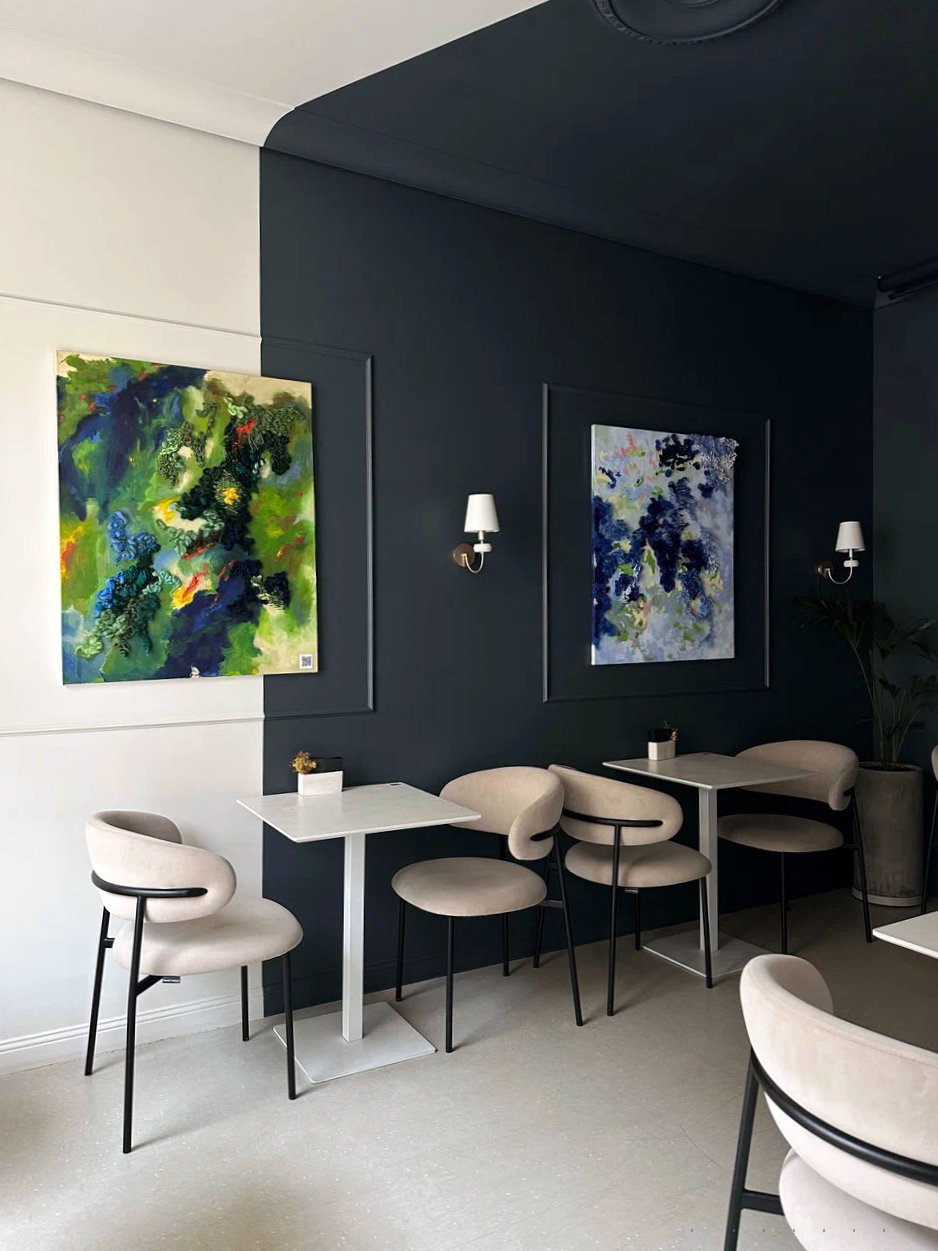
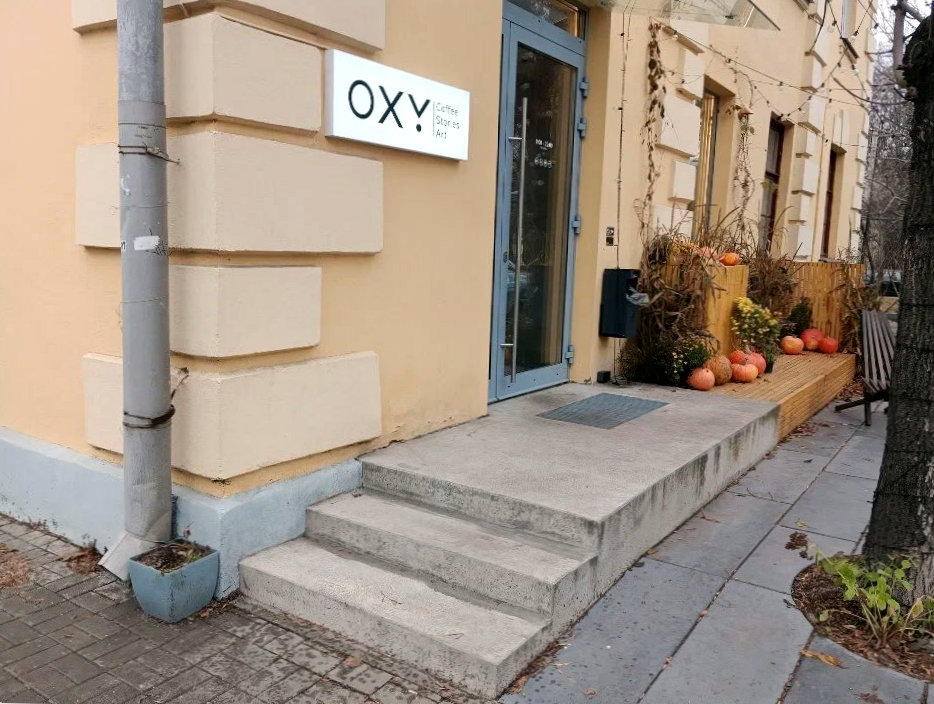
- “Oxy” Café
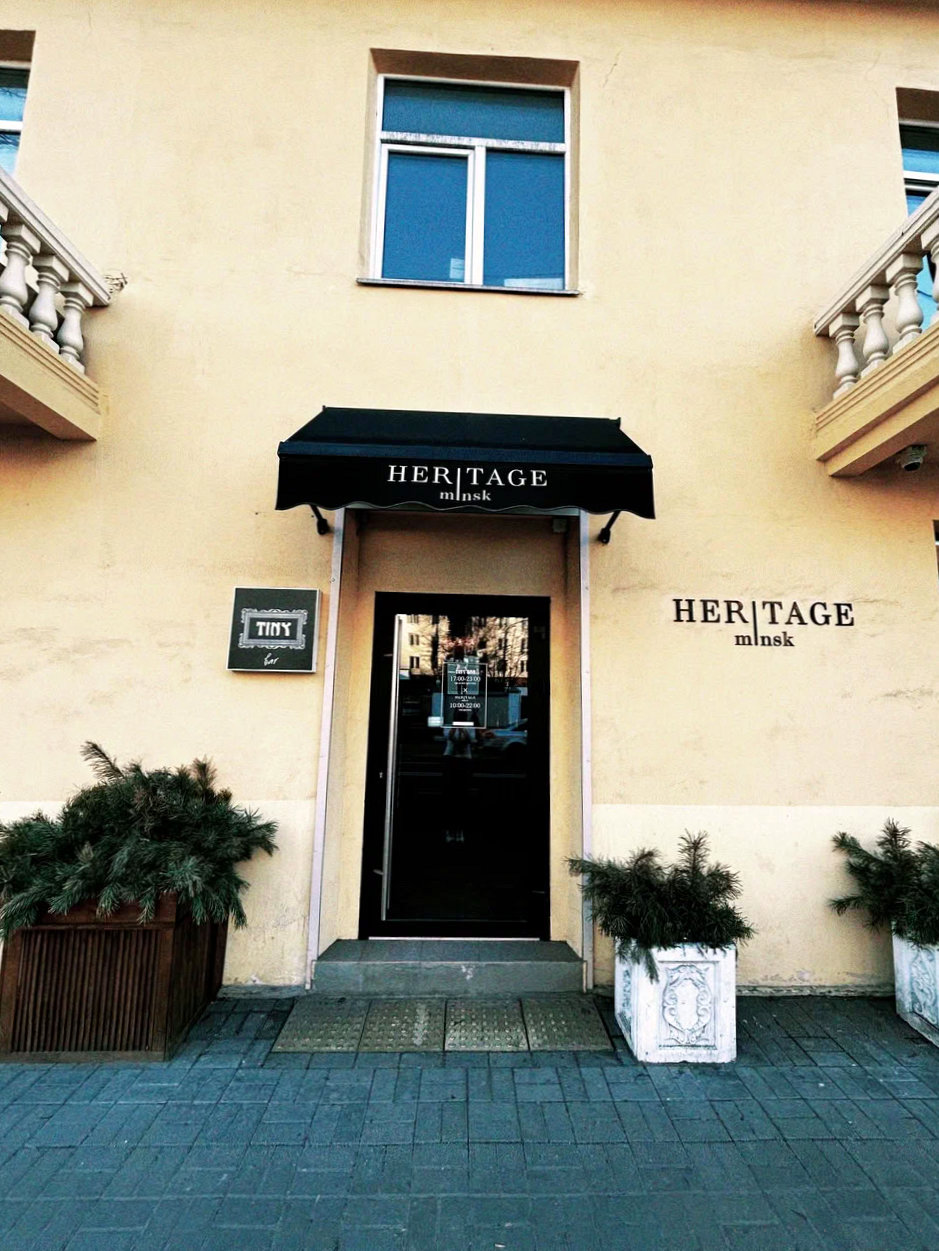
- “Tiny Bar” Bar and Café
An Ancient-Style Theater in an English Landscape Park: The Amphitheater and Treasures of Loshitsa
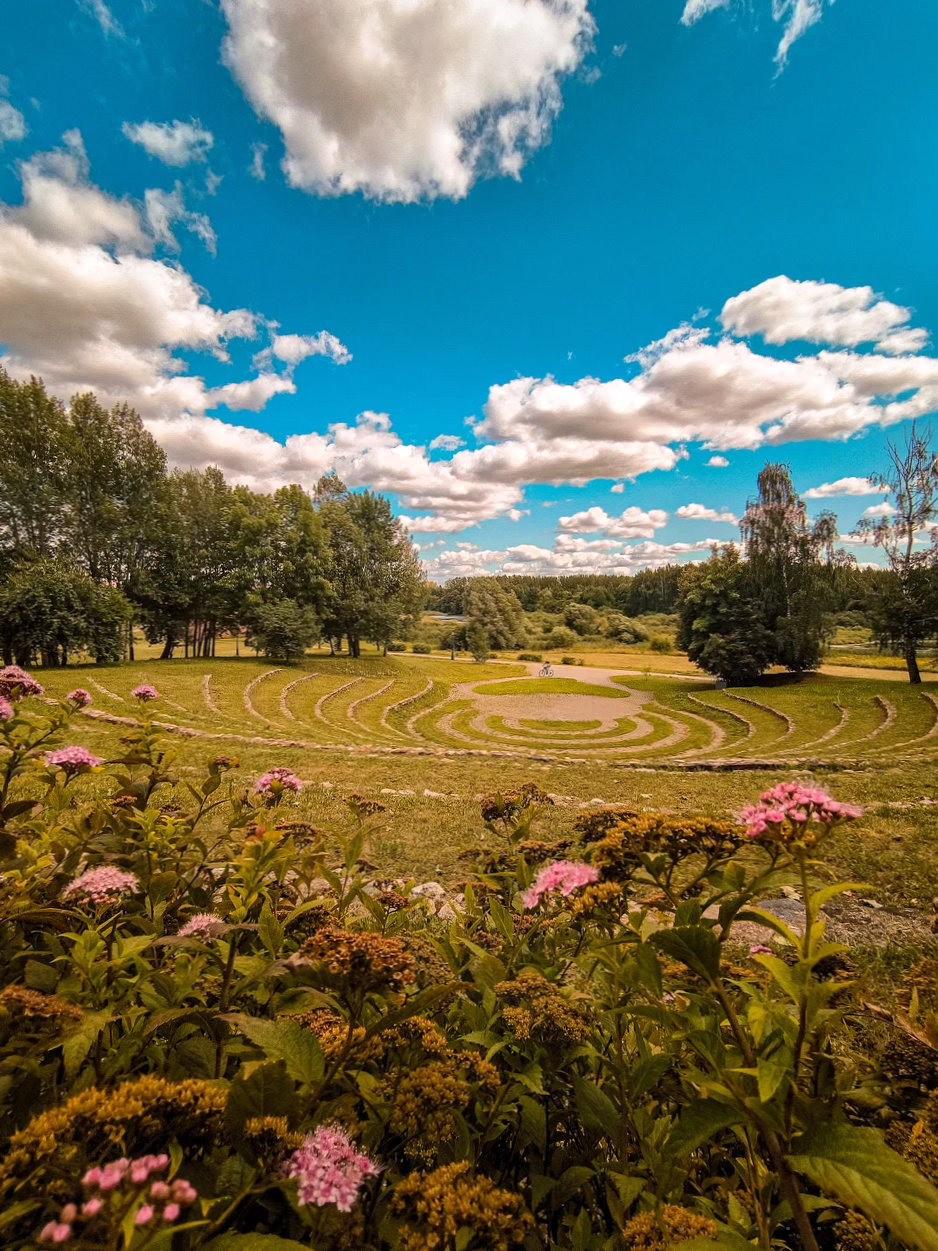
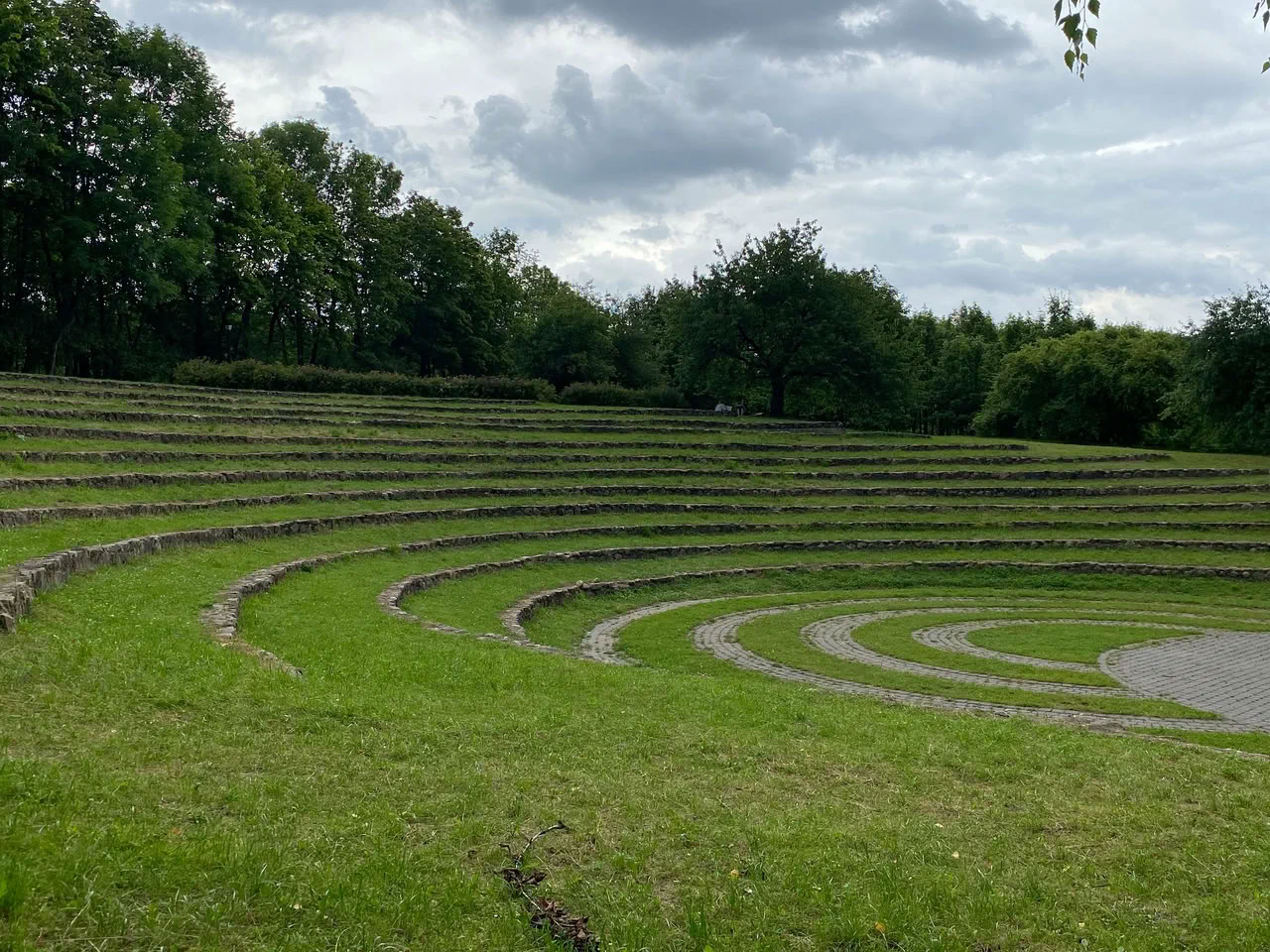
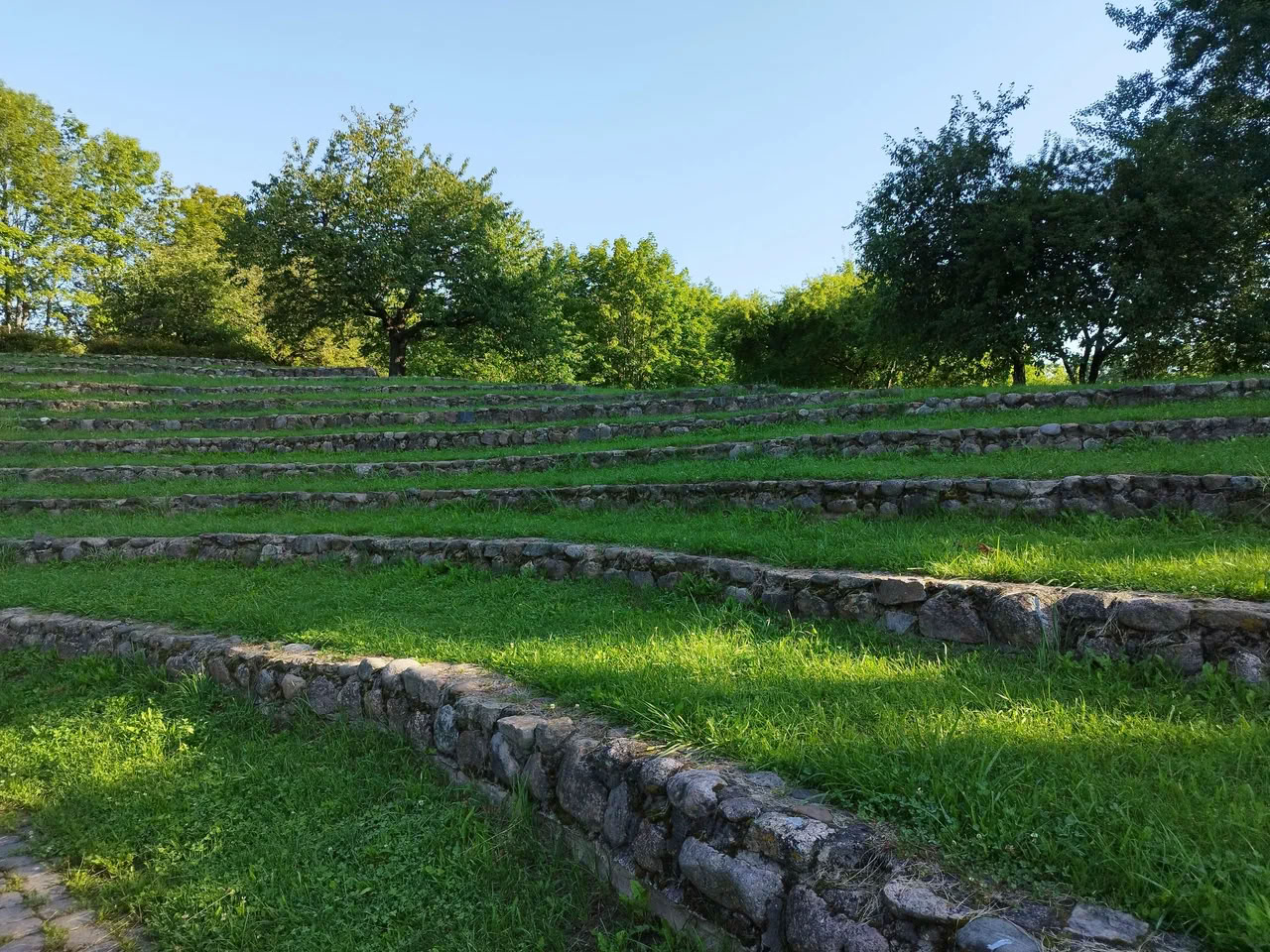
A place known only to the most observant visitors to Loshitsa Park is its landscaped amphitheater. This genuine hidden gem is easy to walk past without even realizing it is there.
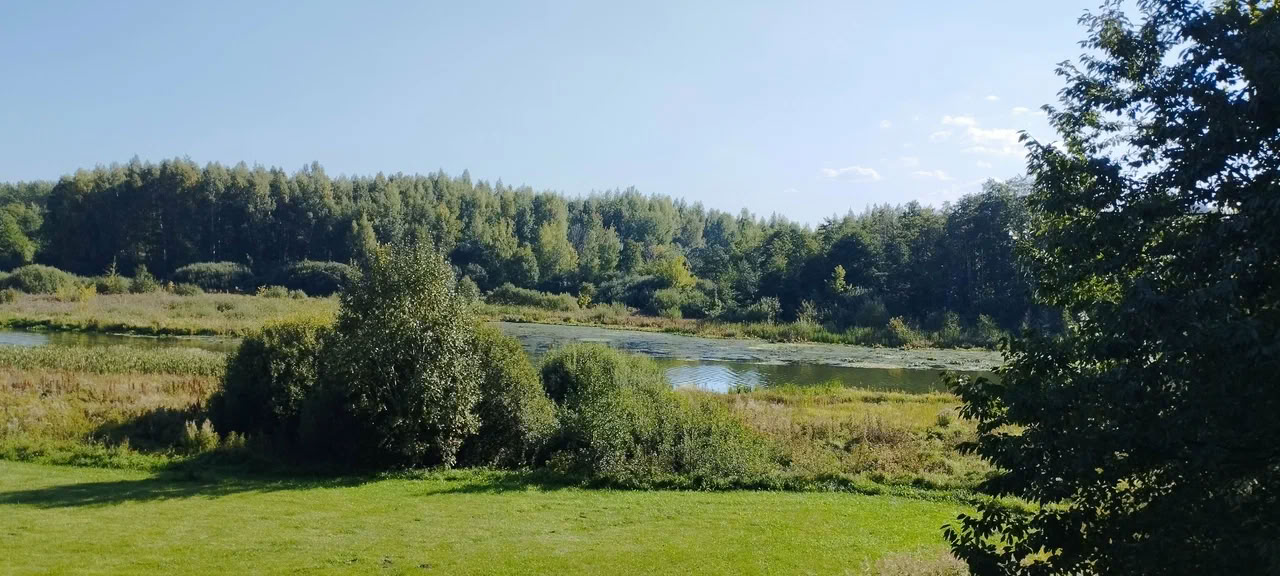
The amphitheater is tucked deep inside the park and looks like a set from a historical film. Semicircular steps of natural stone descend toward a small stage. On one side there is a wonderful view of the river; on the other, walking paths and a cycle route. The place has a special energy: you want to slow down, sit on the warm stone and simply daydream.
Festivities are sometimes held here in summer, but even on ordinary days it is perfect for creative photo shoots, romantic dates or quiet reflection.
And the amphitheater is only the beginning! Loshitsa Park itself is a wonderful place – a historic natural reserve with the atmosphere of an old country estate. Beyond the amphitheater, you will find the picturesque Loshitsa River, an old apple orchard, a stone mill and mysterious avenues filled with legends of unhappy love.
We tell you more about the famous Loshitsa Estate on our page about Minsk museums – be sure to take a look!
A Secret Courtyard – The Red Courtyard
on Romanovskaya Sloboda
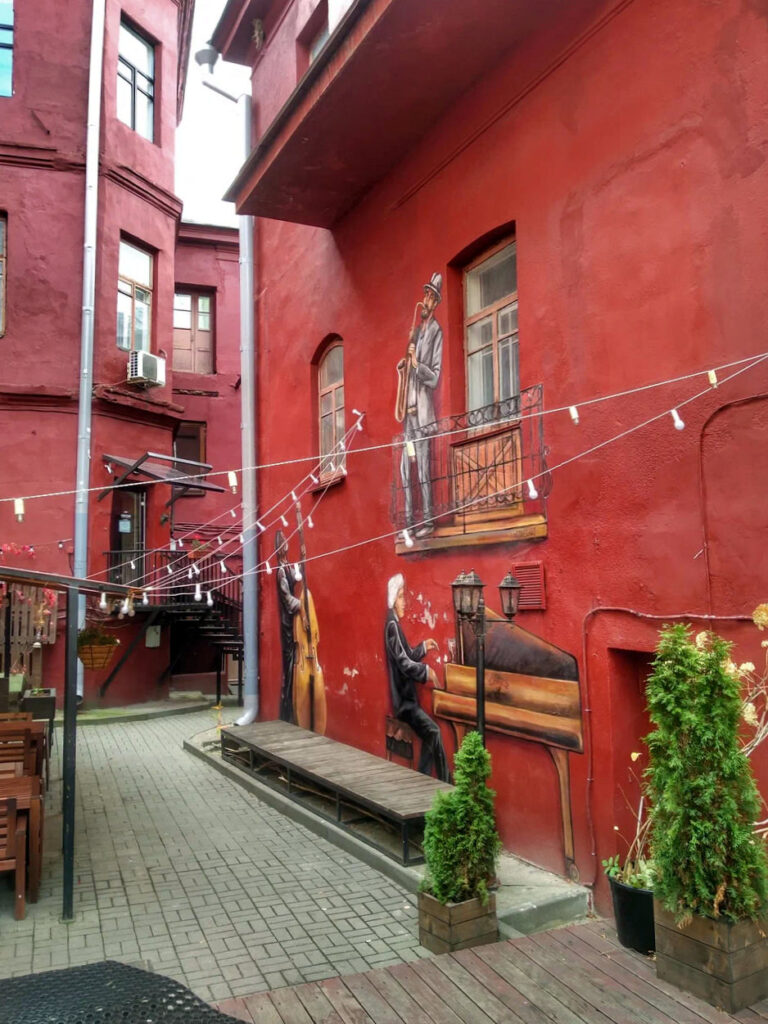
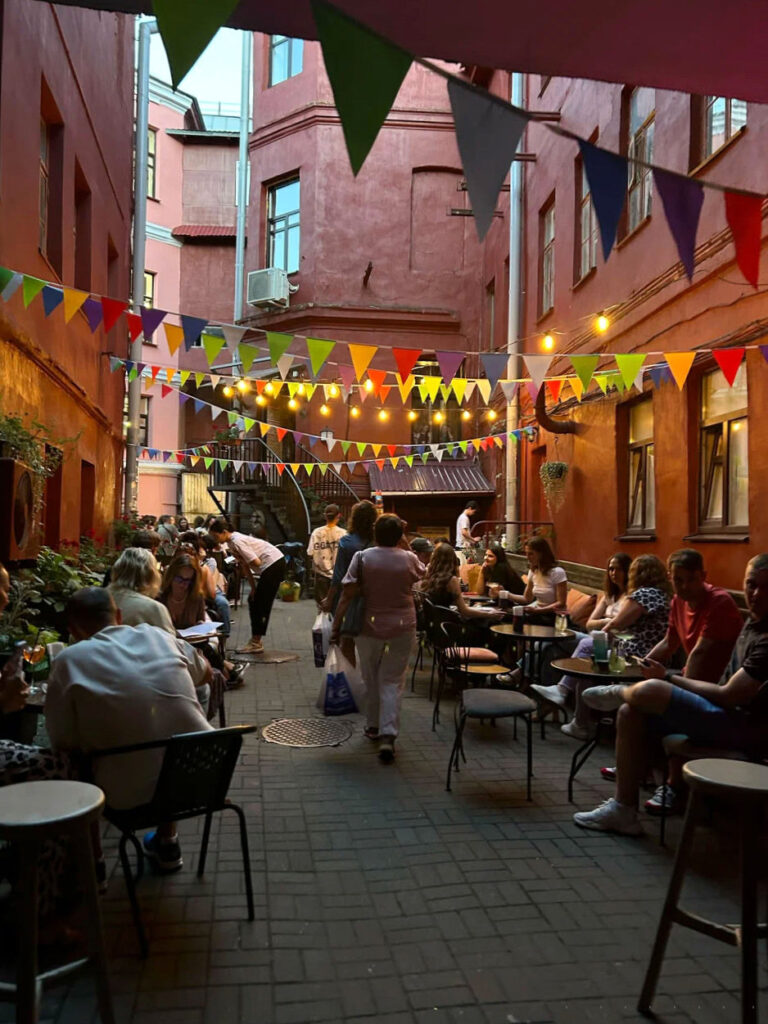
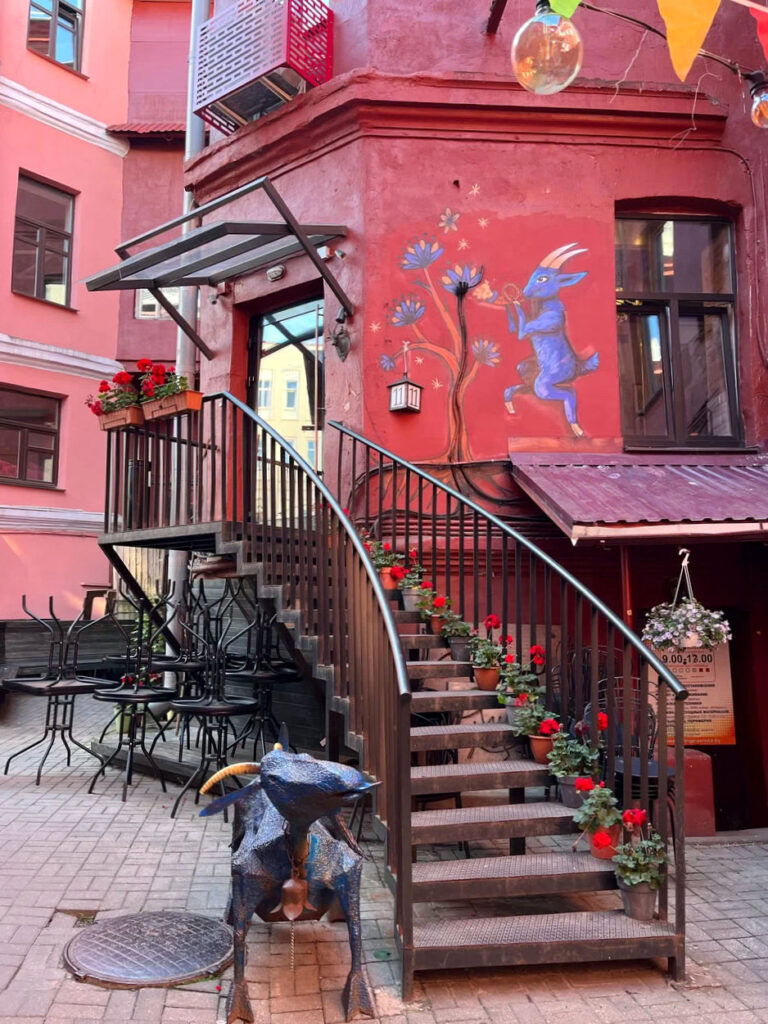
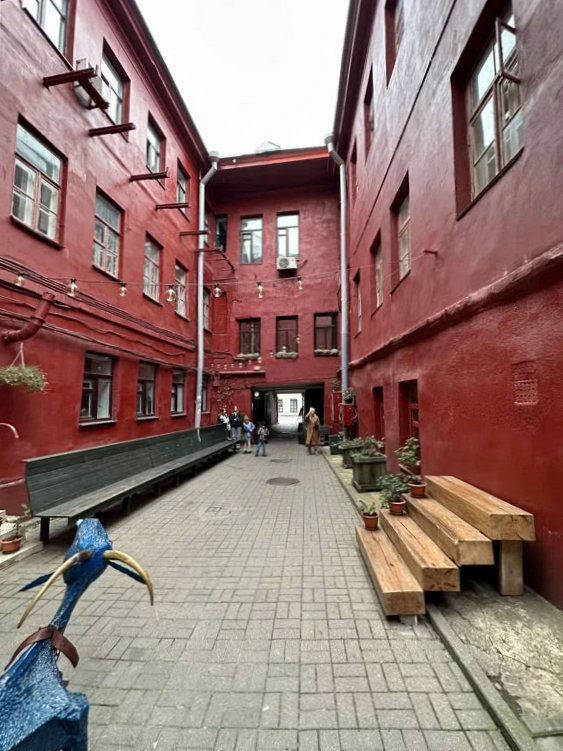
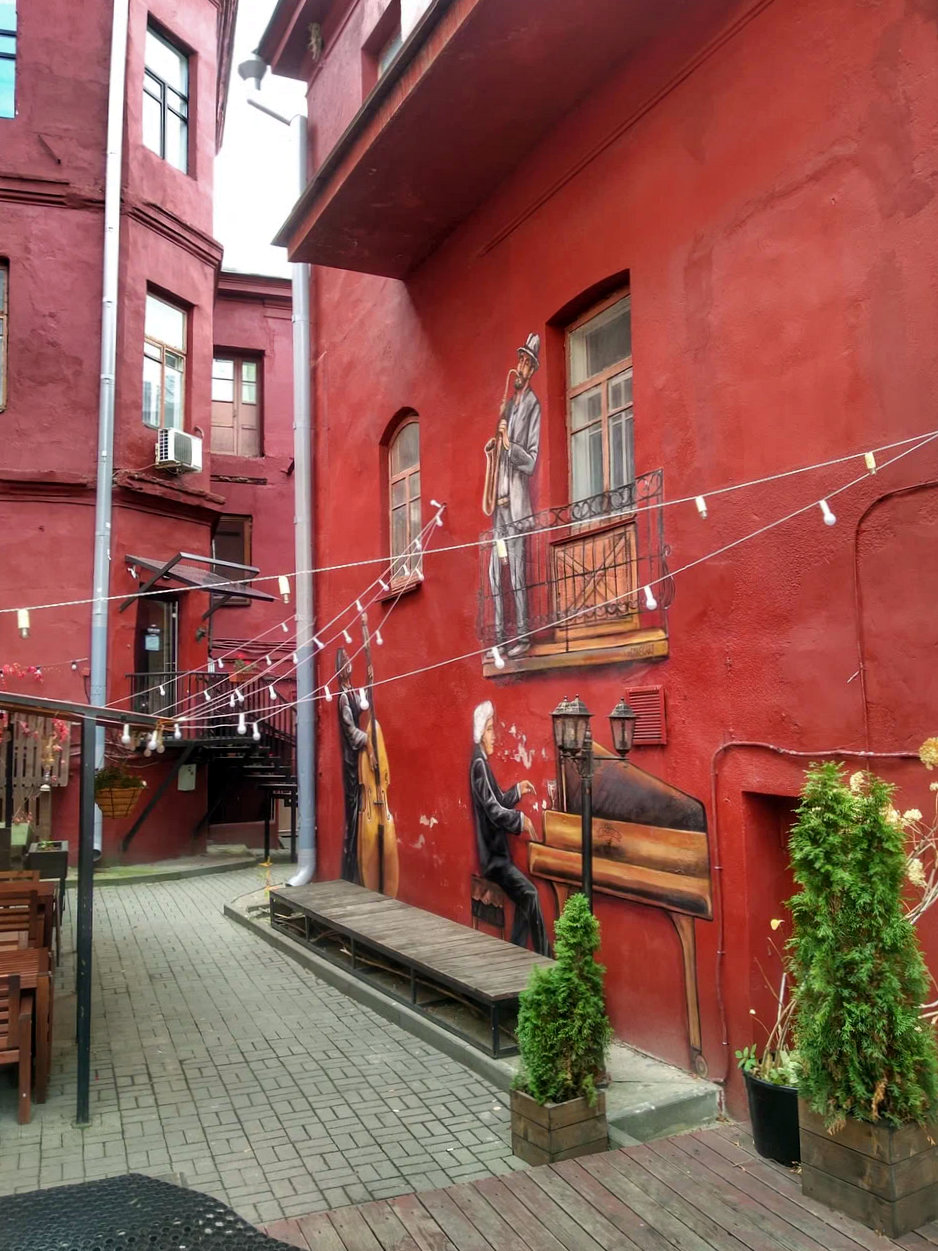
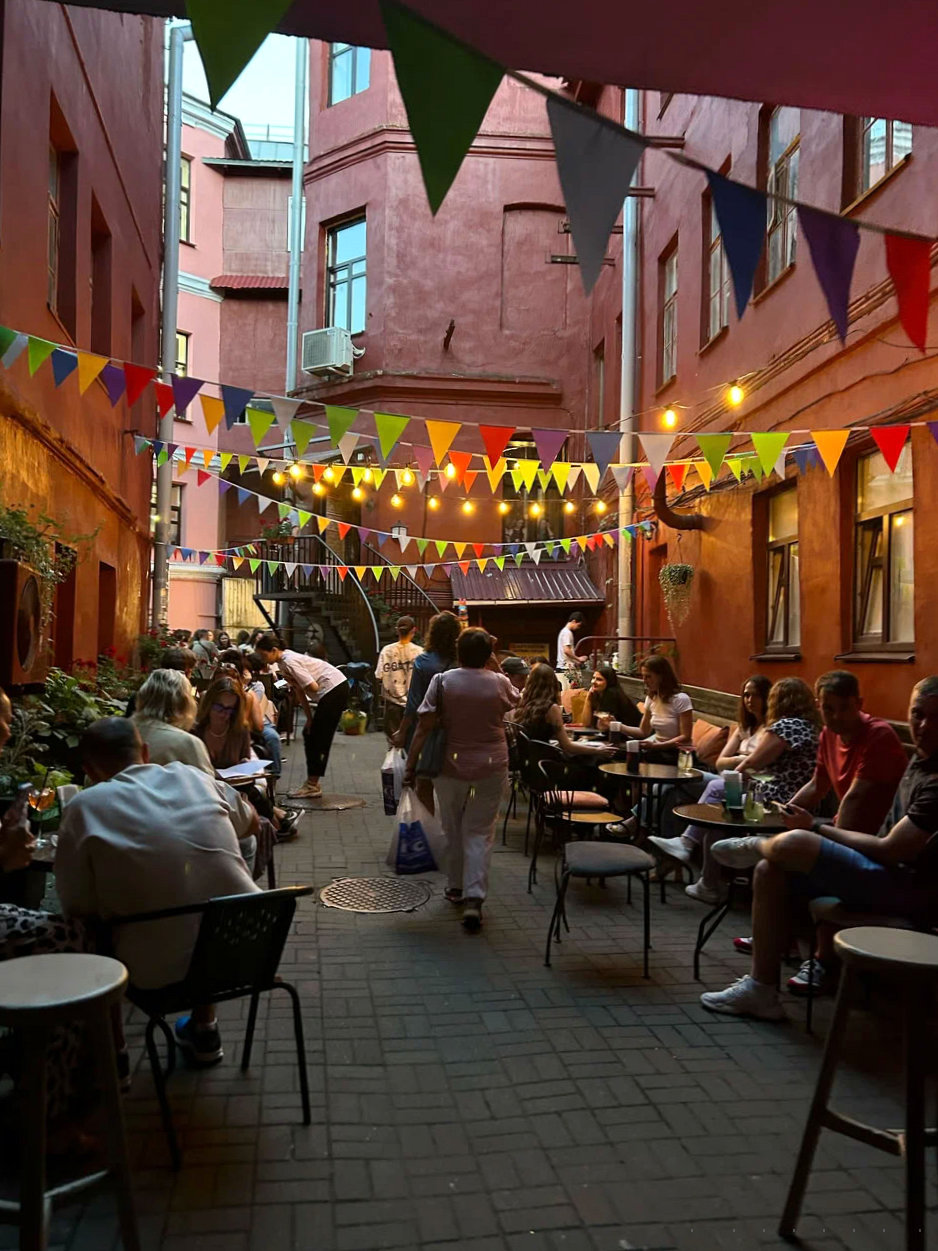
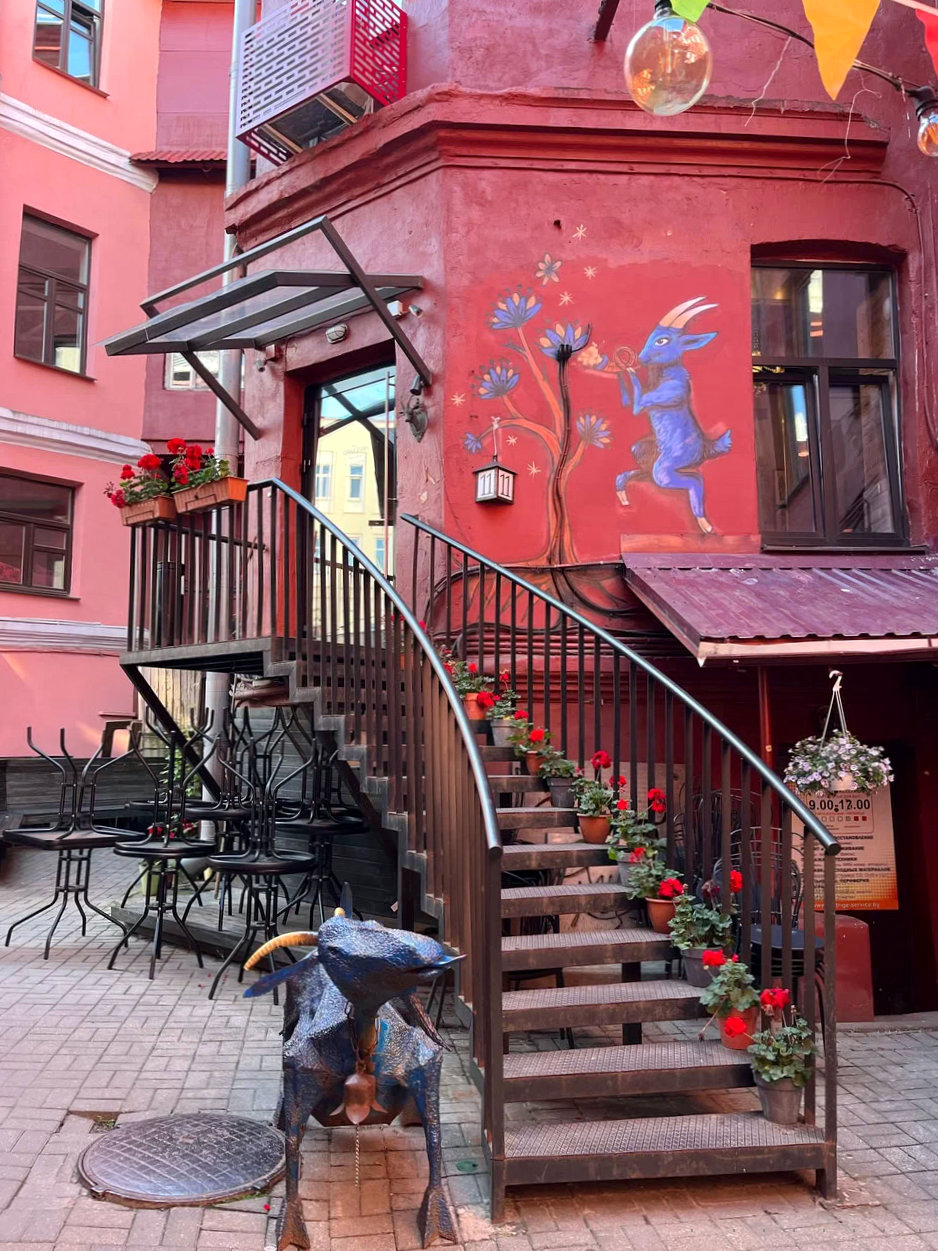
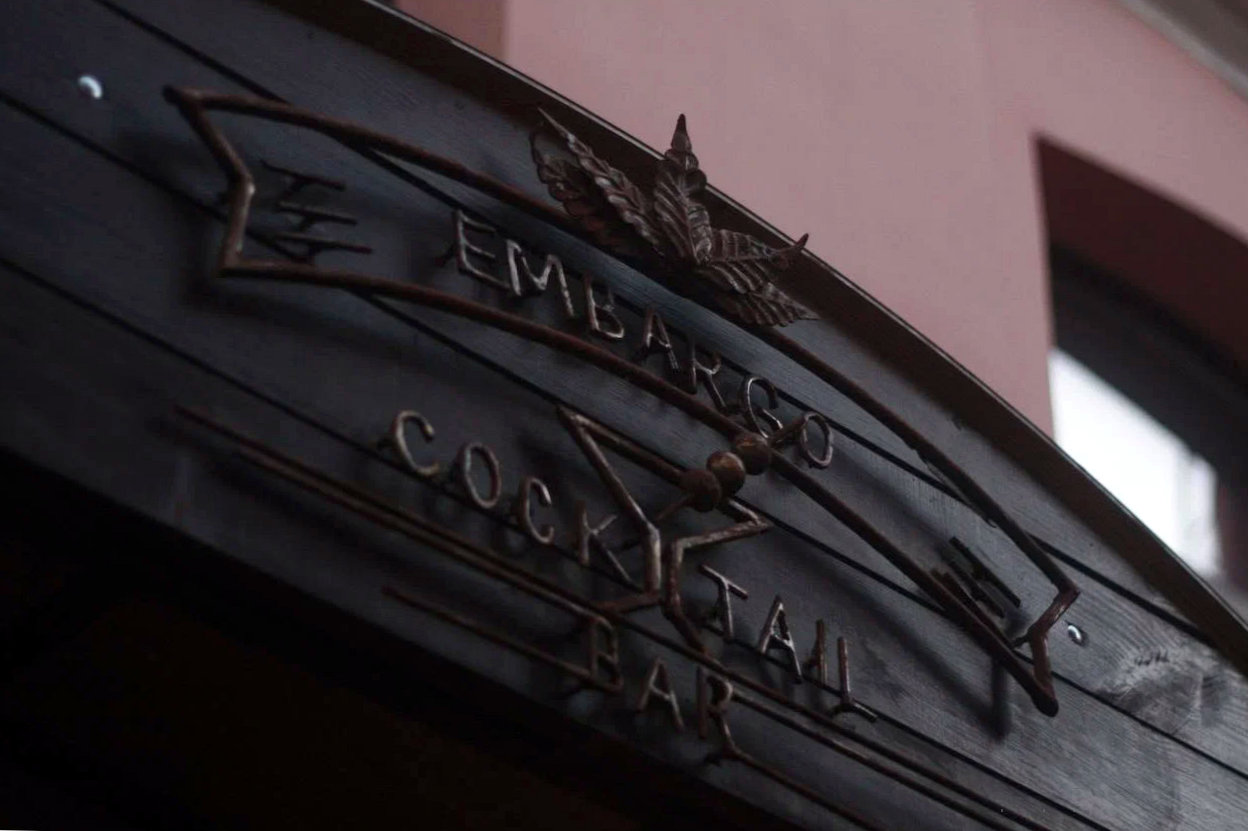
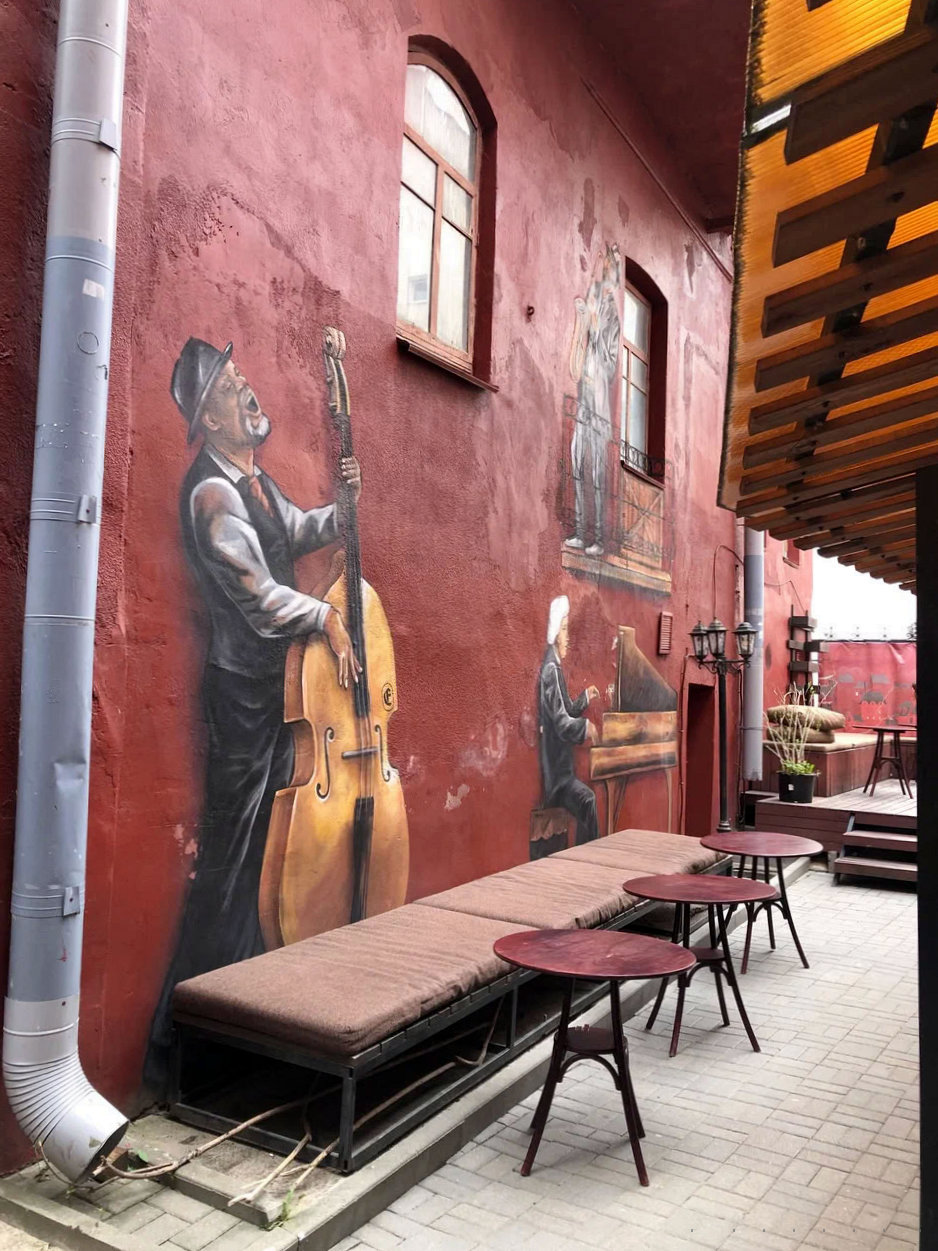
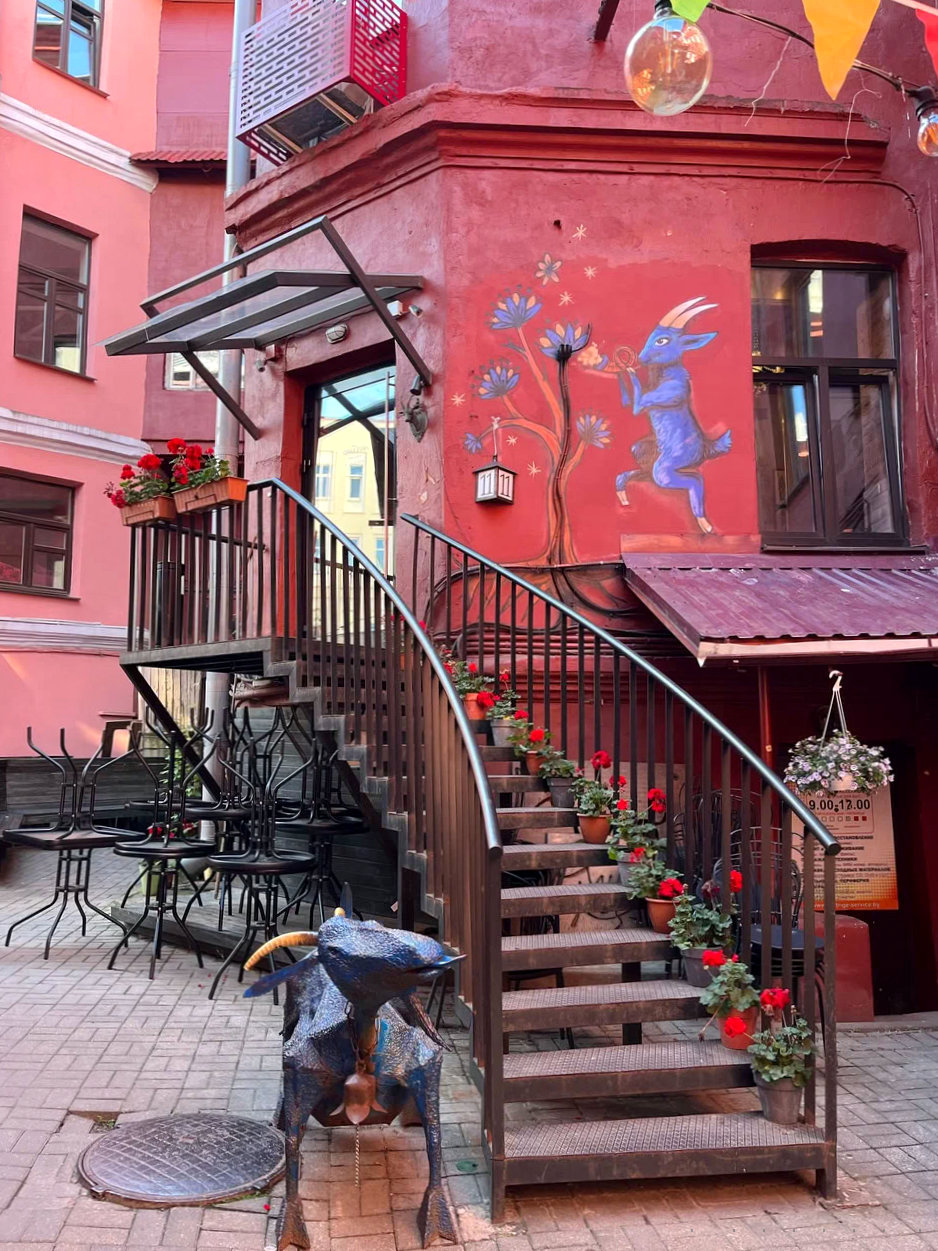
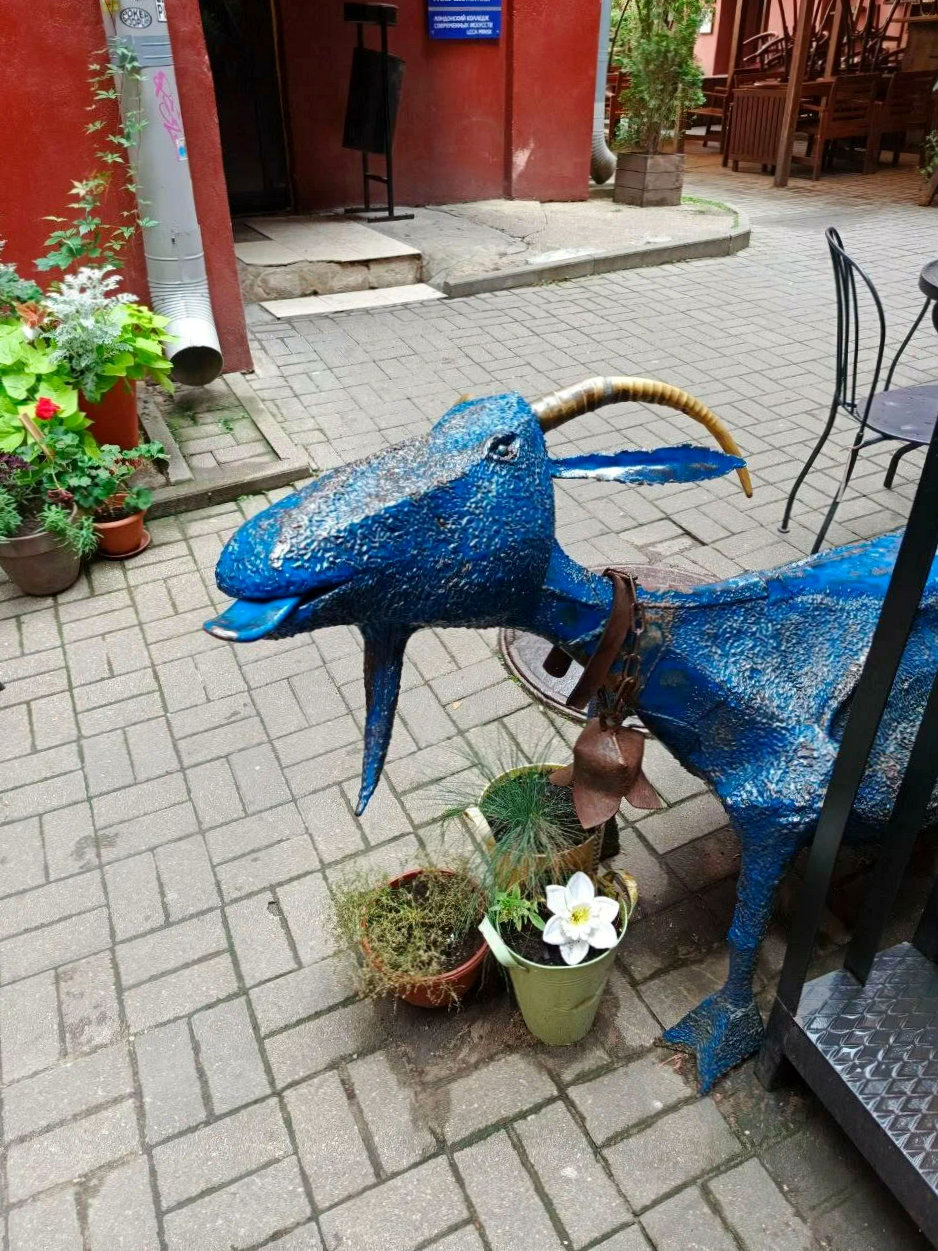
As an alternative to bustling Zybitskaya Street, we invite you into the bohemian side of Minsk: the “Red Courtyard” at 11 Komsomolskaya Street.
This place feels like a portal. Walk through an archway from the busy street, and a cozy world of red brick, warm fairy lights and creativity opens before you. There is no pretension, just the intimate, welcoming atmosphere locals love.
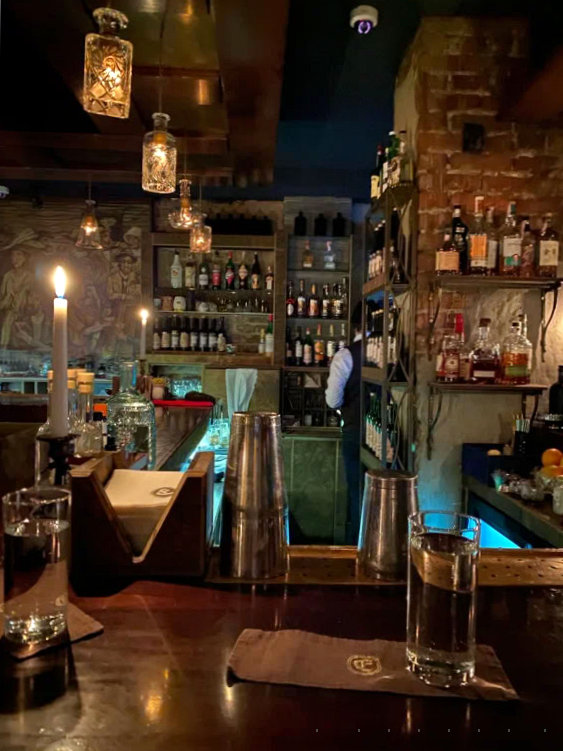
The “Red Courtyard” is a small place with a big personality. There are just two venues, but both are memorable! First is the legendary “Sinyaya Koza” bar, known for its character, signature cocktails and relaxed atmosphere that makes you feel at home among old friends.
If you want something different, the neighboring “Embargo” bar-café is ideal for a hearty dinner, a good glass of wine or a long conversation with friends.
- “Sinyaya Koza” Bar
- “Embargo” Bar and Café
Labyrinths of the Old Town – Upper Town
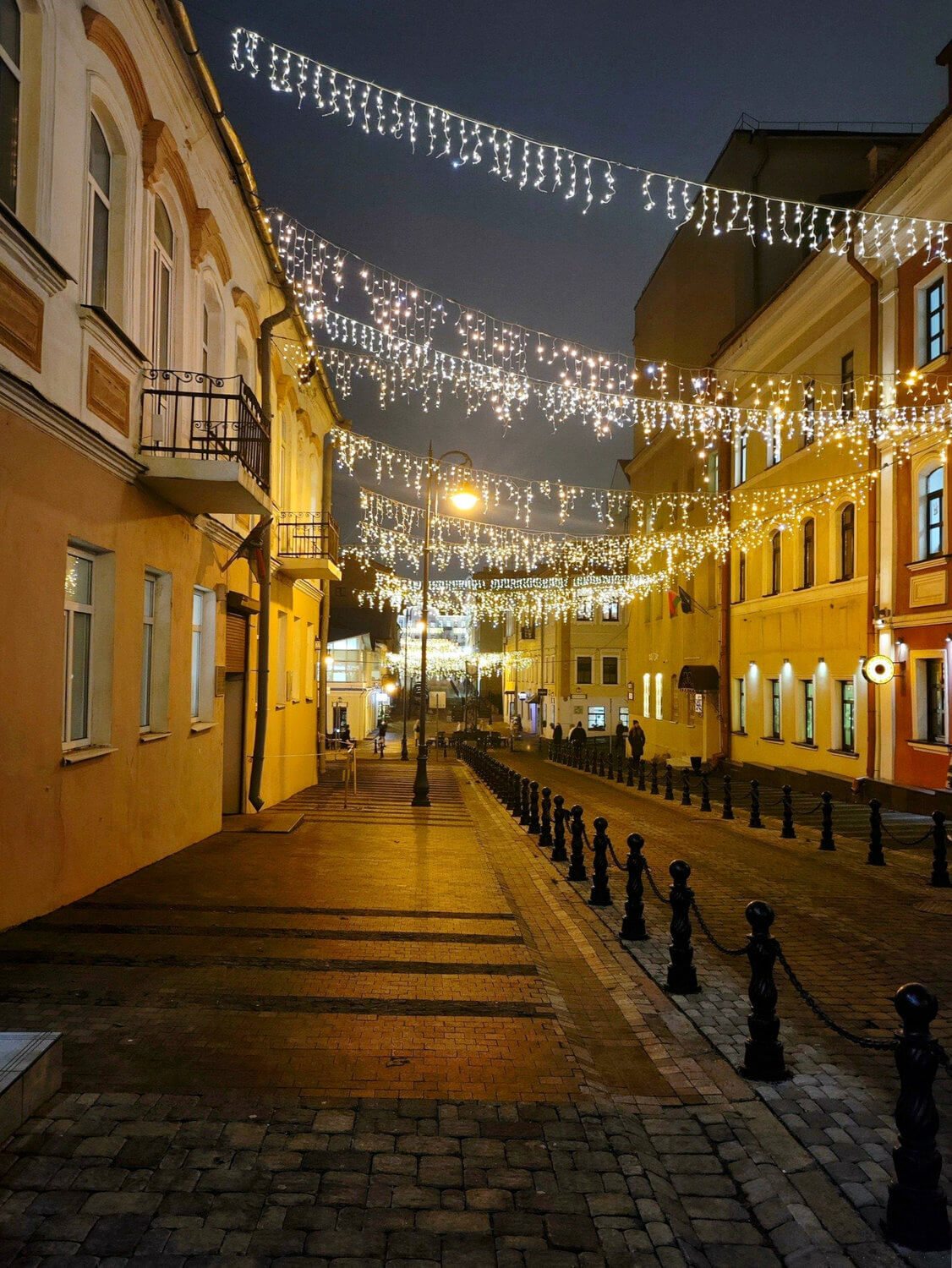
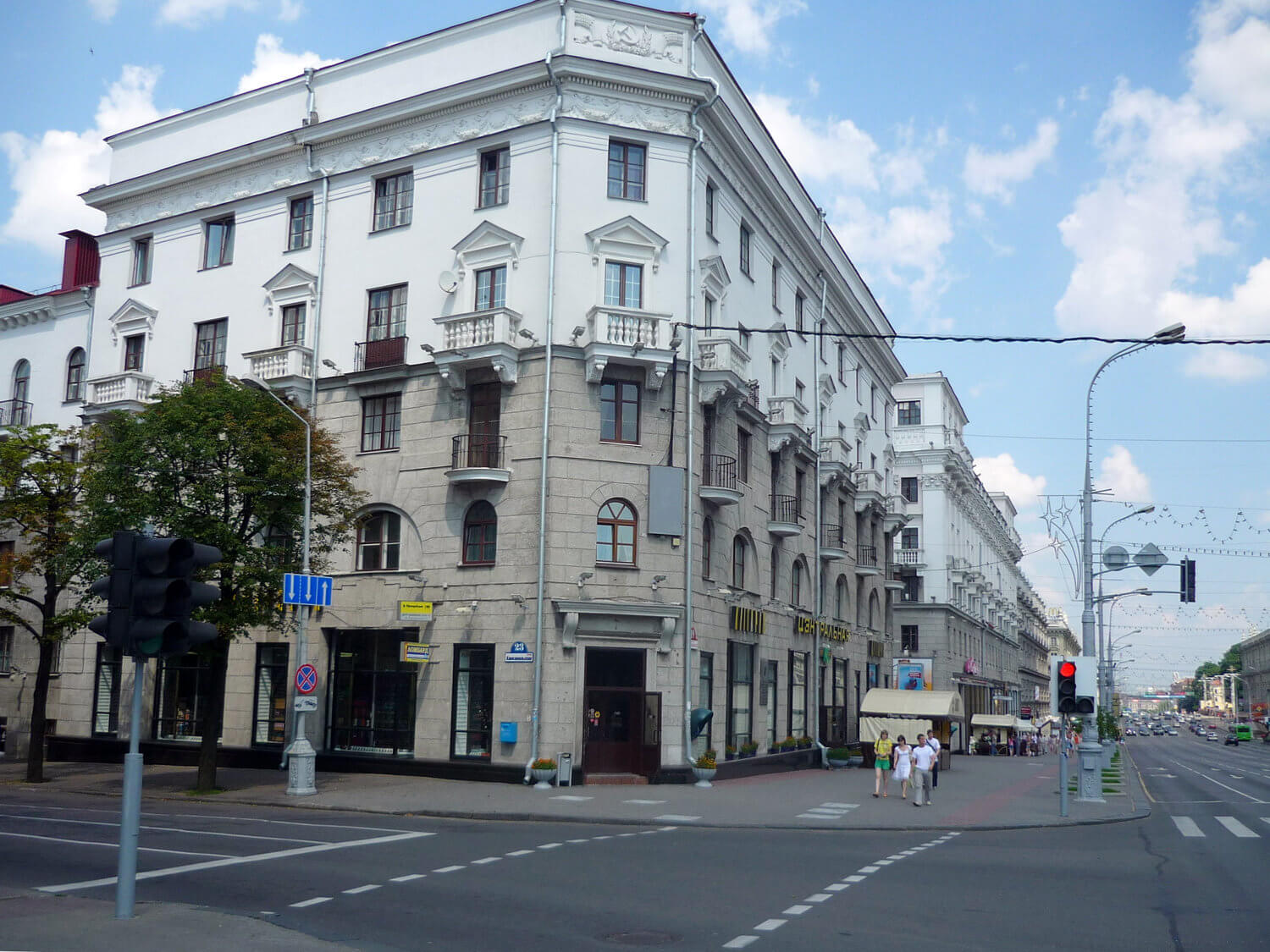
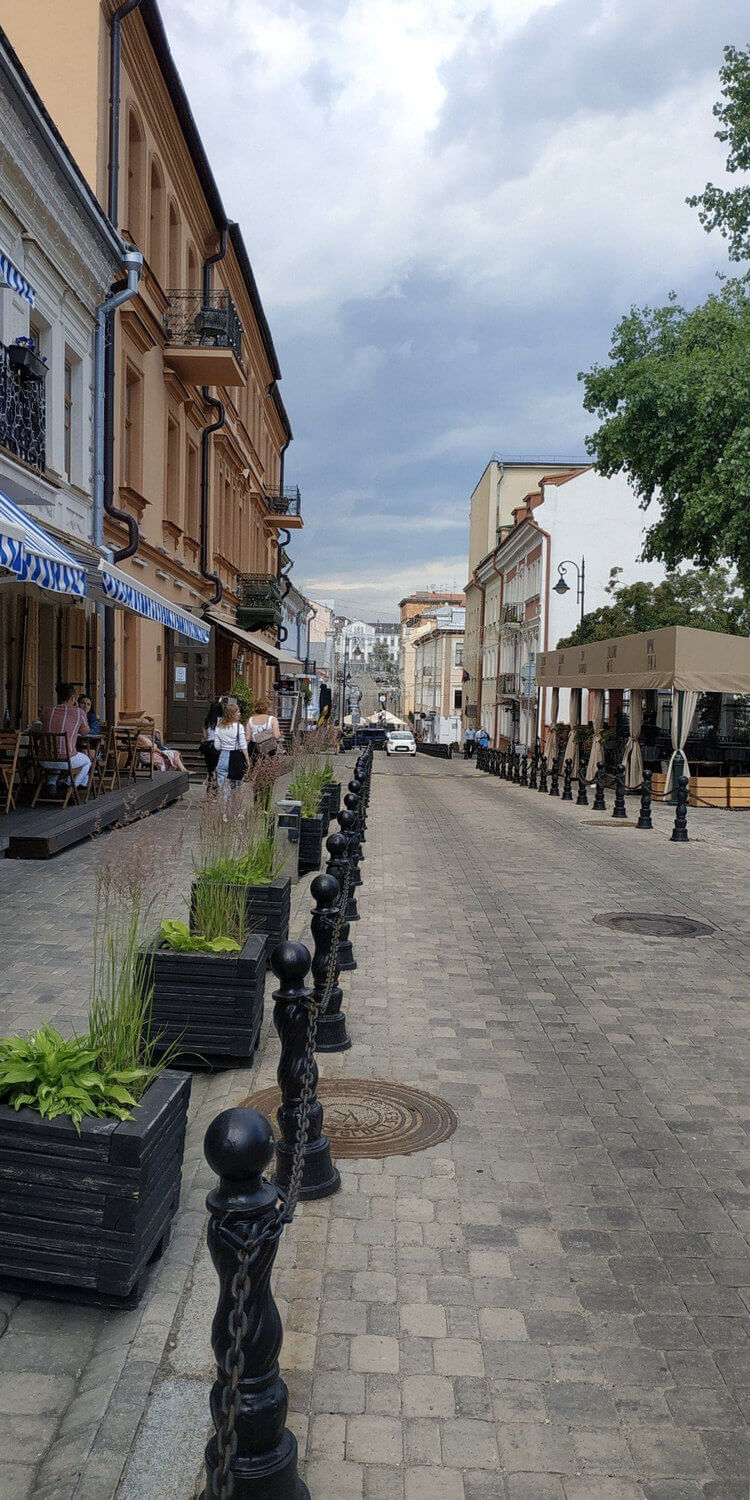
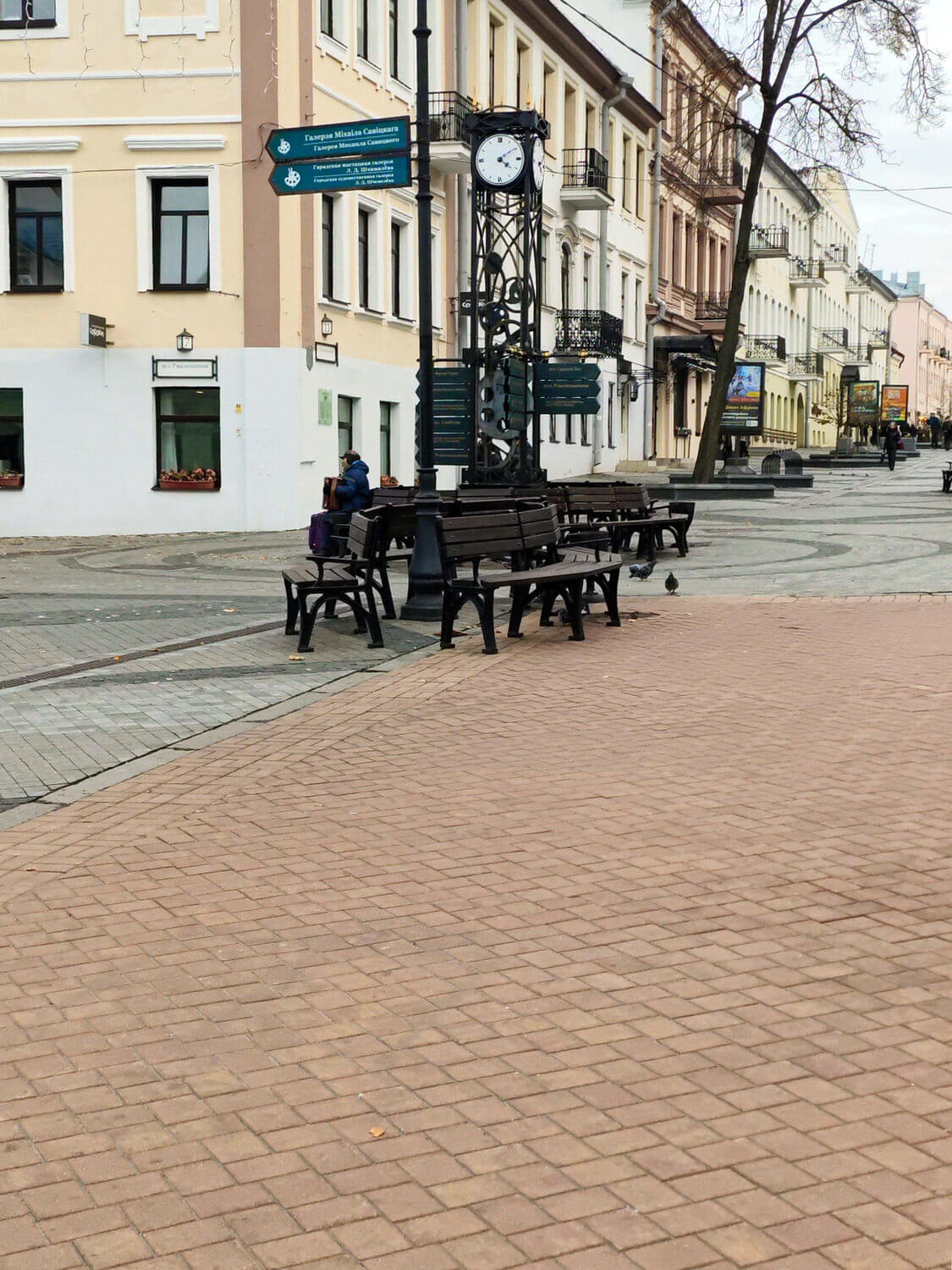
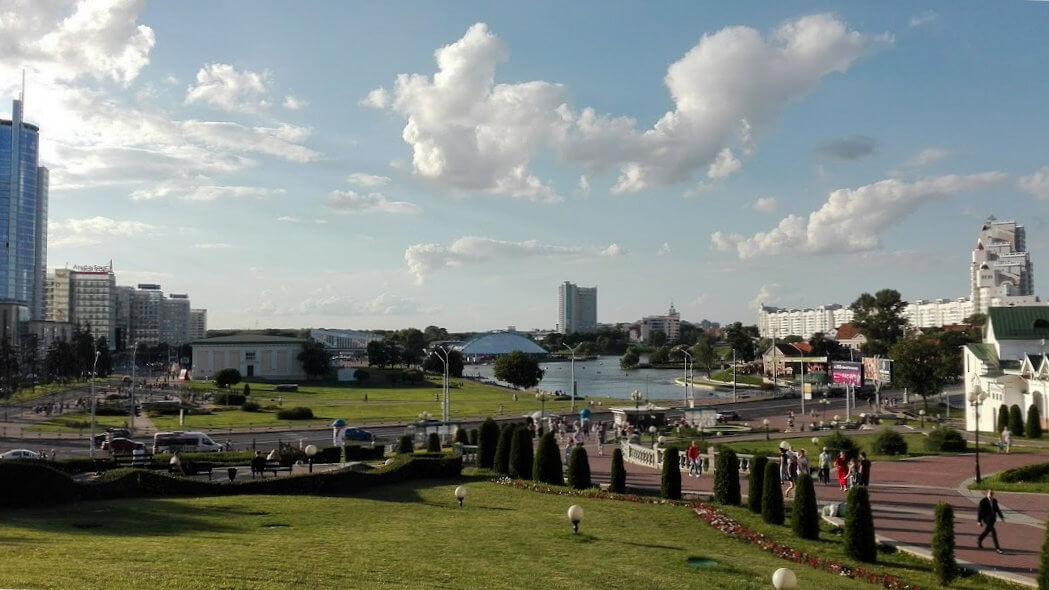
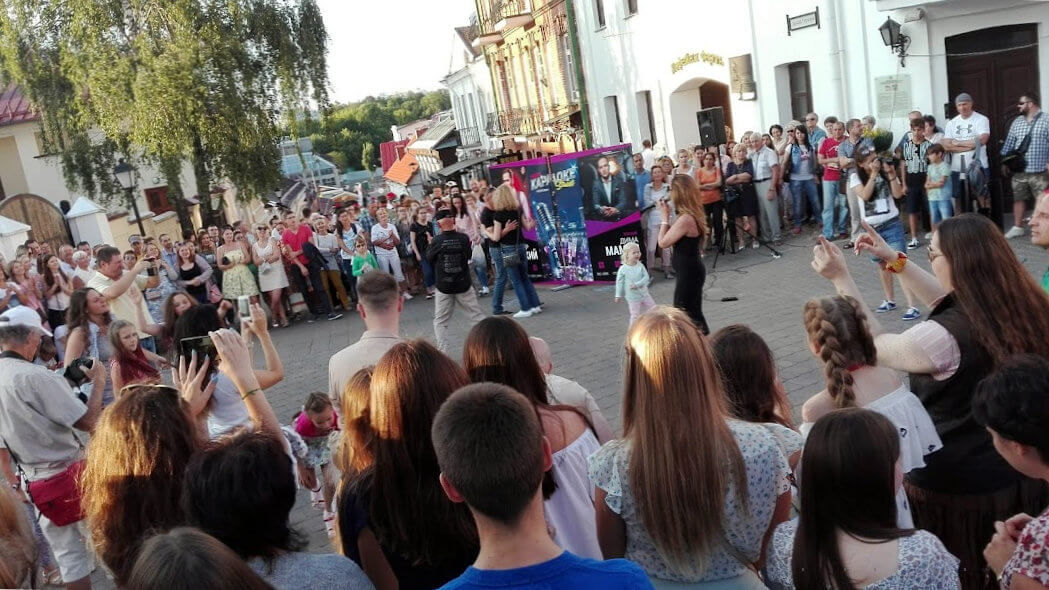
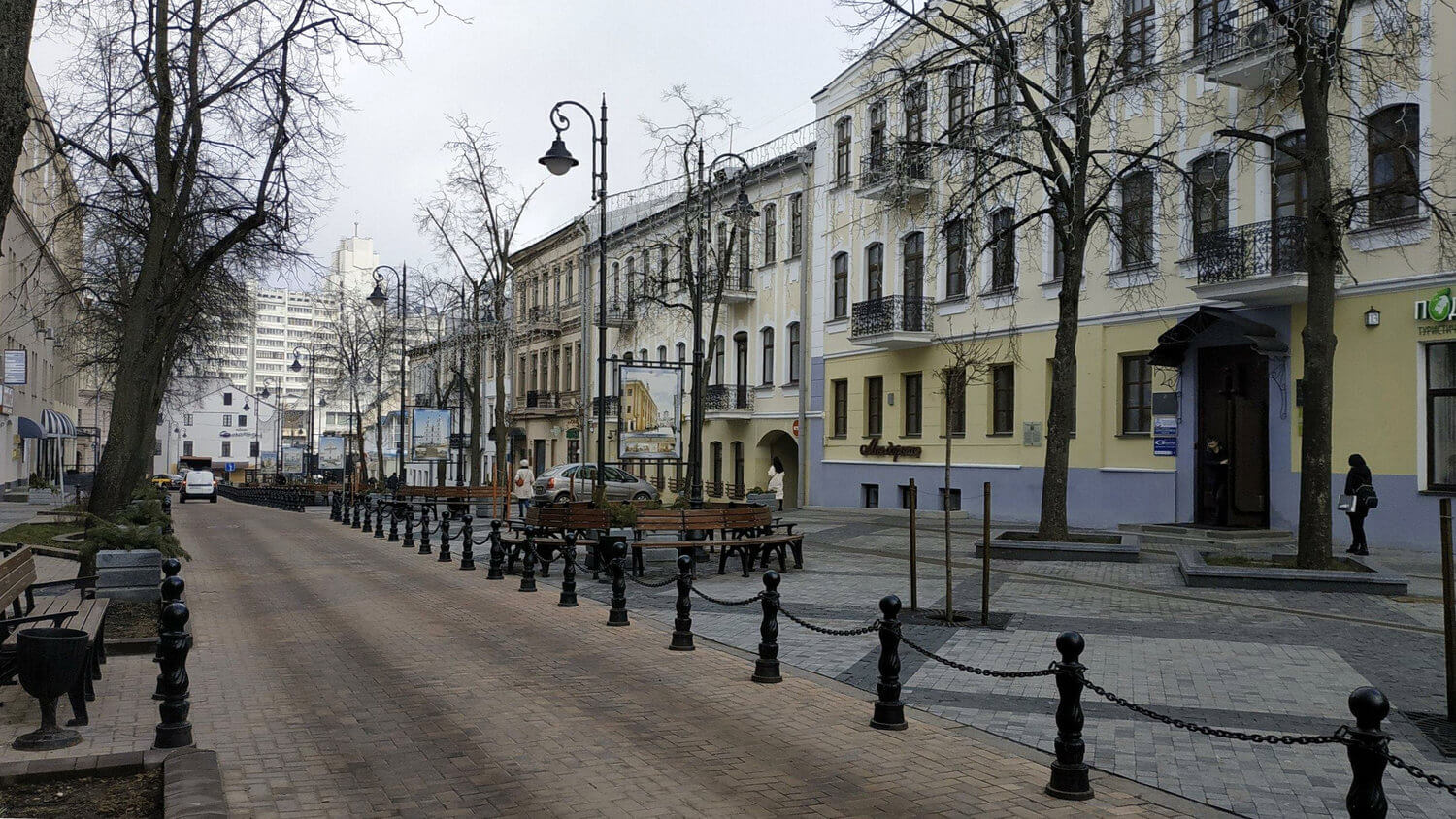
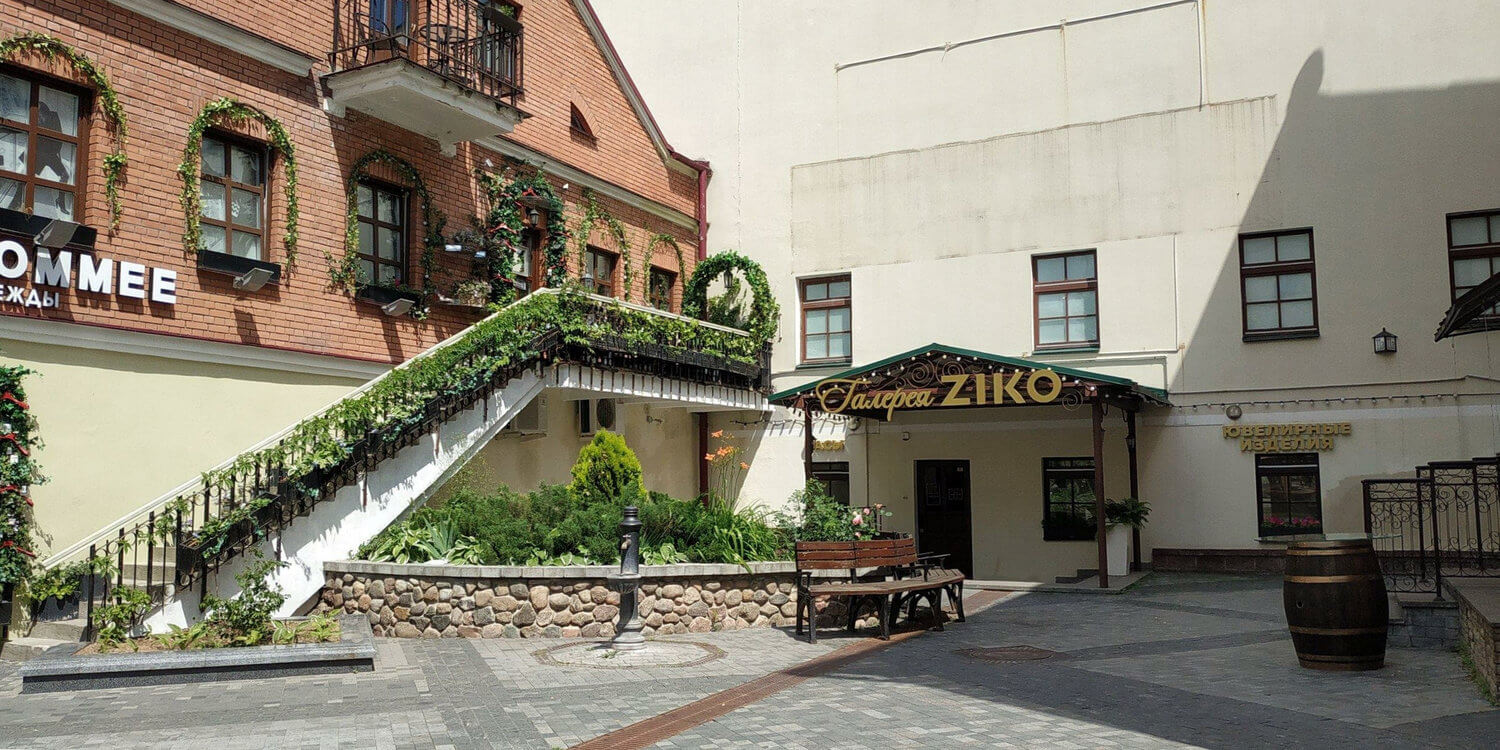
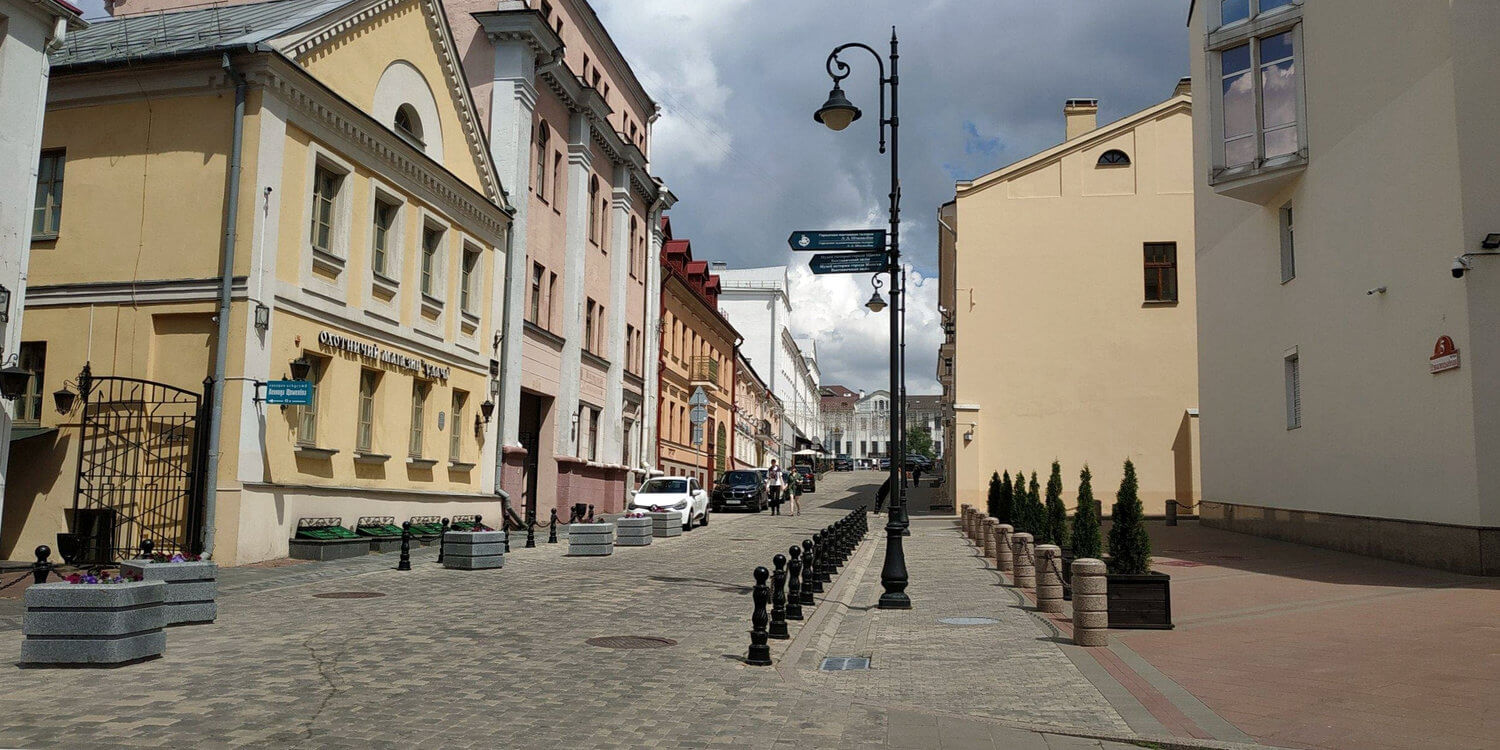
Let’s take another look at the Upper Town. Forget the bustling Freedom Square, street musicians and souvenir stalls, and step into a place where the soul of medieval Minsk still survives.
This is the hidden side of the tourist façade. Just a few steps off the main streets, through a narrow archway, and you find another world: quiet inner courtyards where time seems to stand still. There are no tourist crowds, only old brickwork and the sense of stepping onto a historical film set.
The most interesting details hide both underfoot and overhead. Many buildings still have authentic cellars dating from the 15th to the 18th centuries, vaulted rough-stone ceilings and low doorways. Today they house little cafés and wine bars known mainly to locals.
Be sure to look up: many courtyards still have internal wooden balconies with carved railings, genuine remnants of the old architecture. In the most secluded corners, old cobblestones sometimes appear underfoot – the same kind of paving Minsk residents walked on centuries ago.
This is a neighborhood for wandering slowly. You want to lose yourself in a labyrinth of lanes, step into a tiny unmarked café where the barista remembers your name, and simply breathe in the history.
A Waterside Memorial – Island of Tears
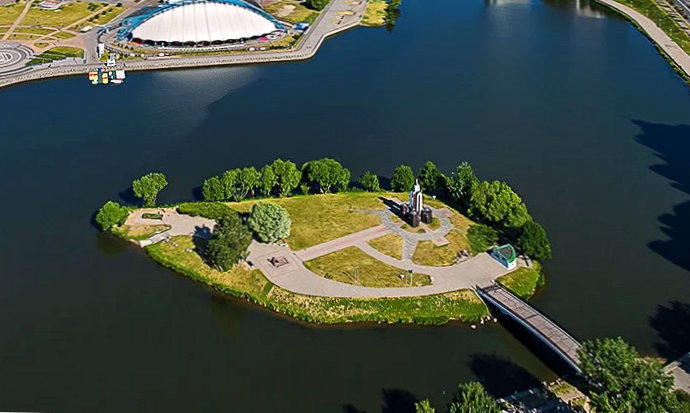
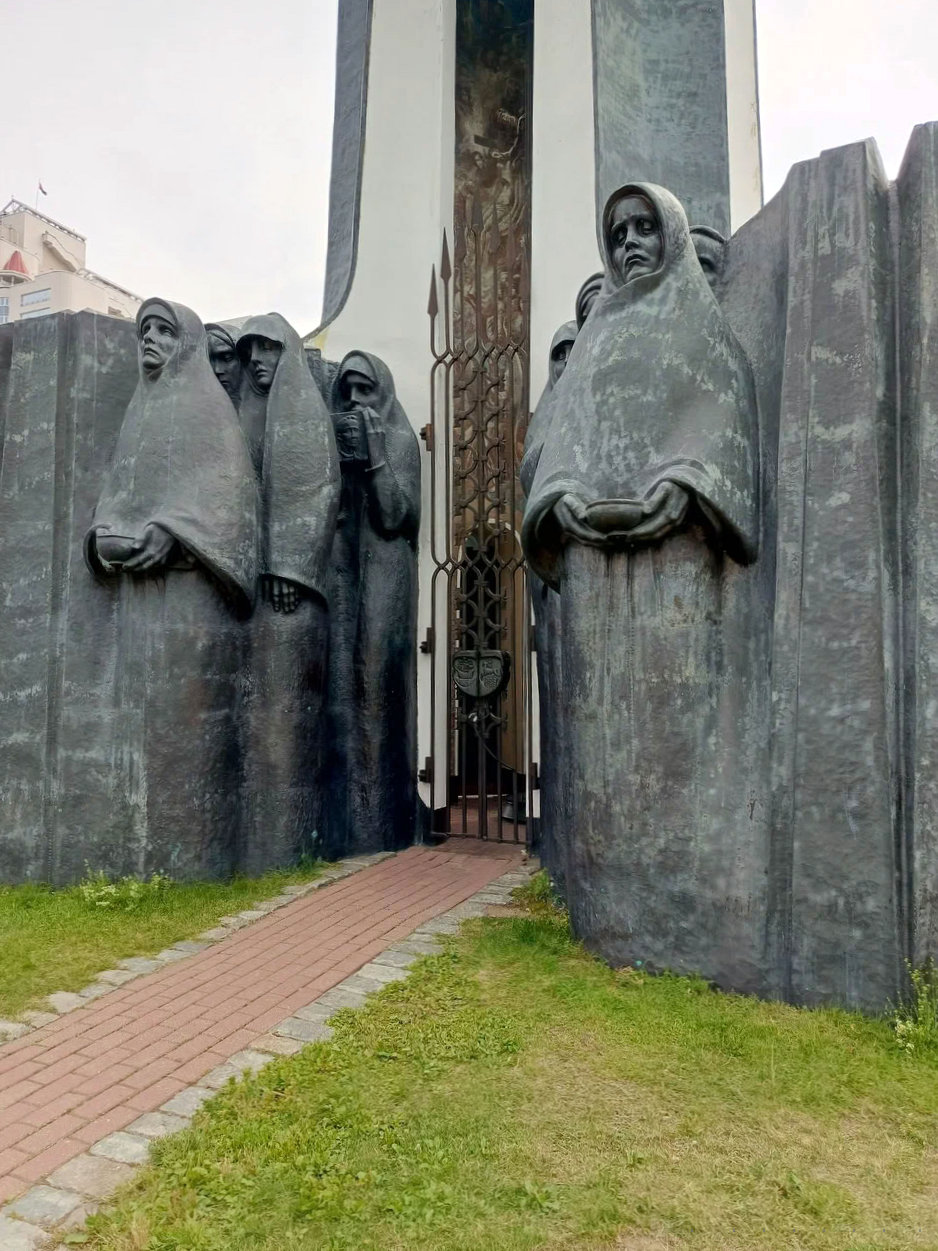

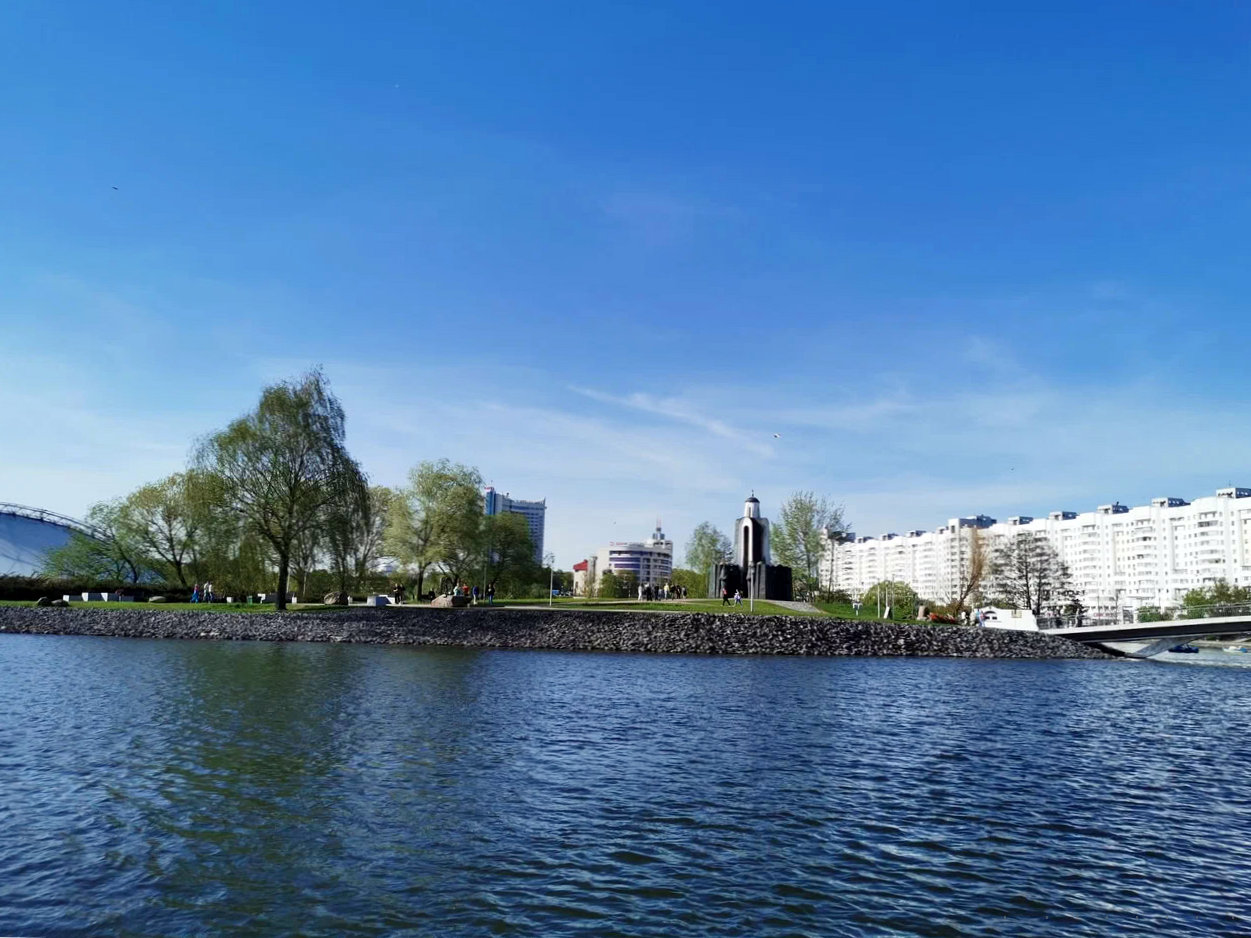
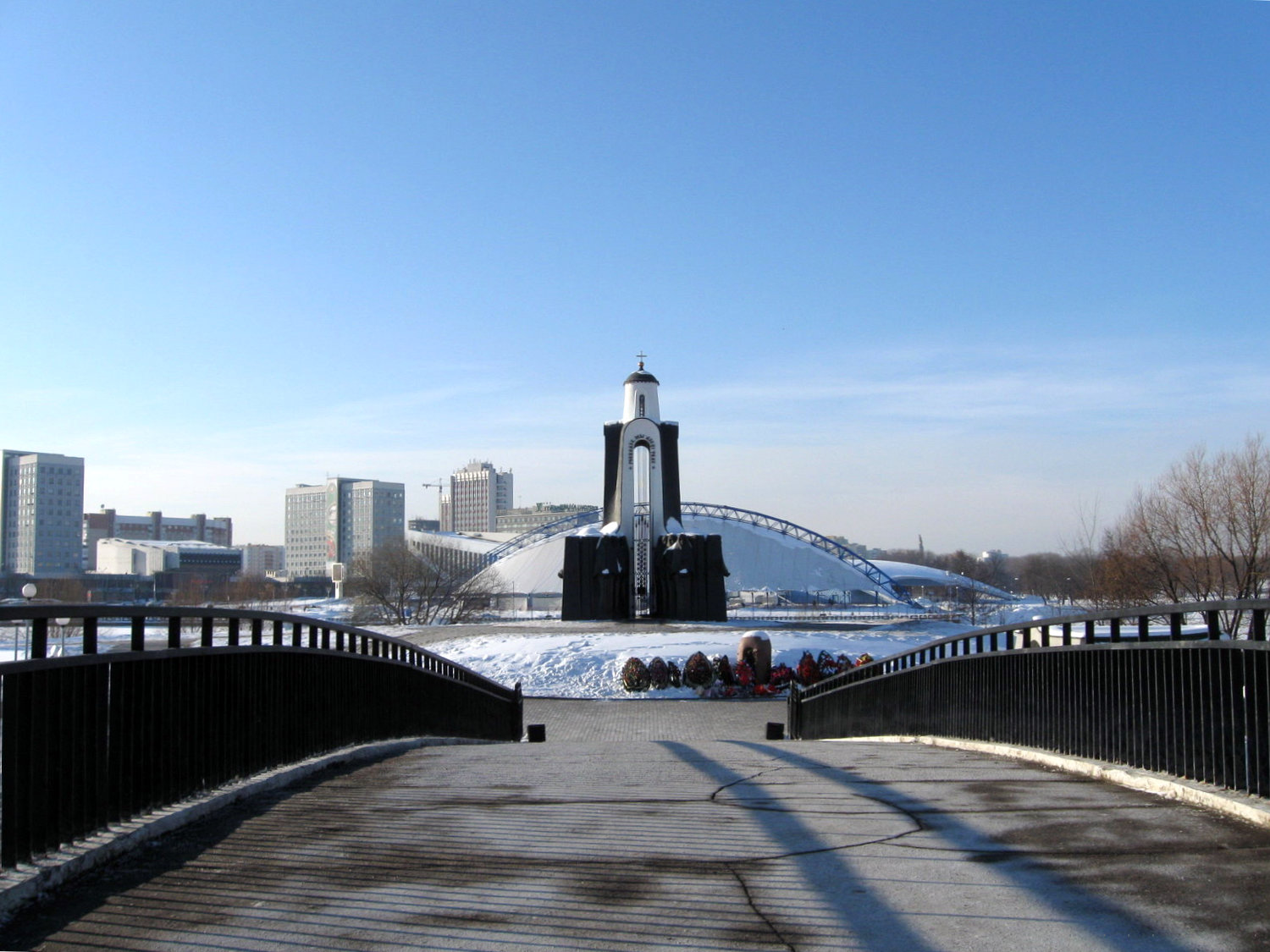
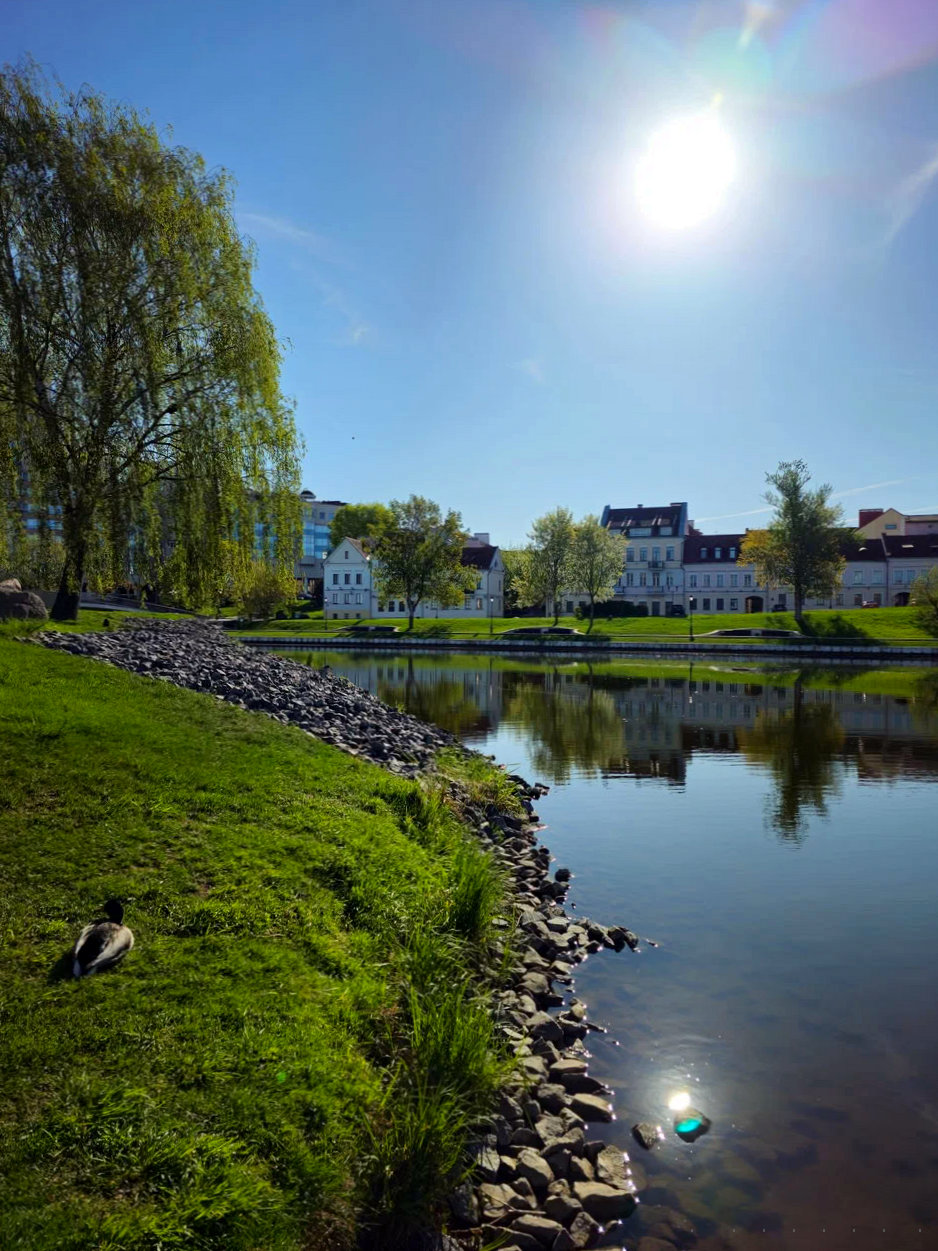
This is a special place – quiet, moving and very beautiful: the Island of Tears.
This memorial complex occupies a small artificial island in the Svislach River and commemorates soldiers who served in foreign conflicts. To reach it, cross a graceful pedestrian bridge and feel as though you have stepped from the bustling city into another dimension. With water all around and leaves rustling in the trees, the noise of the avenues seems far away.
At the center of the island stands a chapel. Its architecture recalls ancient churches of the 11th century. Its restrained lines and noble stone convey a profound sense of spirituality, inviting you into a moment of inner stillness.
The Island of Tears is a place for reflection. Minsk residents come here to be silent, think and spend time alone. People do not speak loudly, laugh or hurry. You can sit on a bench by the water, watch the Svislach flow and let your worries drift away.
Waterfront Urbanism and Wild Riverbanks –
Lakeside Park and the “Tsna” Nature Trail
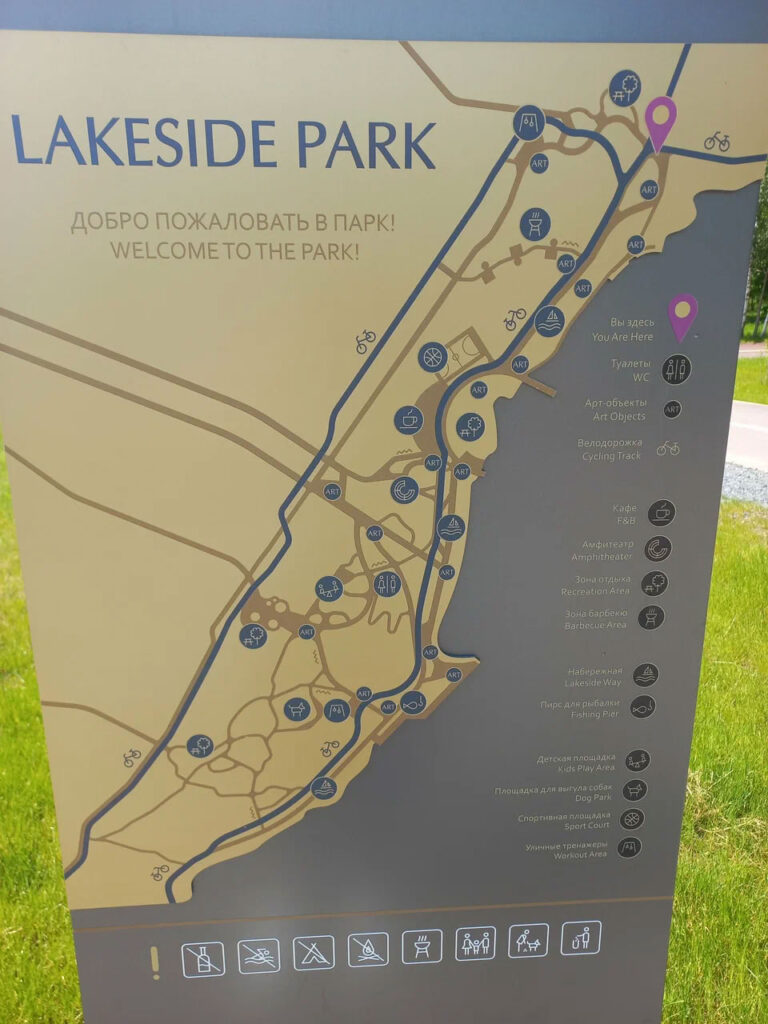
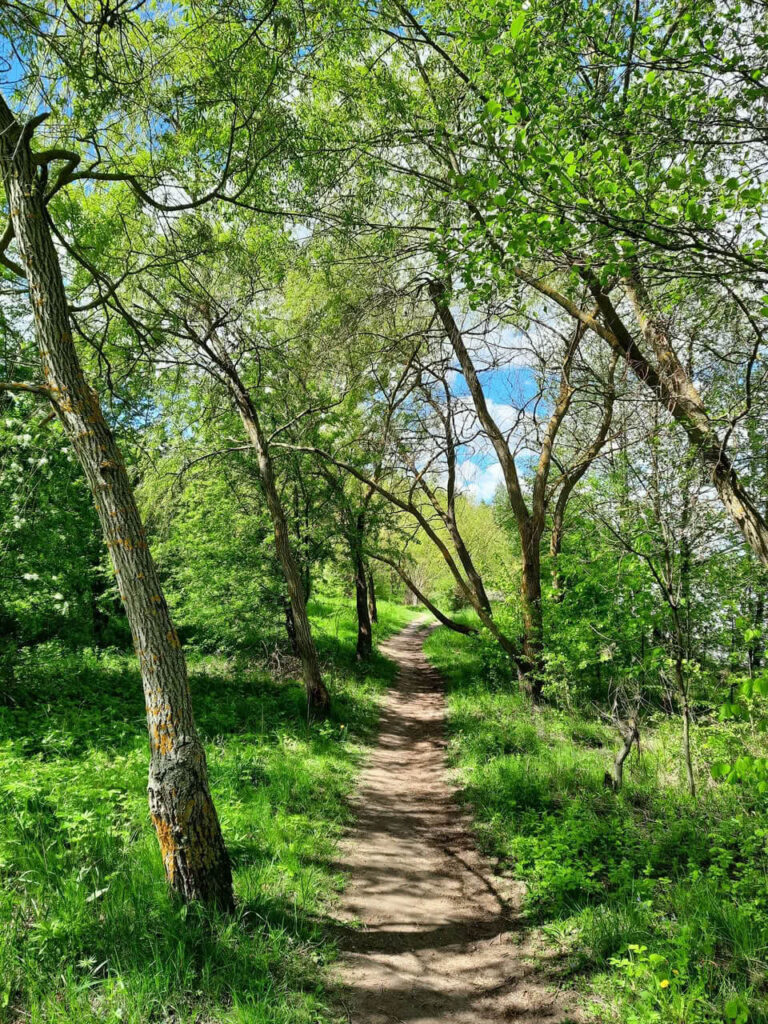
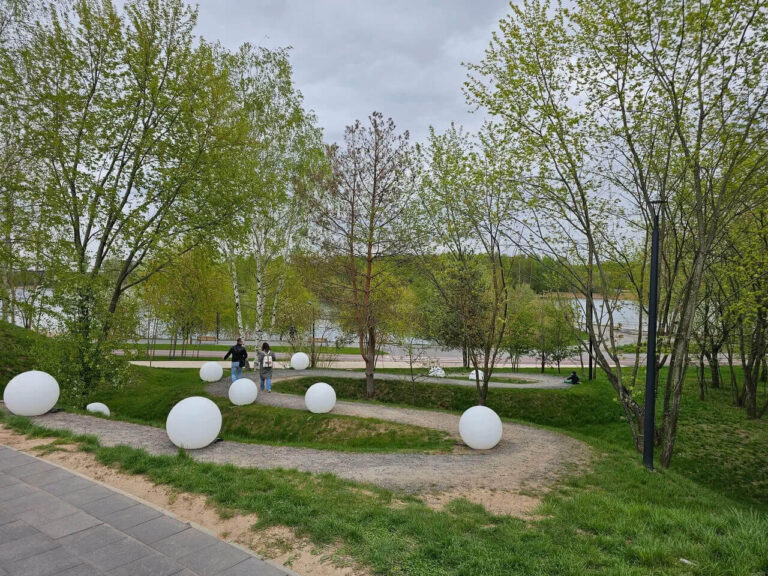
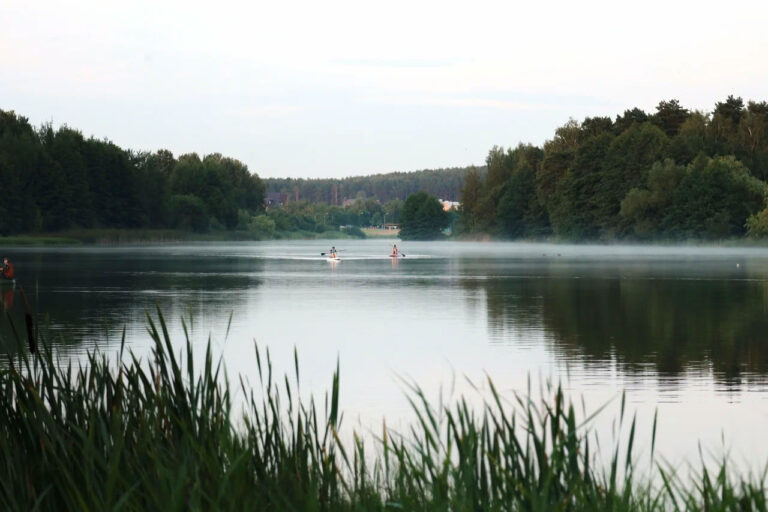
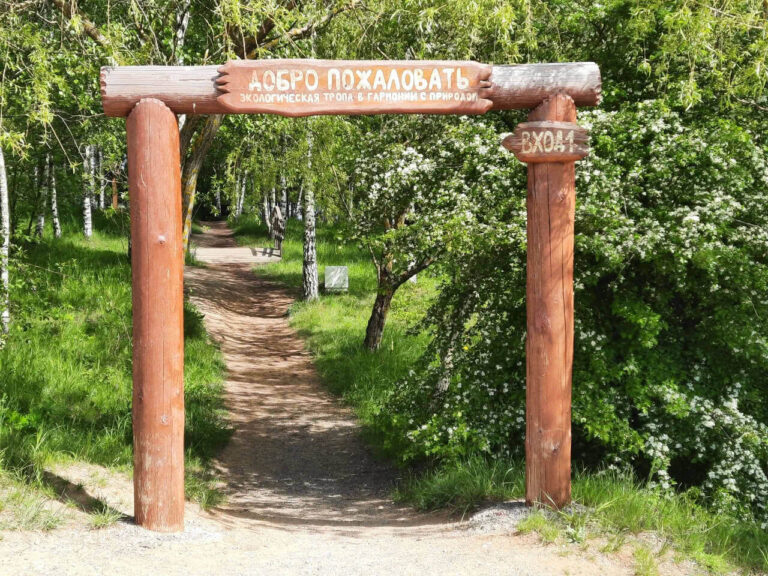
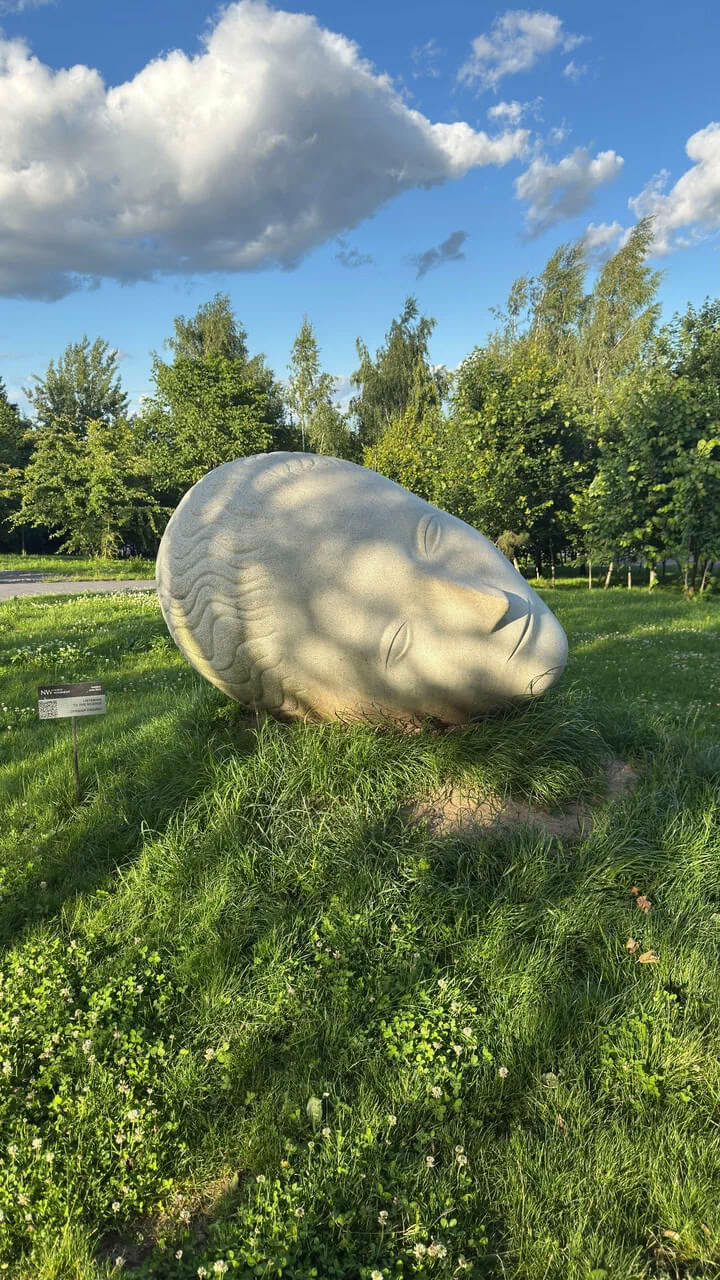
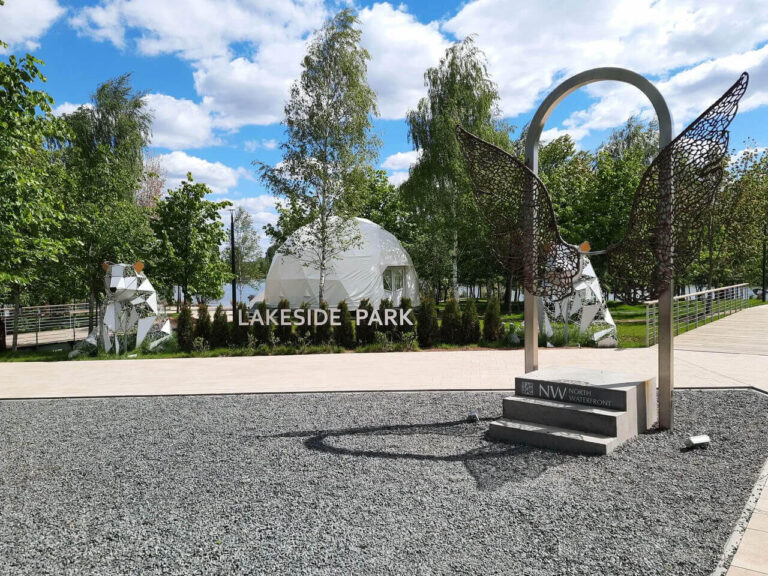
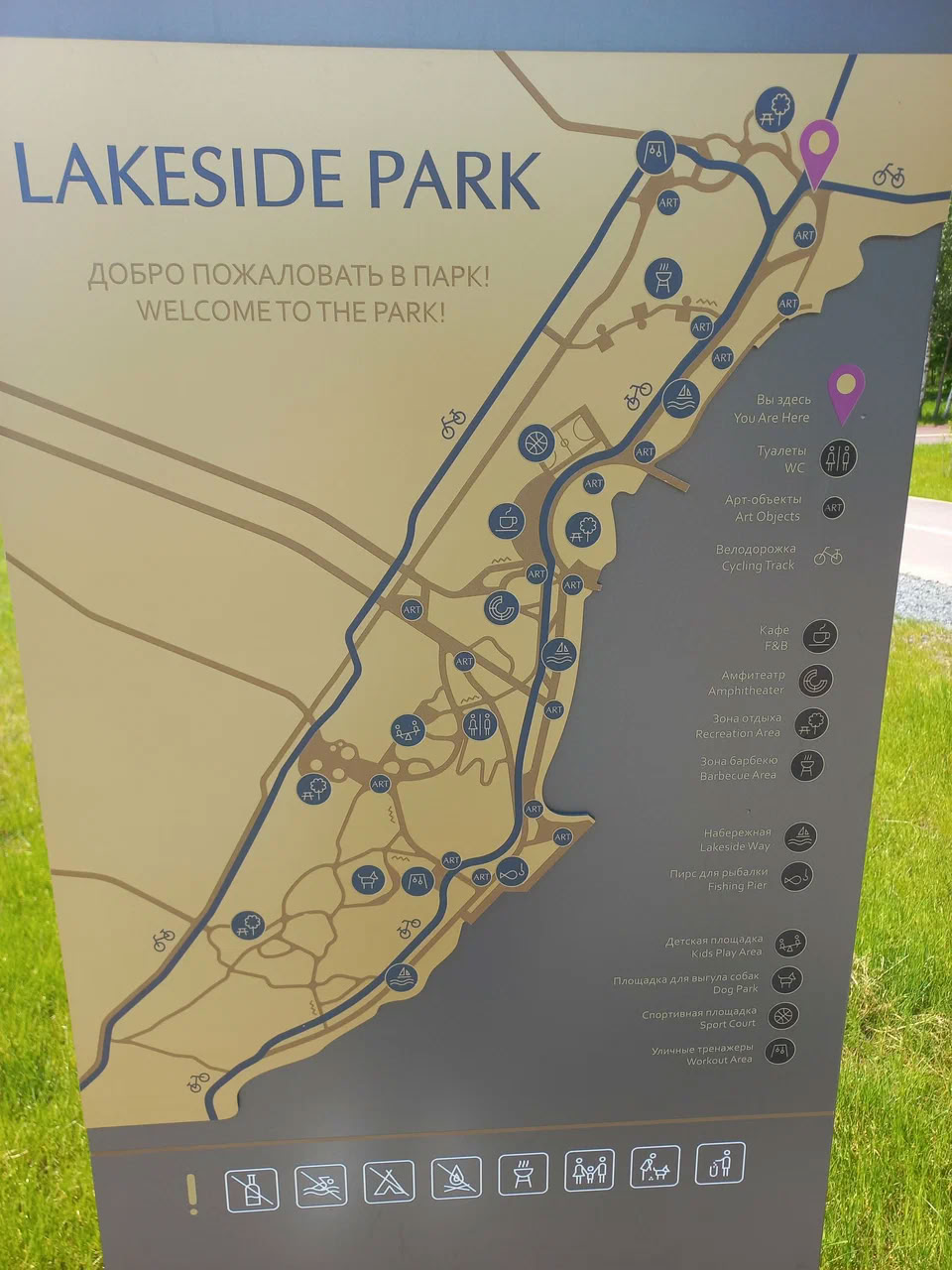
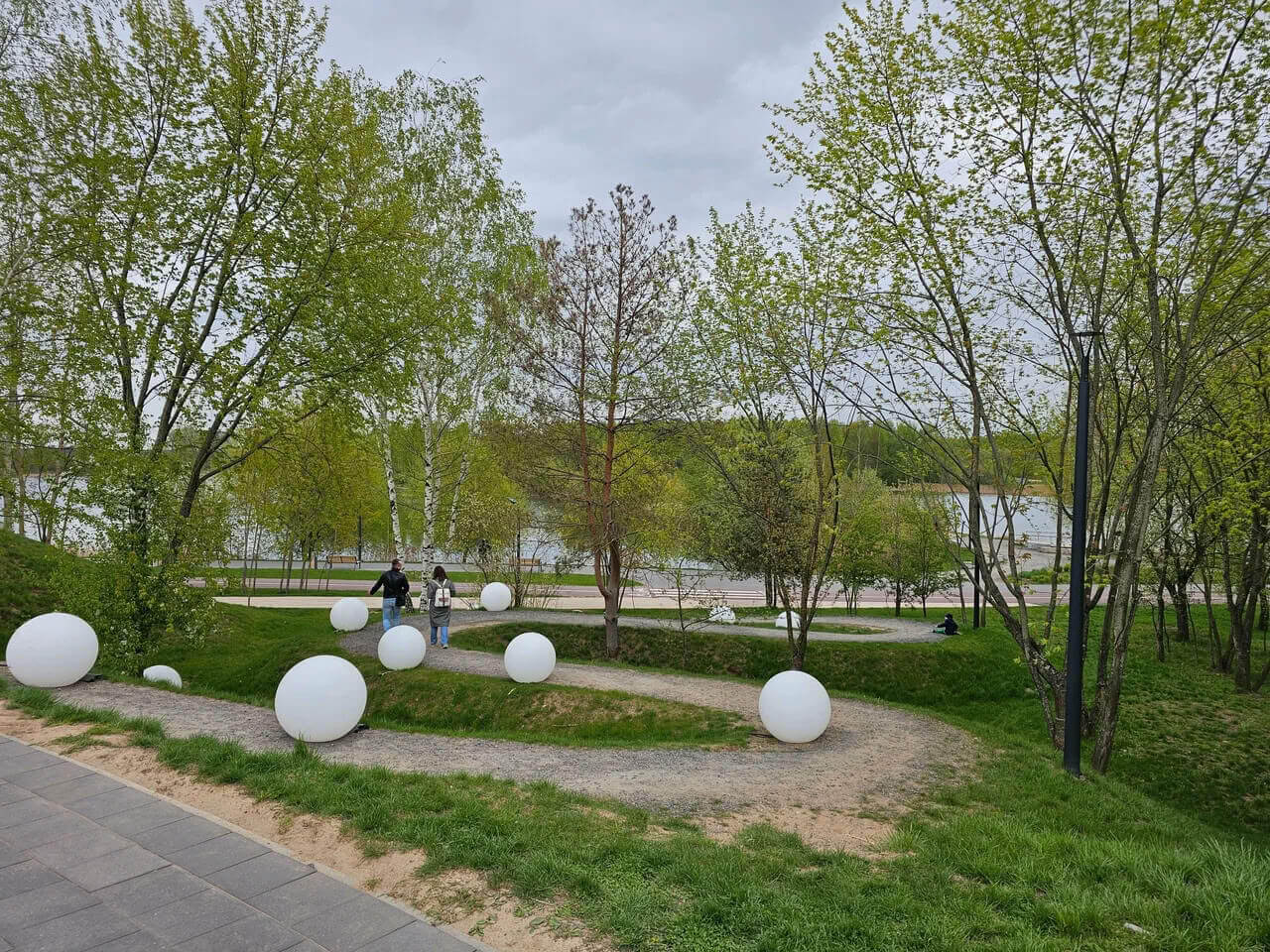
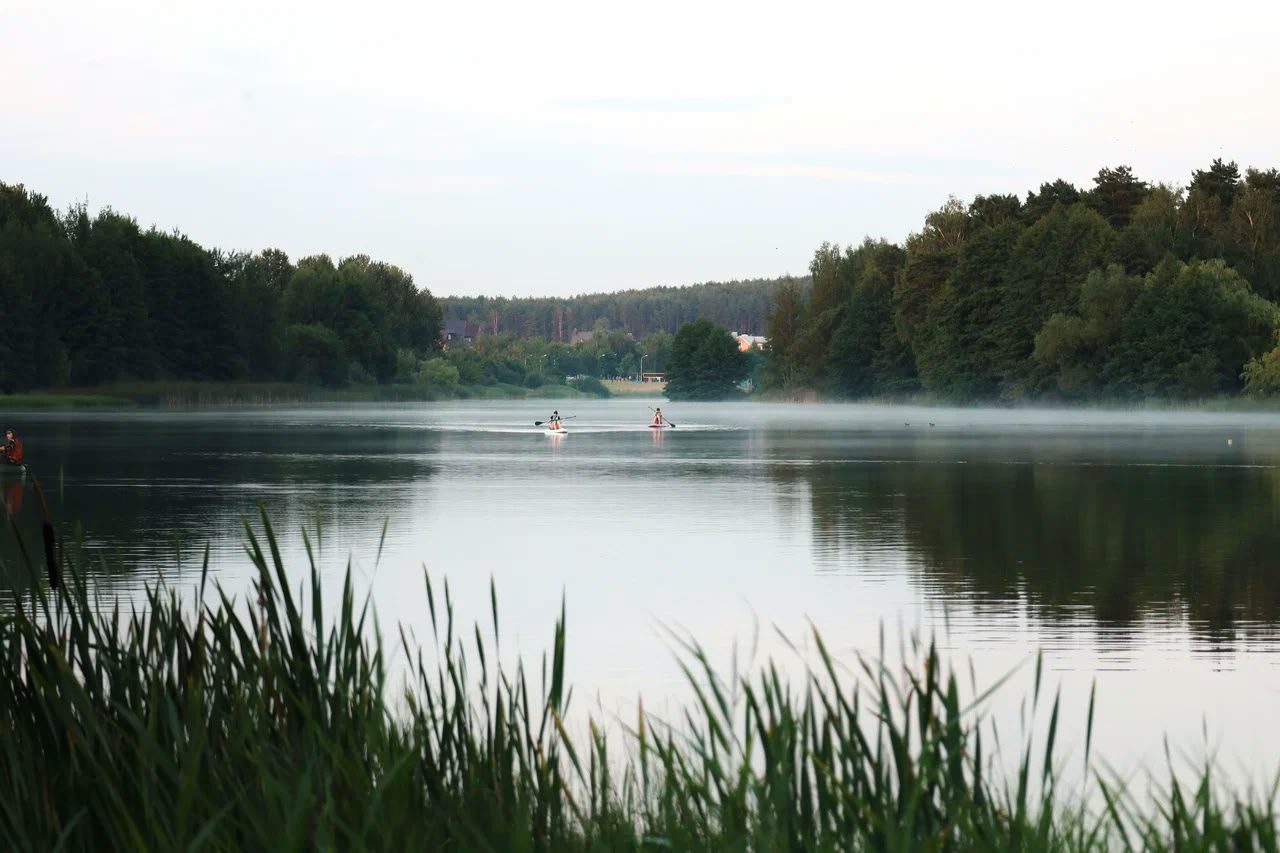
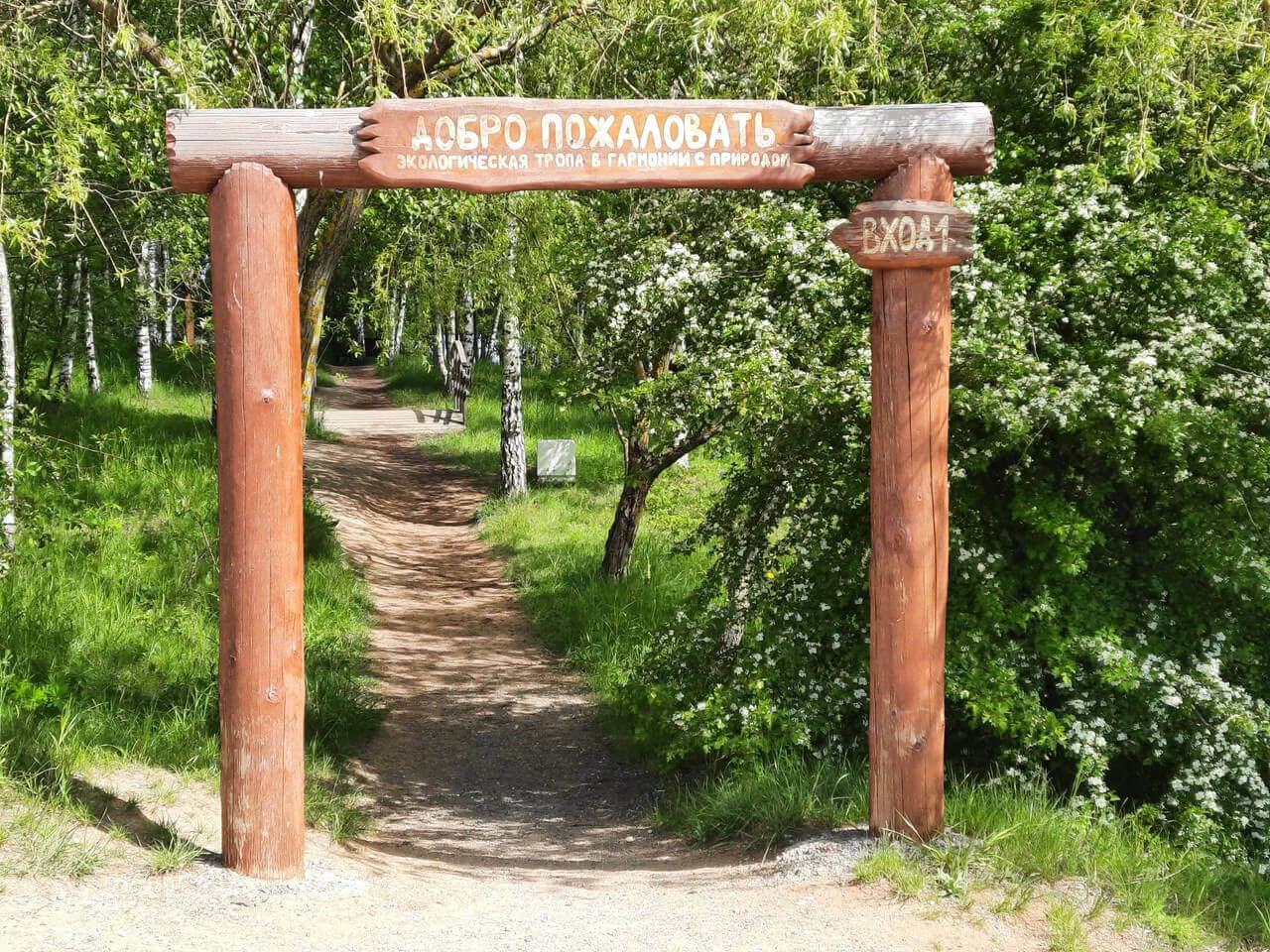
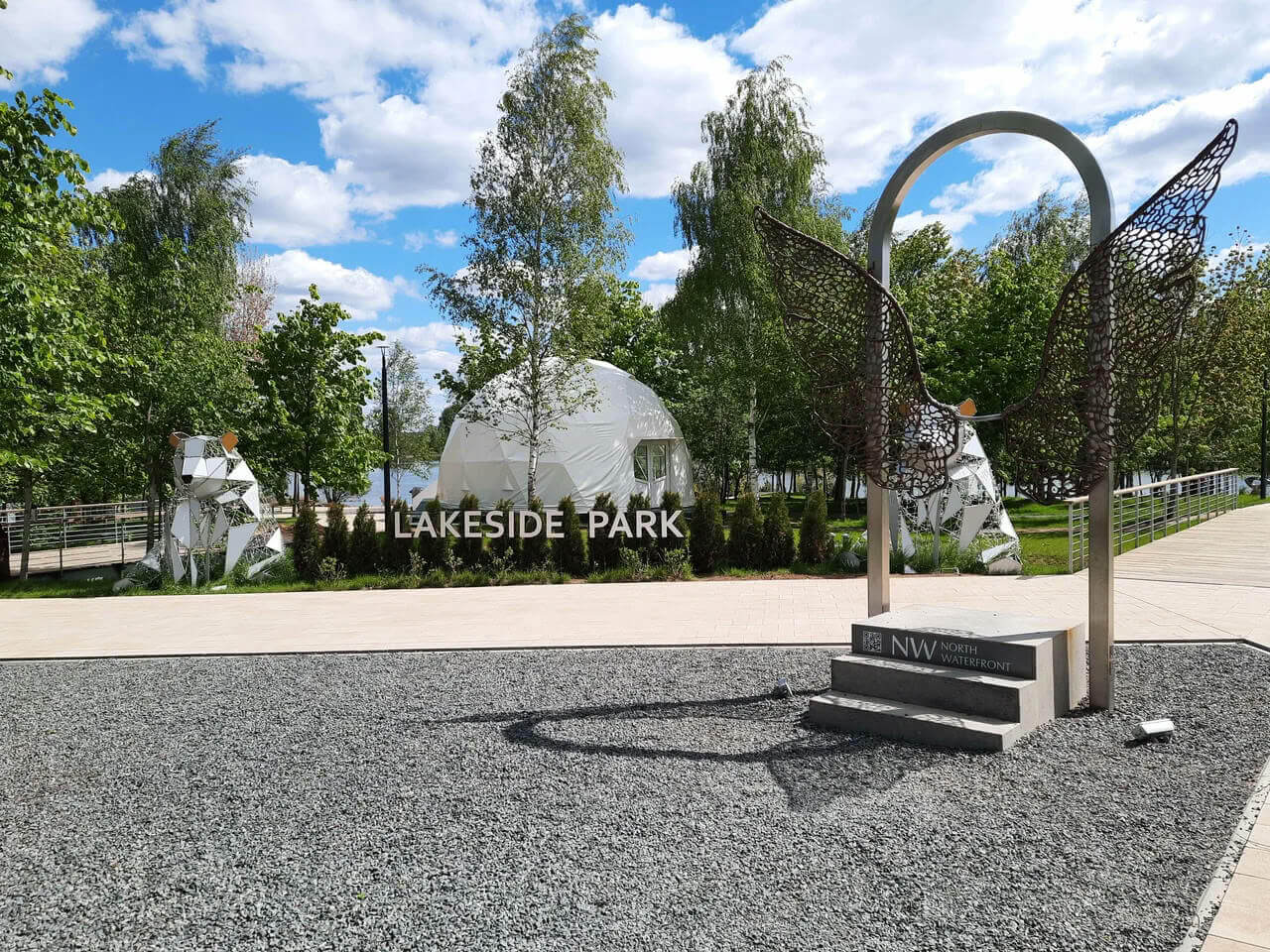
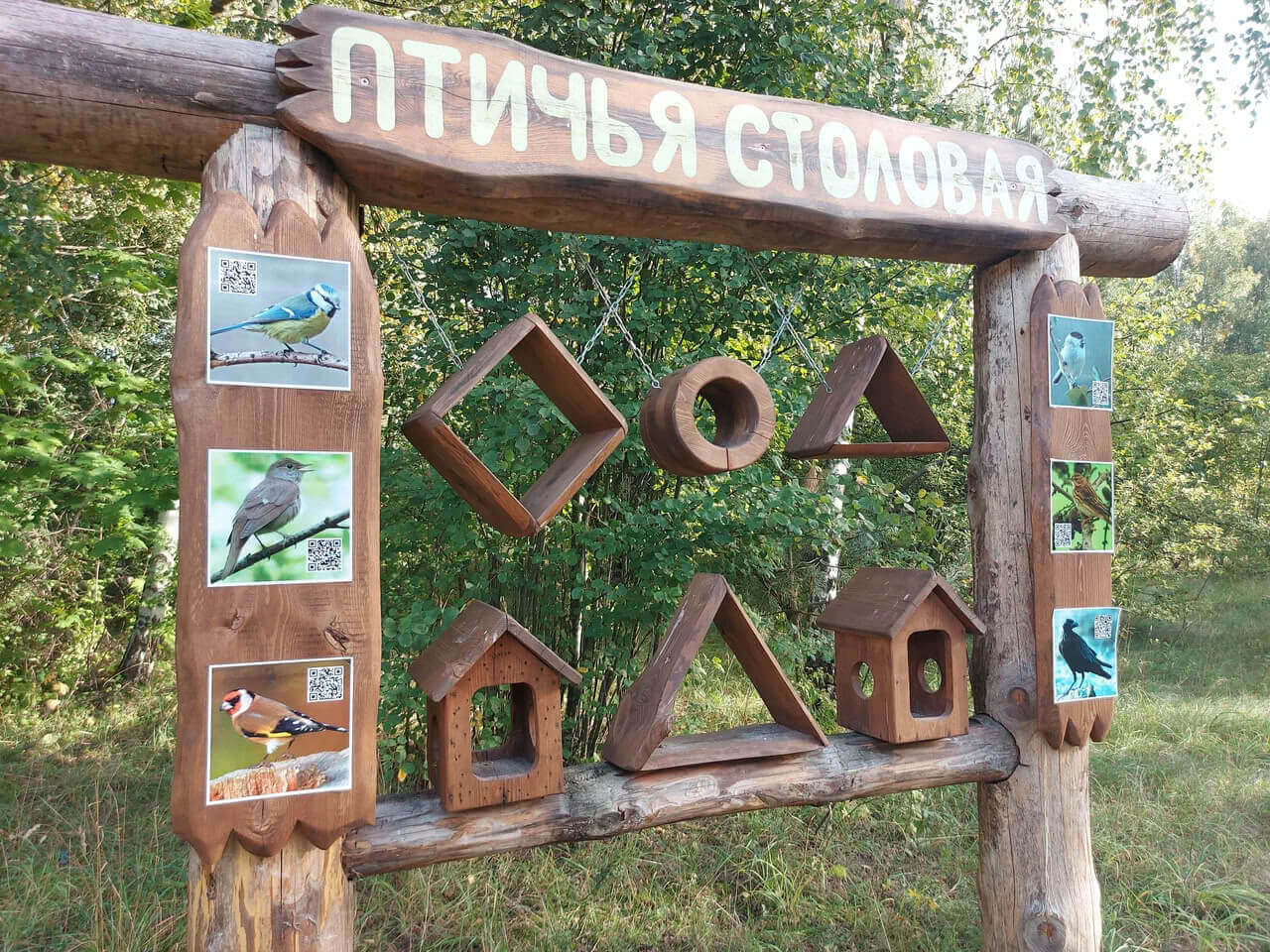
Two contrasting sides of northern Minsk in one route. Start at Lakeside Park, a modern public space surrounding an artificial lake.
Here, minimalist pavilion architecture, wooden boardwalks and amphitheaters blend harmoniously into the landscape. It is a great example of how a city can be welcoming to both people and the waterfront.
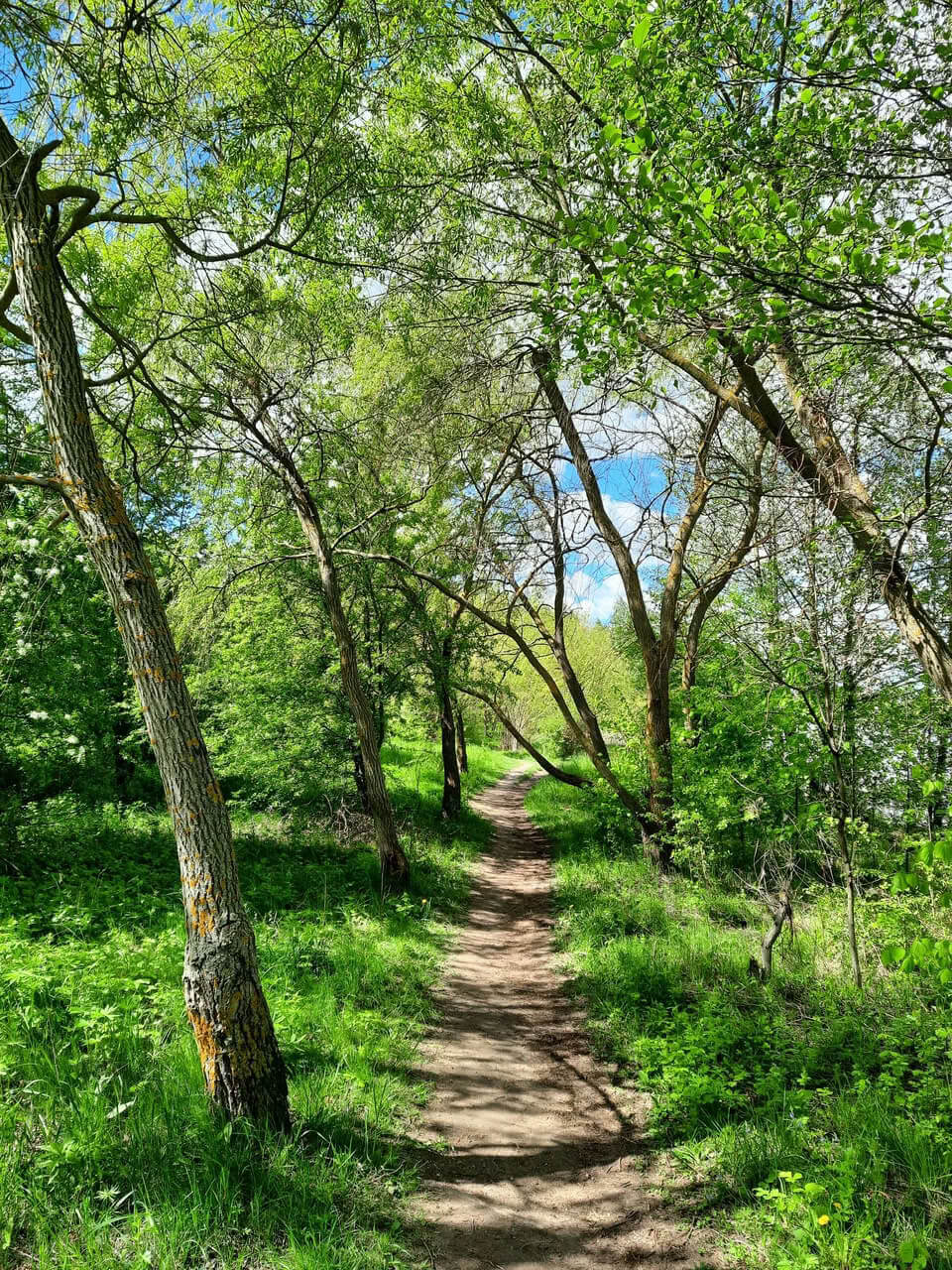
Then follow the “Tsna” nature trail into the wilderness. This long route runs beside the winding Tsna River, surrounded by dense forests and wetlands. There are no benches or streetlights – just paths, footbridges over streams and the feeling of being far from residential neighborhoods. It is the perfect balance between urban comfort and the quiet of a real forest.
A Retro Journey to “Childhood” – The Children’s Railway in Chelyuskintsev Park
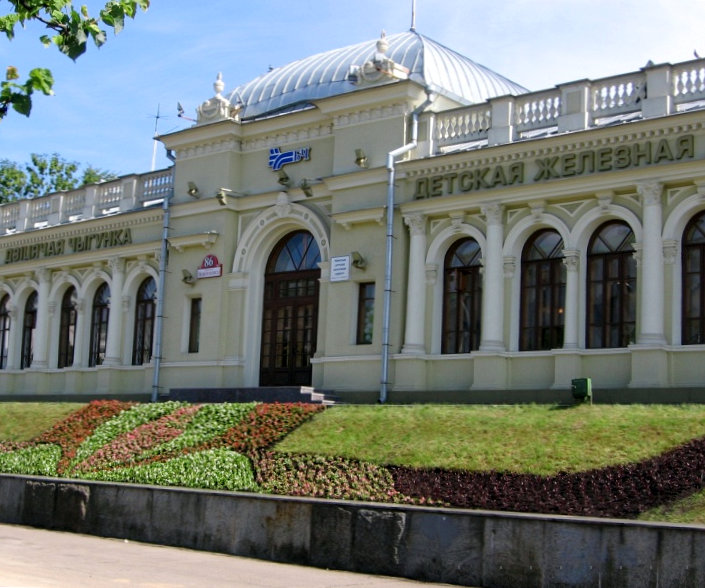
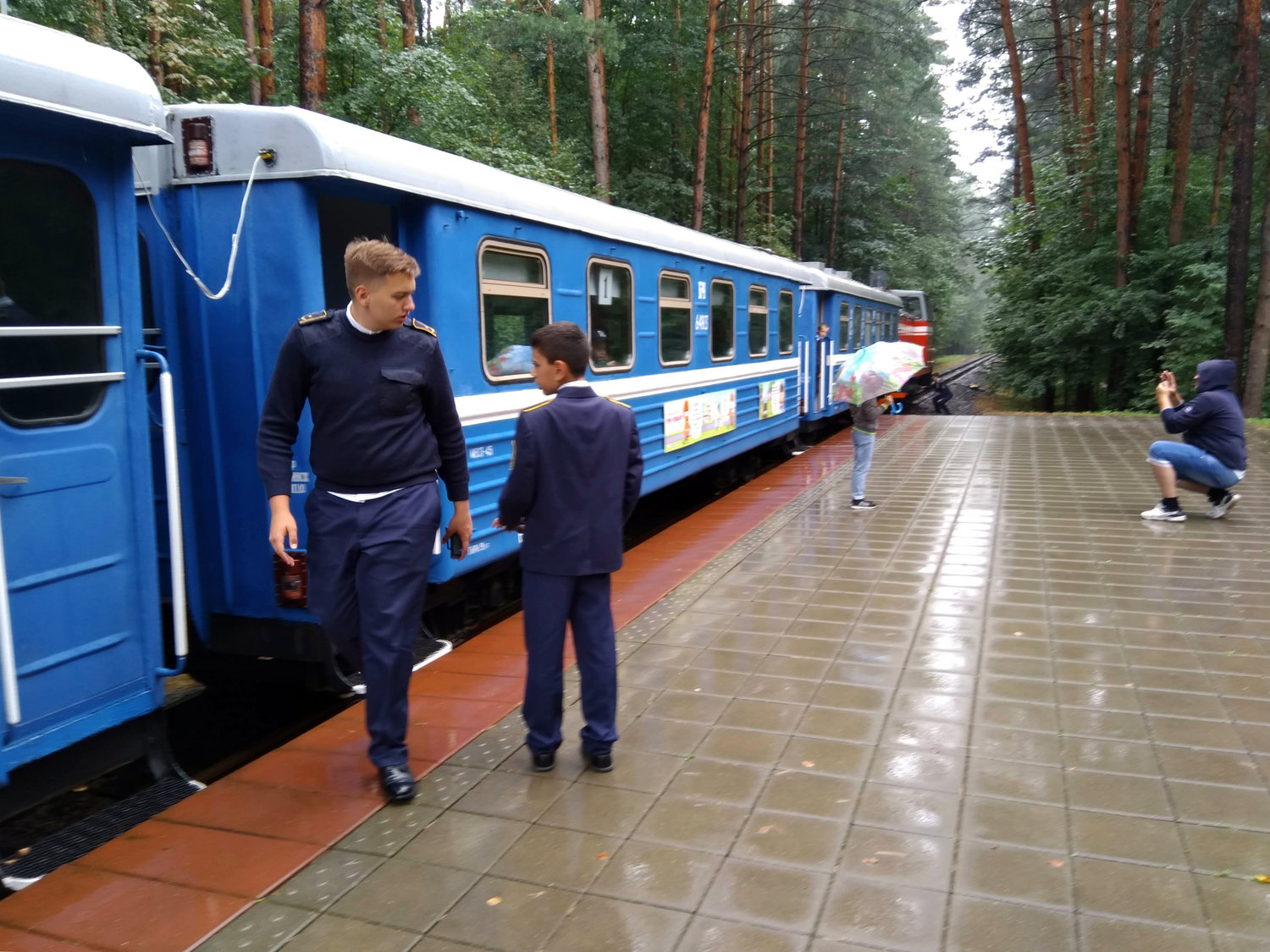
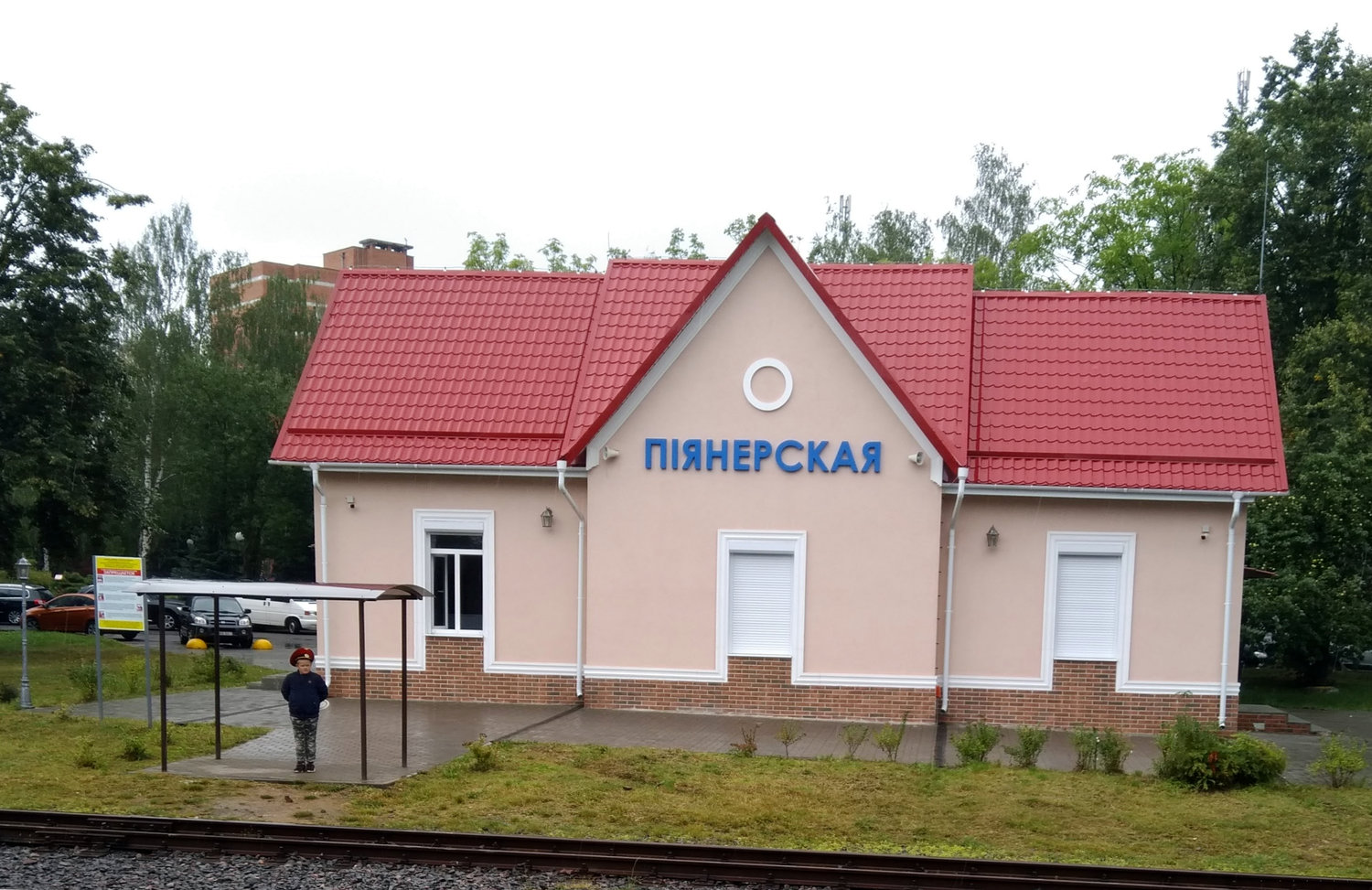
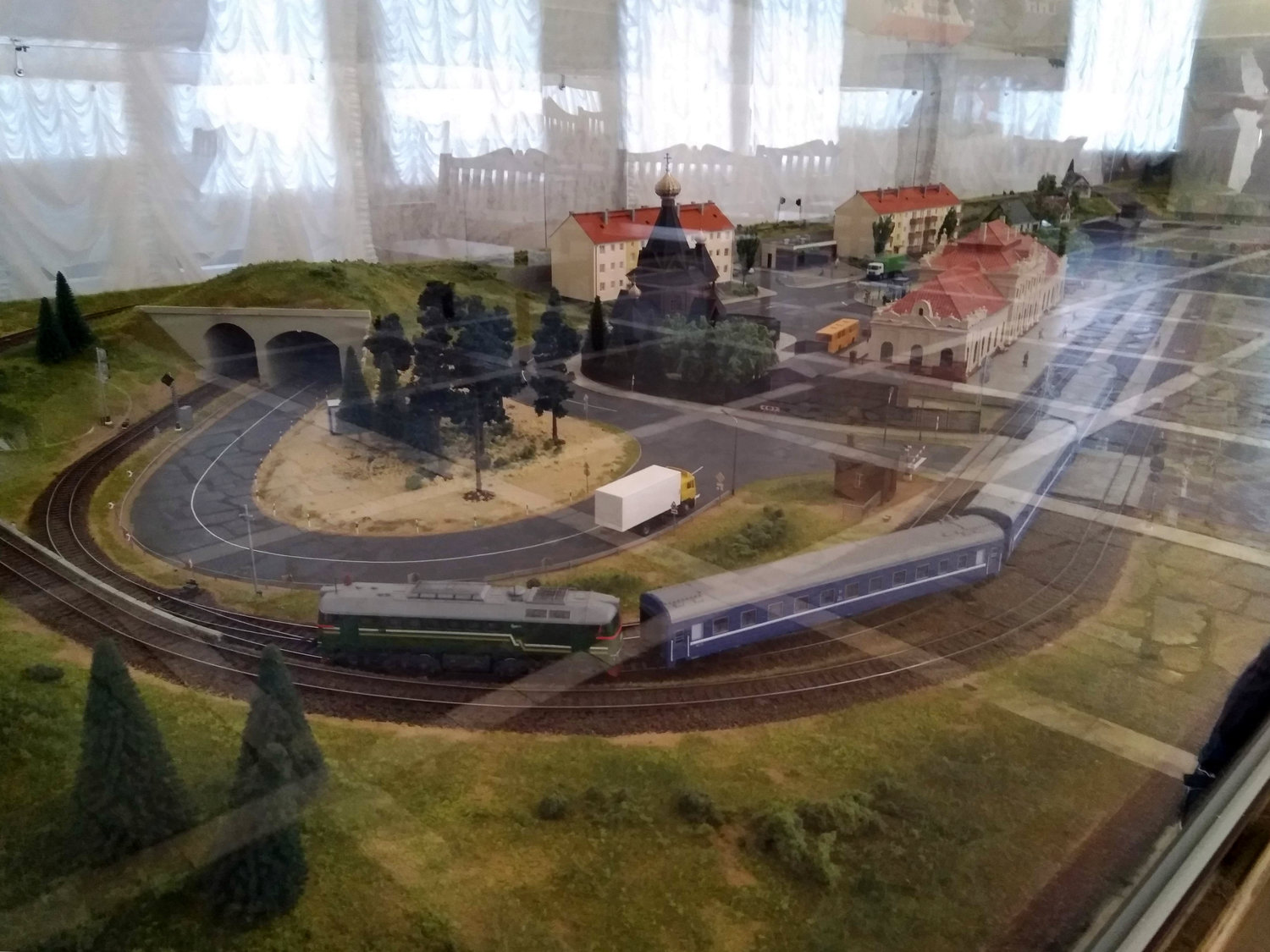
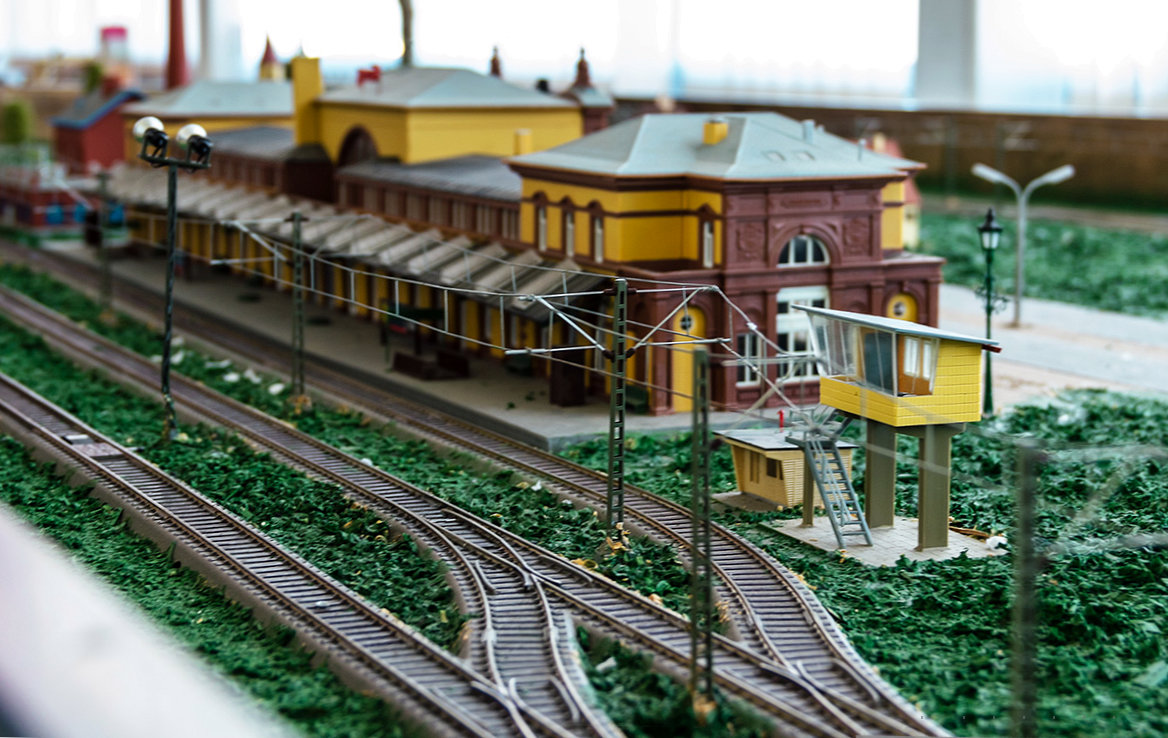
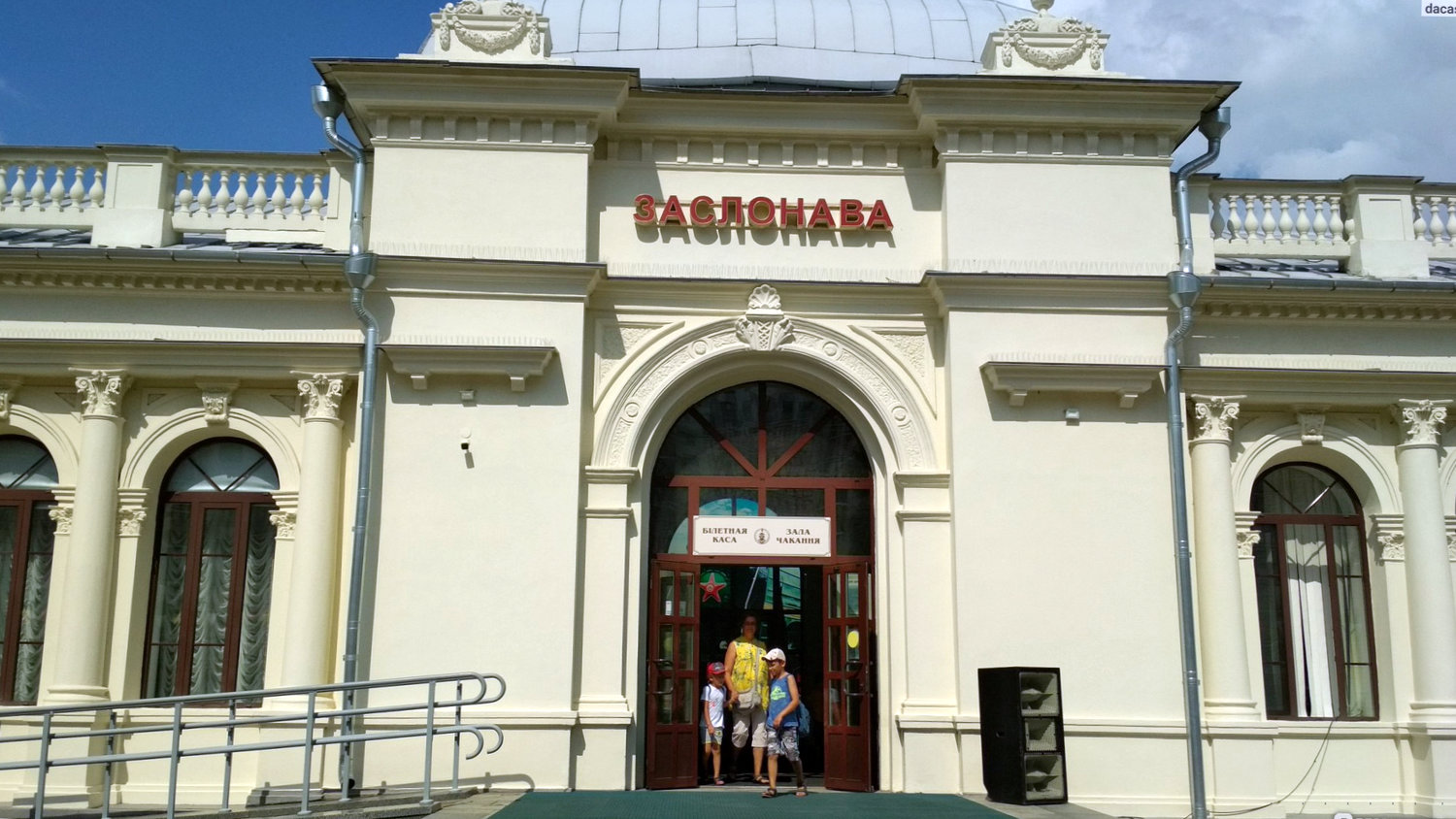
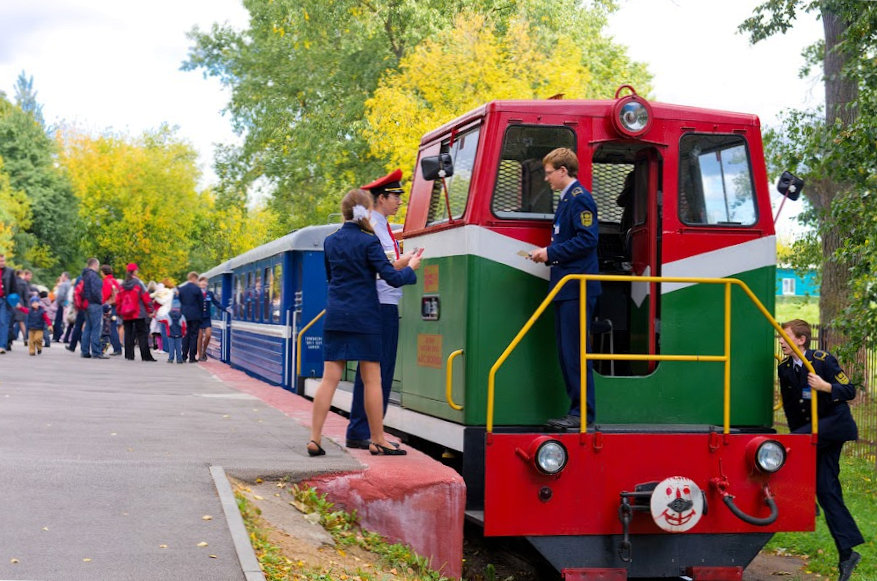

A place where childhood dreams quite literally come true. Here, children take center stage. It is more than a ride: it is a time machine, living history and somewhere you will want to feel like a child again. Minsk families come here with their children, but believe us, adults have just as much fun.
The route is like a fairy tale. The train travels through Chelyuskintsev Park past century-old pine trees, reaching the “Sosnovy Bor” station near the Botanical Garden. The views through the carriage windows make you forget that you are still inside the city.
The real magic is the staff – from ticket clerks and carriage attendants to the train drivers! They are children and teenagers aged 10 to 17. Yes, a young driver in a uniform cap operates a real train. Young railway workers greet you on the platform and in the carriages. Watching their seriousness, responsibility and pride is a delight in itself!
Do not miss the large, detailed model railway at “Zaslonovo” station.
The Children’s Railway is located at 86 Independence Avenue. It opens every year on May 1 and closes on the last Sunday in September. From May through September, trains run on weekends and public holidays; during the summer months, they operate Wednesday through Sunday. Special rides are also available during the winter school holidays. Trains depart at 35-minute intervals.
A Nature Trail Above the Marsh – “Bird City” in Serebryanka
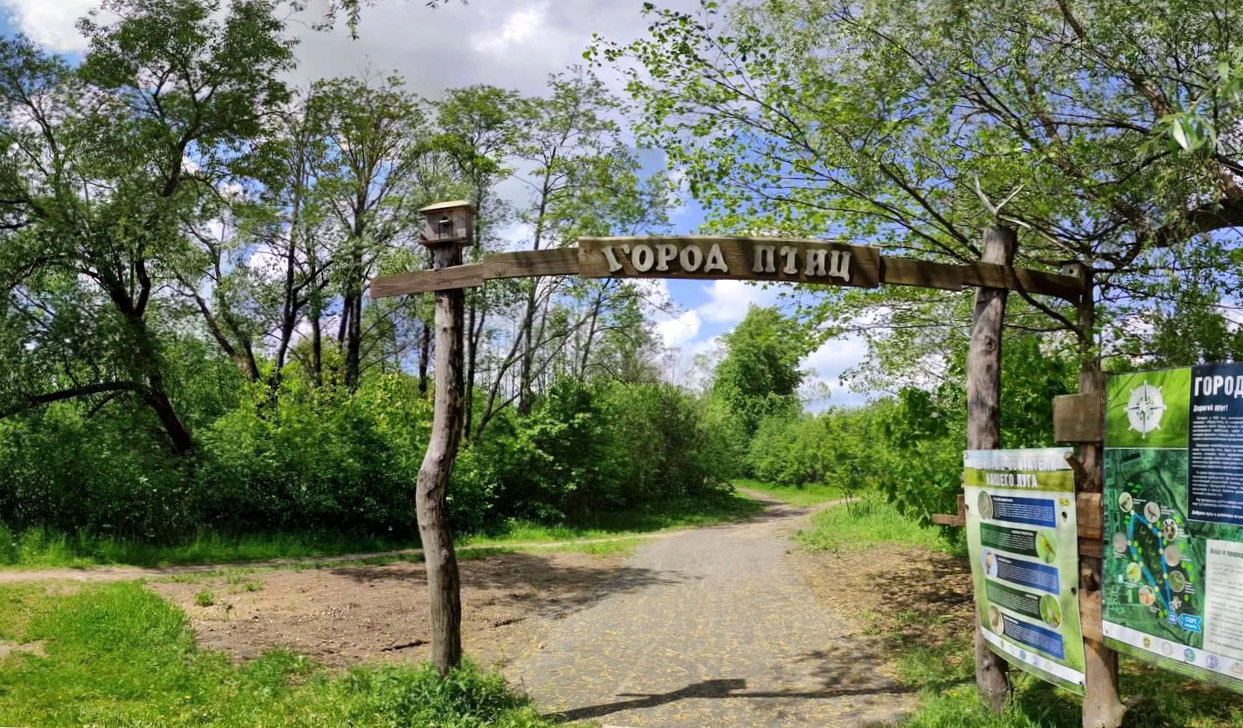
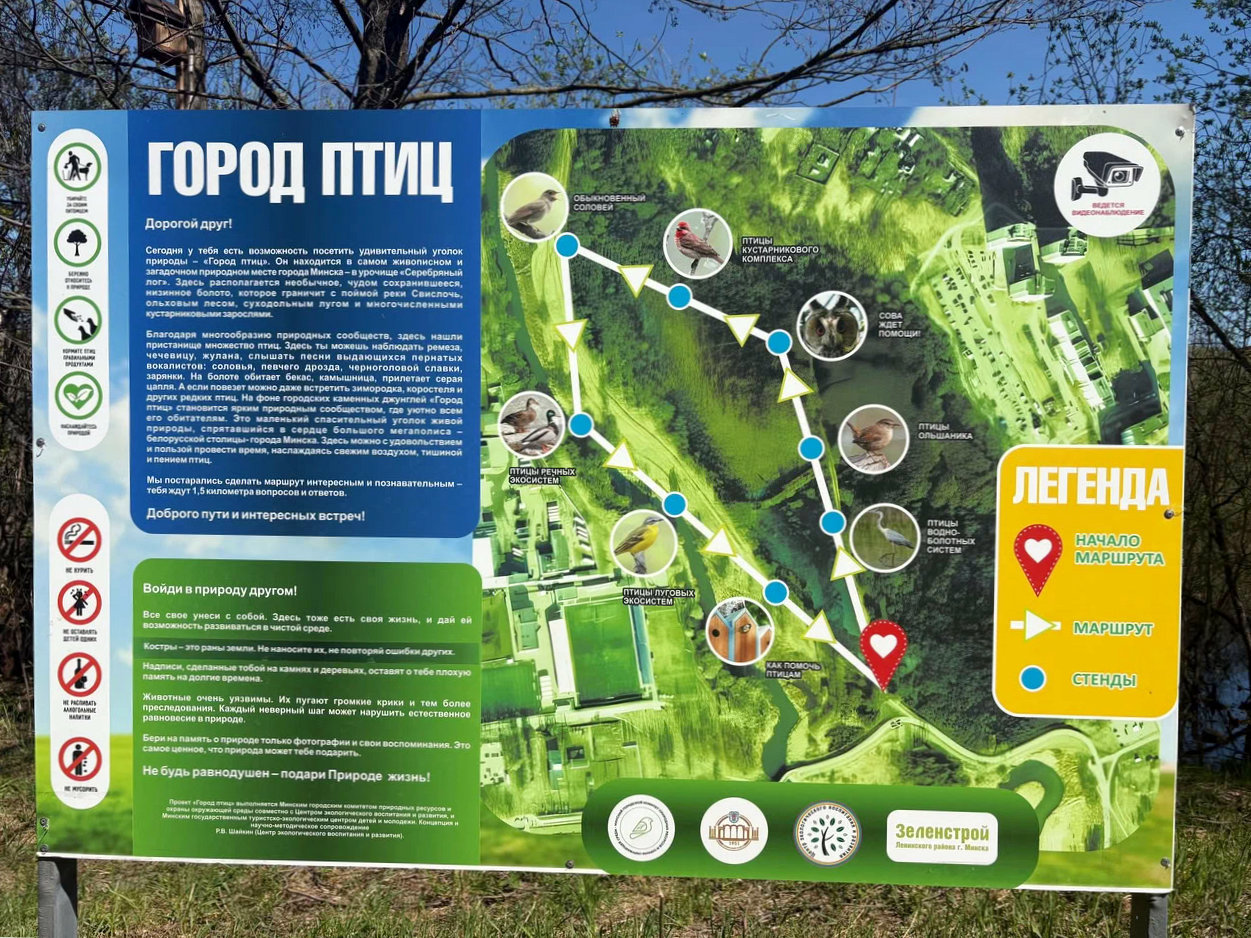

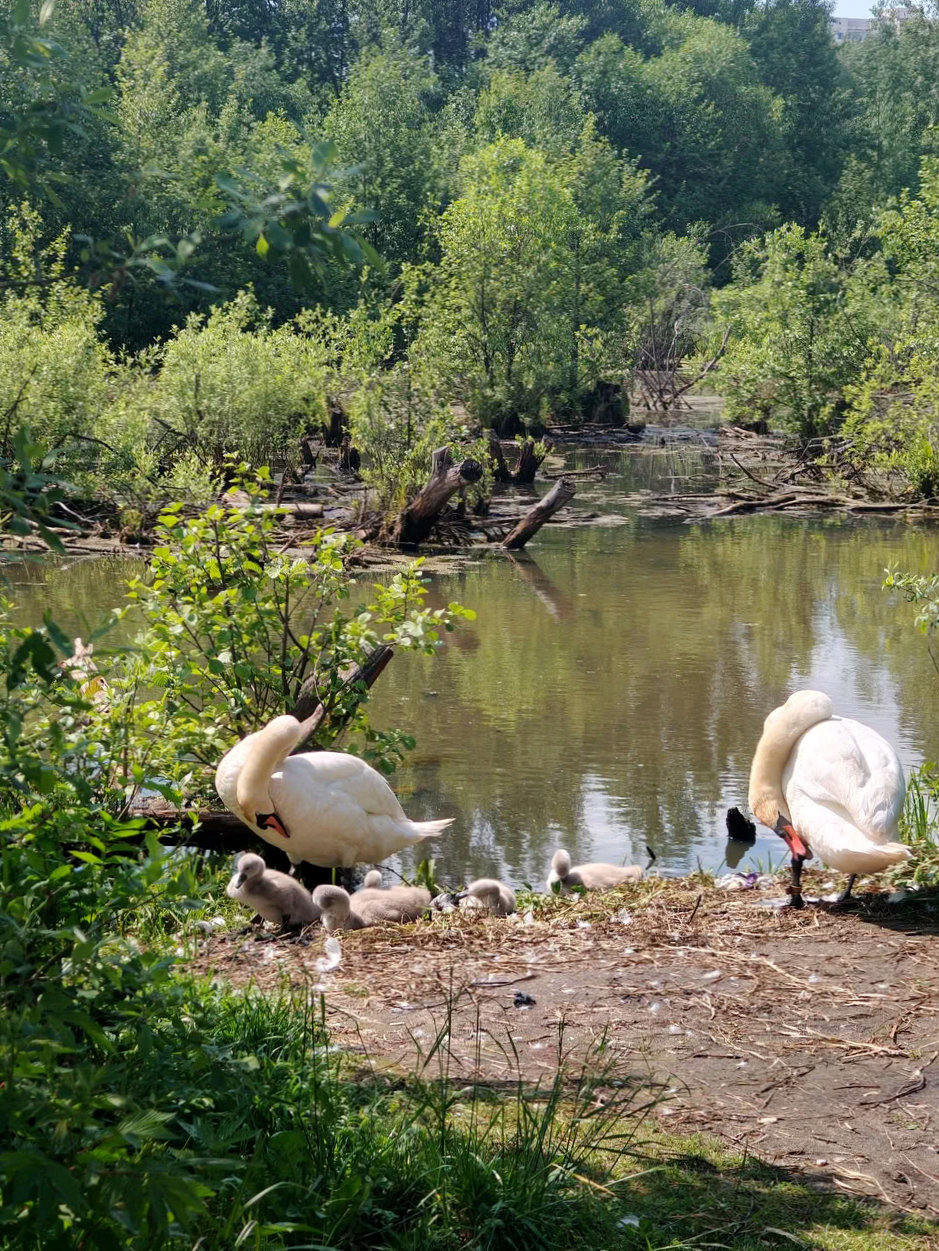
A unique space on the boundary between the city and the wild, created around the floodplain of the Svislach River in Serebryany Log Park, between the river and Yakubova Street.
A real discovery for nature lovers who want to escape the city without leaving it. Welcome to the “Bird City” nature trail.
This natural haven looks like the setting of a wildlife documentary. Imagine walking along paths and wooden boardwalks winding directly above marshy ground. All around you are silence, rustling reeds and birdsong. You feel transported to another world, even though the city center is nearby.
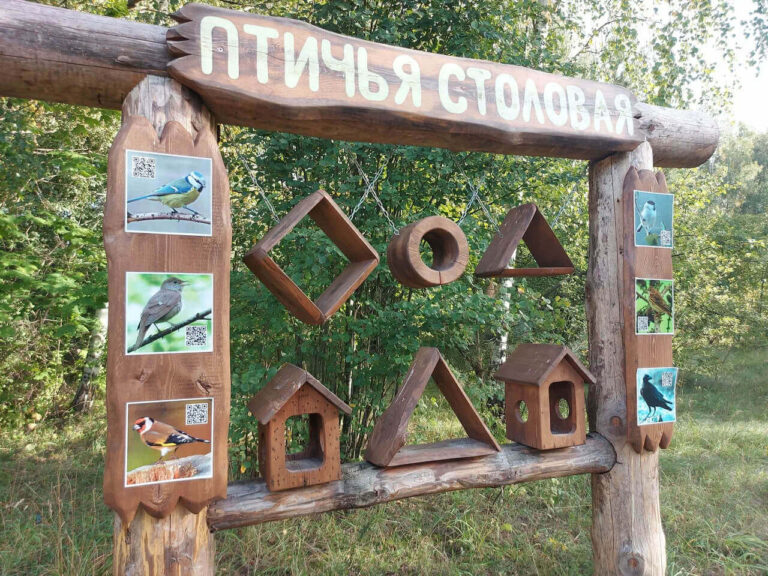
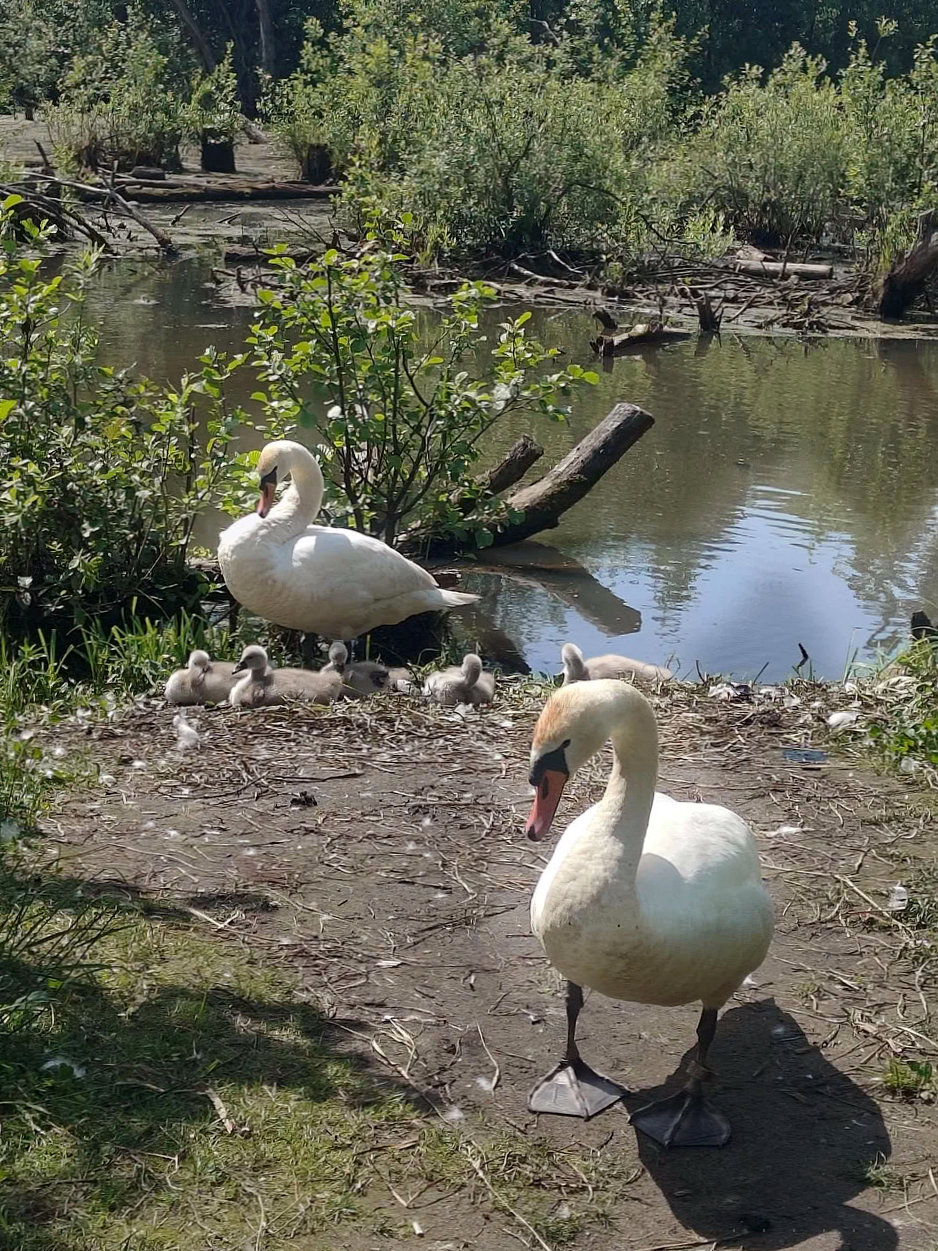
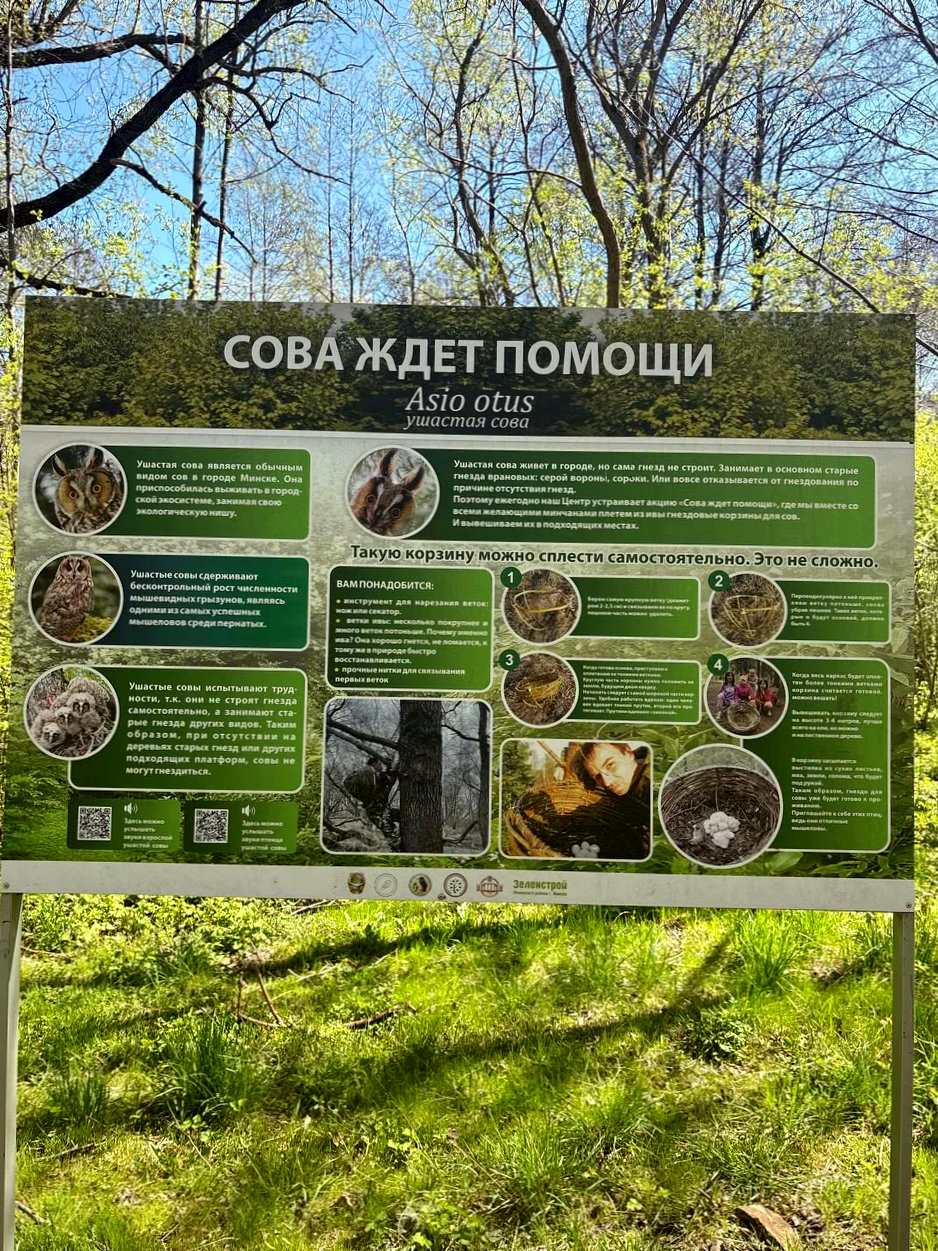
You may spot rare birds nesting in these wetlands, including herons, bitterns and sandpipers. Information boards explain each species, turning your walk into a miniature birdwatching expedition. Bring binoculars – you will be glad you did!
A leisurely walk takes around 30–40 minutes, making this a perfect morning or evening escape.
It is a peaceful refuge for anyone tired of urban noise. Minsk residents come to be close to nature, breathe fresh air and leave stress behind.
An Industrial Landmark – The Water Tower on Zhukov Avenue
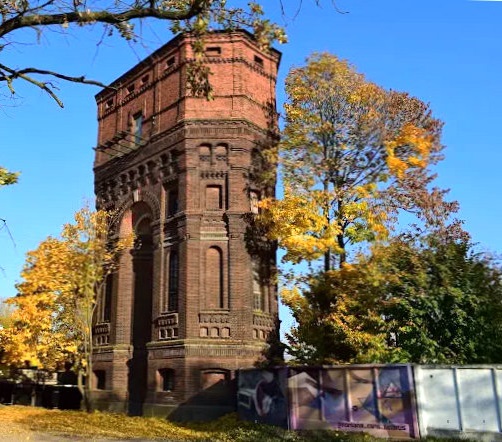
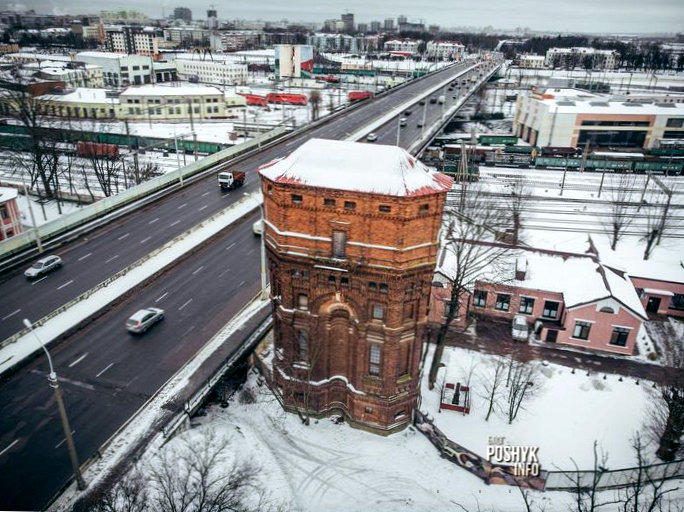
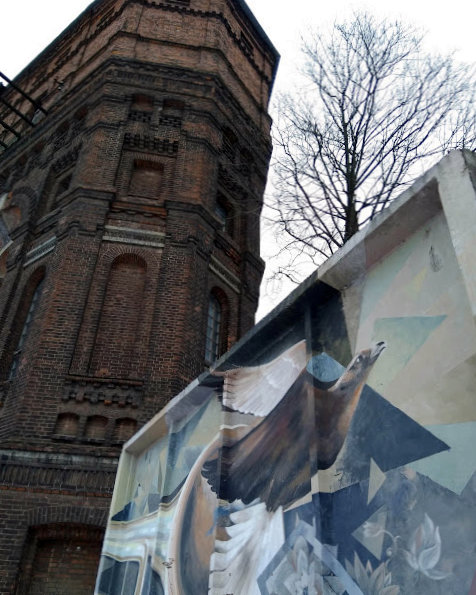
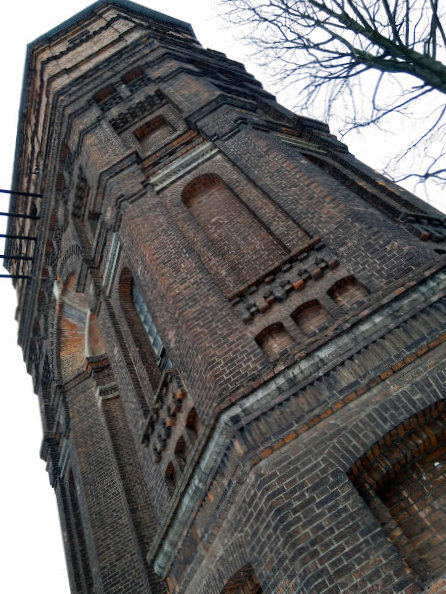
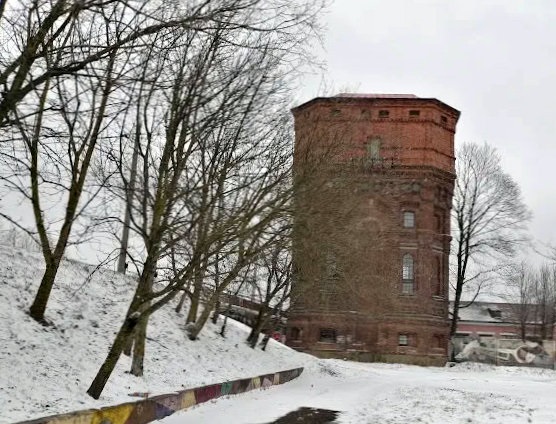
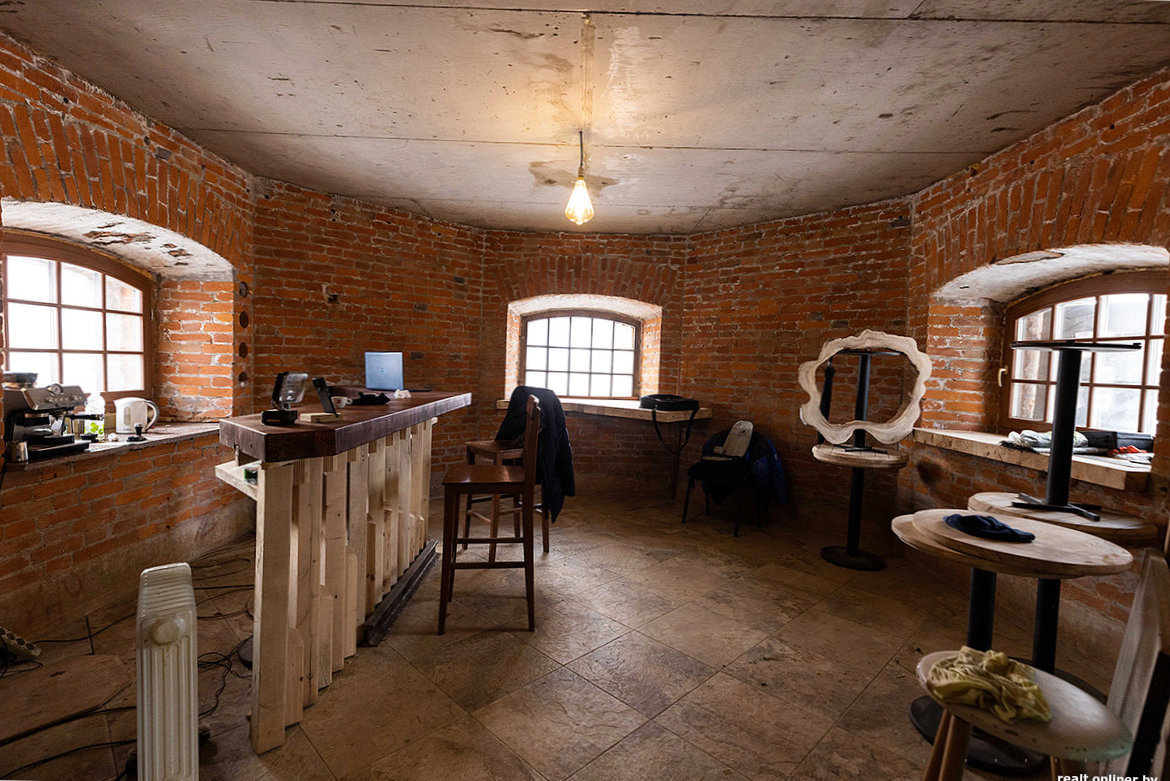
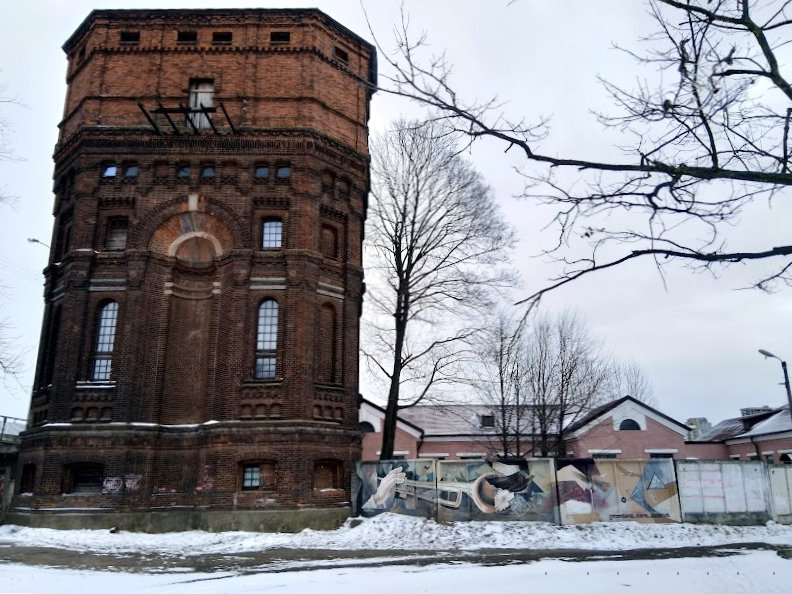
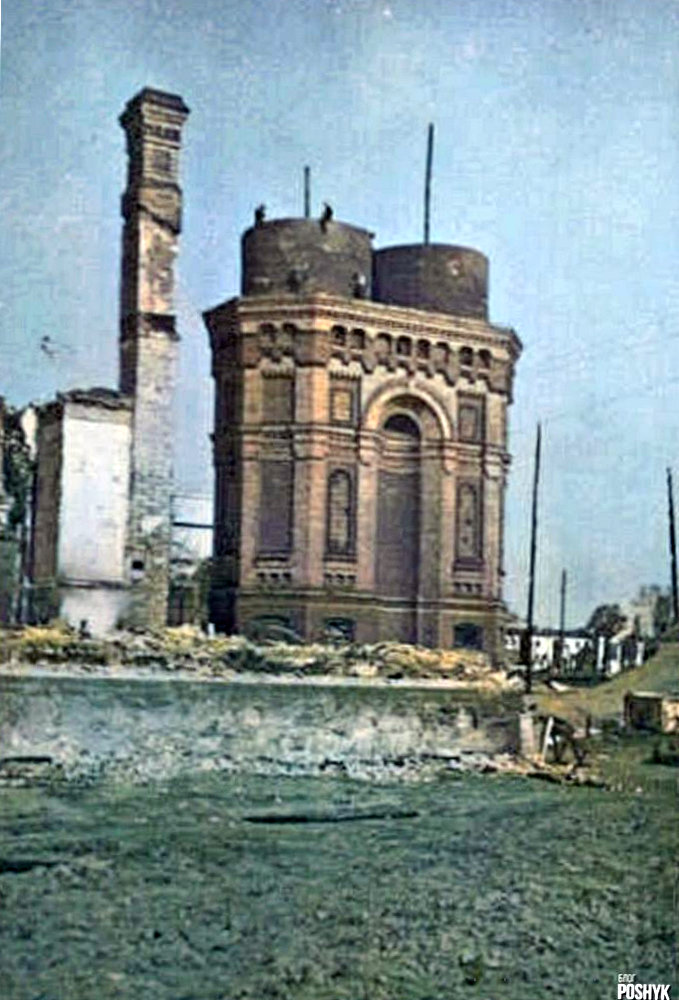
A landmark many people drive past without noticing – a familiar part of the streetscape that not every Minsk resident knows about. Meet the old water tower on Zhukov Avenue, a true keeper of time.
The tower is more than a century old, built in 1910. Imagine: it stood here when Minsk was an entirely different city. It has witnessed changing eras and the city’s growth and transformation. It remembers the ruins of postwar Minsk. A silent witness to history, it has survived against all odds.
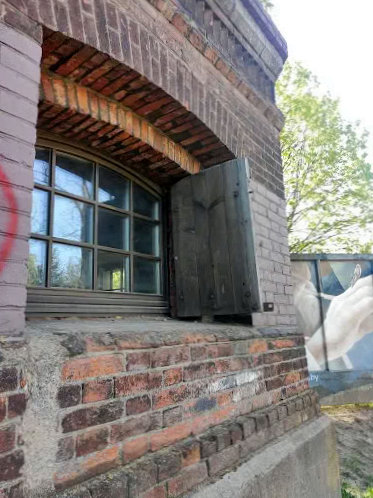
Today it stands on Zhukov Avenue and is clearly visible from the bridge. The red-brick building has the distinctive architecture of the early 20th century. It is like a portal to another era – walk past it and, for a moment, you are transported to Minsk a hundred years ago.
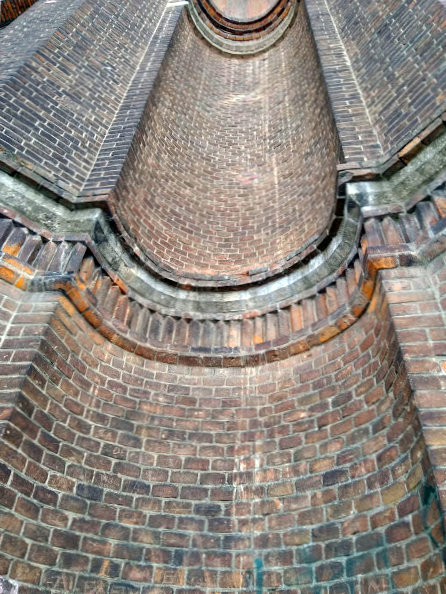
There are rumors that the tower may be restored and converted into a stylish, cozy café. Imagine ascending a spiral staircase between walls a meter and a half thick and entering a space with a century of history. It would be a wonderfully atmospheric venue, with a story in every brick.
For now, the tower is closed, but you can admire it from outside, take memorable photos and feel a connection with the past. It is a place for people who appreciate urban history and notice beauty in overlooked details.
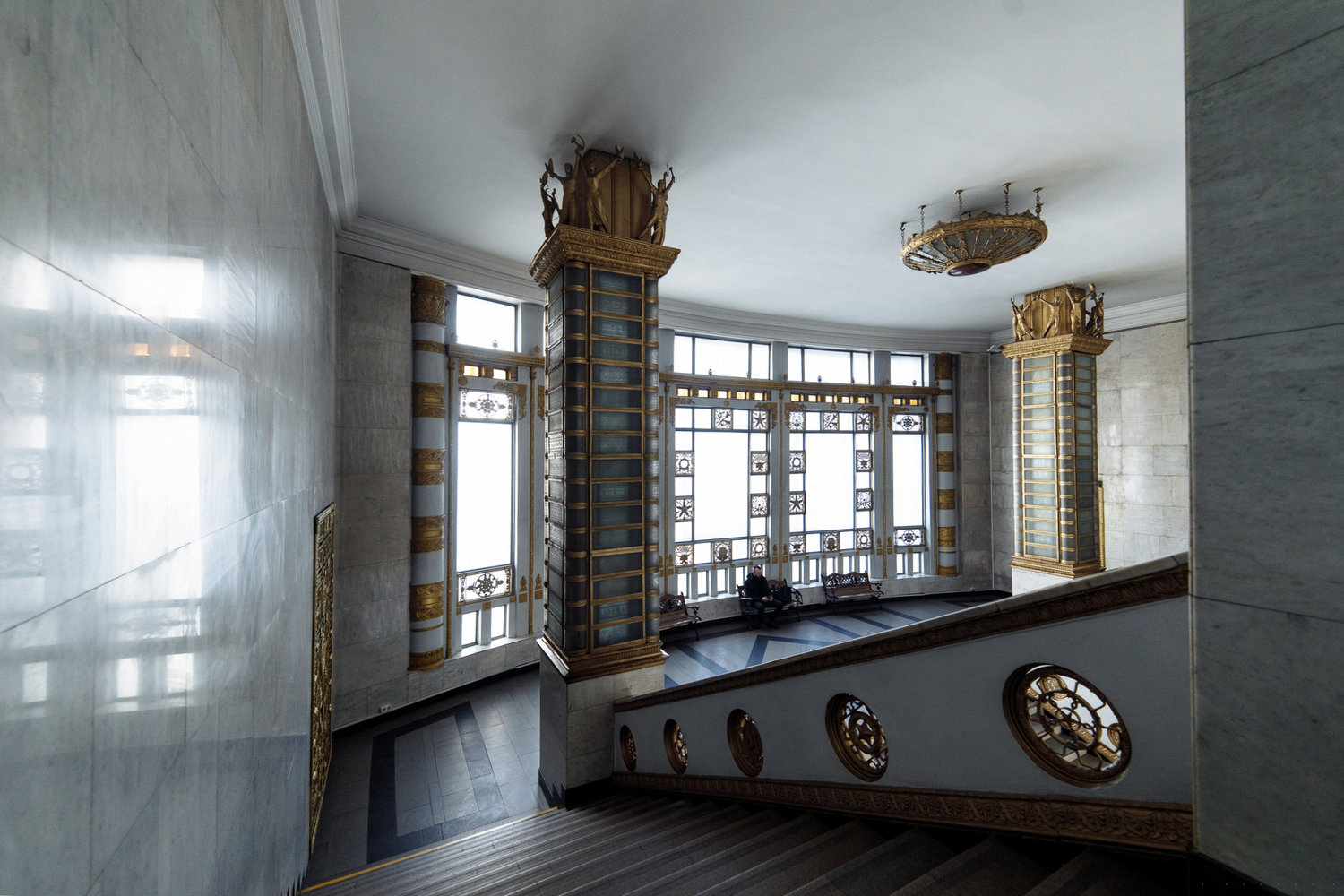
Stalinist Empire Style and Magical Shop Windows –
GUM, a Palace on the Avenue
Source: Onliner
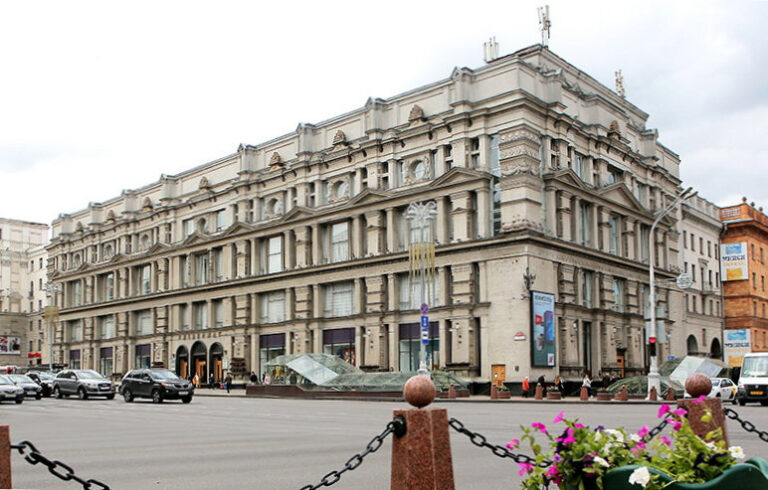
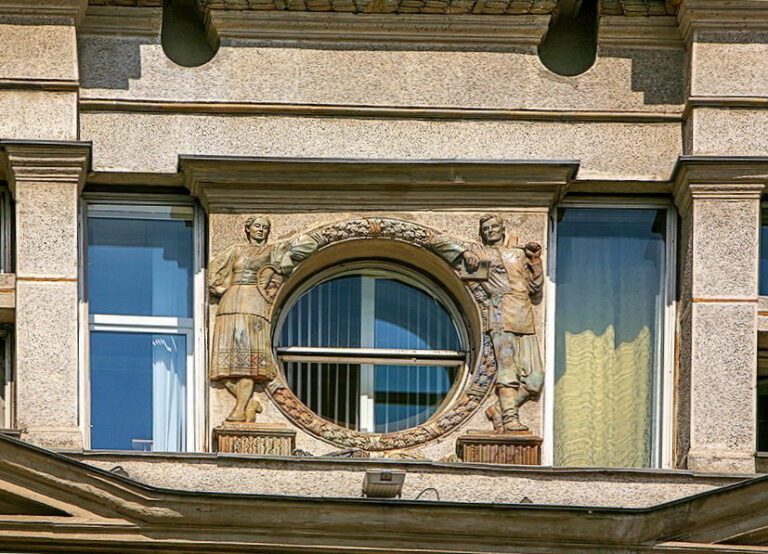
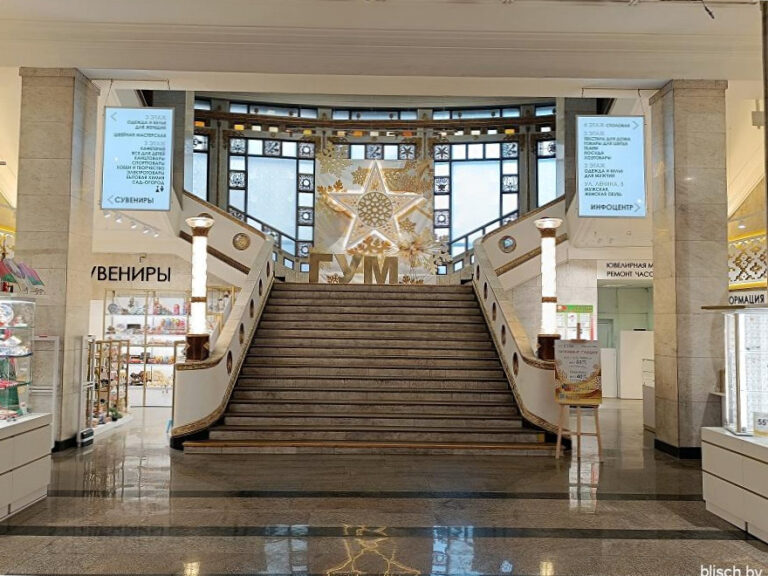
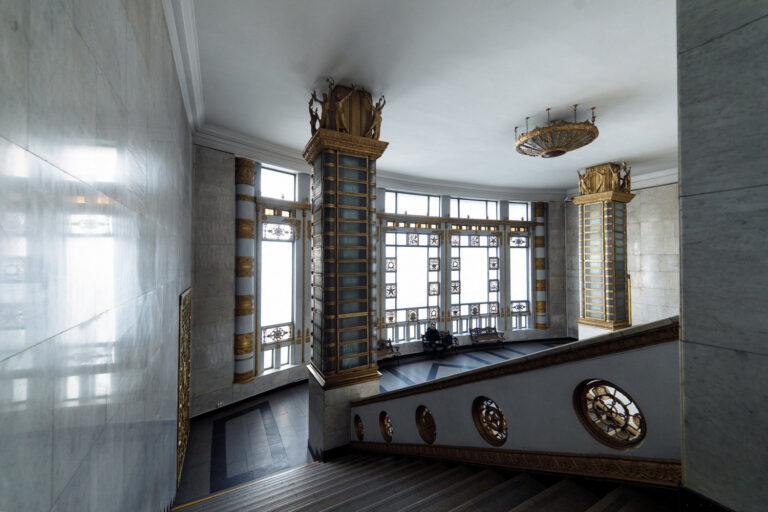
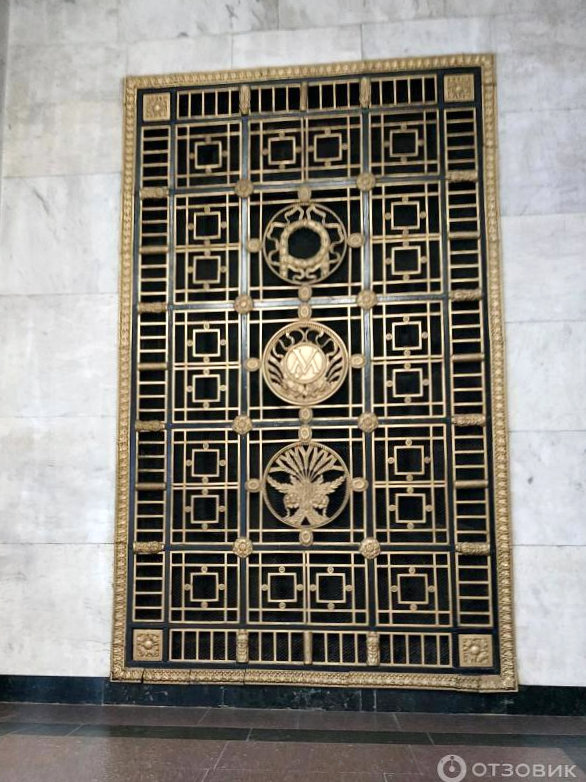
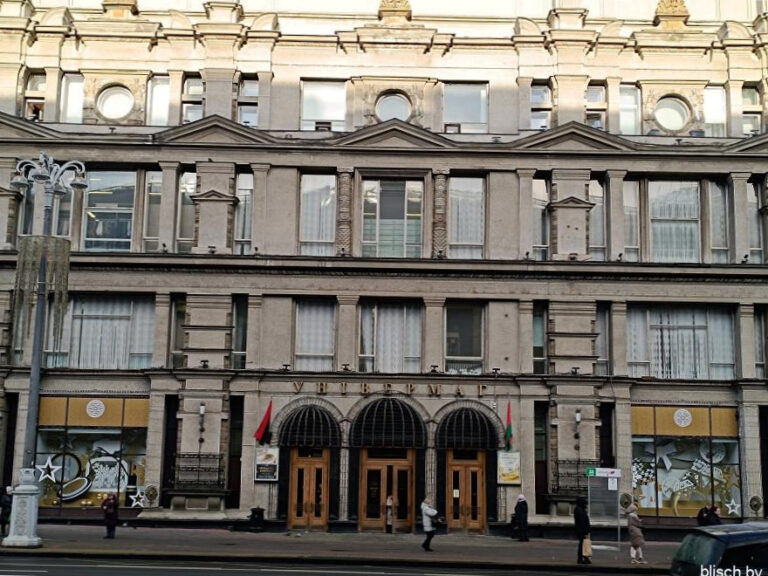
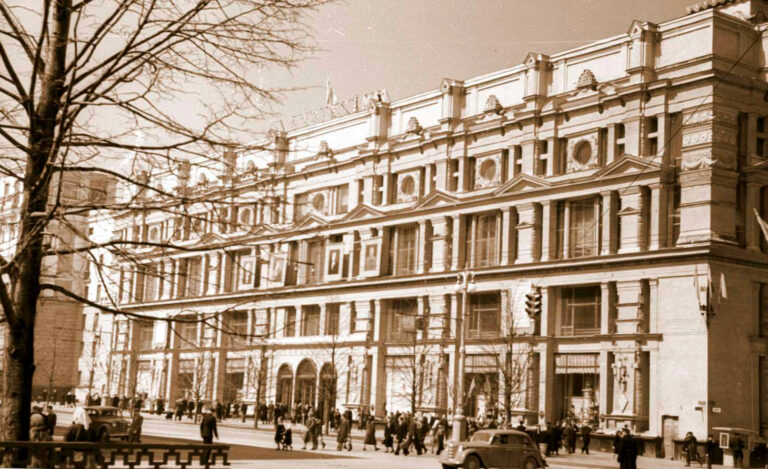
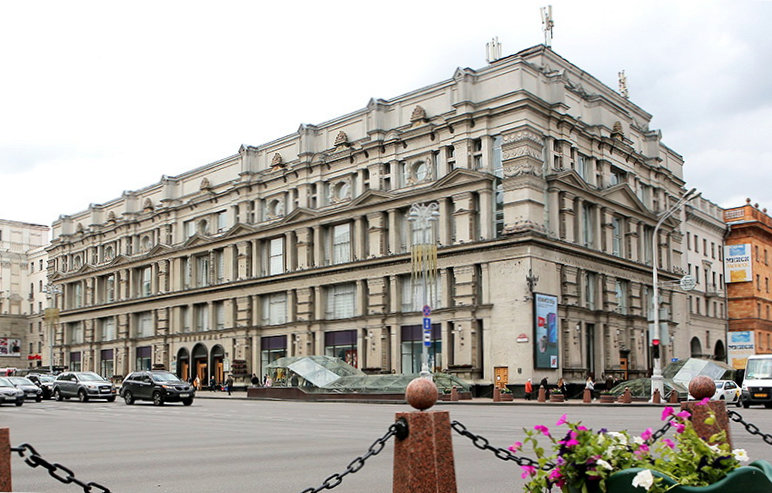
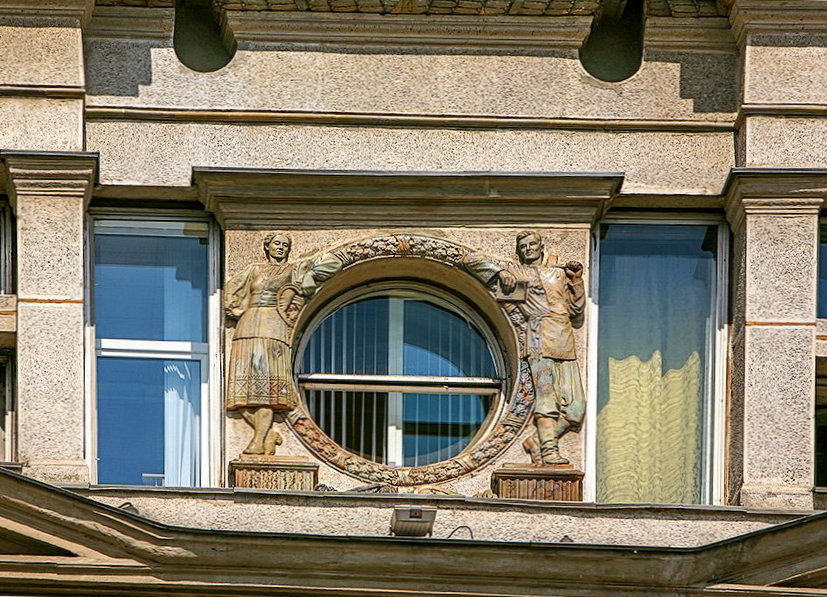
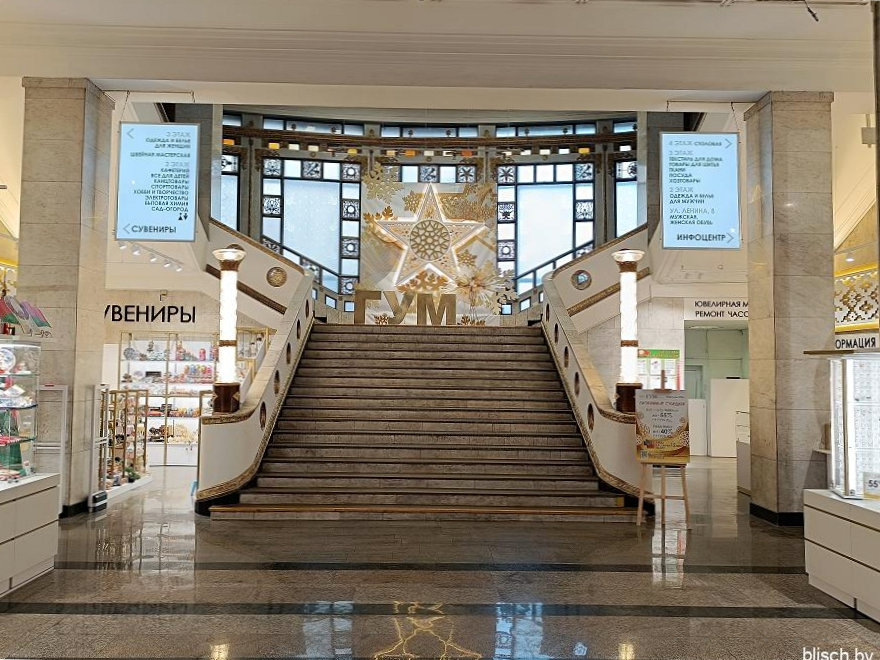
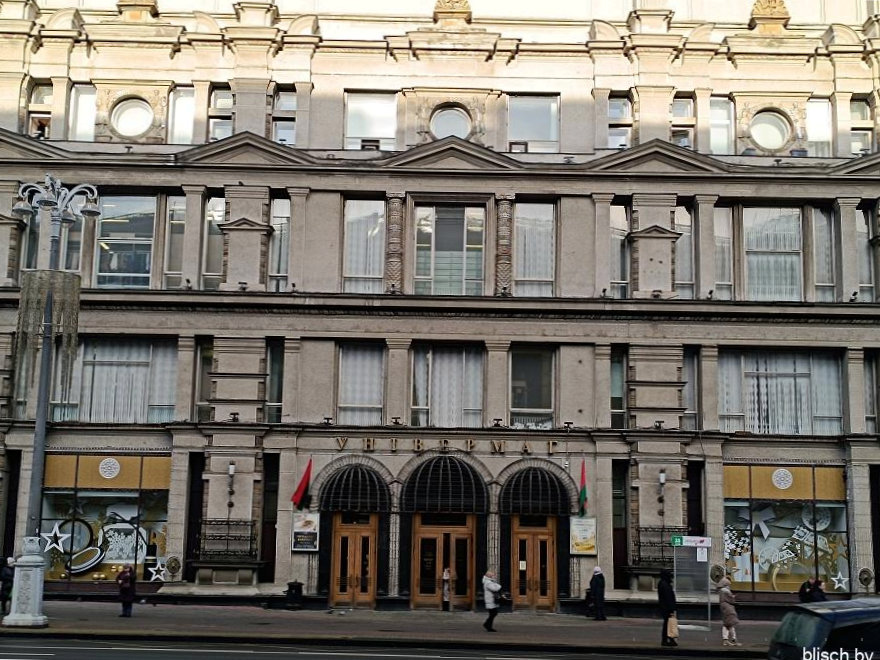
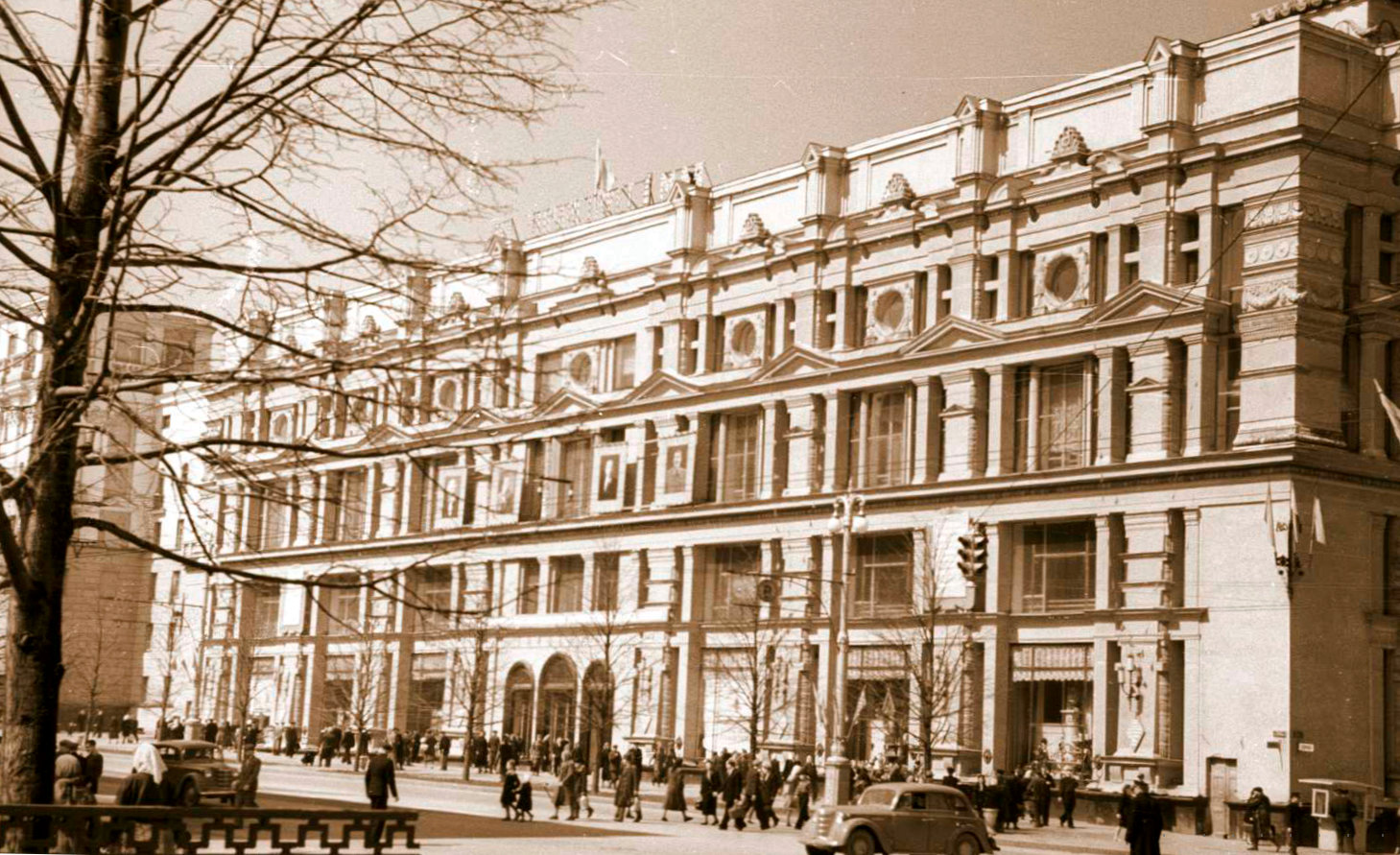
Here is a place we constantly pass without thinking about the beauty and history hidden behind its façade: GUM department store at 21 Independence Avenue.
Yes, that GUM – the one we rush into for gifts or simply to pass the time. But this is far more than a department store. It is a genuine architectural landmark that Minsk residents have grown so used to that they barely notice it anymore.
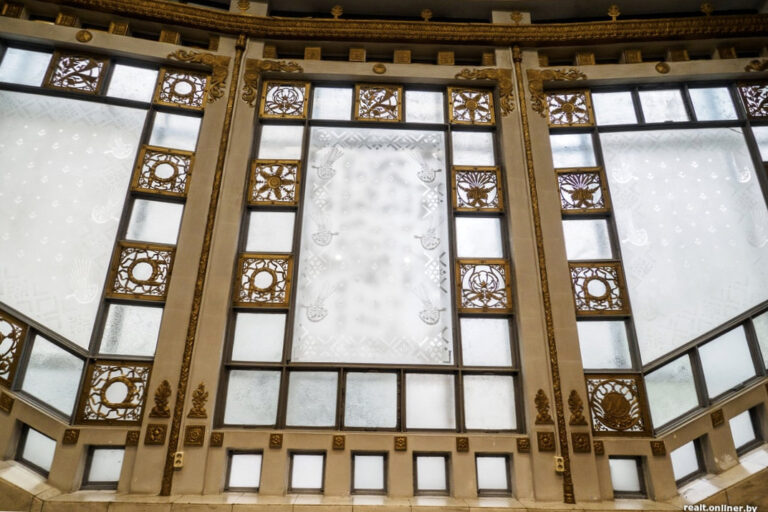
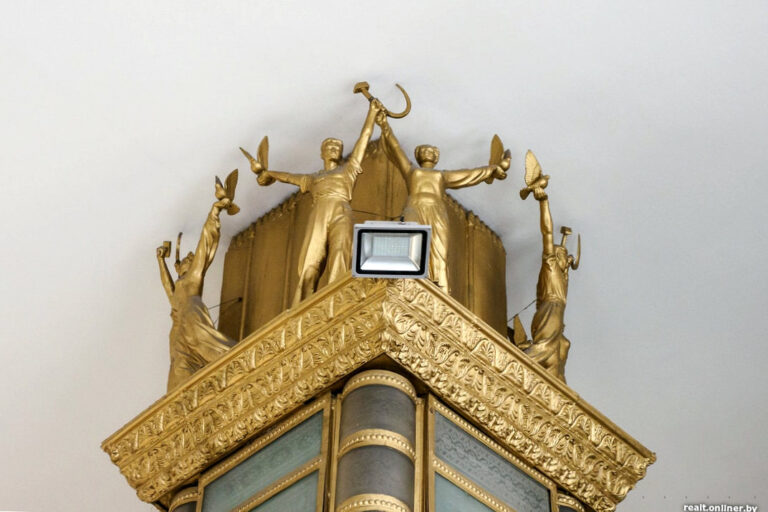
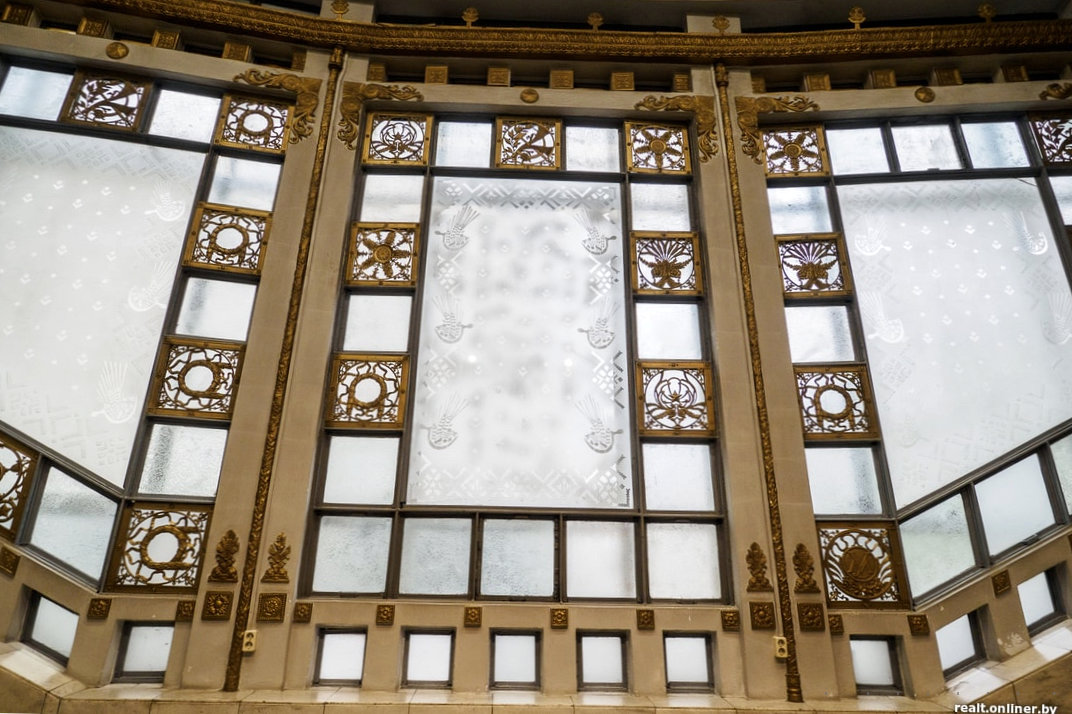
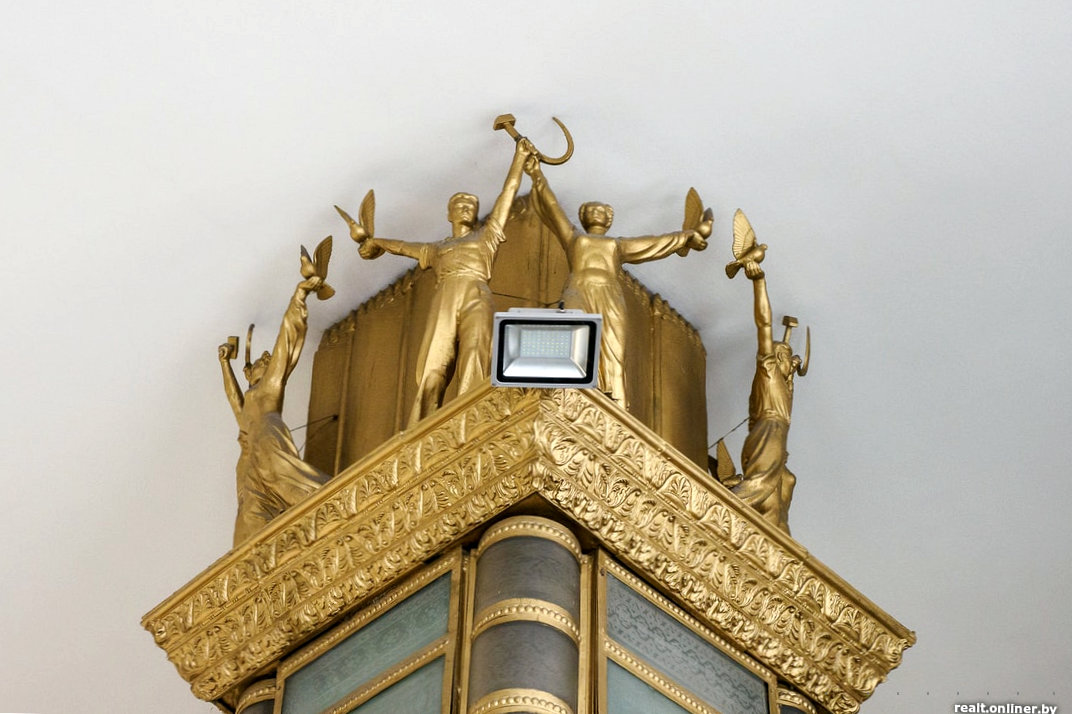
The building we see today was constructed during Minsk’s postwar reconstruction. Architects Roman Gegart and Lev Melegi drew inspiration from Italian masterpieces – Palladio’s Basilica in Vicenza and Sansovino’s Library in Venice. The instructions from Minsk’s chief architect, Yegorov, even explicitly directed the designers to use those buildings as models. That is why GUM resembles a palace or museum.
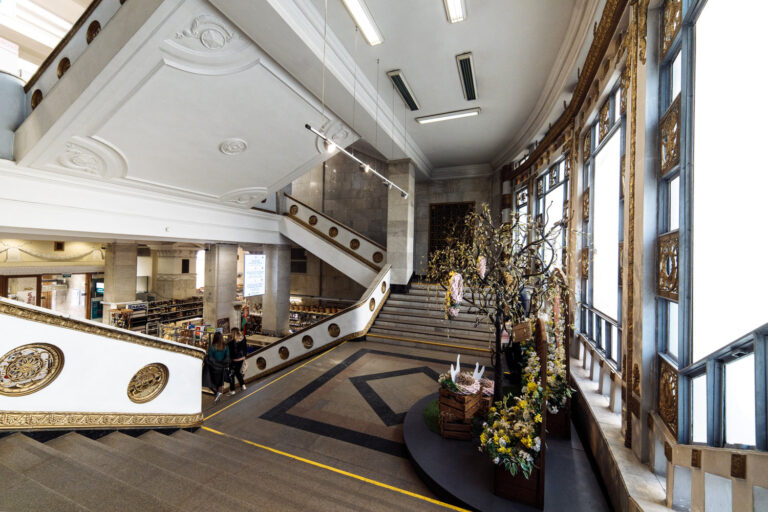
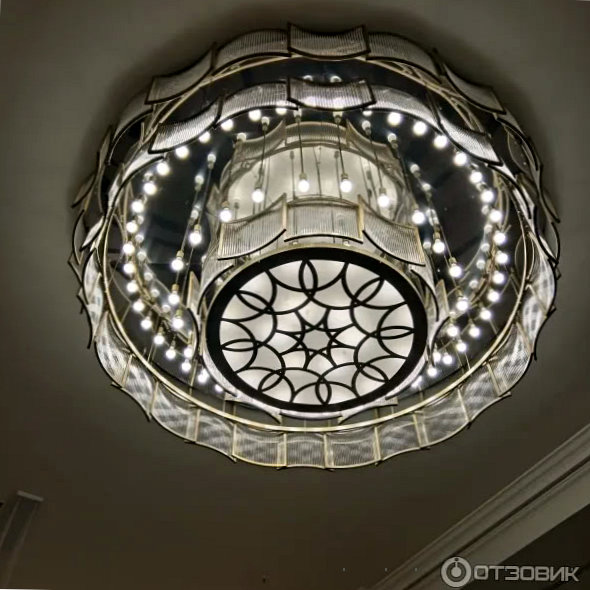
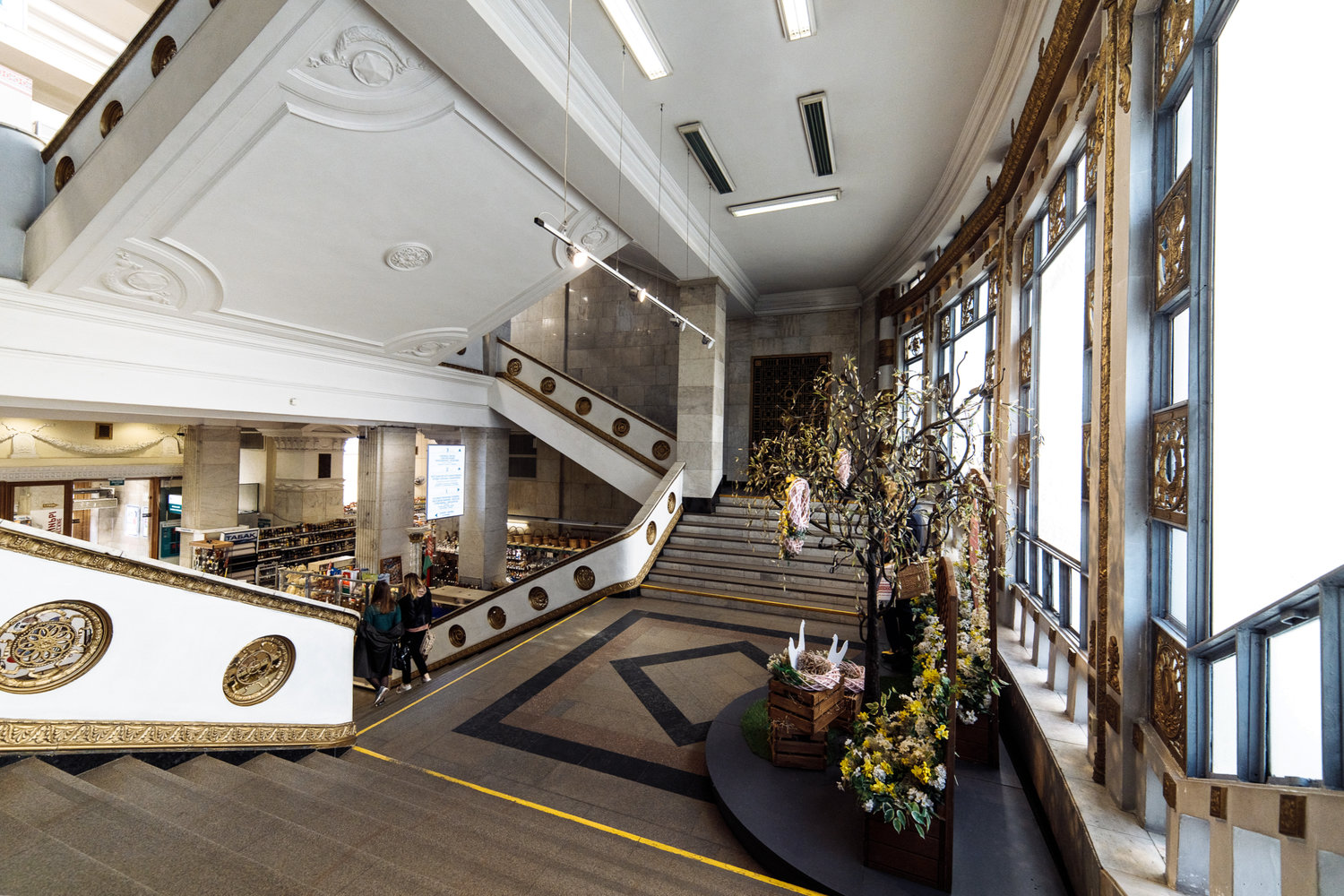
The façade features massive pilasters, decorative molding and strict symmetry. It is a vivid example of Stalinist classicism, which shaped postwar Minsk. Inside are spacious halls and broad, almost palatial staircases.
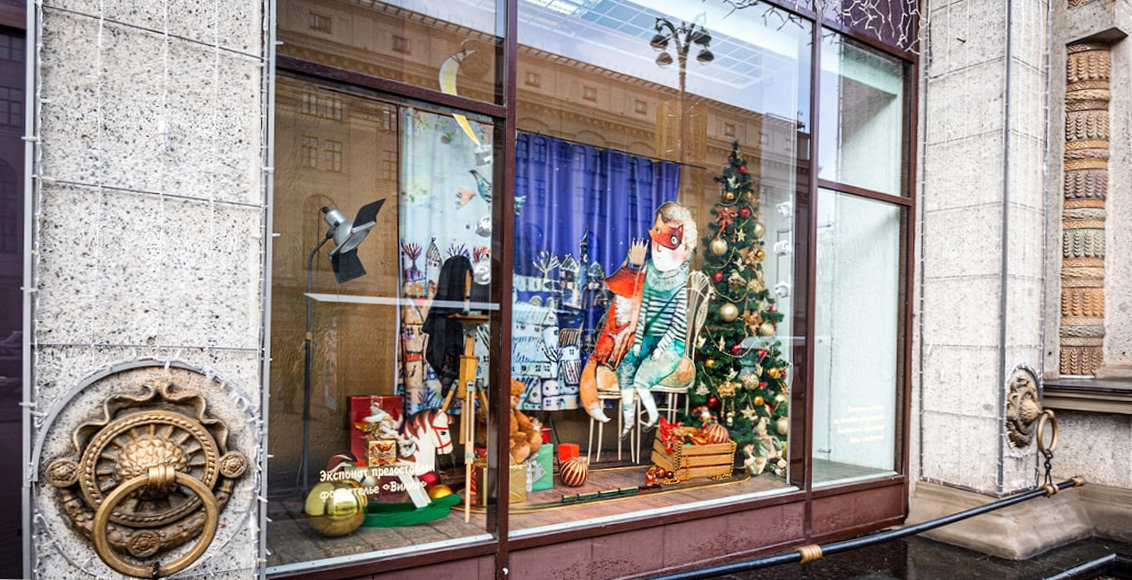
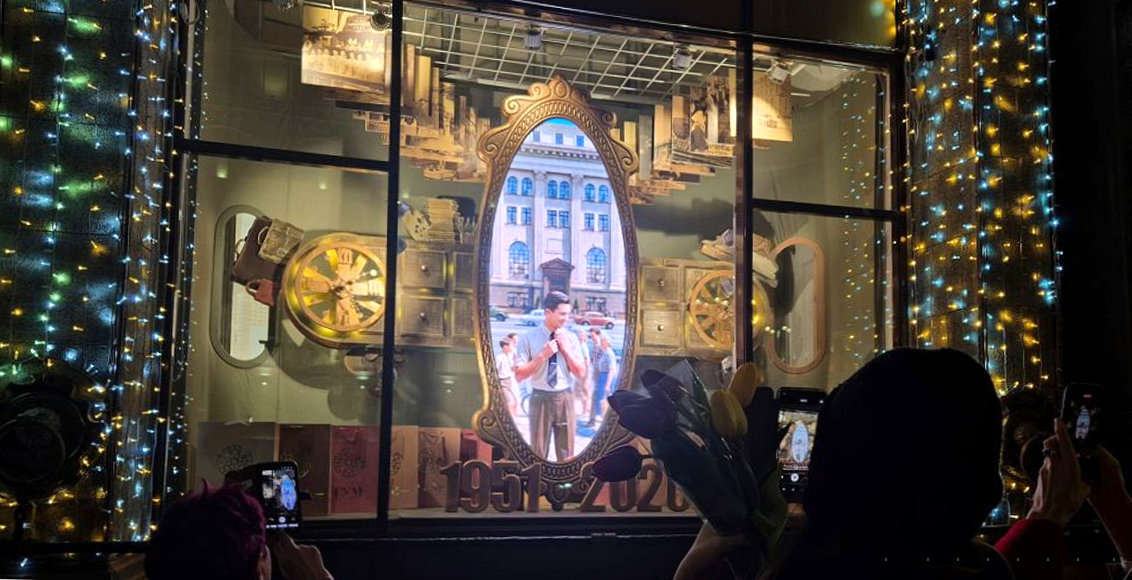
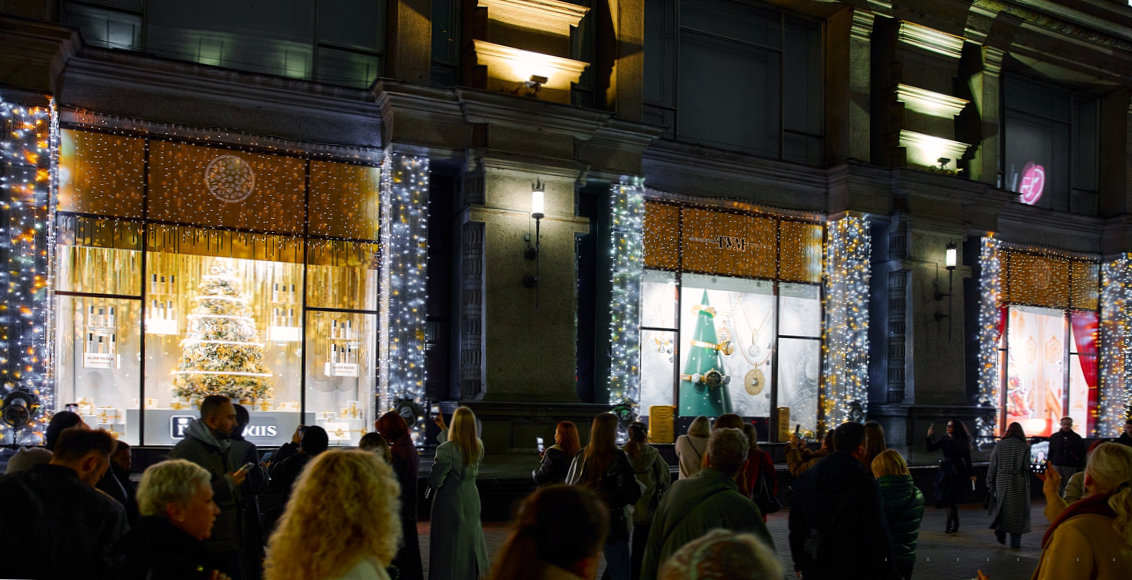
This is a genuine architectural monument, a guardian of tradition and, most surprisingly, a constantly changing open-air art space. Even if shopping is not on your agenda, the window displays alone are worth a visit.
These displays extend the building’s architectural elegance onto the street. They are not simply arrangements of mannequins, but full-fledged artworks crafted year-round by a team of designers. A single display can require about a month of manual work. Every season brings something new: a winter fairy tale, a fashionable summer terrace or a philosophical autumn installation. One month it may be a carnival inspired by “The Nutcracker,” another a steampunk world of enormous gears. The store is not afraid to experiment and invites artists and brands to collaborate, creating something truly spectacular.
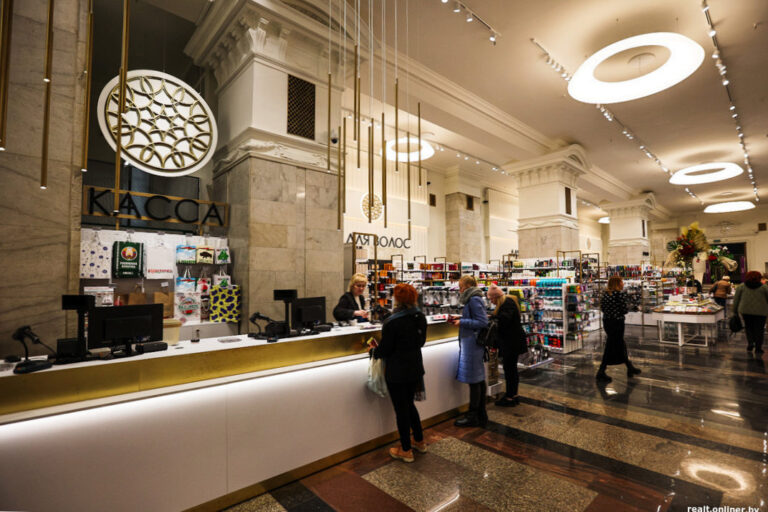
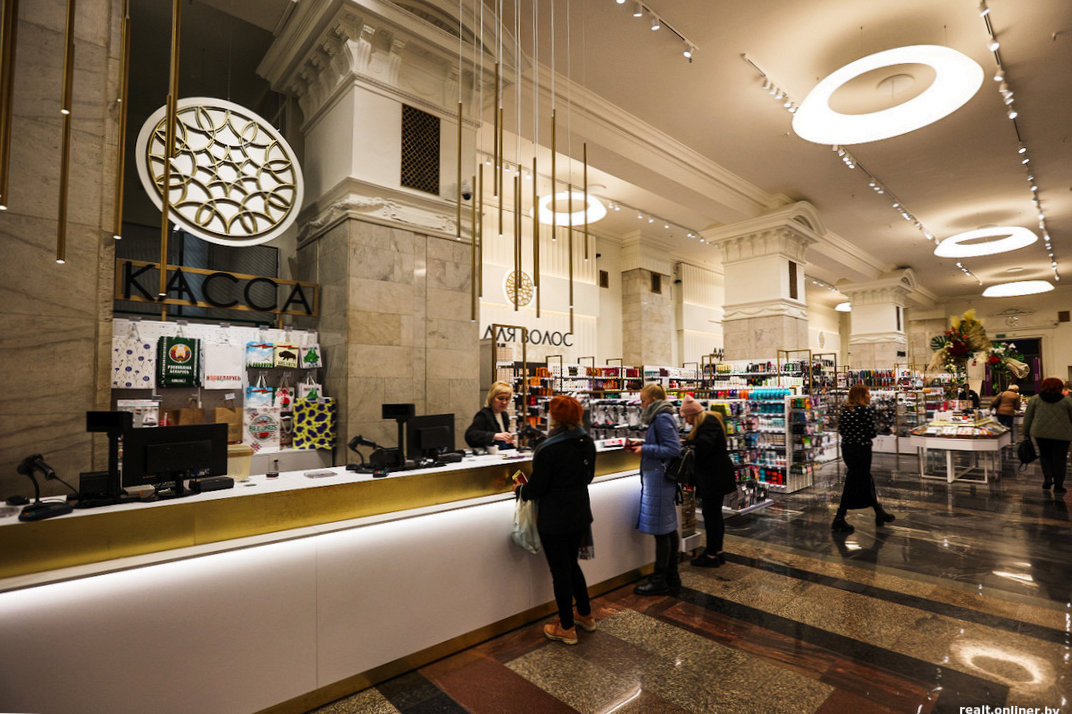
Today GUM has more than 6,500 square meters of retail space and receives over 20,000 visitors daily. You can find everything from clothing and fragrances to household goods, as well as cozy cafés. It is open Monday to Saturday from 9:00 a.m. to 9:00 p.m., and Sunday from 10:00 a.m. to 8:00 p.m.
But I suggest coming here for something other than shopping. Come simply to look around. Admire the columns and molding, appreciate the window displays as living art and experience the building’s monumental scale. It is a city treasure we have grown accustomed to seeing as background scenery.
Source: ProBelarus
Gothic Melancholy and a Map in Stone –
Calvary Cemetery
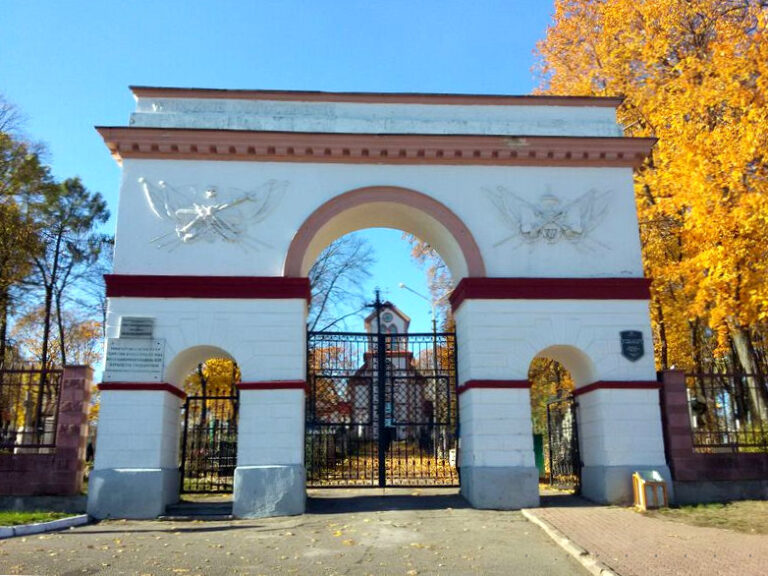
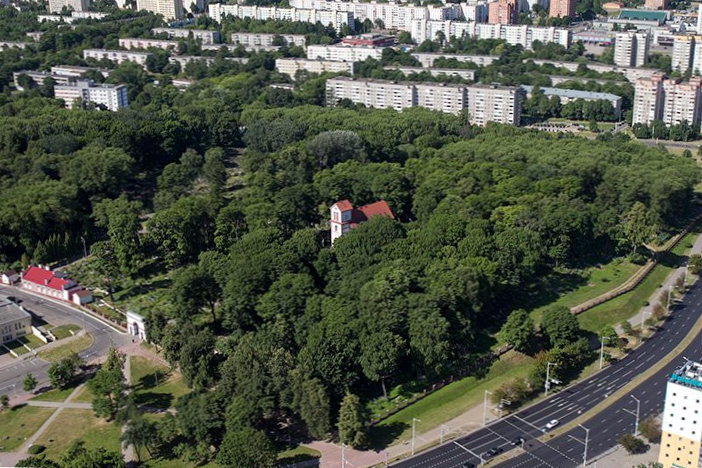
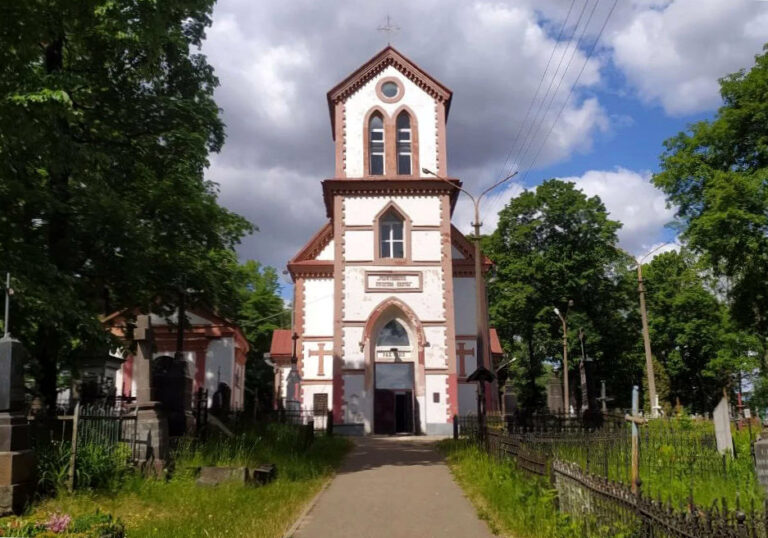
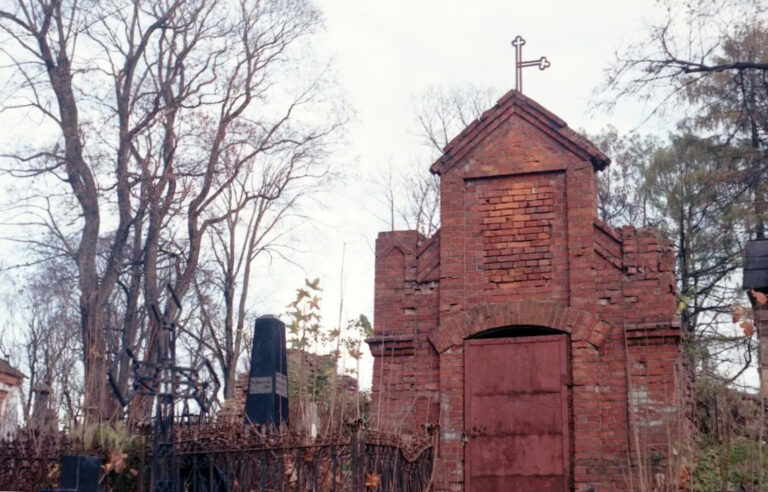
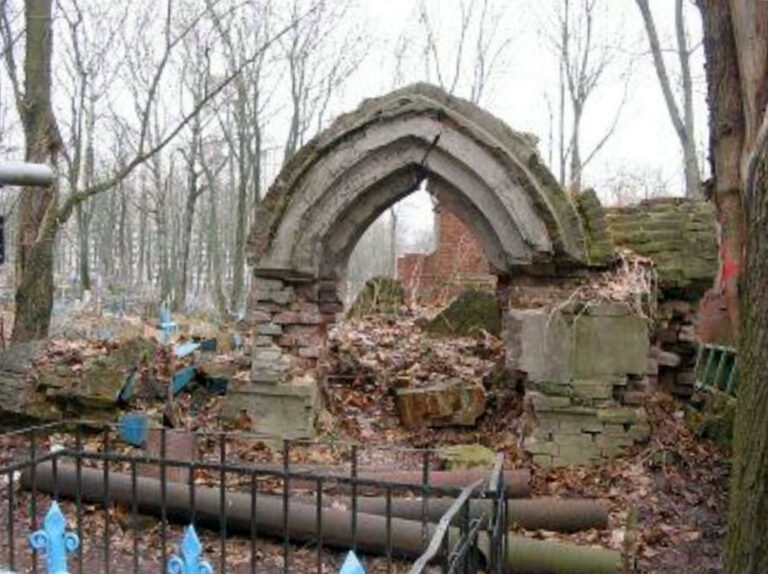
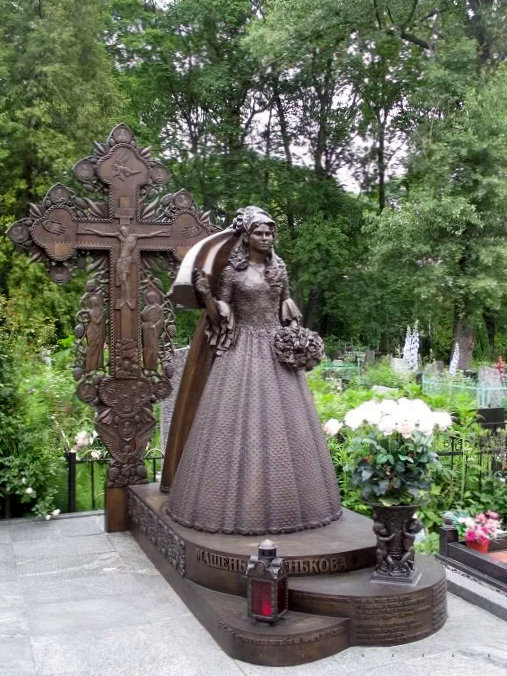
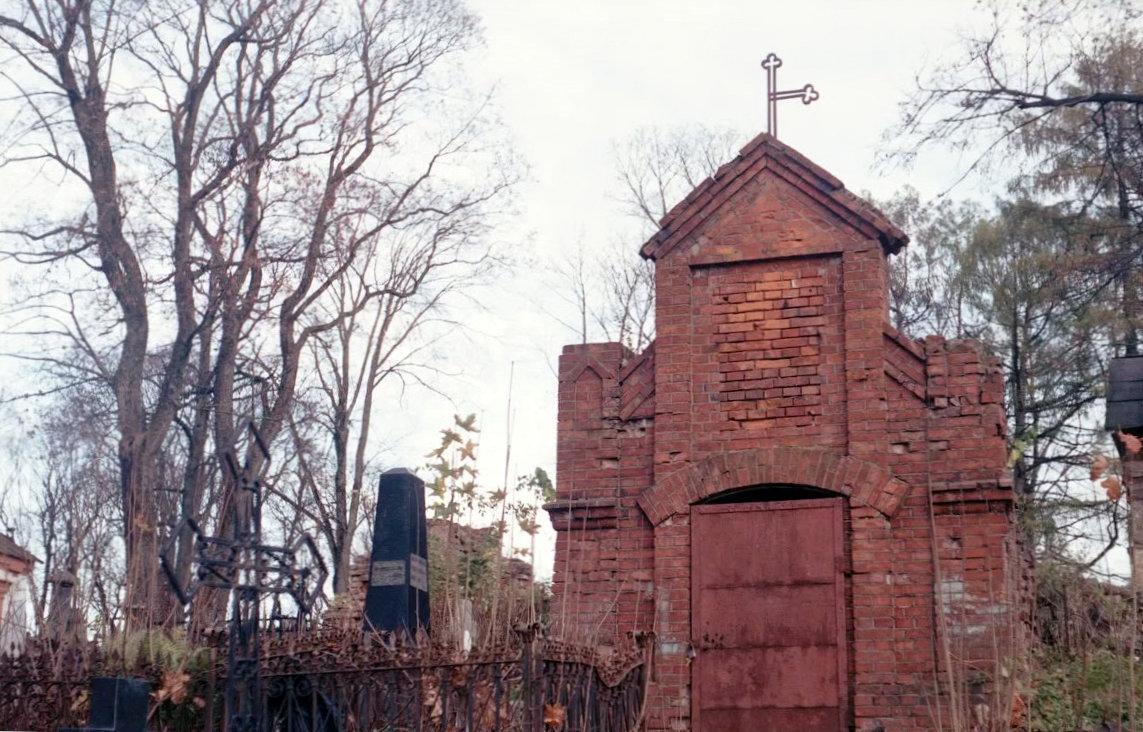
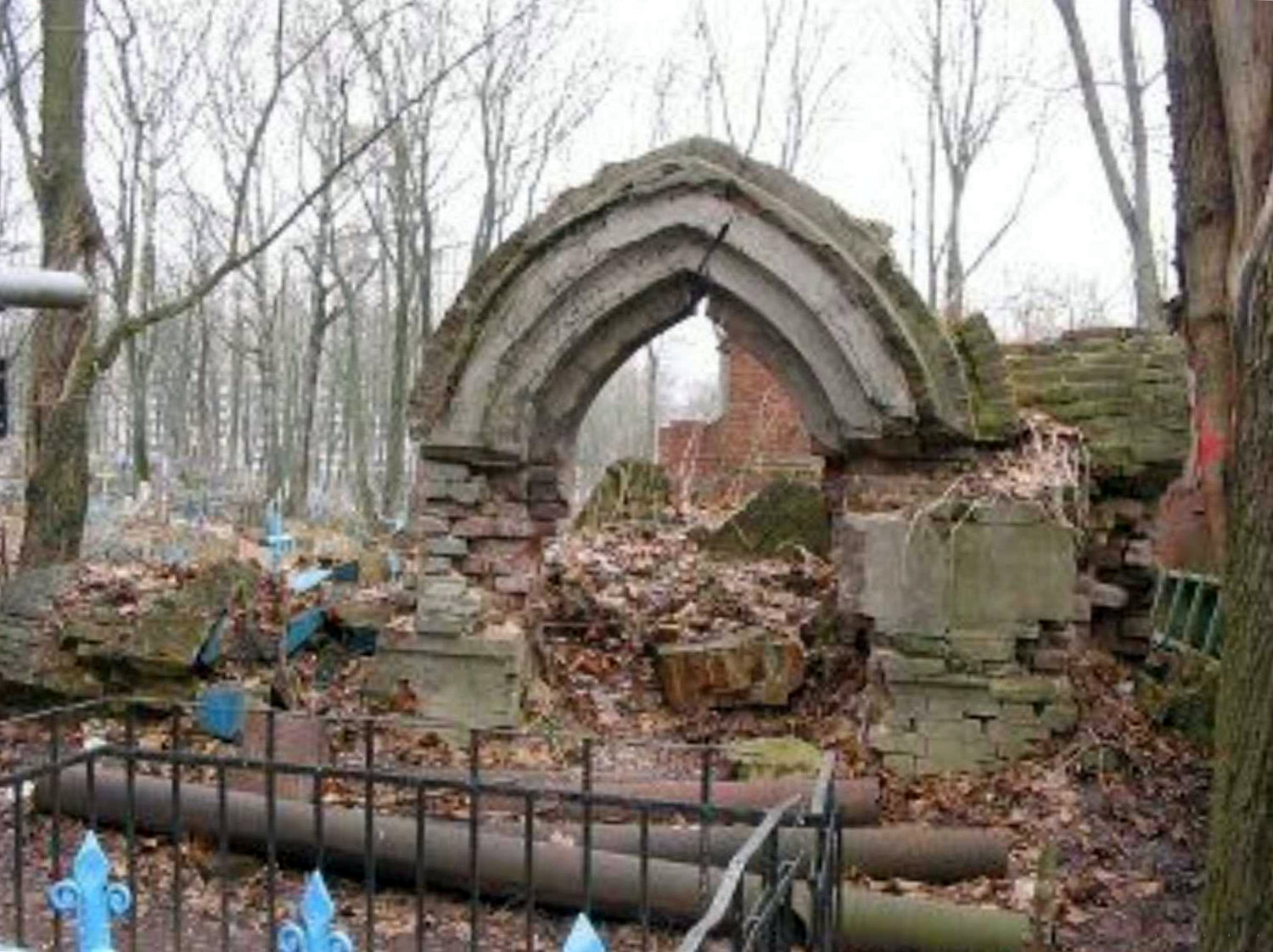
A quiet, mysterious place many of us pass without thinking about the beauty and depth concealed inside: Calvary Cemetery at 45 Kalvariyskaya Street.
It is not a gloomy place at all. This is a space of silence, beauty and remembrance, with a special, almost cinematic atmosphere. Here history can literally be read in stone.
Its name comes from the Latin “calvaria,” meaning the place of the skull, or Golgotha. It is the oldest surviving necropolis in Minsk. In 1800 it came under Franciscan care, and the oldest surviving monument – a granite boulder marking the grave of the Amulsky sisters, dated 1808 – preserves that memory.
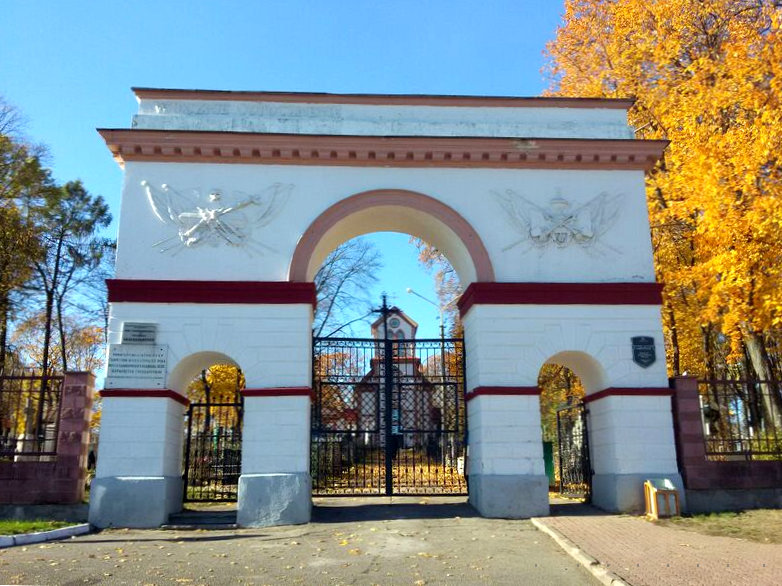
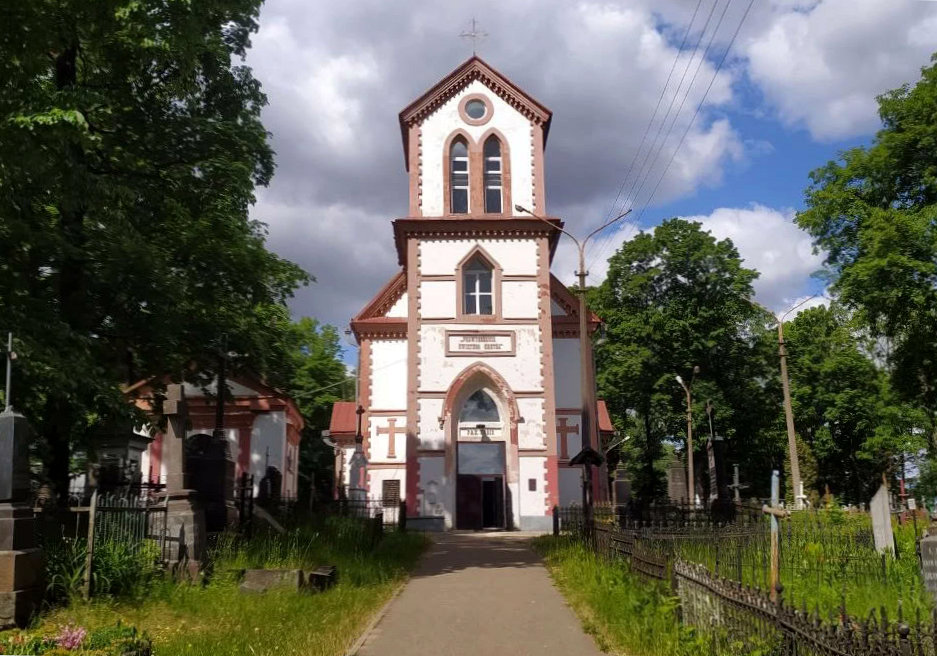
Be sure to notice the architecture. The red-and-white Church of the Exaltation of the Holy Cross is built in the Neo-Gothic style, with pointed windows, spiral staircases and lofty, light-filled vaults. The central gate, in the Empire style, is decorated with bas-reliefs of swords, banners and skulls, reminding visitors of the transience of earthly life.
This is a stone map of our history. Members of prominent noble families – the Radziwiłłs, Poniatowskis, Witkiewiczes and Moniuszkos – rest here. What makes the necropolis unique is that people were buried here regardless of religion or nationality. Among them are Napoleon’s French soldiers, Austrian prisoners of war from World War I, Polish servicemen, Jews from the Minsk Ghetto and Soviet soldiers who fought in World War II.
As you walk along the old paths, you can see carved 19th-century crypts and epitaphs in Polish, Russian, French, German, Belarusian and Hebrew. Crosses surrounded by greenery and trees growing through old gravestones create unforgettable, hauntingly beautiful scenes.
This place offers a rare opportunity to connect with the past, remember remarkable lives and enjoy a moment of quiet.
All Unusual Places on the Map
Coming soon
Conclusion
Minsk is a city that knows how to surprise you if you know where to look. These places are only a small part of its lesser-known charm. They do not require tickets or long queues. Instead, they invite you to live in the moment: smell freshly brewed coffee in a courtyard, touch the rough brick of an old loft, solve the mystery of a carved face on a building or watch the sunset over the water. For many travelers, these immediate, tangible and emotional experiences are what make a journey truly special.
Do not be afraid to turn off the main streets, peer through archways and ask locals for directions. The real Minsk awaits in its hidden courtyards, creative spaces and quiet waterfronts.
Happy discoveries and unforgettable walks through one of Europe’s most surprising cities!
