


 Русский
 Беларуская мова



Contents:
Interesting places and unusual locations
- Zybitskaya Street
- Oktyabrskaya Street
- Waterfalls and bridge in Drozdy Park
- Osmolovka
- Minsk Sea (Zaslavskoye Reservoir)
- Maxim Gorky Central Children’s Park
- Loshitsa Park
- Chelyuskintsev Park
- Victory Park
- Botanical Garden
- Alexandrovsky Square
- Mikhailovsky Square and the former Reiman Gymnasium
For every place on the list, we have included practical information current as of 2026: address, opening hours, prices and more…
Minsk is a modern, diverse city on the banks of the Svisloch River in the heart of Eastern Europe. It is often called a city of discoveries for its combination of historic heritage and vibrant energy: monumental squares sit alongside cosy streets, Polish-Lithuanian and Soviet history, Stalinist Empire architecture, creative spaces, parks and broad avenues. The city is known for its cleanliness, green spaces and convenient infrastructure for every kind of traveller, from families with children to solo visitors.
Belarus’s capital offers a rich cultural experience, from Trinity Suburb and Upper Town to Independence Avenue and the futuristic National Library. Museums, theatres, food destinations and festivals make a visit comfortable, educational and engaging. History enthusiasts, nature lovers and anyone seeking new experiences will find plenty to enjoy.
Minsk has a welcoming, relaxed and safe atmosphere for visitors. Locals are happy to help, navigation and public transport make the city easy to explore, and its parks, coffee shops and street culture create a cosy feeling without the rush of a huge metropolis.
Top attractions — what to see in Minsk
Minsk is a city where different eras, styles and cultural traditions meet. First-time visitors to Belarus’s capital usually begin with its main landmarks — symbols of Minsk’s history, architecture and distinctive character. This route takes travellers through remarkable places, each with a story of its own.
1. Independence Avenue
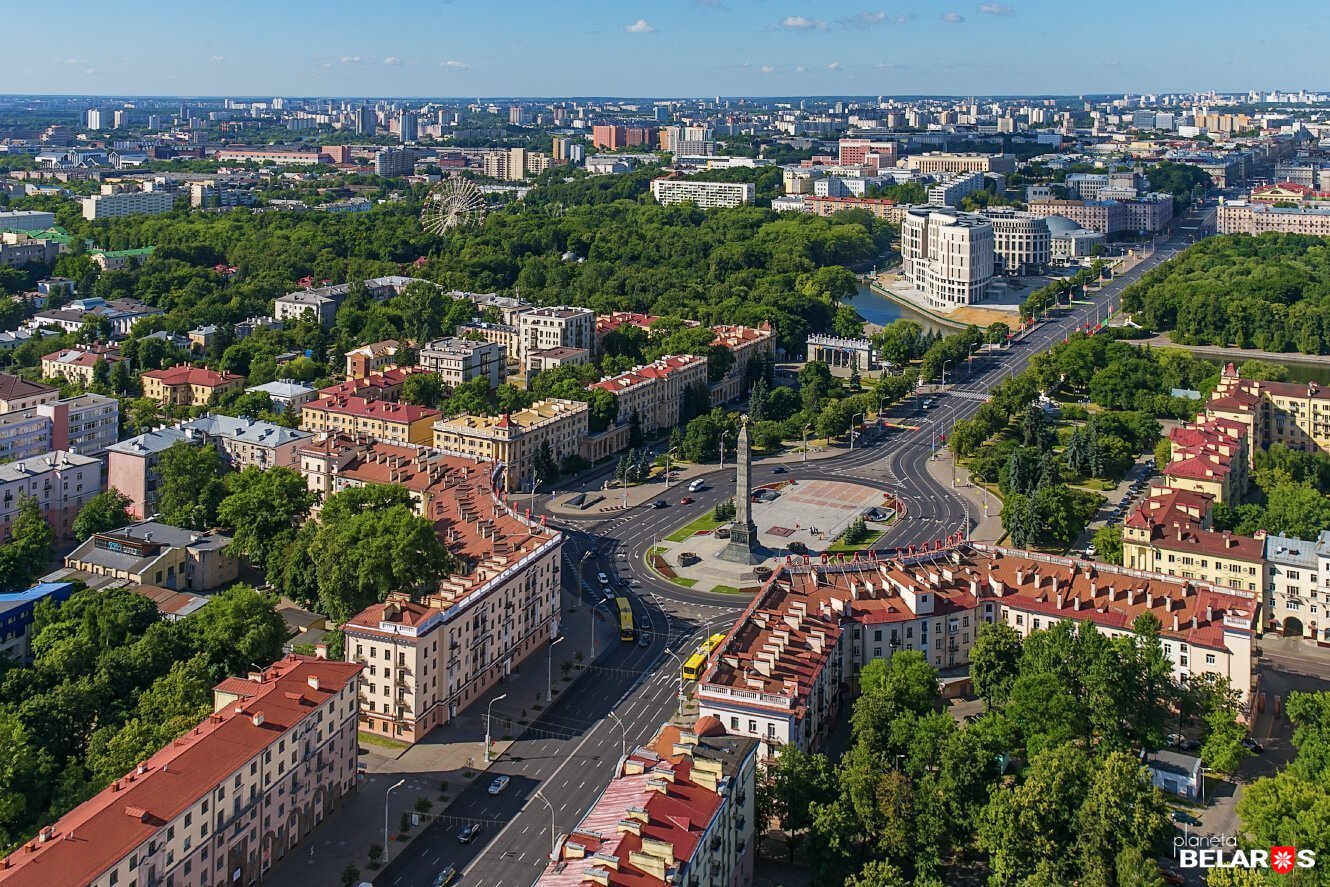
Independence Avenue is not only Minsk’s main street but also one of its most striking architectural and cultural symbols. At roughly 15 kilometres long, it stretches across the capital from southwest to northeast, from Independence Square towards the city limits. It has become one of Minsk’s defining landmarks and a magnet for visitors.
The avenue’s history began in the early 19th century. It was laid out in 1801 as Zakharyevskaya Street, named after Governor Zakhary Korneyev, who initiated its construction under Minsk’s first urban development plan. Interestingly, it was originally conceived as a bypass to relieve congestion in the centre. Over the years it was renamed many times: Zakharyevskaya, Sovetskaya, Hauptstrasse during the German occupation, Lenin Street and Francysk Skaryna Avenue, before becoming Independence Avenue in 2005.
Source: planetabelarus.by
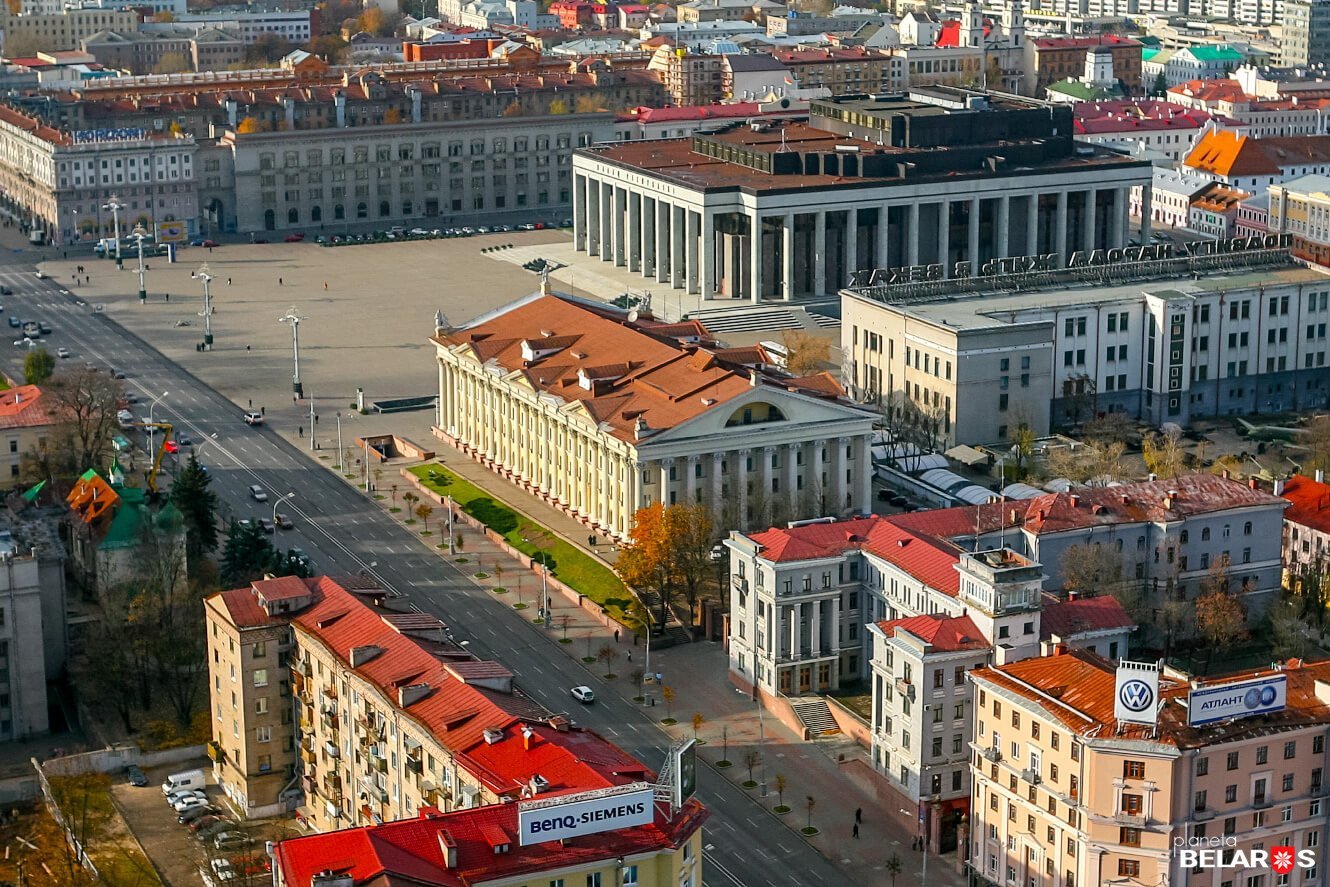
The avenue acquired its present architectural appearance after World War II, when central Minsk was almost completely destroyed. This offered a rare opportunity to create a cohesive Stalinist Empire-style ensemble almost from scratch: a broad street lined with monumental buildings, whose architectural unity is uncommon in other former Soviet cities. Outstanding examples of Soviet civic architecture can be found here, including the Government House, Main Post Office, Yanka Kupala Theatre and Minsk Hotel, alongside modern buildings carefully integrated into the historic setting.
The central stretch between Independence Square and Victory Square is particularly interesting. Both sides are lined not only with administrative and cultural landmarks but also handsome residential buildings with stucco details, arches and courtyards. Monuments, small parks, fountains, cafés and shops fill the street. Visitors should pay particular attention to Victory Square, with its monument to the heroes of the Great Patriotic War, and to historic buildings that miraculously survived the war, such as the Red Church and Officers’ House.
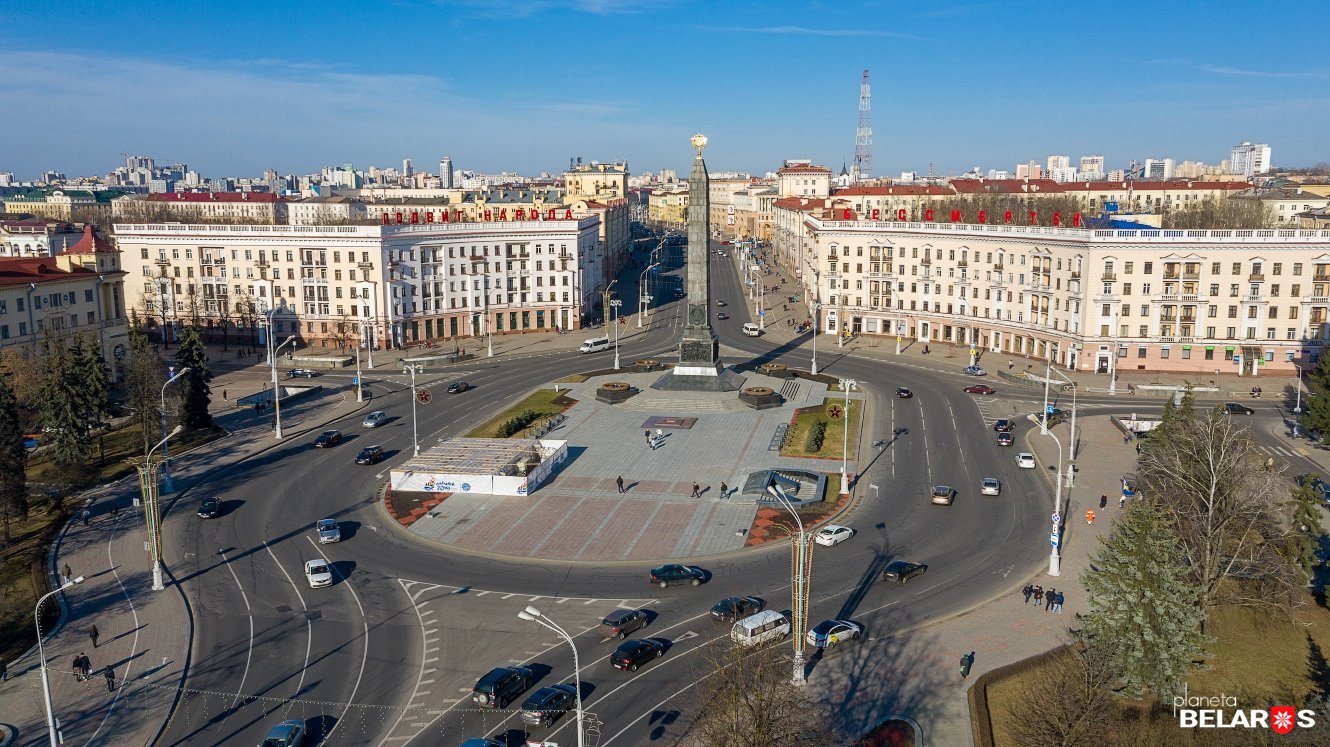
Source: planetabelarus.by
The avenue gradually changes as you travel away from the centre: its grand, ceremonial core gives way to modernist and functionalist buildings, contemporary offices, shopping centres, parks and recreational areas. The presence of history can be felt throughout. Here Minsk reveals itself to visitors as bright, spacious and constantly evolving.
Address
Independence Avenue
Opening hours
Open 24 hours
Highlights along the avenue:
- Independence Square
- Palace of the Republic
- Victory Square
- National Library.
- Near the library are Dana Mall, one of the most popular shopping centres among tourists, and the First National Trading House, featuring Belarusian brands.
2. Independence Square
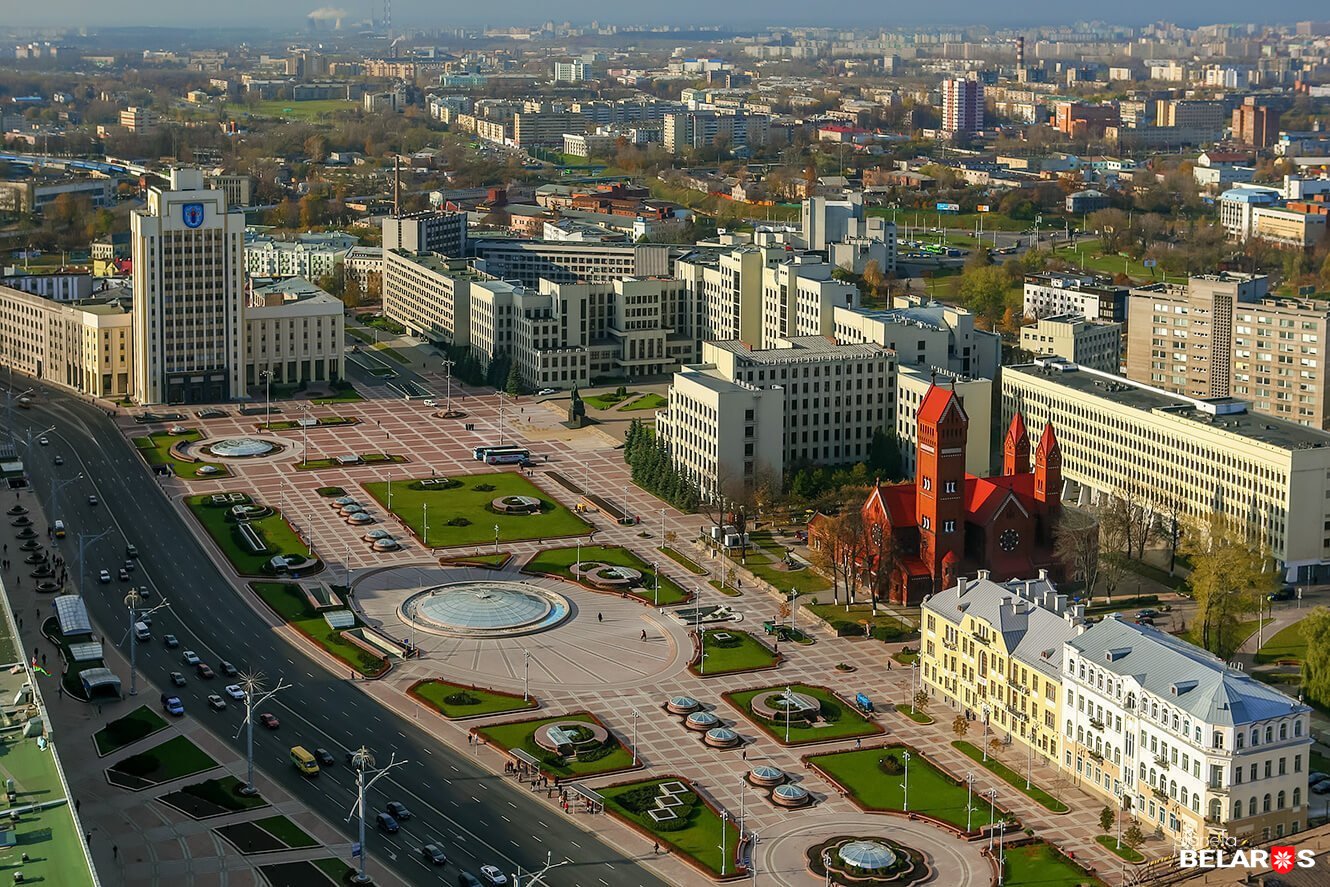
Source: planetabelarus.by
Independence Square is the heart and symbol of Minsk, the largest and most recognisable city square in Belarus. Its history dates back to 1933 and a design by the celebrated architect Iosif Langbard. Originally called Lenin Square, it was conceived as the capital’s main public centre, connecting the railway station with Minsk’s principal avenue. Until 1991, it bore the revolutionary leader’s name; afterwards, it became a symbol of the country’s new era of independence.
The square brings together several of the capital’s key architectural and cultural landmarks:
- Government House is a monumental Constructivist building (1930–1935) that defines the square’s appearance. An imposing monument to Lenin — one of the largest in the post-Soviet region — stands before its façade.
- The Red Church (Church of Saints Simon and Helena) is an elegant early-20th-century Catholic church and a symbol of the city’s spiritual life. Its Neo-Romanesque design stands out sharply against the surrounding Soviet architecture.
- The square also contains buildings of Belarusian State University and Belarusian State Pedagogical University, Minsk Hotel, the central post office, metro stations and Stolitsa underground shopping centre — a three-level underground “city” with shops, cafés and parking.
The architecture of the square reflects several periods, from the strict geometry of the Stalinist Empire style to Soviet modernism and contemporary glass structures. Recent redevelopment added fountains, sculptures and green spaces, making it a pleasant place to walk and relax for visitors and Minsk residents alike.
Walking across the square is like stepping through history. Red Army soldiers once marched here and festive parades were held; today it is part of everyday city life. People meet, photograph the Red Church, relax beside the fountains in summer and admire the illuminations in winter. Independence Square is an ideal starting point for exploring Minsk and an easy landmark for travellers.
Address
Independence Square
Opening hours
Open 24 hours
3. Red Church (Church of Saints Simon and Helena)
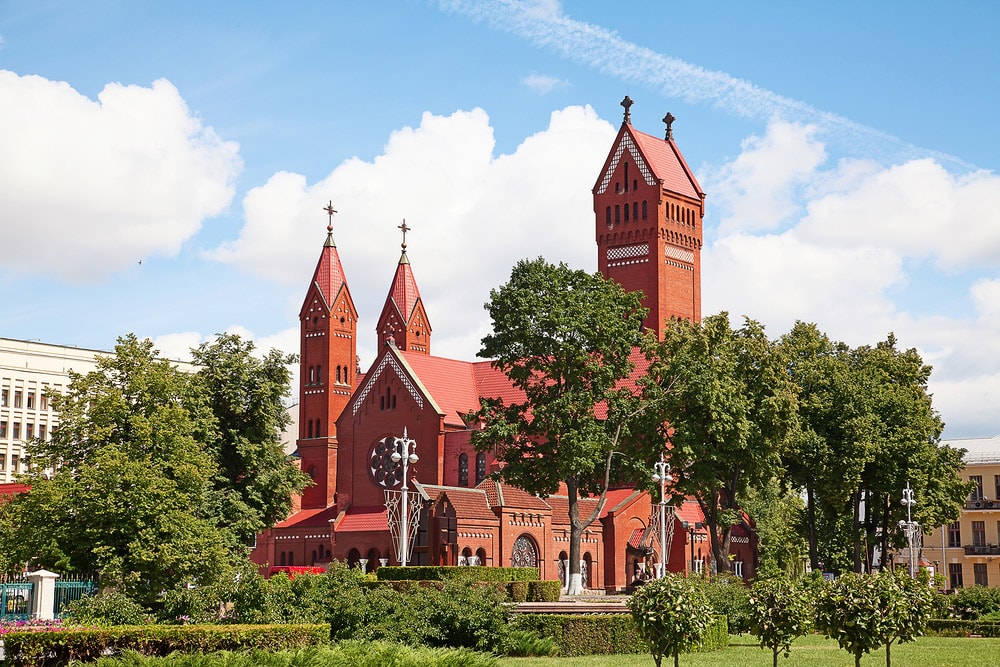
The Church of Saints Simon and Helena, popularly known as the Red Church, is one of Minsk’s most recognisable and symbolic places of worship, located on Independence Square. Its history is not simply a story of construction, but a moving and tragic tale of parental love and remembrance.
This magnificent red-brick church, designed in the Neo-Romanesque style with Art Nouveau and Neo-Gothic elements, was built in 1905–1910 with funds from the renowned philanthropist and nobleman Edward Woyniłłowicz. Behind its beauty lies a personal tragedy: he commissioned the church in memory of his children, who died young. His 12-year-old son Simon died of scarlet fever, and his daughter Helena passed away just one day before her 19th birthday.
According to legend, the dying Helena saw the church’s design in a dream and asked her father to build it exactly that way. Its architecture is symbolic:
- The great 50-metre tower represents the inconsolable grief of the parents.
- The two smaller towers symbolise their departed children, Simon and Helena.
The church miraculously survived Soviet times: it was used as a theatre, film studio and cinema house, which saved it from demolition. It was returned to worshippers in 1990, and Edward Woyniłłowicz’s remains were reburied here in 2006.
What to see:
- Nagasaki Bell: to the right of the entrance stands a memorial bell donated by the Japanese city of Nagasaki. It commemorates victims of nuclear disasters, including Chernobyl, and calls for peace.
- Archangel Michael sculpture: a bronze statue at the entrance depicts the saint piercing a serpent, a symbol of darkness. Installed in 1996, it represents the triumph of good over evil.
- Replica of the Shroud of Turin: one of the church’s principal sacred objects, brought from Italy in 2002.
- Interiors: stained-glass windows designed by Belarusian artists and bronze bas-reliefs.
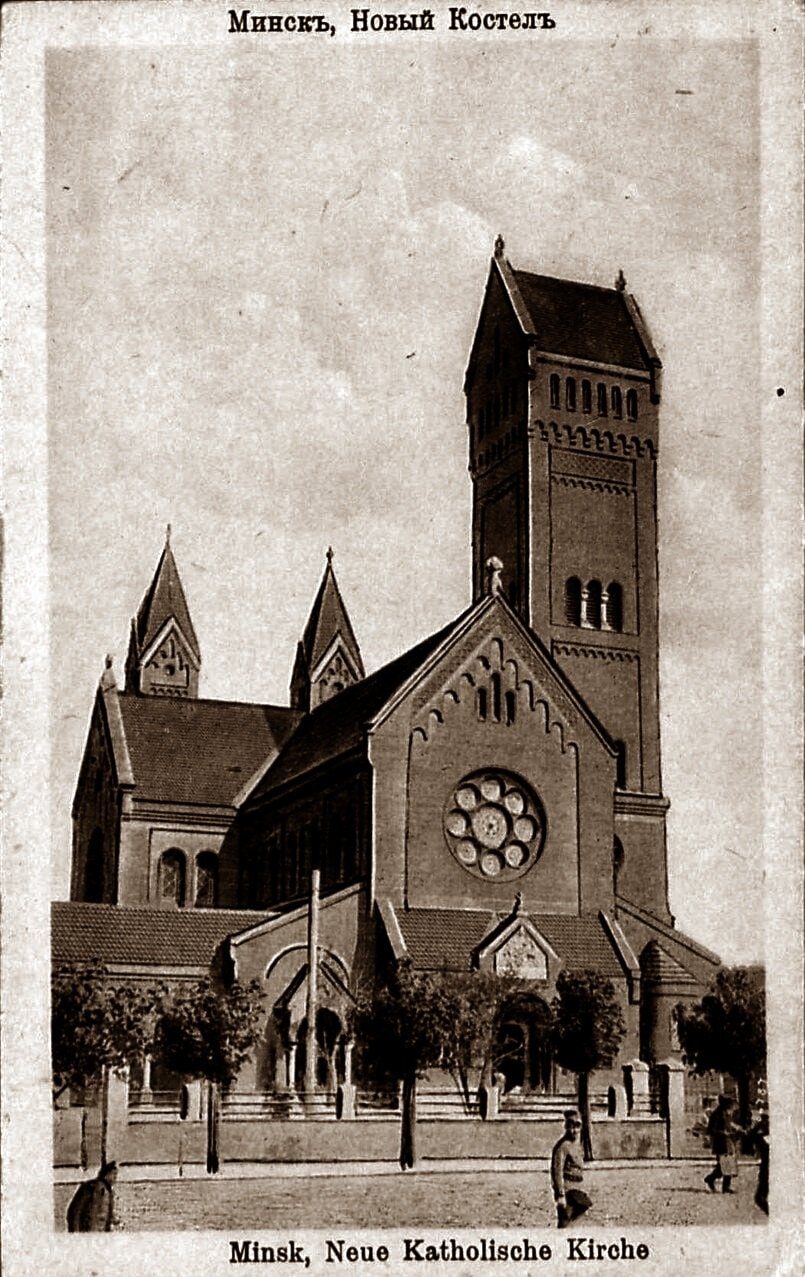
The Red Church is an atmospheric place to stop, explore and take photographs. Its history, the heartbreaking love of its founders, distinctive architecture and mysterious origin story all leave a lasting impression on visitors. Even during restoration, it is worth coming to admire the façade, surrounding monuments and the dramatic yet beautiful history of Minsk.
Address
Minsk, 15 Sovetskaya St., Ploshchad Lenina metro station
Opening hours
Please note: the church is undergoing restoration following a fire in autumn 2022. Reopening was expected no earlier than 2026.
Visiting
- The church is closed to visitors and religious services until restoration is complete.
- The exterior façade and monuments can be viewed at any time (the square is freely accessible).
4. National Library
Source: Tripster
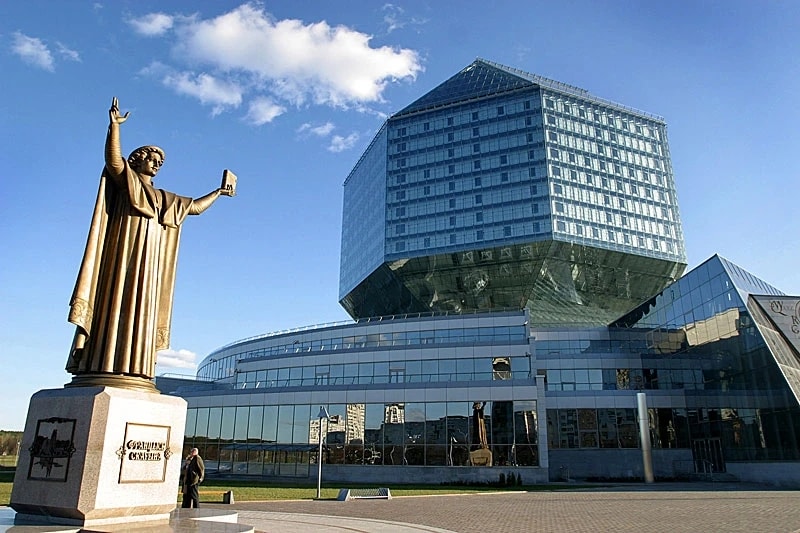
The National Library of Belarus is a remarkable building shaped like a rhombicuboctahedron, a complex polyhedron with 18 squares and 8 triangles. Raised on a high podium, it resembles a diamond — a “gem of knowledge”. Opened in 2006, it became one of the world’s most modern and technologically advanced library complexes and an architectural symbol of Minsk. The building stands roughly 74 metres tall, has 23 storeys and covers over 110,000 square metres.
Designed by Belarusian architects Mikhail Vinogradov and Viktor Kramarenko, the building’s unusual geometric shape symbolises a treasury of knowledge and the boundlessness of information. The entrance resembles an open book and displays quotations in 19 languages about the importance of education. Inside are 17 reading rooms, a collection of more than eight million items, multimedia technology and spaces for concerts and exhibitions. The roof of the library has an observation deck with panoramic city views.
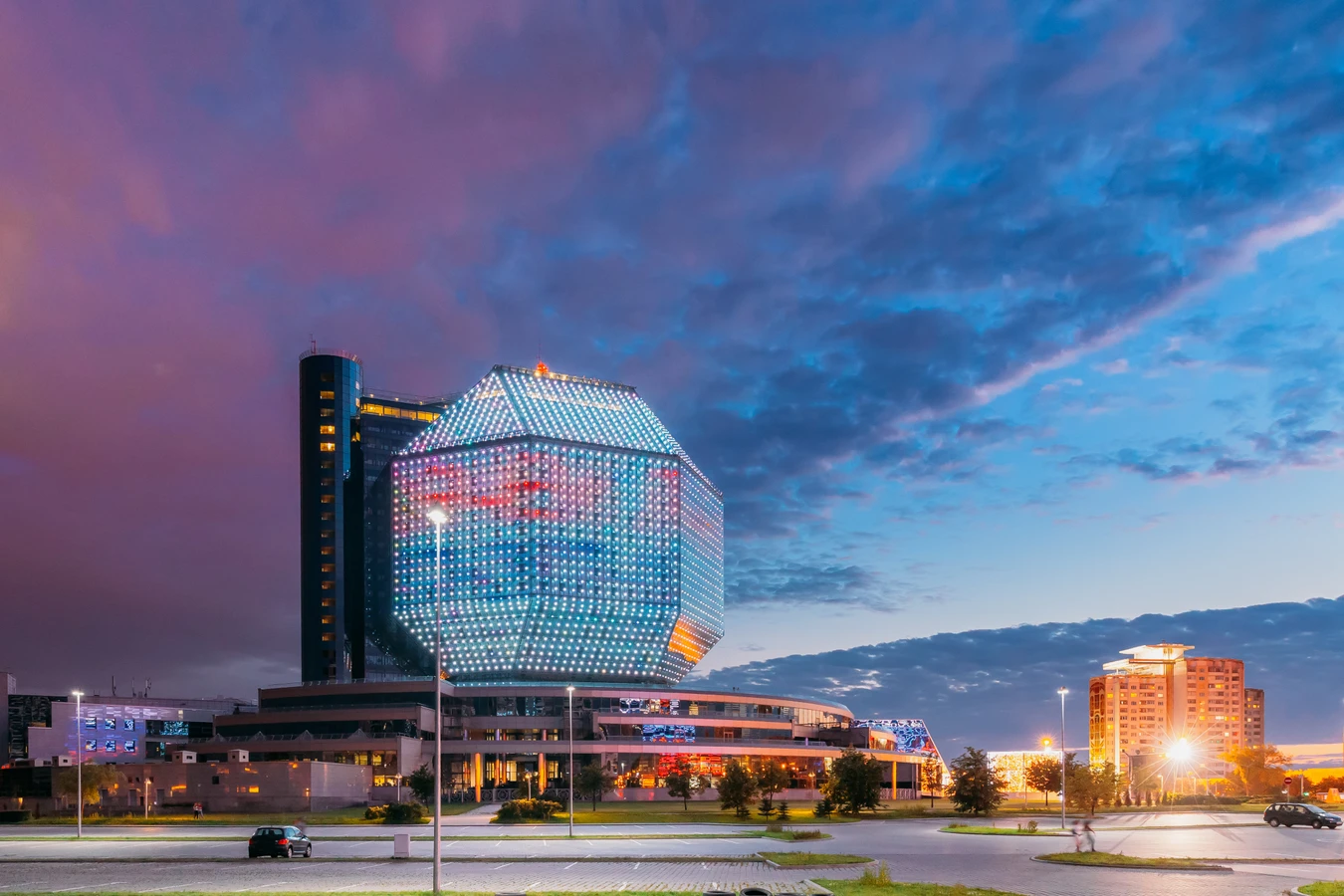
It is especially impressive in the evening, when its façade becomes a gigantic display of colourful lights and light shows, attracting visitors and creating an unforgettable atmosphere.
Source: Tripster
The National Library of Belarus is an important part of Minsk’s modern architectural and cultural identity, and a must-see for travellers interested in contemporary design and the city’s culture.
Address
Minsk, 116 Independence Ave., Vostok metro station
Opening hours
Library
- Mon–Fri: 10:00–20:00
- Sat: 10:00–18:00
- Sun: closed.
- Closed for maintenance on the last Monday of each month.
Observation deck:
- Daily 11:00–23:00; last admission at 22:30.
Official website
Prices
- Observation deck ticket — 10 BYN (standard), 5 BYN (schoolchildren and full-time students); free for children under 7, people with Group I or II disabilities, orphans and Great Patriotic War veterans.
- Admission to the library for an independent visit — from 2.50 BYN.
- Organised guided tours (including the Book Museum, art gallery and observation deck) — 15 BYN.
5. Upper Town
Source: Tripadvisor
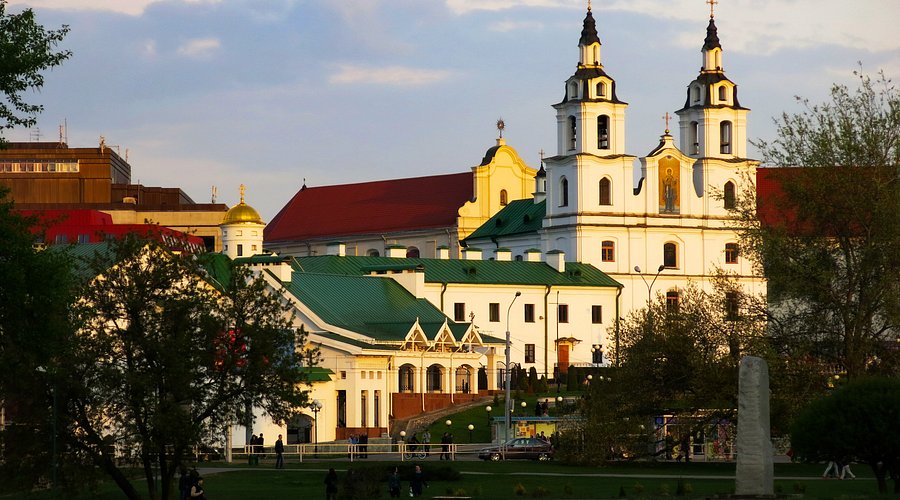
Upper Town is one of Minsk’s oldest and most atmospheric districts, where history seems present at every step. The area began developing in the 12th century, but became especially important from the 16th century, when noble families and magnates built residences, churches, monasteries and trading rows here.
The heart of Upper Town is formed by Freedom Square, Muzykalny Lane and Gertsena, Internatsionalnaya, Revolyutsionnaya and Kirilla i Mefodiya streets. Its atmosphere is unique: historic houses, cobbled streets, cosy cafés and museums. Today Upper Town contains architectural landmarks from the Baroque to Art Nouveau periods, particularly beautiful when the buildings and squares are illuminated in the evening.
Source: bestbelarus.by
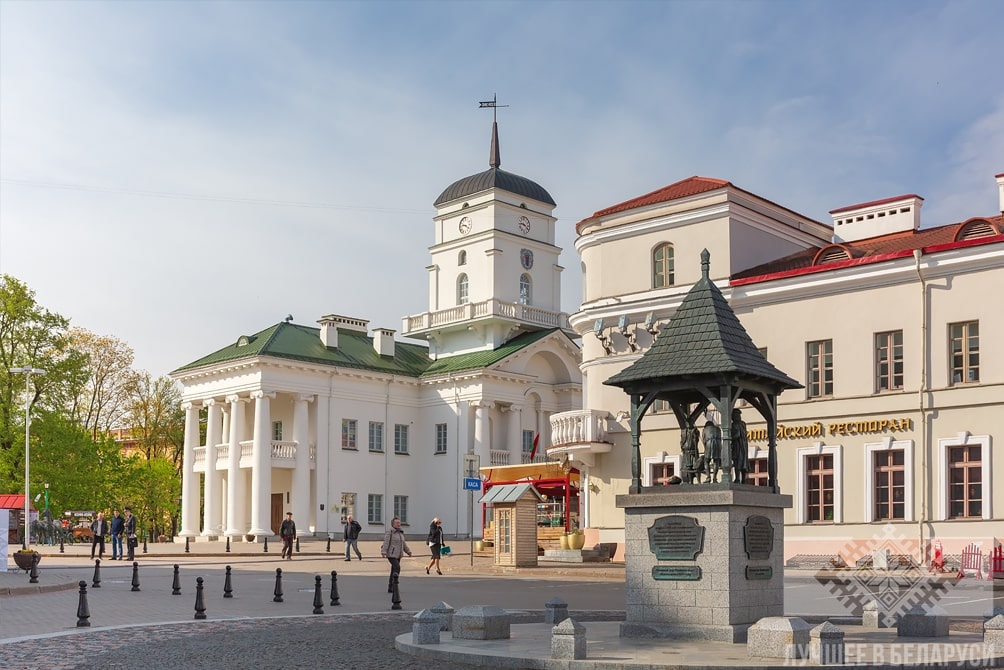
Freedom Square is the focal point, hosting festivals, concerts and city celebrations. Legend has it that a complex network of underground passages once linked monasteries and fortifications beneath the square. Viewing points in Upper Town overlook the Svisloch River, Nemiga Street and the restored historic centre of Minsk.
Address
Nemiga metro station, area around Freedom Square, Kirilla i Mefodiya, Internatsionalnaya and Gertsena streets, Muzykalny Lane
Price
- Walking through the streets and squares is free.
- Admission to museums, galleries and individual exhibitions costs from 3 to 10 BYN.
Visiting hours
- This open historic district can be visited around the clock.
- Most cafés, souvenir shops and museums stay open until 20:00–22:00; museums usually close at 18:00–19:00.
6. Minsk City Hall
Source: Sputnik
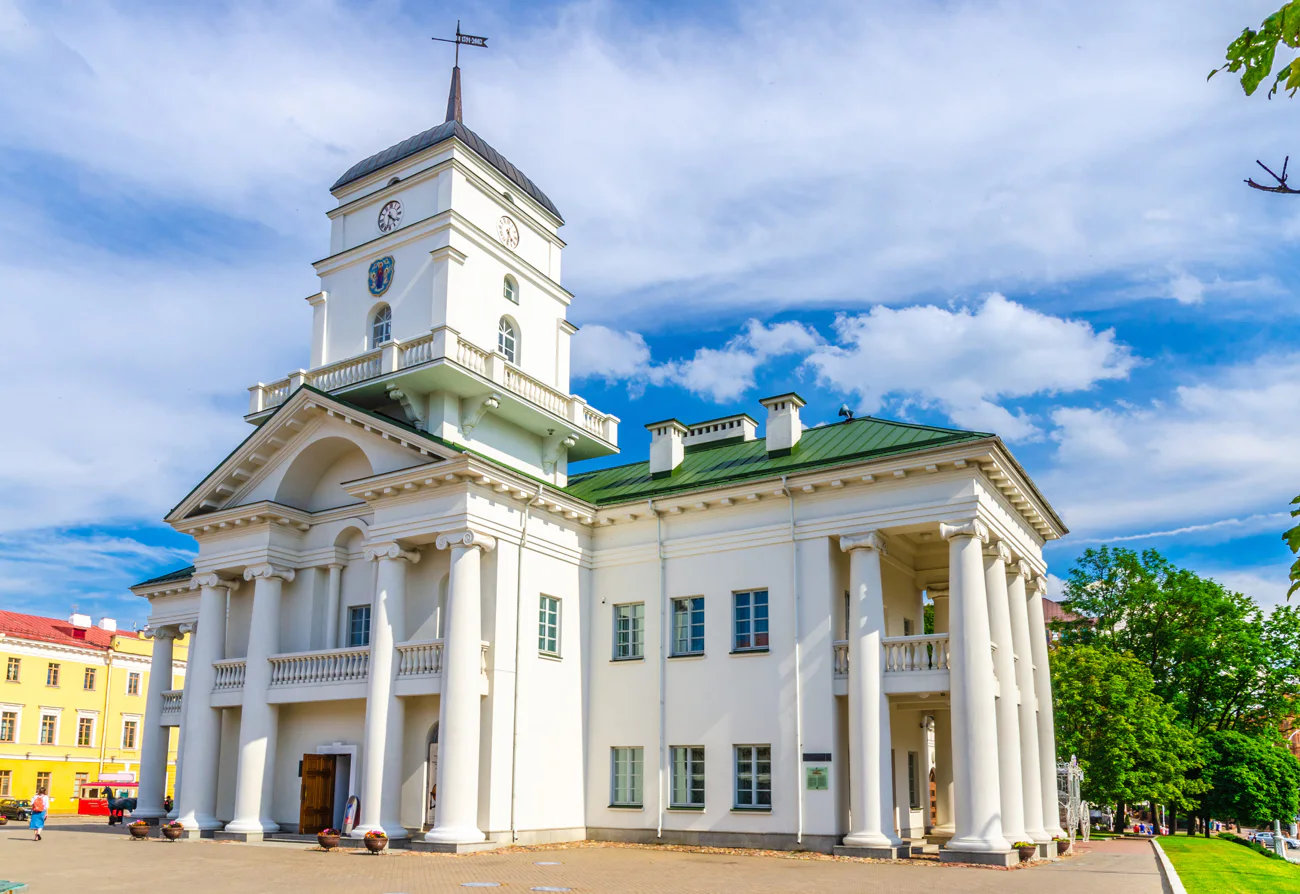
The main architectural landmark of Upper Town is Minsk City Hall on Freedom Square. Its origins go back to a major event in 1499, when Minsk received Magdeburg Rights, granting the city self-government and encouraging trade and crafts. In the early 16th century, a wooden town hall was built for council and court meetings and to store the city treasury; it was later rebuilt in stone. Repeatedly damaged and restored, the building acquired Classical features in the late 18th century. It housed council meetings, court proceedings, archives and even a prison.
In 1857, the Russian authorities ordered the town hall demolished in an attempt to erase the memory of Minsk’s civic freedoms. It was only recreated 145 years later, in 2002–2004, according to drawings by provincial architect Kramer, on its original site, complete with a tall clock tower and the city coat of arms. Today it is an ornament of Freedom Square, a symbol of Minsk’s history and a museum hosting exhibitions, ceremonies and tours. The clock chimes a city melody, while exhibition rooms display maps, historic documents and a model of old Minsk.
Address
Minsk, 2a Freedom Square, Nemiga metro station
Official website
Opening hours
- Wed–Sun: 11:00–19:00 (last admission 18:30)
- Mon, Tue: closed
Price
- Adult ticket — 7 BYN
- Reduced ticket (children, students and pensioners) — 3.5 BYN
- Guided tours by appointment (check prices on the website)
Upper Town and Minsk City Hall are perfect places to discover the authentic history of Belarus’s capital, wander quiet streets and immerse yourself in the atmosphere of a European city with deep roots and old-world charm.
7. Cathedral of the Holy Spirit
Source: Photogoroda
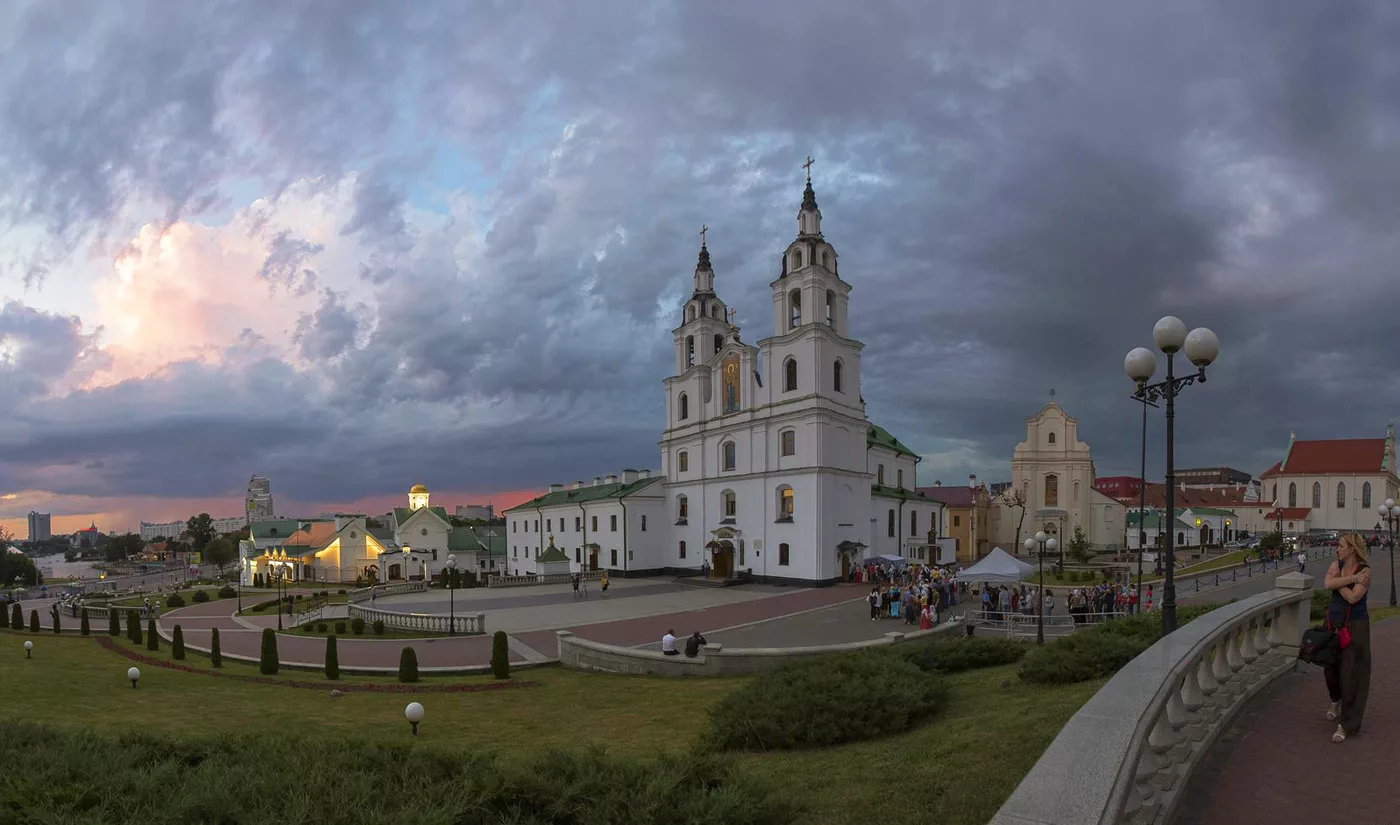
The Cathedral of the Holy Spirit is Minsk’s main Orthodox church and one of the most important architectural and spiritual symbols of Belarus’s capital. Located on Freedom Square in the historic centre, it attracts pilgrims and tourists with its rich history and revered sacred objects.
Originally built in 1633–1642 as a Catholic church attached to a Bernardine convent, the cathedral has undergone many transformations. After the convent was dissolved in 1852, the building was transferred to the Orthodox Church and consecrated as the Church of the Holy Spirit in 1860. It became a cathedral in 1961 and has remained a centre of Belarusian Orthodox life ever since. Its architecture is a striking example of Sarmatian Baroque, characterised by austere forms and imposing bell towers.
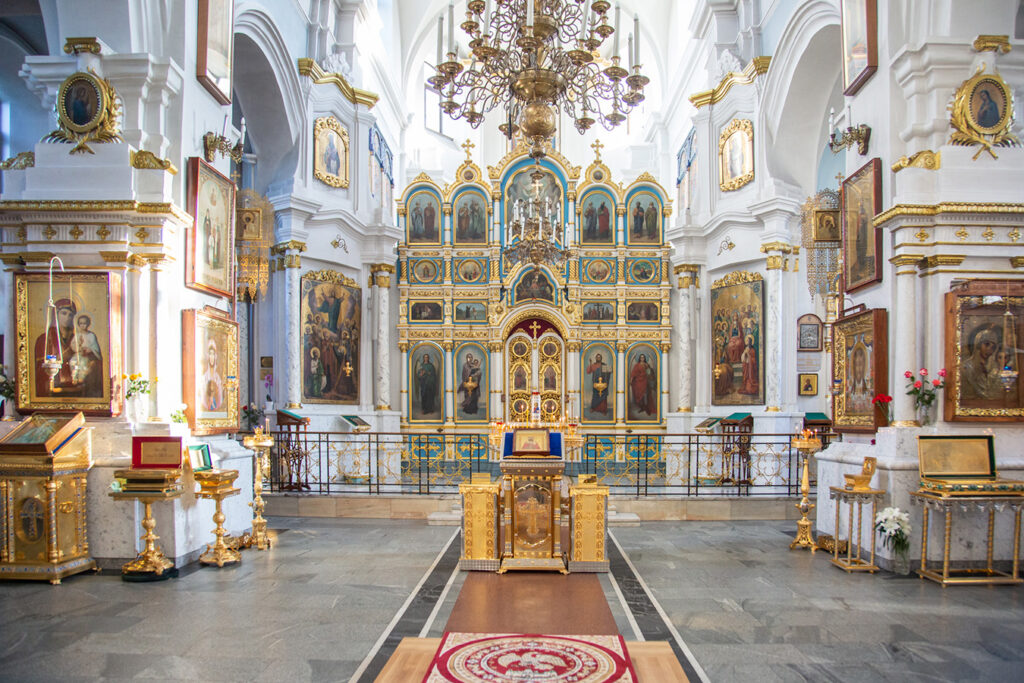
The cathedral holds several particularly revered sacred objects that attract worshippers from around the world. The most important is the miraculous Minsk Icon of the Mother of God, traditionally attributed to the evangelist Luke and said to have been discovered in the Svisloch River by Minsk residents in 1500. The relics of Saint Sophia of Slutsk, granddaughter of the famous Anastasia of Slutsk, are also kept here. Murals and a carved iconostasis create an atmosphere of peace and spirituality.
Source: sobor.minsk.by
Address
Minsk, 3 Kirilla i Mefodiya St., Nemiga metro station
Official website
Opening hours
- Mon–Sat: 8:00–22:00
- Sun: 5:30–22:00
Price
Admission is free, although sightseeing may be restricted during religious services.
8. Gates of Minsk
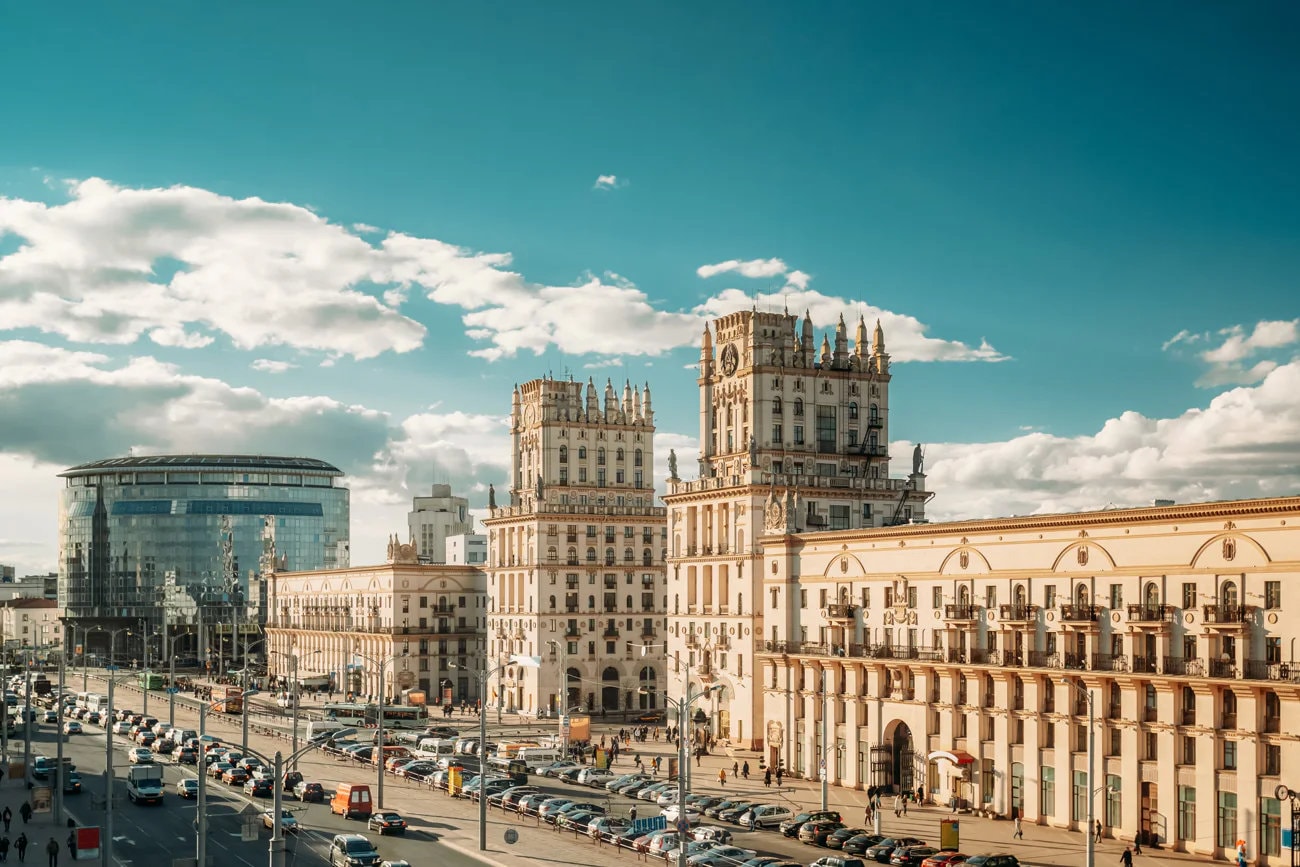
The Gates of Minsk are two monumental 11-storey twin towers on Privokzalnaya Square, greeting travellers arriving by train. This architectural ensemble is not only a signature landmark of Minsk but also has a fascinating history and distinctive appearance.
Built in 1953 to a design by Leningrad architect Boris Rubanenko, the Gates of Minsk stand where, according to legend, the old city’s wooden entrance gates once stood in medieval times. The railway station area was left in ruins after World War II, so the authorities planned a grand new entrance to the capital. The towers are designed in the Stalinist Empire style, with strict proportions, elaborate stucco, bas-reliefs featuring Belarusian motifs such as ornaments, flowers and bison, and Soviet symbols reflecting the era.
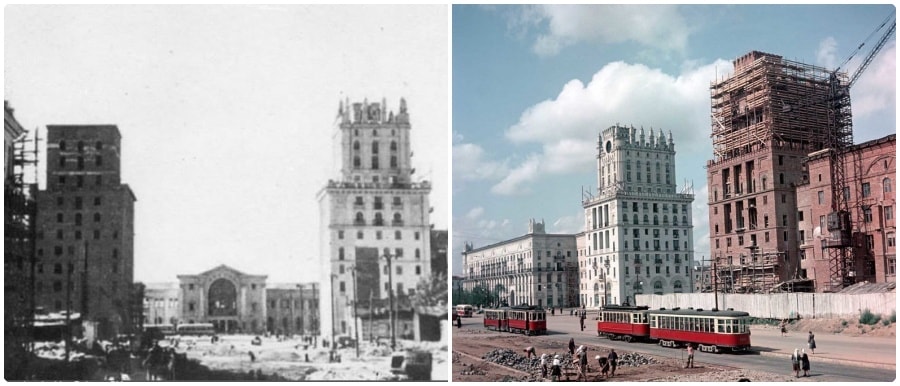
Source: Minsk Photo History News / Facebook.com
The left tower is known for its enormous clock — the largest mechanical clock in Belarus, with a diameter of 3.5 metres and a minute hand 1.69 metres long. The clock is said to have been brought from Germany as a trophy after World War II. The right tower bears a cast emblem of the Byelorussian SSR, created in the 1960s and preserved to this day.
Each tower has panoramic balconies on the ninth floor overlooking the city. The buildings contain offices and shops as well as ordinary residential apartments, some of which are still rented out.
The Gates of Minsk are especially striking in the evening, when artistic lighting illuminates their decorative details. The view from the railway station best reveals their monumental character as the grand entrance to the capital. It is a favourite photography spot and one of the most recognisable architectural views of Minsk.
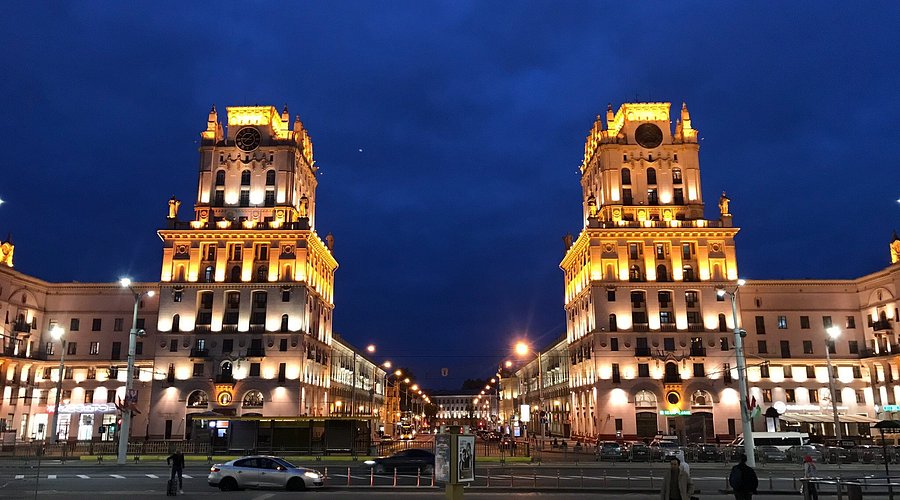
Source: Tripadvisor
Address
Minsk, 1 and 2 Privokzalnaya Square
Visiting hours and accessibility
- The Gates of Minsk are an open city square and architectural ensemble, freely accessible around the clock.
- The ninth-floor panoramic balconies can only be visited with special permission, on organised tours or during official events. Contact tour organisers or the Minsk tourist information centre to ask about access.
- Evening illumination begins after sunset and makes the buildings especially photogenic.
- The best view of the Gates of Minsk is from the cinema café in Galileo shopping centre.
The Gates of Minsk are not only an architectural symbol but part of the city’s active daily life. The area is always lively, and the blocks on either side of Kirova Street are filled with cafés, shops and colourful details. These towers, the ceremonial gateway to Belarus, are a great place to begin discovering the capital.
9. Palace of the Republic
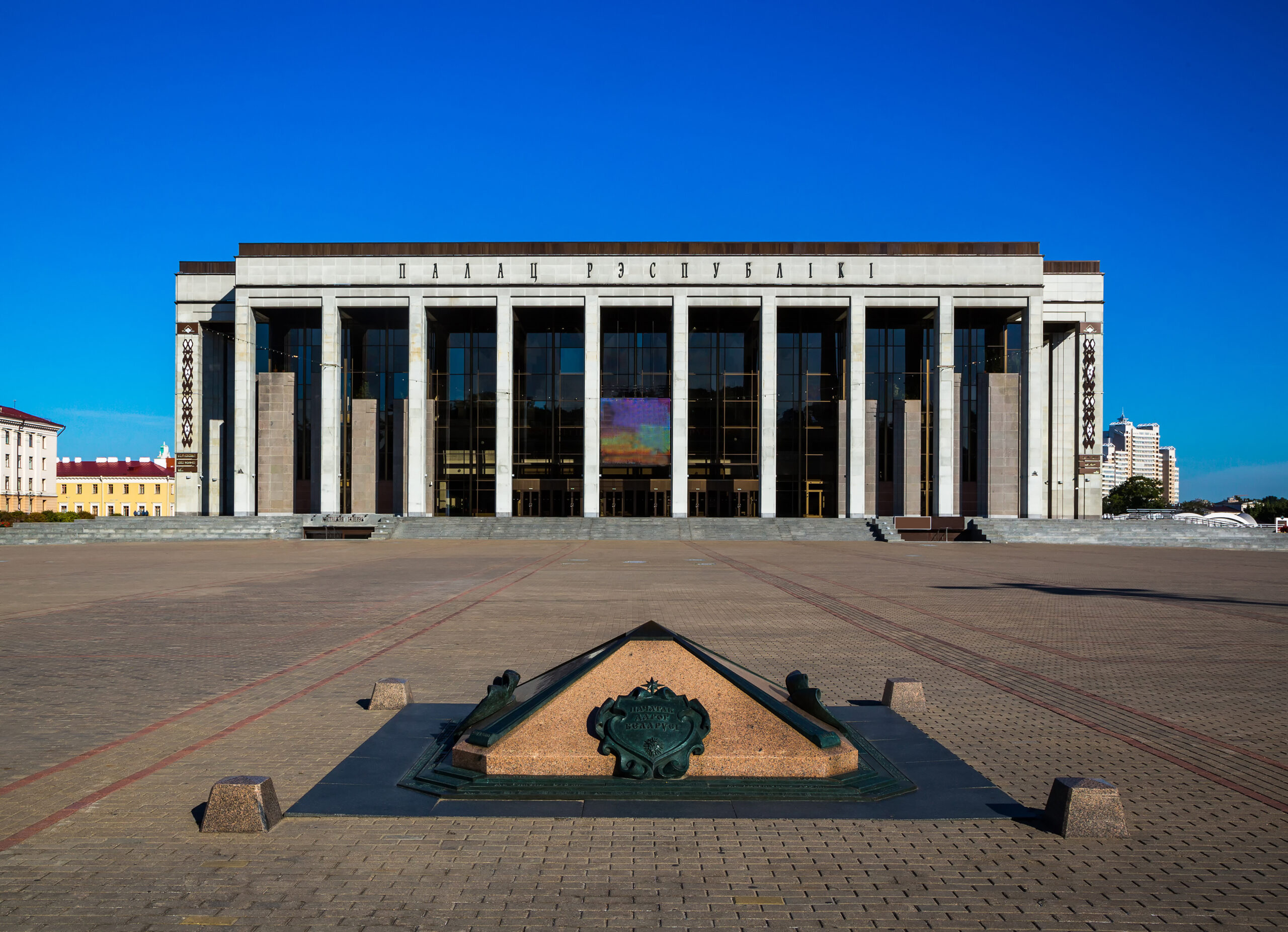
The Palace of the Republic is a large architectural complex on October Square and one of the symbols of modern Belarus. Conceived in the 1970s as a venue for major events, today it hosts state ceremonies, international stars’ concerts and business forums.
The building’s history is full of dramatic twists. Construction began in 1985 but was halted after the collapse of the Soviet Union due to a lack of funding. For years, Minsk residents jokingly called the unfinished concrete structure in the city centre a “sarcophagus”. Work resumed in 1995 under a presidential decree, and the complex finally opened in 2001. The 45-metre-high building, roughly as tall as a 15-storey block, is clad in natural granite and equipped with sophisticated stage technology.
Visitors come not only for the events but also for the remarkable interior spaces. The Grand Hall seats 2,700 and impresses with its scale and acoustics; the stage features a six-level lift for rapid scenery changes. The complex also includes:
- A Small Hall (amphitheatre) for intimate performances and conferences.
- A reception hall with panoramic views of the city centre.
- The University of Culture Art Gallery, with an entrance from the square, regularly hosting free exhibitions of contemporary art.
- The Palats café for a break.
Address
Minsk, 1 Oktyabrskaya Square, Oktyabrskaya / Kupalovskaya metro stations
Official website
Opening hours
Ticket office
- daily from 9:00 to 20:00
Gallery
- Tue–Sat: 11:00–19:00
Price
University of Culture Gallery
- free
Events
- current prices are available at the Palace of the Republic box office and on ticketing websites
10. Trinity Suburb
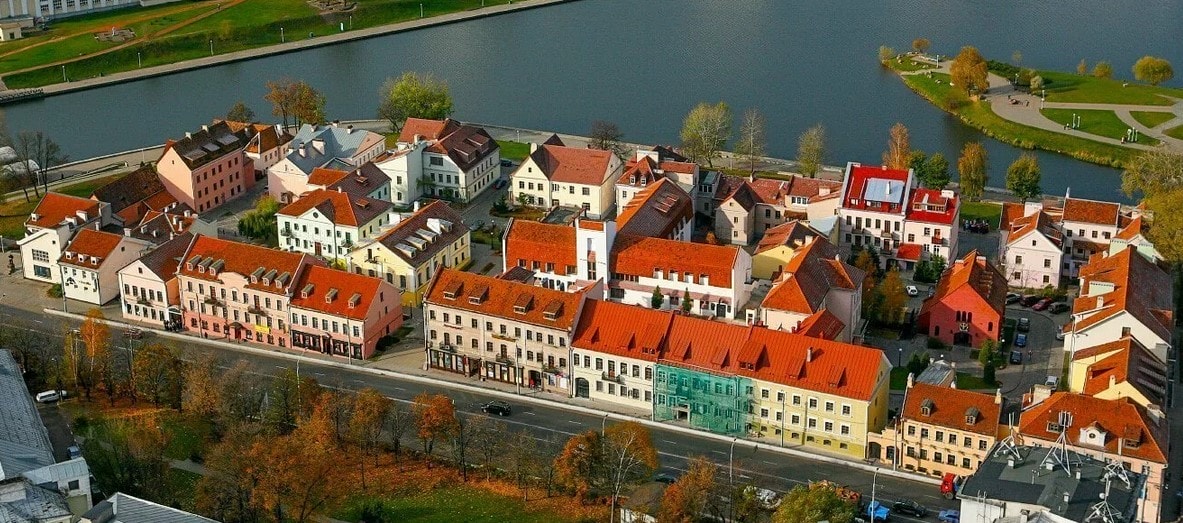
Source: planetabelarus.by
Trinity Suburb is a small but wonderfully atmospheric historic neighbourhood on the left bank of the Svisloch River in Minsk. Cosy two- and three-storey houses painted in pastel colours, tiled roofs, cobbled streets, small parks, bridges and waterfront views make visitors feel as though they have stepped back into the 19th century and into a picture-postcard European town.
The area’s history dates to the 12th–13th centuries, when a Church of the Holy Trinity was founded on a small hill by order of Prince Jogaila. Over time it became a lively trading centre: routes from Vilnius, Polotsk, Smolensk and Mogilev crossed Trinity Hill, and its market was the largest in the city. Craftspeople, merchants and farmers settled here, and churches and monasteries were built. The original wooden buildings were destroyed in a major fire in 1809; the neighbourhood was subsequently rebuilt in stone according to a plan approved by Alexander I.
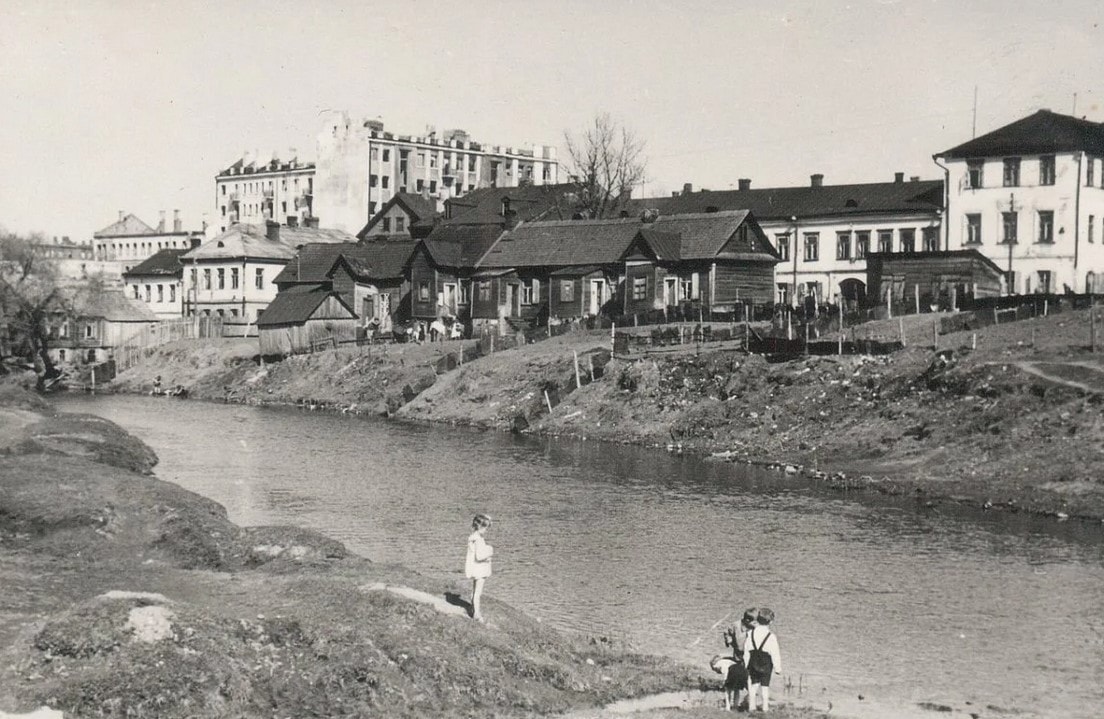
Trinity Suburb acquired its present appearance following restoration in the 1980s. It became an open-air museum, with many buildings designated architectural monuments and the district incorporated into historic Minsk. The Opera and Ballet Theatre, one of the city’s signature landmarks, is nearby. Its charming courtyards contain the Maksim Bahdanovich Museum, a pharmacy museum, art galleries, antique and bookshops, cafés and restaurants serving Belarusian cuisine. Visit the Slavutya Maystry gallery for handmade souvenirs, enjoy dinner in a traditional Belarusian tavern and simply wander through the picturesque streets. Trinity Suburb is peaceful and romantic in every season.
Many buildings remain residential, with ordinary Minsk residents living in these dollhouse-like streets, lending the district a special charm. Parks and streets feature monuments to writers and artists; you can sit beside the water or buy souvenirs from local makers. It is ideal for a leisurely stroll, photography and discoveries in books or crafts — and for anyone wishing to experience a genuine, soulful side of Minsk away from busy avenues.
Address
1 Maksima Bogdanovicha St., Nemiga metro station
Price
- access to the streets and waterfront is free
- museum tickets range from 2 to 12 BYN
Opening hours
- the area is open 24 hours a day
- museums and theatres follow their own schedules (usually 10:00–19:00)
The walk culminates on the Svisloch waterfront and at the Island of Tears, a memorial to soldiers who died abroad, accessible by a small pedestrian bridge. A visit to Trinity Suburb is always inspiring and offers a real sense of the capital’s past. No wonder it is called a European oasis in the heart of Minsk.
11. Island of Tears (Island of Courage and Sorrow)
Source: rumc.by
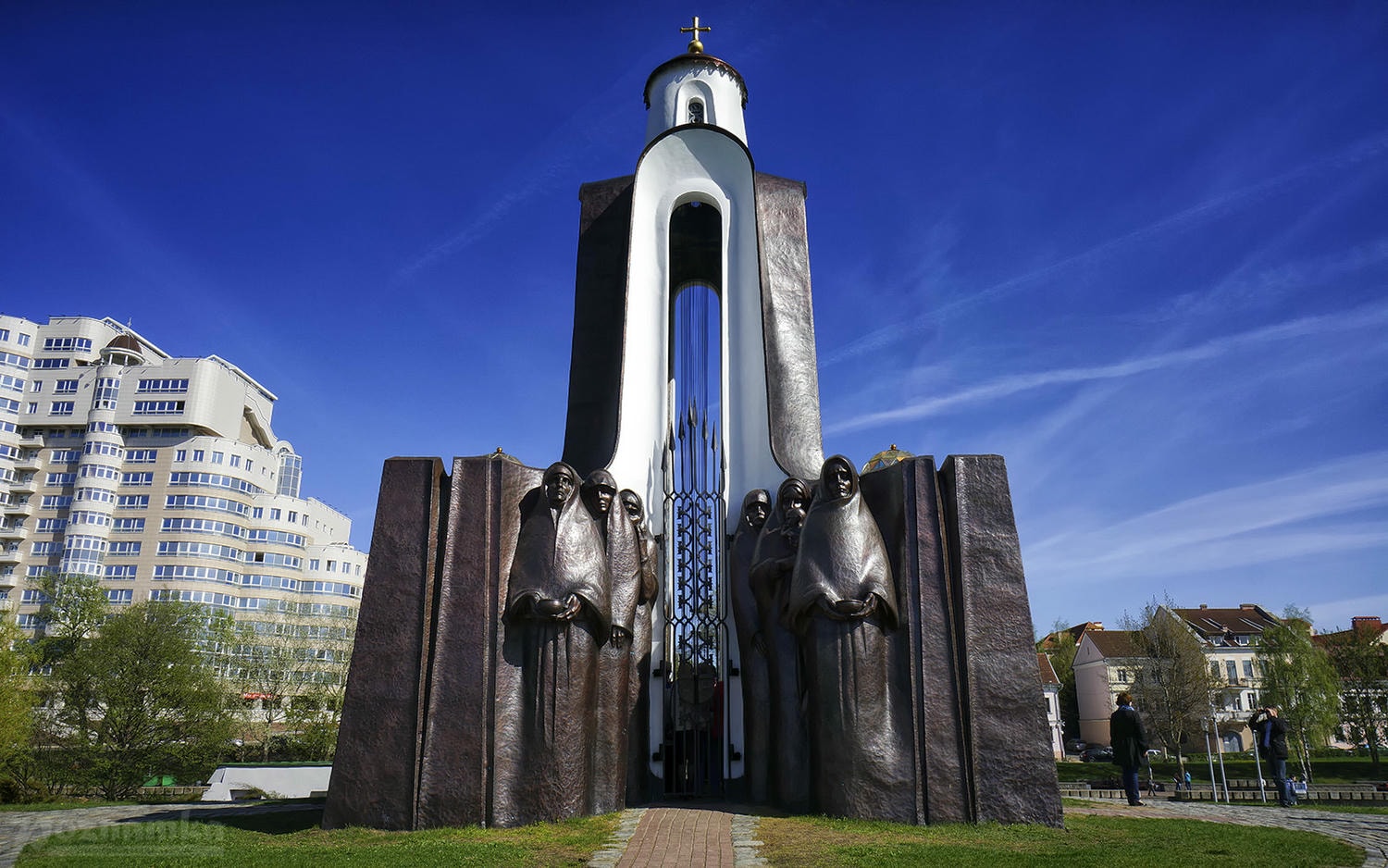
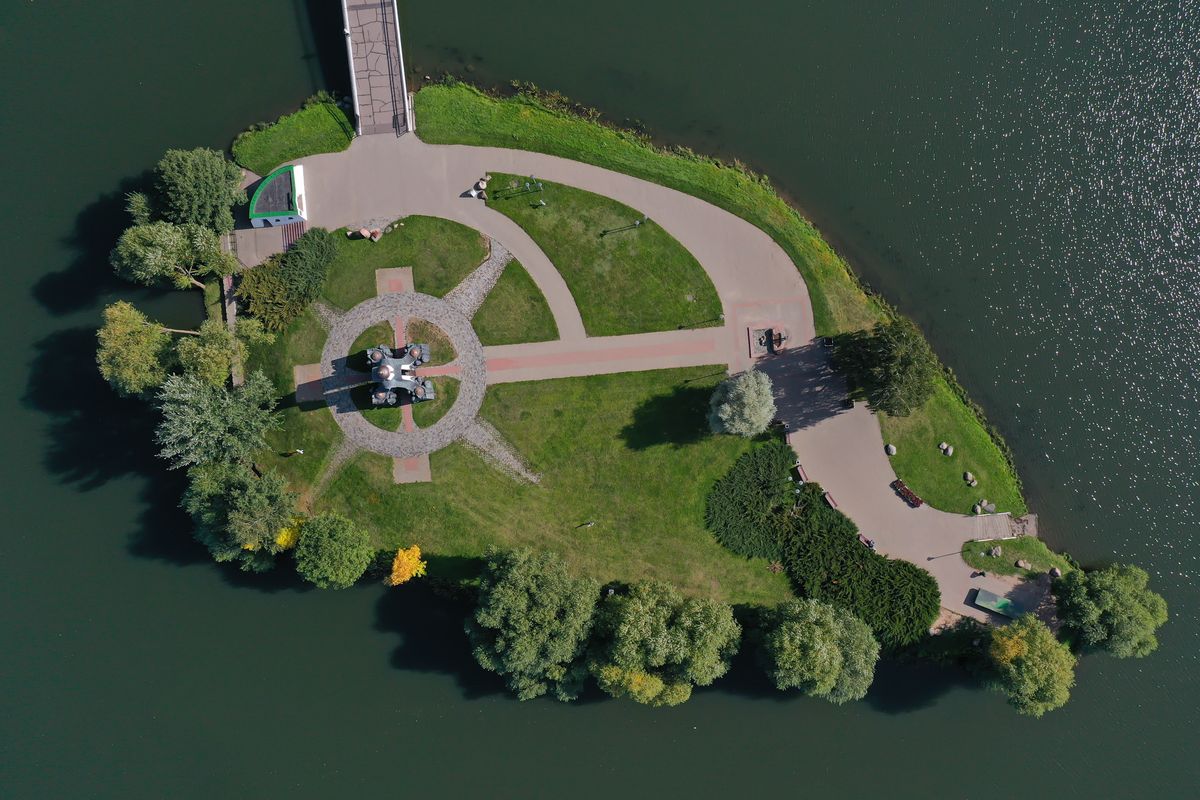
The Island of Tears, officially the Island of Courage and Sorrow, is one of the most moving memorial sites in Minsk, situated on the Svisloch River in the city centre. This artificial island was created in memory of Belarusian soldiers who died in Afghanistan during the 1979–1989 war.
The memorial was conceived in 1988 while the war was still ongoing, but opened only in 1996. Visitors cross a small arched bridge, symbolising a transition from the bustle of city life to a place of memory and silence.
At its centre is a chapel inspired by the 12th-century Church of Euphrosyne of Polotsk. The names of 771 Belarusians who never returned from the war are inscribed inside.
What to see:
- Weeping Angel: a small sculpture of a boy angel crying inconsolably with his face in his hands. It commemorates children never born and the hopes lost with the fallen soldiers. Newlyweds traditionally rub the angel’s wing, despite the memorial’s tragic meaning.
- Memorial table: a symbolic stone table where relatives and fellow soldiers gather on remembrance days, especially 15 February, the anniversary of the troop withdrawal.
- Stones inscribed with provincial names: boulders across the island bear the names of Afghan provinces such as Kandahar, Herat and Kabul, where fighting took place.
- Views: the island offers one of the best panoramas of Trinity Suburb and Upper Town, especially at sunset.
Address
Minsk, 7 Starovilenskaya St., Nemiga metro station
Opening hours
the area is open 24 hours a day
Price
free
These landmarks are more than architectural monuments: they are chapters of history reflected in Minsk’s appearance. Even a short visit offers unforgettable impressions and a glimpse of Belarus’s true character. Once you have experienced the lively atmosphere of central Minsk, you may well want to return and discover yet more sides of this remarkable city.
Map of top attractions
Want to do more than just see Minsk — want to explore it with a twist?
A city quest Walker is a ready-made route through Minsk featuring a storyline, puzzles and challenges on your phone. No need to find a guide or plan a walking route in advance: choose a quest, arrive at the starting point and explore the city at your own pace.
Along the way, you will discover beautiful spots, notice architectural details, solve clues and learn stories that are easy to miss on an ordinary walk. It is a great option for tourists, couples, weekends or anyone wanting to discover Minsk without a dull guided tour.
Interesting places and unusual locations in Minsk
Minsk is more than a city of rich history and outstanding architecture; every corner has its own personality and atmosphere. Beyond the traditional tourist routes are surprising places where you can feel the capital’s true rhythm, appreciate its distinctive mood and discover new facets of Belarusian hospitality.
1. Zybitskaya Street
Source: wikipedia.org
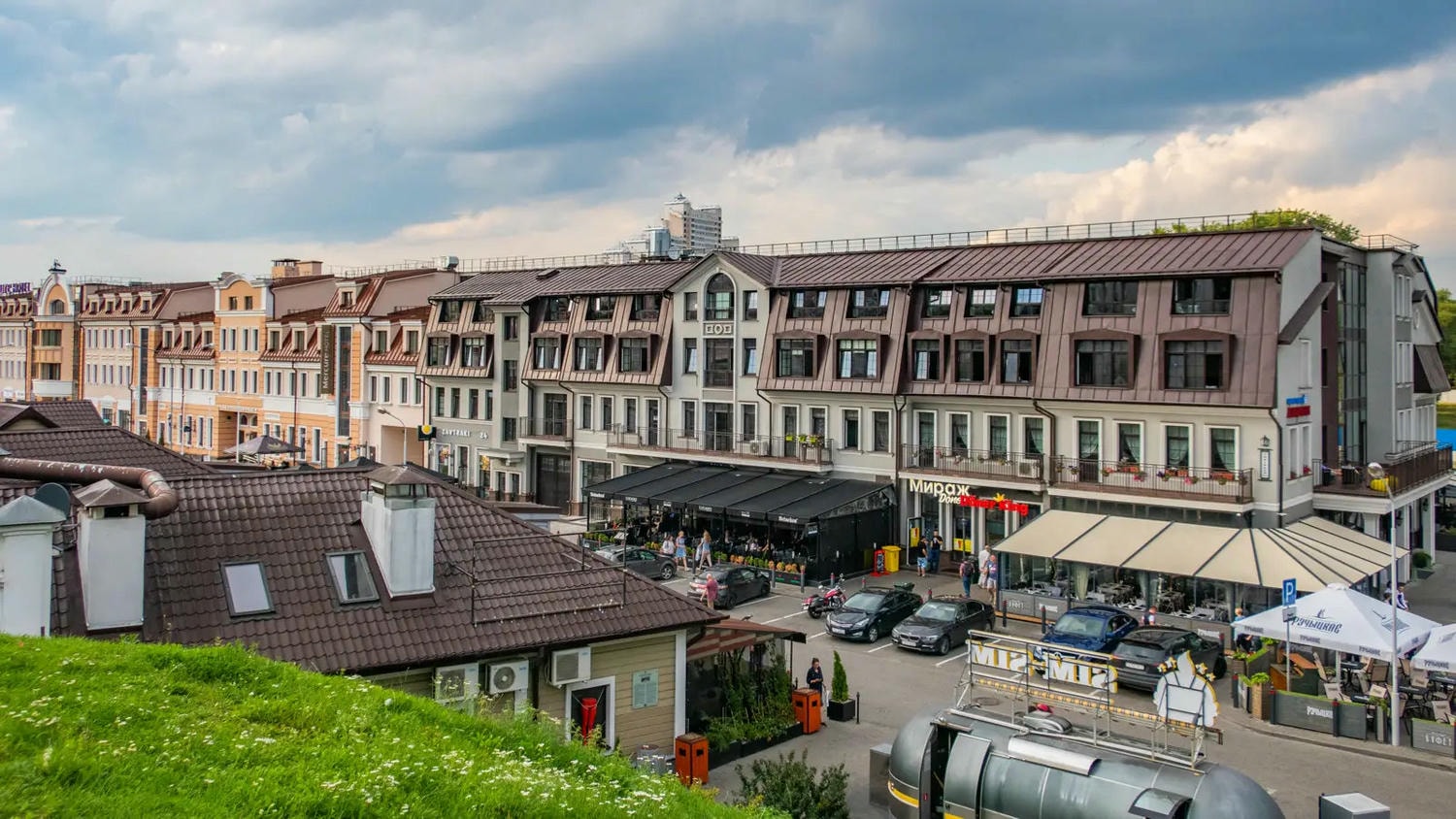
Zybitskaya Street is a lively destination on Minsk’s tourist map, affectionately nicknamed “Zyba”. It lies in the heart of historic Upper Town, just a few minutes’ walk from Nemiga and Oktyabrskaya metro stations, beside the picturesque Svisloch waterfront. Today it is not only the centre of the city’s nightlife but also an excellent place for walks, cultural discoveries and new culinary experiences.
In the 16th and 17th centuries, craftspeople and traders established quarters here on marshy ground, which gave the street its name. Brick houses with shops and workshops gradually replaced the wooden buildings in the 19th century. The street was renamed several times — Bolotnaya, Torgovaya and Torgovo-Naberezhnaya — before its historic name was restored in 2010. From the early 2010s, Zybitskaya began turning into Minsk’s main destination for restaurants and bars, drawing locals and visitors alike.
What makes Zybitskaya special? It is a street of contrasts. In the morning you can sit on a café terrace, during the day explore distinctive museums, from the Groshi money museum to exhibitions in the former Bernardine monastery, and in warmer months enjoy street musicians, paintings and outdoor sculptures. The area truly comes alive in the eveningwhen countless bars, restaurants and clubs welcome guests and the nightlife spills onto the pavements.
Address
Minsk, Zybitskaya Street
Price
Walking along the street
- free
Cafés and bars
- coffee: around 6–8 BYN
- cocktails: around 15–20 BYN
Museums
- around 2–12 BYN
Opening hours
Street
- open to pedestrians 24 hours a day.
Coffee shops and restaurants
- usually from 8:00–9:00 to 21:00–23:00
Clubs and bars
- usually from 18:00–20:00 until morning
Museums and exhibition spaces
- usually 10:00–19:00
- closed on Mondays
2. Oktyabrskaya Street
Source: onliner.by
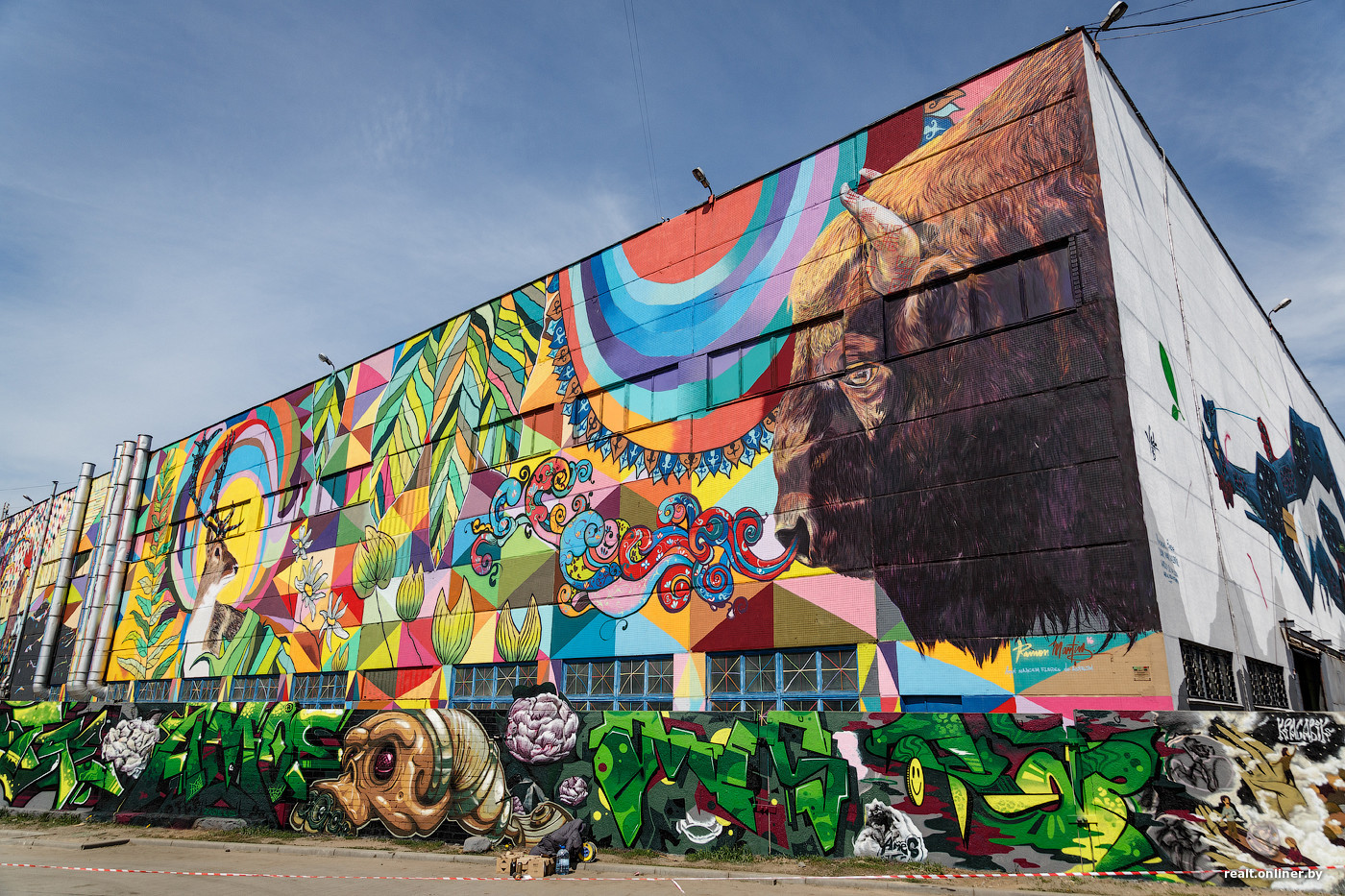
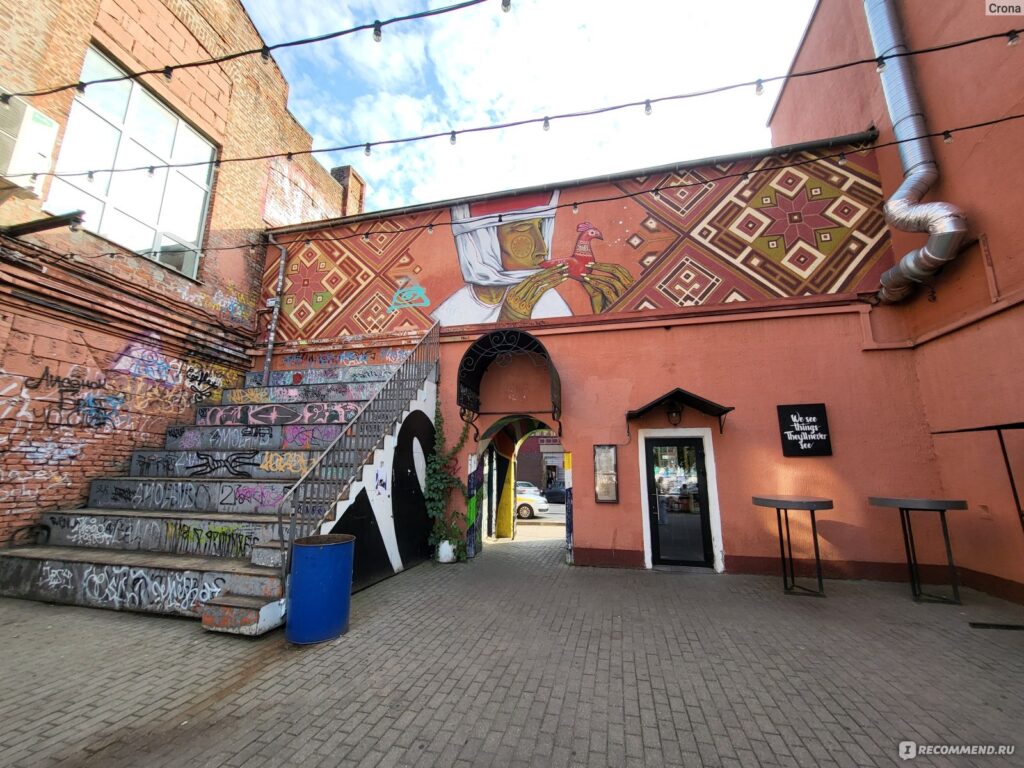
Oktyabrskaya Street is an outstanding example of an industrial area transformed into a vibrant cultural quarter. Once part of the industrial outskirts known as Lyakhovka, it is now Minsk’s main hub for creative crowds and nightlife, where historic red-brick factories meet modern street art and exciting food venues.
Its history as an industrial cluster began in the 19th century thanks to its proximity to the Svisloch River and railway. Tanneries, a distillery and the vast Energia machine-tool factory operated here. Until around 2010, it remained primarily an industrial district, before photographers, artists and restaurateurs began transforming factory workshops into creative spaces.
The street’s defining feature is its loft-like, creative atmosphere.
- Street art: Huge murals from the Vulica Brasil festival decorate the former factory walls. The best known include a portrait of Count Czapski, a gusli player and surreal patterns, turning the street into an open-air gallery.
- Industrial architecture: Surviving late-19th- and early-20th-century red-brick factories, including the Kristall plant, operating since 1893, and a former tannery.
- Cultural hubs: Creative spaces in former workshops host exhibitions, markets and parties.
Source: irecommend.ru
Address
Minsk, Oktyabrskaya Street, Pervomayskaya metro station (not Oktyabrskaya station)
Price
Walking along the street
- free
Cafés and bars
- coffee: around 6–8 BYN
- cocktails: around 15–20 BYN
Opening hours
Street
- open to pedestrians 24 hours a day.
Coffee shops and restaurants
- usually from 8:00–9:00 to 21:00–23:00
Clubs and bars
- usually from 18:00–20:00 until morning
3. Waterfalls and bridge in Drozdy Park
Source: onliner.by
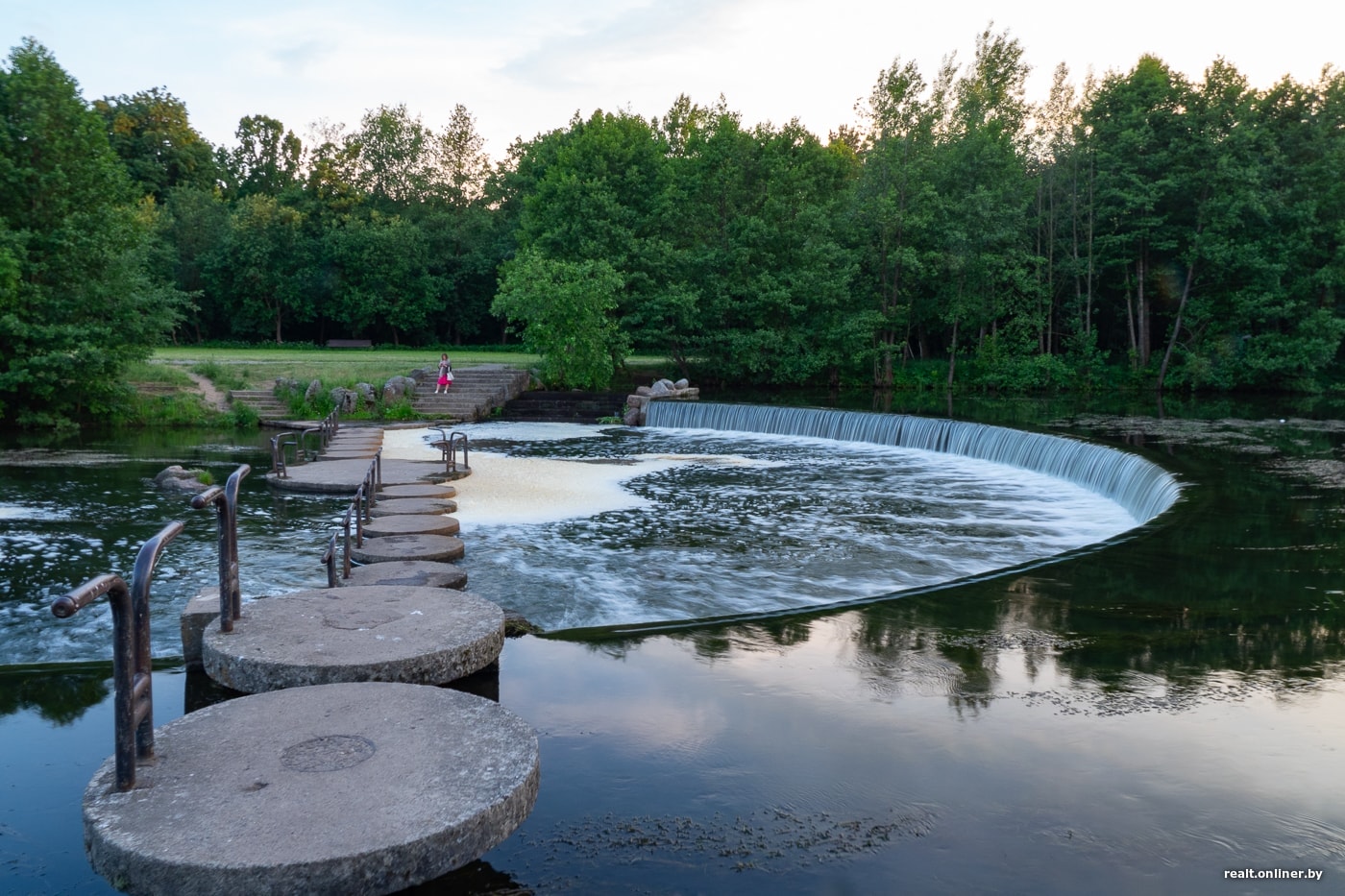
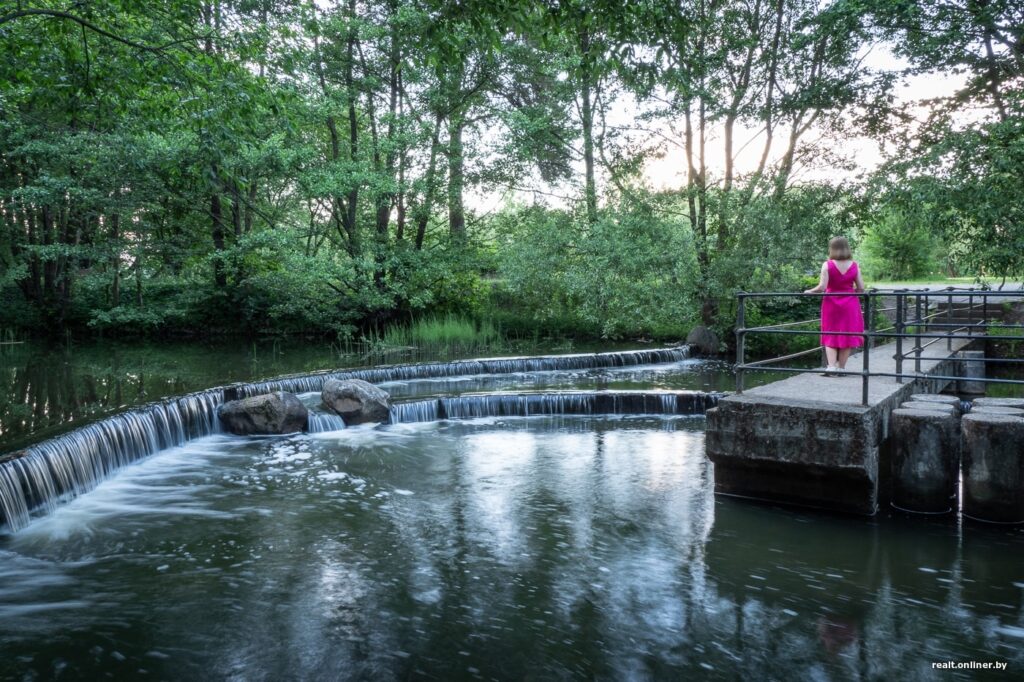
The “waterfalls” in Drozdy Park are among the most photogenic and unusual places within Minsk city limits. Although artificial, they are wonderfully picturesque and attract people who love beautiful photographs and relaxing beside the water.
They are a system of decorative hydraulic structures — cascades and rapids — on the Svisloch River, built to regulate the water level. The water rushes over small drops, creating the impression of real mountain rapids.
Source: onliner.by
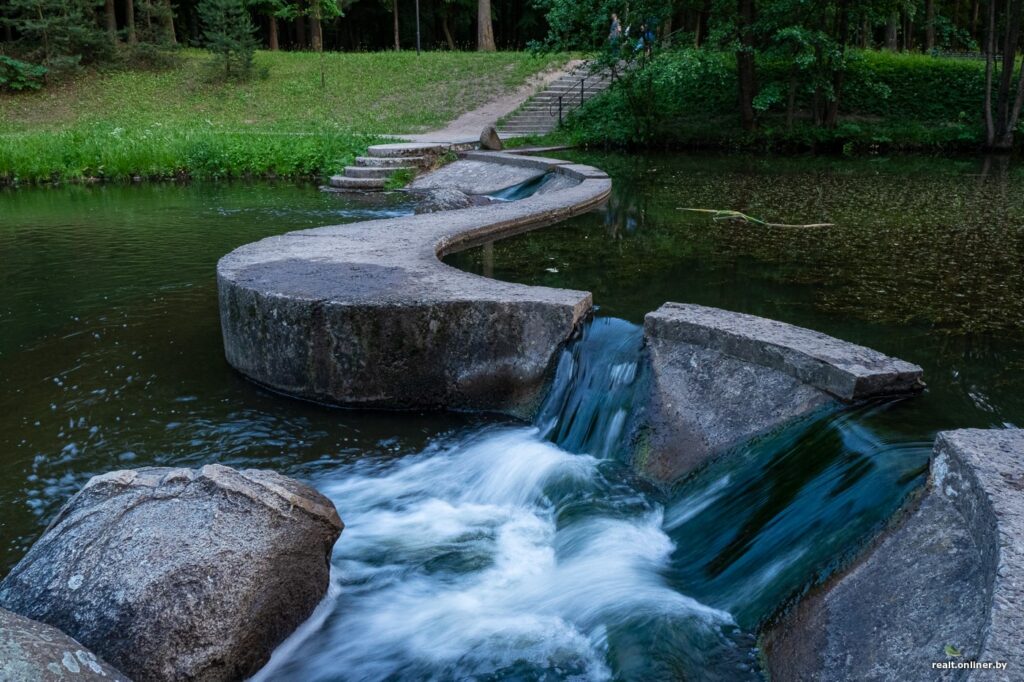
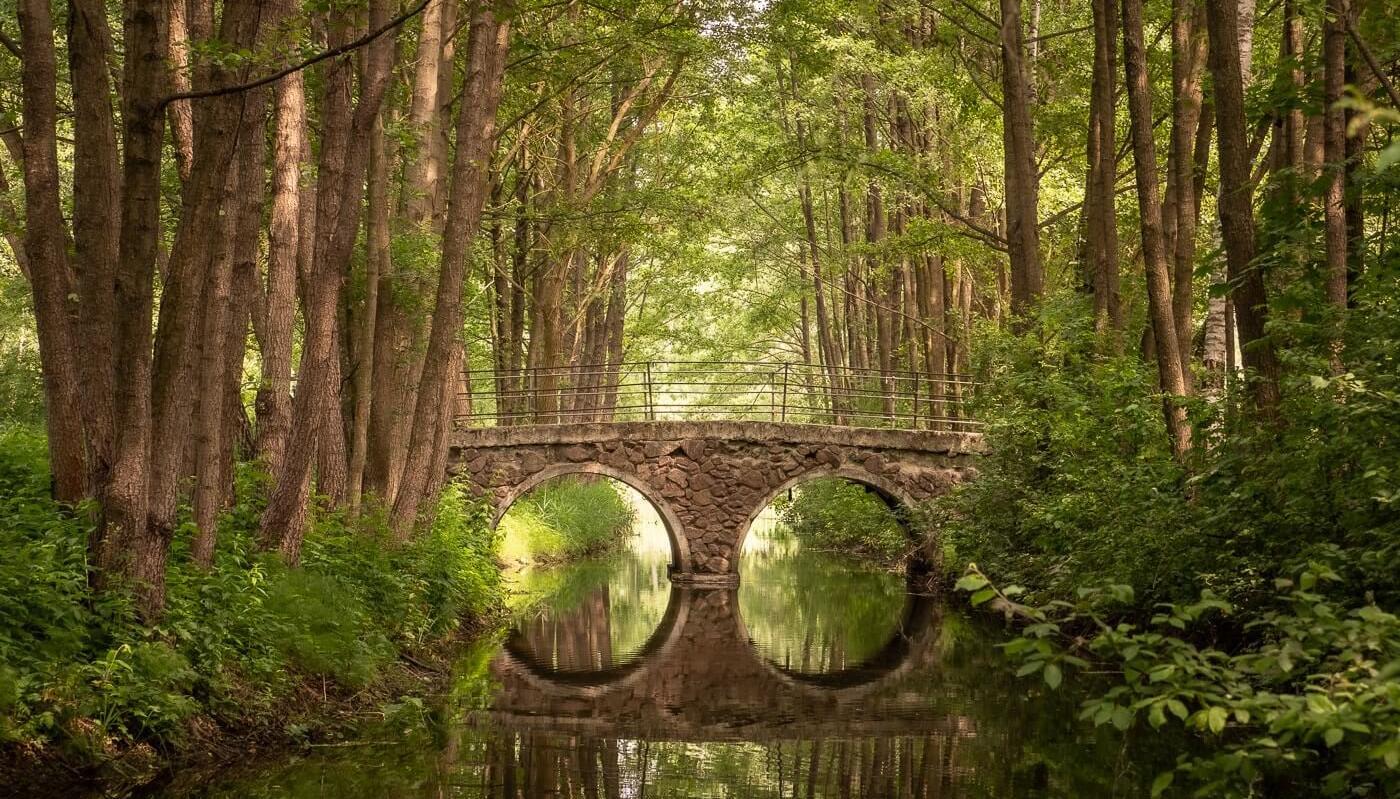
The elegant arched bridge in Drozdy Park spans a picturesque inlet of the Svisloch River and is one of the city’s most romantic and photogenic spots.
Source: onliner.by
Opening hours
24 hours a day
Price
free
4. Osmolovka
Source: 34 Travel
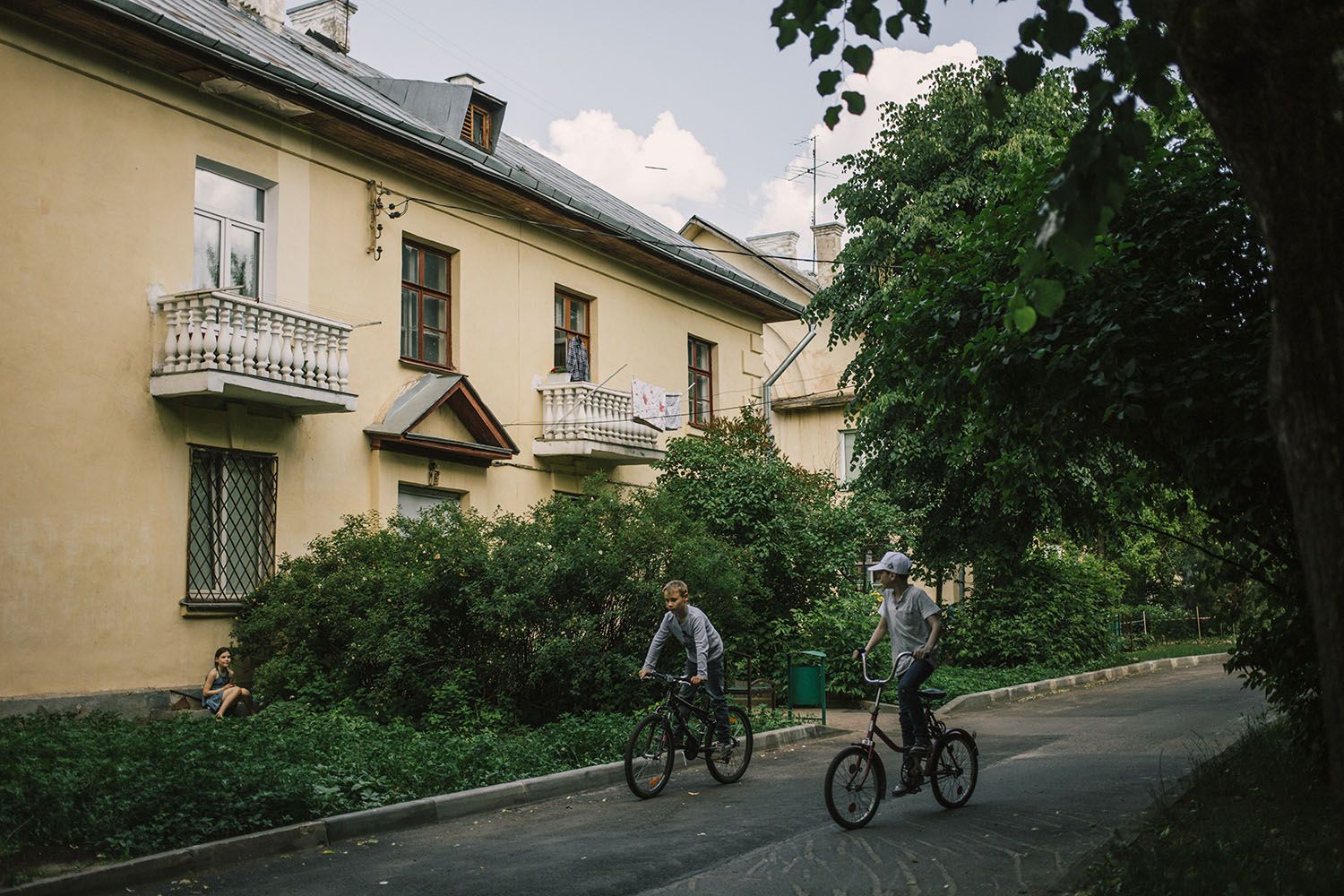
Osmolovka is one of Minsk’s cosiest and most atmospheric districts and was the first prestigious residential neighbourhood built after World War II. This garden-city in the centre of the metropolis has preserved the spirit of old Minsk and is now valued as a historic and cultural site.
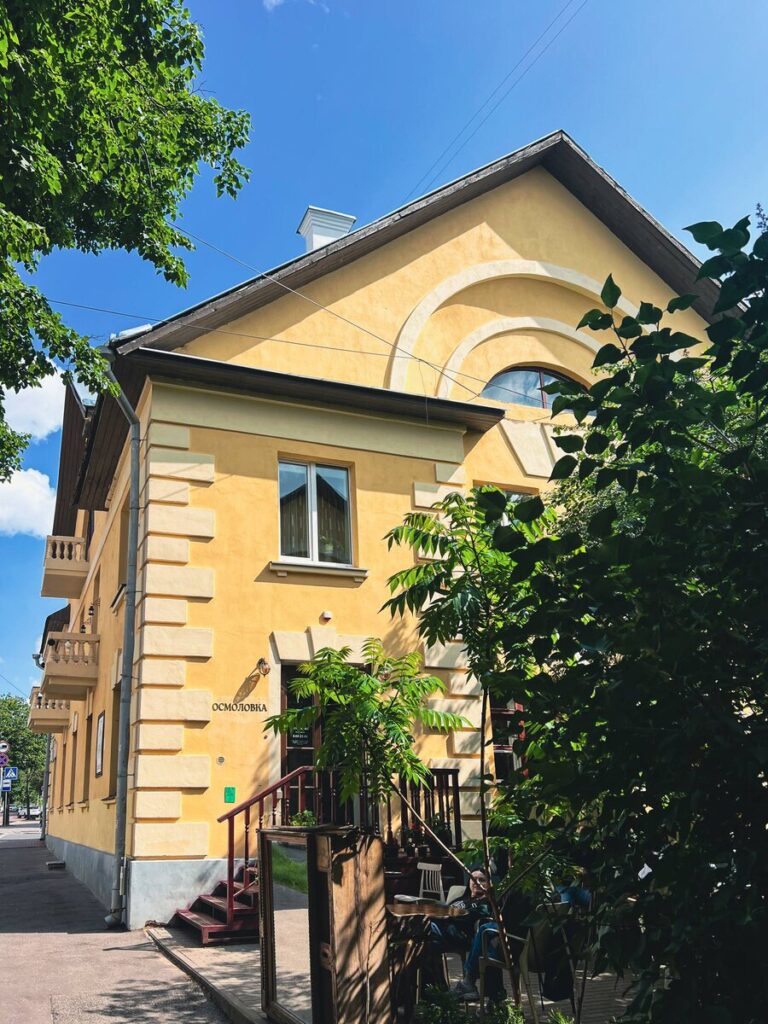
Built in 1945–1949 to a design by architect Mikhail Osmolovsky, after whom it was popularly named, Osmolovka consists of two blocks of two-storey houses. It was originally intended for officers of the Belarusian Military District headquarters and creative professionals returning from evacuation. The Neoclassical buildings have Roman-inspired elements — bay windows, galleries and porticoes — and some were constructed by German and Italian prisoners of war.
A walk through Osmolovka is a journey back in time.
- Architecture: 40 pastel-coloured two-storey houses nestled among greenery. Look for stucco details, neat balconies and sloping roofs, unusual in modern Minsk.
- Atmosphere: quiet courtyards where time seems to stand still, with no high-rises or busy roads but plenty of mature trees and front gardens.
- Cultural life: in recent years the neighbourhood has become fashionable, with cosy cafés, street festivals and guided tours.
Address
between Bogdanovicha, Kommunisticheskaya, Kuybysheva and Kiseleva streets; nearest metro: Ploshchad Pobedy
Opening hours
Street
- 24 hours a day
Cafés and bars
- usually 10:00–23:00
Price
Walking along the street
- free
Cafés and bars
- coffee: around 6–8 BYN
- cocktails: around 15–20 BYN
5. Minsk Sea (Zaslavskoye Reservoir)
Source: planetabelarus.by
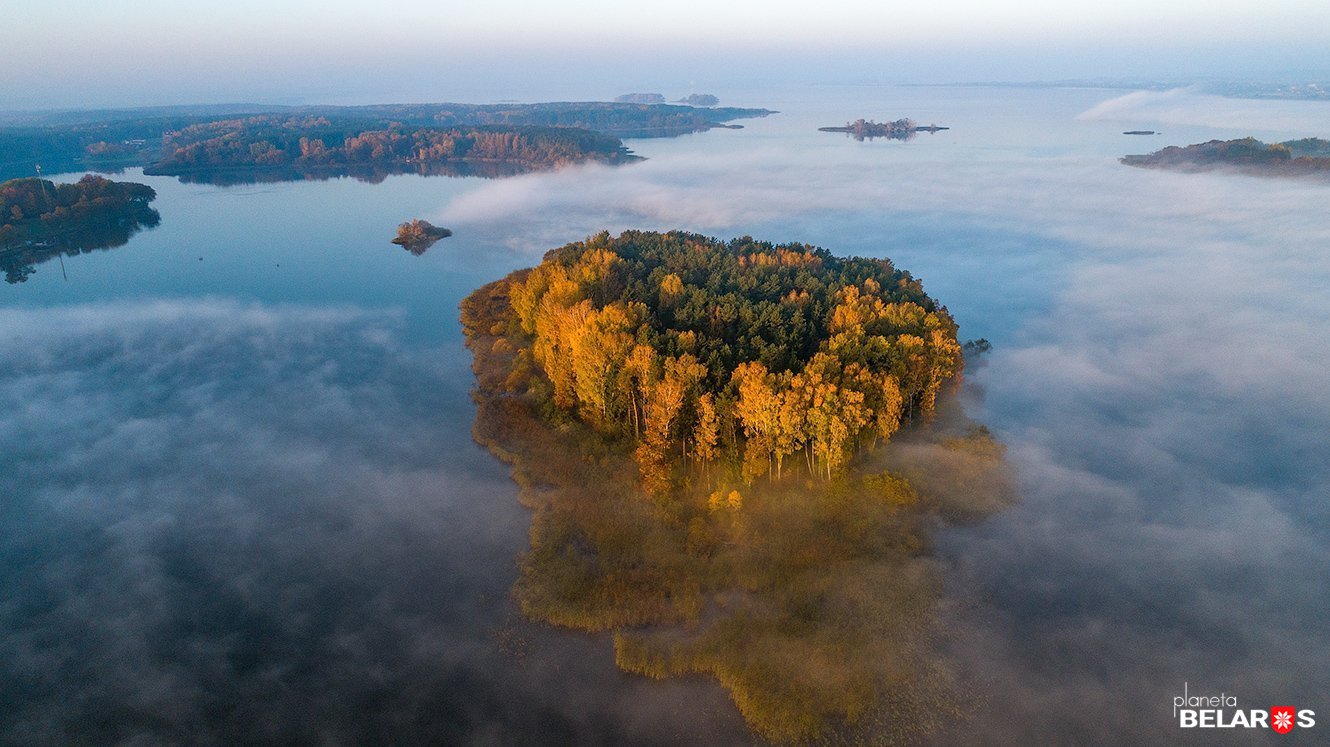
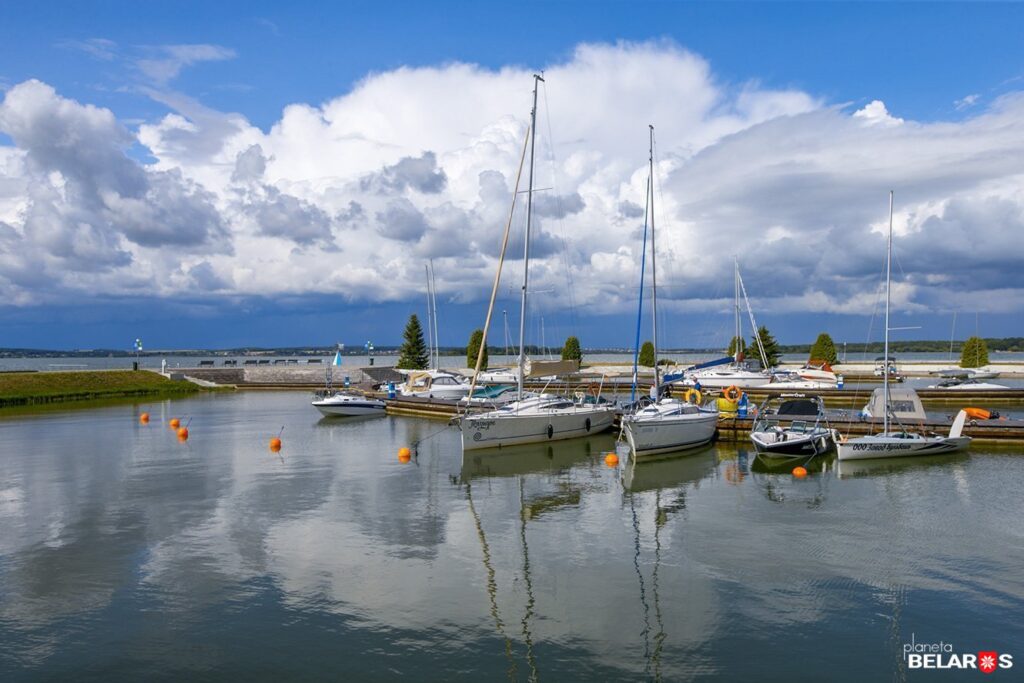
Minsk Sea, officially Zaslavskoye Reservoir, is not merely Belarus’s second-largest artificial lake but a genuine resort destination just 10–17 km from the capital. Visitors come for wide-open waters, beautiful sunsets, yachting and relaxing on the beach without leaving the Minsk District.
The reservoir was created in 1956 by building a dam on the Svisloch River to protect Minsk from floods and regulate water flow. It earned its popular name, “the sea”, thanks to its size: the water covers over 31 km², and in some places the opposite shore is barely visible.
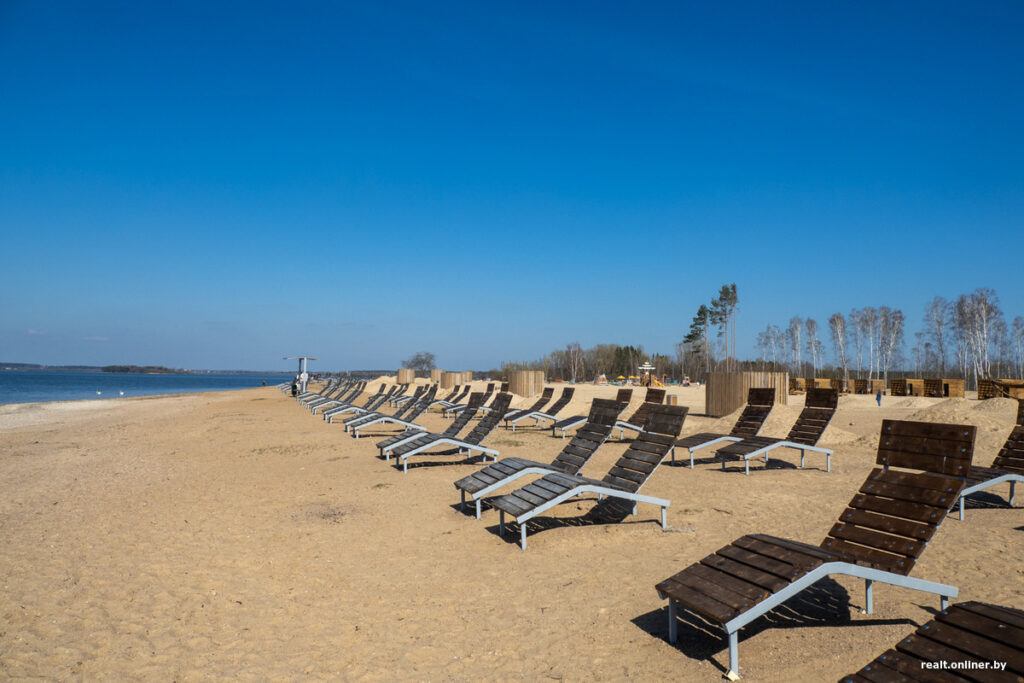
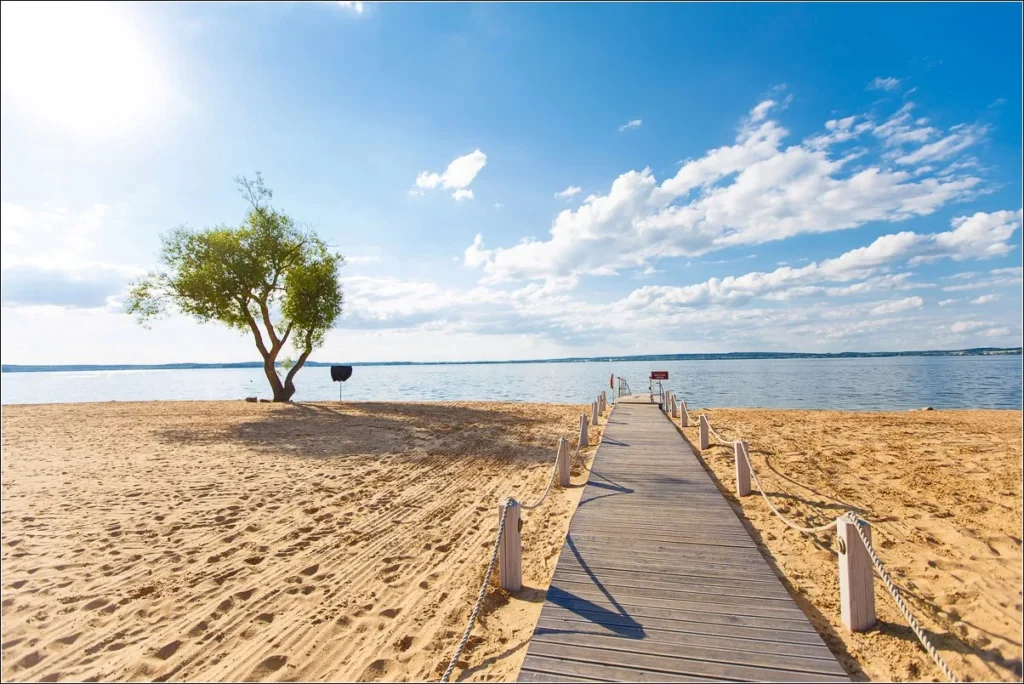
The shoreline of Minsk Sea is dotted with beaches simply numbered from 1 to 9.
- Beaches 1–5: the busiest and most popular, with cafés, barbecue areas, pedal-boat rentals and gazebos. Beach 5 is particularly popular among younger visitors; “Beach No. 5” is also the name of a well-known waterfront bar and café.
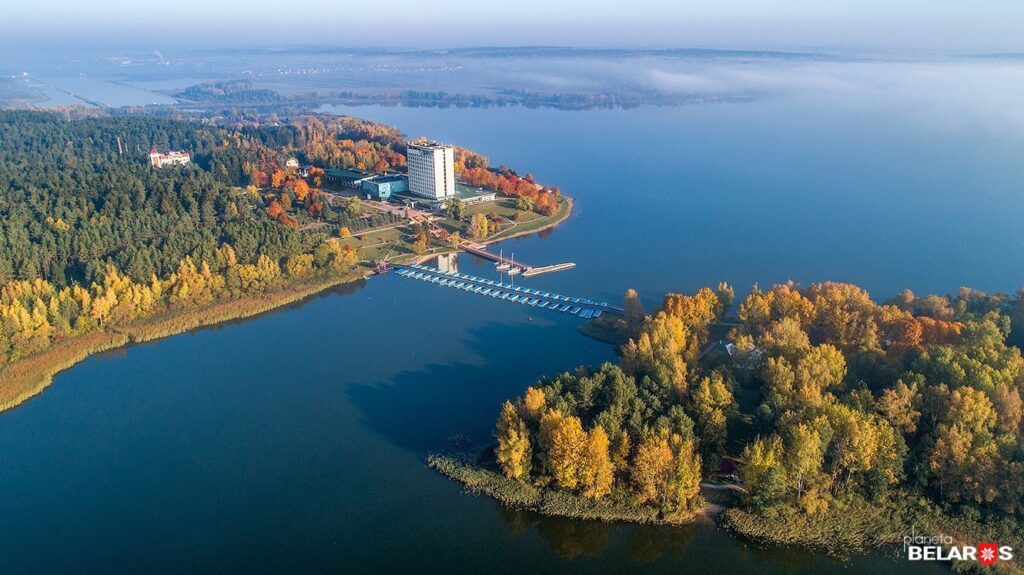
- Beaches 6–9: on the opposite shore near Yunost Sanatorium, these are quieter and more natural.
- Island of Love: a romantic spot with gazebos and a camping area, reached by a dedicated bridge.
- Yachting: local yacht clubs offer boats for trips and photo shoots, as well as sailing lessons.
Source: planetabelarus.by
Source: planetabelarus.by
Minsk Sea combines natural beauty with modern facilities, making it one of the best outdoor recreation destinations near the city. Its history, size and range of activities attract travellers seeking a balance between urban life and nature.
Address
Minsk District, Zhdanovichi Rural Council, Zarechye-1, Ozernaya St.
Price
Beach access
- free
Catamaran, boat and sun lounger rental
- around 15–20 BYN per hour
Opening hours
24 hours a day
Seasonal information
- Peak season (June–August): the best time for beach holidays. By July, the water can reach a comfortable +24°C, but weekends are busiest and parking can be difficult.
- Shoulder season (September): the water is cooler, around +17°C, but fewer crowds and milder weather make this ideal for sailing, picnics and walks.
- Winter: visitors come for ice fishing, snowy forest walks, snowkiting and spa treatments. A major highlight is the heated outdoor pool at Yunost Sanatorium, where you can swim in warm water even during freezing weather.
Map of beaches on Minsk Sea
These unusual places reveal how varied Minsk can be, with historic charm alongside modern life and new experiences around every corner. Its cosy streets, creative spaces, monuments and natural areas allow visitors to discover not just tourist attractions but a heartfelt, vibrant side of Belarus.
Map of interesting locations
Museums and galleries in Minsk
Minsk is a city of cultural discoveries, offering unique perspectives on Belarusian art, history and contemporary creativity. Among the capital’s numerous museums and galleries, several especially memorable venues inspire and surprise their visitors.
1. National Art Museum
Source: turby.by
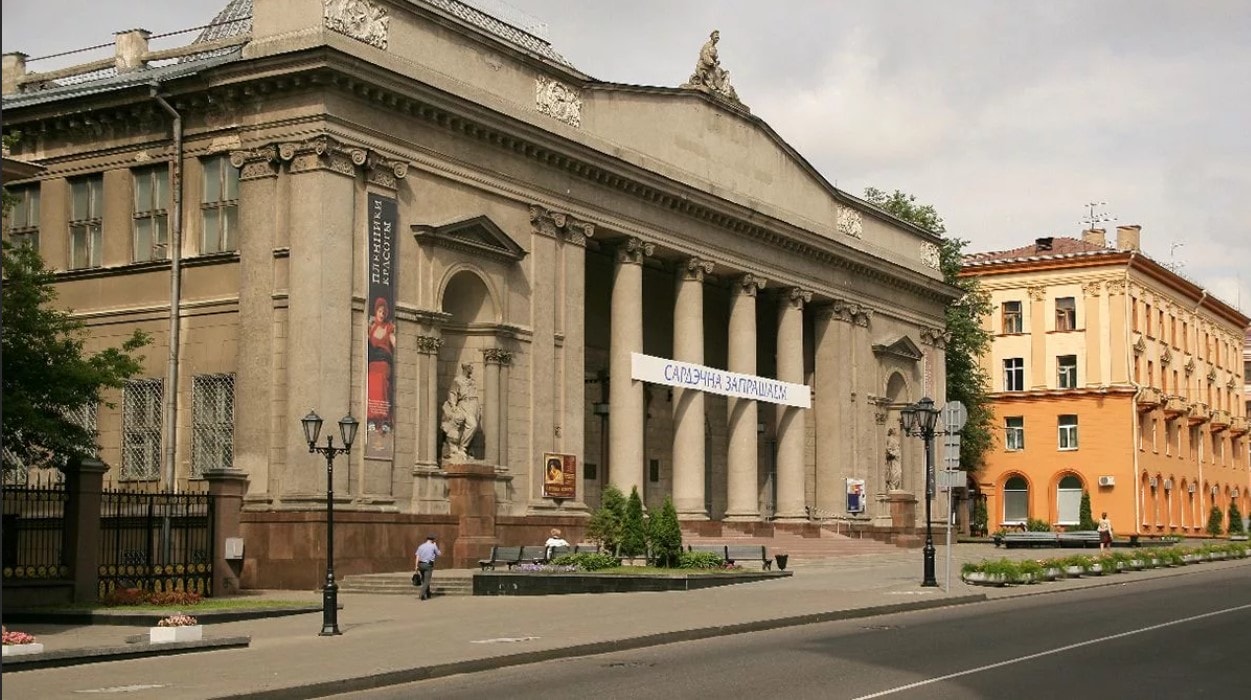
The National Art Museum of the Republic of Belarus is the country’s largest and most important art gallery, located in central Minsk at 20 Lenin Street. Its history began in 1939, when the Soviet authorities opened the State Picture Gallery. Over the decades it has grown into an extensive cultural institution with a unique collection of over 30,000 works spanning roughly 12 centuries and more than 130 countries.
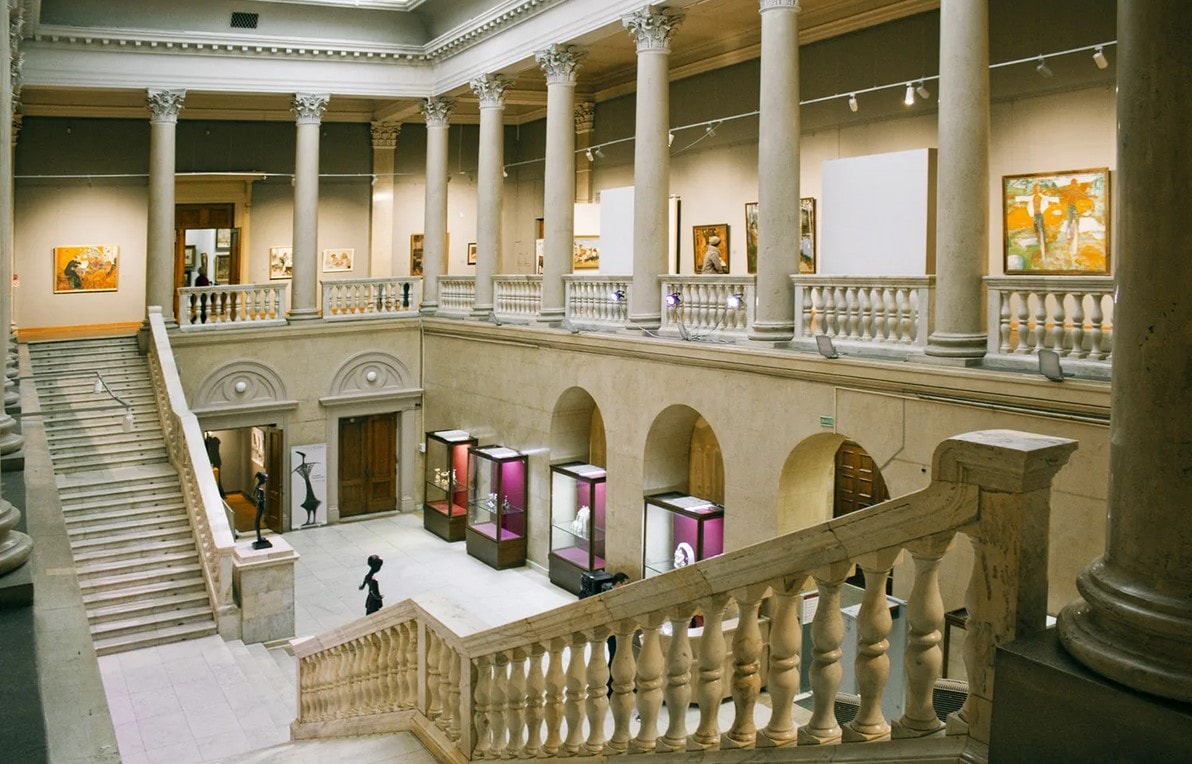
The collection includes a wealth of national art: ancient icons, Belarusian sculpture, 19th- and 20th-century paintings and decorative arts. Alongside Belarusian masters are works by Russian, Western European and Asian artists, making the museum an important centre of both national and world culture.
The museum building combines traditional architecture with modern elements. The original building, constructed in 1957, features a majestic colonnade and sculptures; in 2007 a new wing was added with spacious galleries for temporary exhibitions. The museum also has restoration workshops where visitors can watch artworks being conserved.
Source: turby.by
The National Art Museum is more than a series of galleries. Lectures, workshops, temporary exhibitions, interactive tours and cultural events make it a lively destination for everyone, from art specialists to families. It also carries out research, publishes collections of articles and maintains international links with leading museums around the world.
Address
Minsk, 20 Lenina St.
Official website
Opening hours
- Mon: closed
- Tue, Wed, Fri, Sat, Sun: 11:00–19:00
- Thu: 13:00–21:00
Price
Permanent exhibition:
- 10–15 BYN per adult ticket
Temporary exhibitions and special programmes:
- around 15–25 BYN
A visit to the National Art Museum is essential for anyone wishing to explore Belarus’s rich culture and art or discover masterpieces of world painting and sculpture in a distinctive museum setting.
2. Museum of the History of the Great Patriotic War
Source: Museums of Belarus
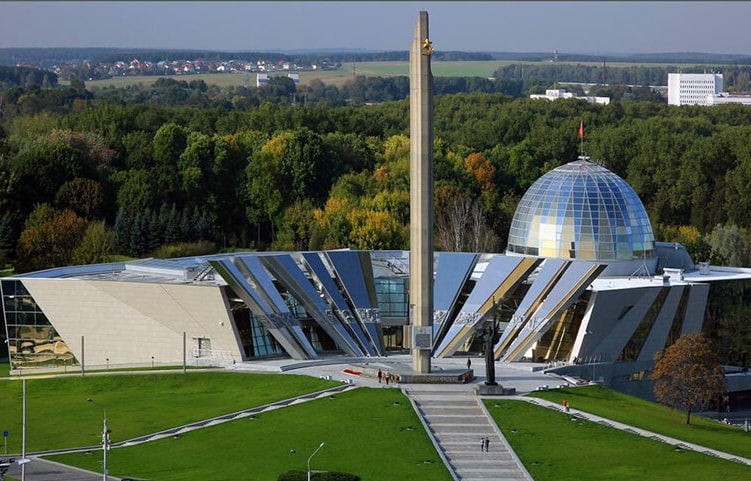
The Belarusian State Museum of the History of the Great Patriotic War was the world’s first museum devoted to the bloodiest conflict of the 20th century. Established in 1944 while Minsk still lay in ruins, it moved in 2014 to an impressive new building distinguished by its architecture and symbolism.
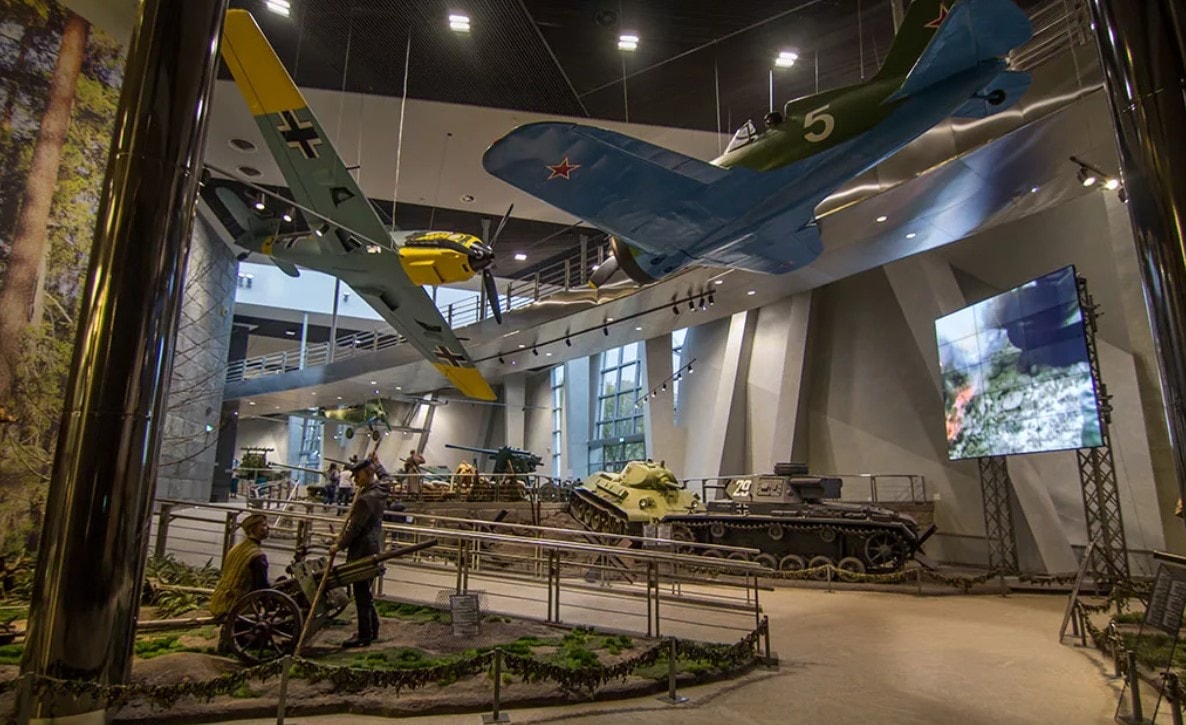
The modern museum stands on a hill beside the “Minsk — Hero City” obelisk and resembles a Victory Day salute: 11 gleaming stainless-steel rays symbolise the great victory and the 1,100 days of occupation of Minsk. Inside, rather than a simple collection of display cases, the museum offers a chronological journey from the prewar years through the horrors of occupation and partisan resistance to liberation.
The exhibition covers more than 3,000 m² and includes over 8,000 objects. Highlights include:
- Road of War Hall: a huge space spanning the museum’s floors, displaying authentic military equipment including T-34 tanks, the famous Katyusha rocket launcher, aircraft and vehicles, many of which saw combat.
- Partisan Camp: realistic reconstructions of dugouts, a forest school and a printing house bring the daily lives of resistance fighters to life.
- Victory Hall: the tour ends in a bright room beneath a transparent dome resembling that of the Reichstag, with panoramic views of Victory Park and the city.
Source: turby.by
Visitors praise the multimedia displays, including interactive terminals, 3D holograms, documentary films and archive footage, which bring the history into sharper focus. Particular attention is paid to the courage and suffering of the Belarusian people, whose homeland witnessed some of the fiercest fighting. Themed tours and educational programmes help both children and adults understand the scale of the tragedy and the significance of the victory.
Address
Minsk, 8 Pobediteley Avenue
Official website
Opening hours
- Tue–Sun: 10:00–19:00
- Mon: closed
Price
- adult ticket: 13 BYN
- student ticket: 11 BYN
- schoolchildren: 7 BYN
- children under 7, WWII veterans and people with disabilities: free
3. Alivaria Museum
Source: Museums of Belarus
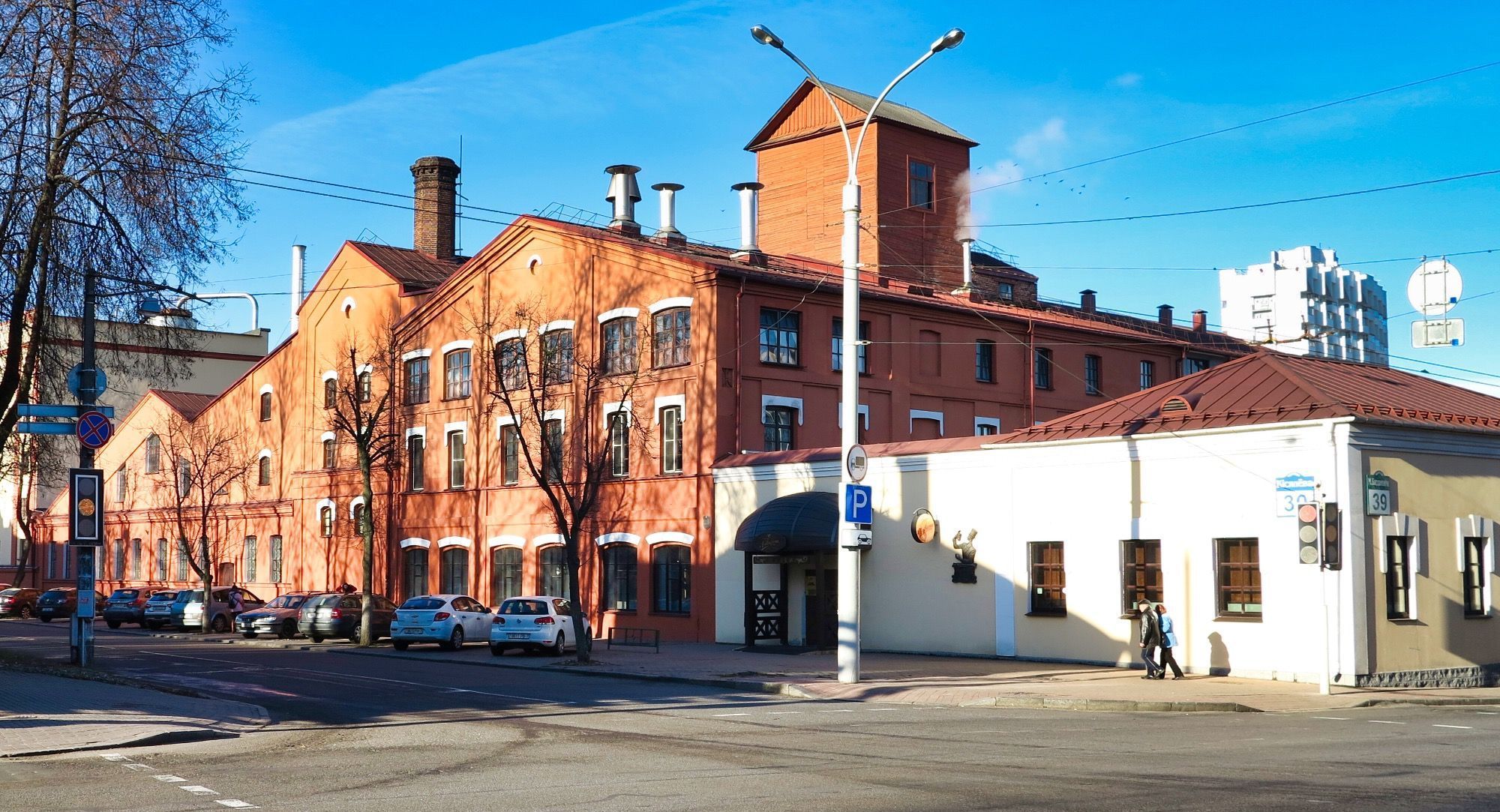
The Alivaria Museum is part of Belarus’s oldest operating brewery, where beer has been produced continuously since 1864. Its red-brick factory is a monument of 19th-century industrial architecture. Visitors can discover the story of the brand, established by Count Czapski, and watch brewing in the working production halls.
What to see and taste:
- Historic building: antique equipment from the late 19th and early 20th centuries, archival photographs and documents.
- Production: a tour of the brewhouse allows visitors to smell malt and hops and see modern brewing kettles.
- Tasting: every tour ends with a guided beer tasting, explaining how to evaluate the flavours, colours and aromas of different styles.
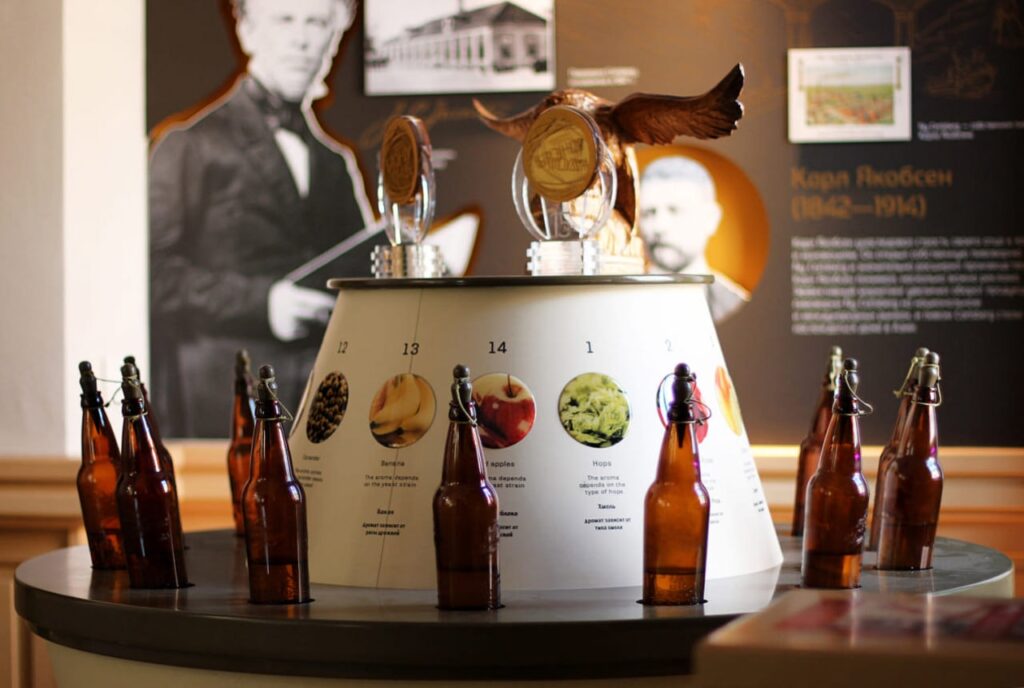
- Interactive exhibits: an “aroma wheel” helps explain the subtleties of beer styles.
Source: Alivaria
Address
Minsk, 30 Kiseleva St., Ploshchad Pobedy metro station
Opening hours
Tue–Sat: 11:30–20:00 (advance booking required; available dates and times are listed on the website)
Age restriction: 18+
Adults only; please bring a valid ID
Official website
Price
Guided tour
- Historic Tour: 35 BYN
- Guide to Beer Styles: 39 BYN
- A Date with the City: 39 BYN
- Beer and Aromas: 60 BYN
4. Groshi Museum
Source: Travel around Belarus
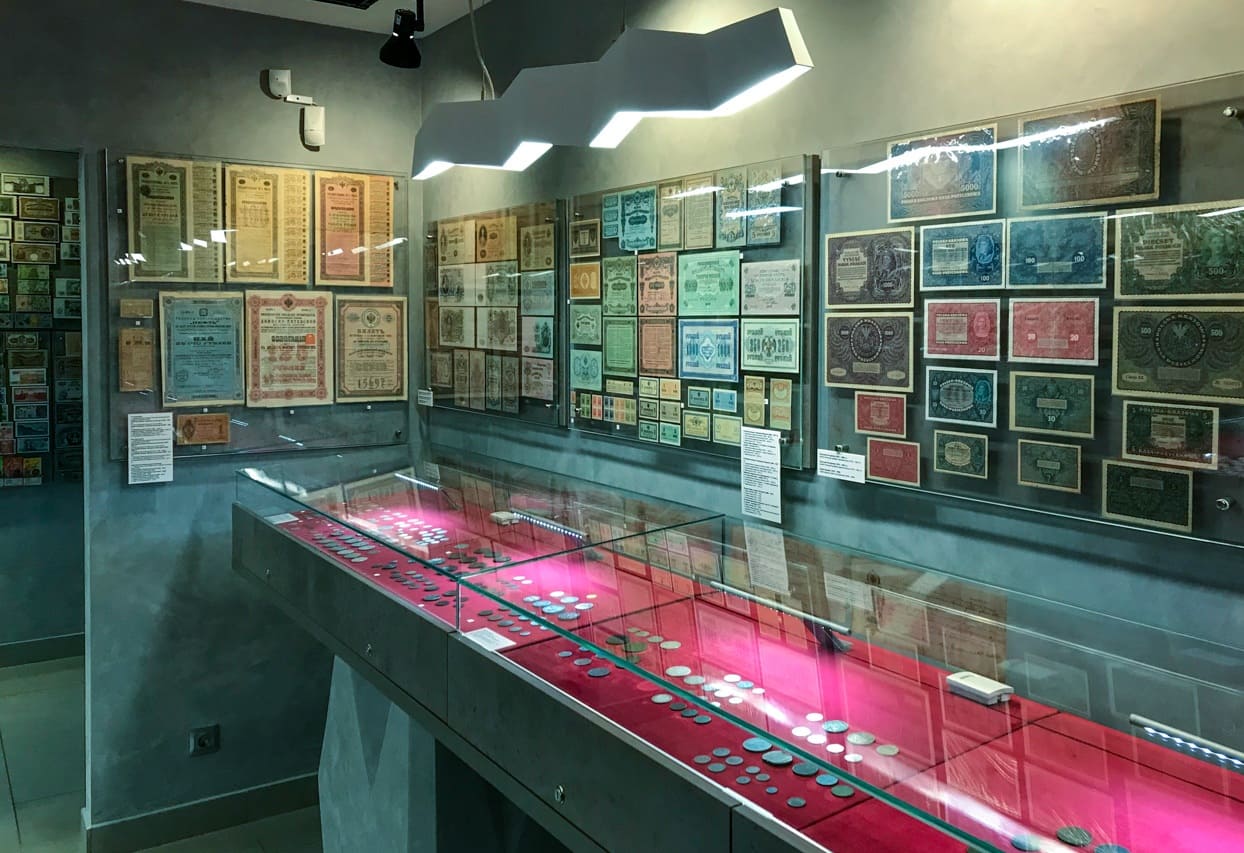
The Groshi Museum is a unique museum in Minsk’s historic centre that traces the country’s monetary history. Opened in 2018, it displays only authentic exhibits, with no reproductions.
Highlights:
- Collection: coins and banknotes used in the Belarusian lands from the Roman Empire in the second century AD and the Grand Duchy of Lithuania through the Polish-Lithuanian Commonwealth, the Russian Empire, the USSR and modern Belarus.
- Rarities: unusual money from the Civil War, including locally issued notes from Belarusian cities, occupation-era stamps and payment tokens used in ghettos and labour camps.
- Souvenirs: a shop by the entrance sells commemorative coins from the National Bank of Belarus, old banknotes from different countries and themed gifts.
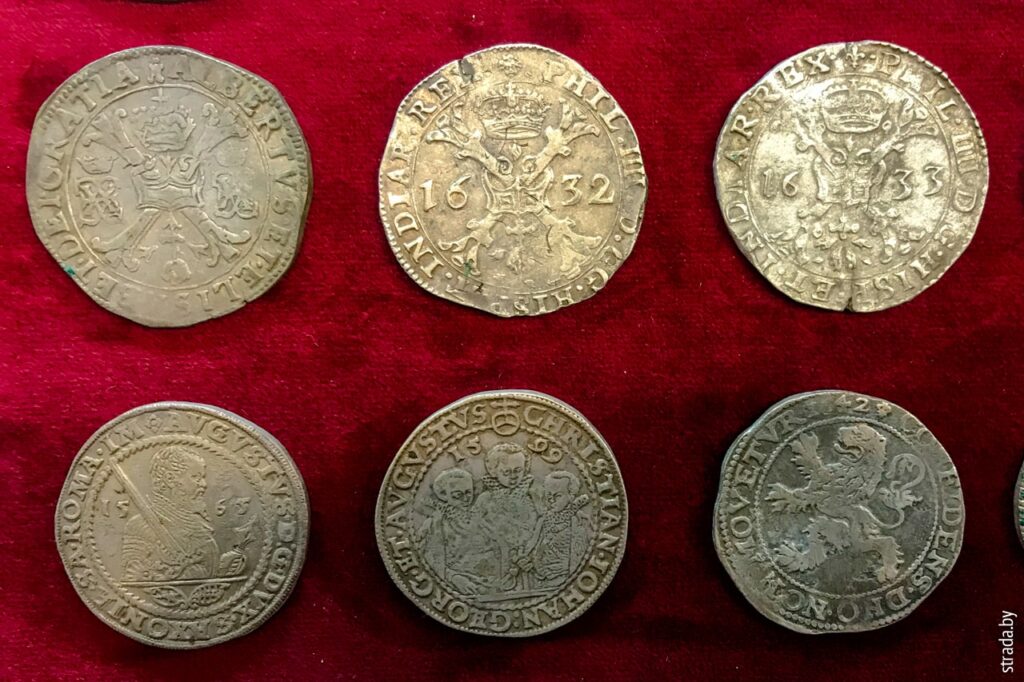
Source: Travel around Belarus
Address
Minsk, 6 Zybitskaya St., Nemiga metro station
Official website
Opening hours
Daily 10:00–19:00
Price
- adult ticket: 20 BYN
- reduced ticket: 10 BYN
5. Yanka Kupala Museum
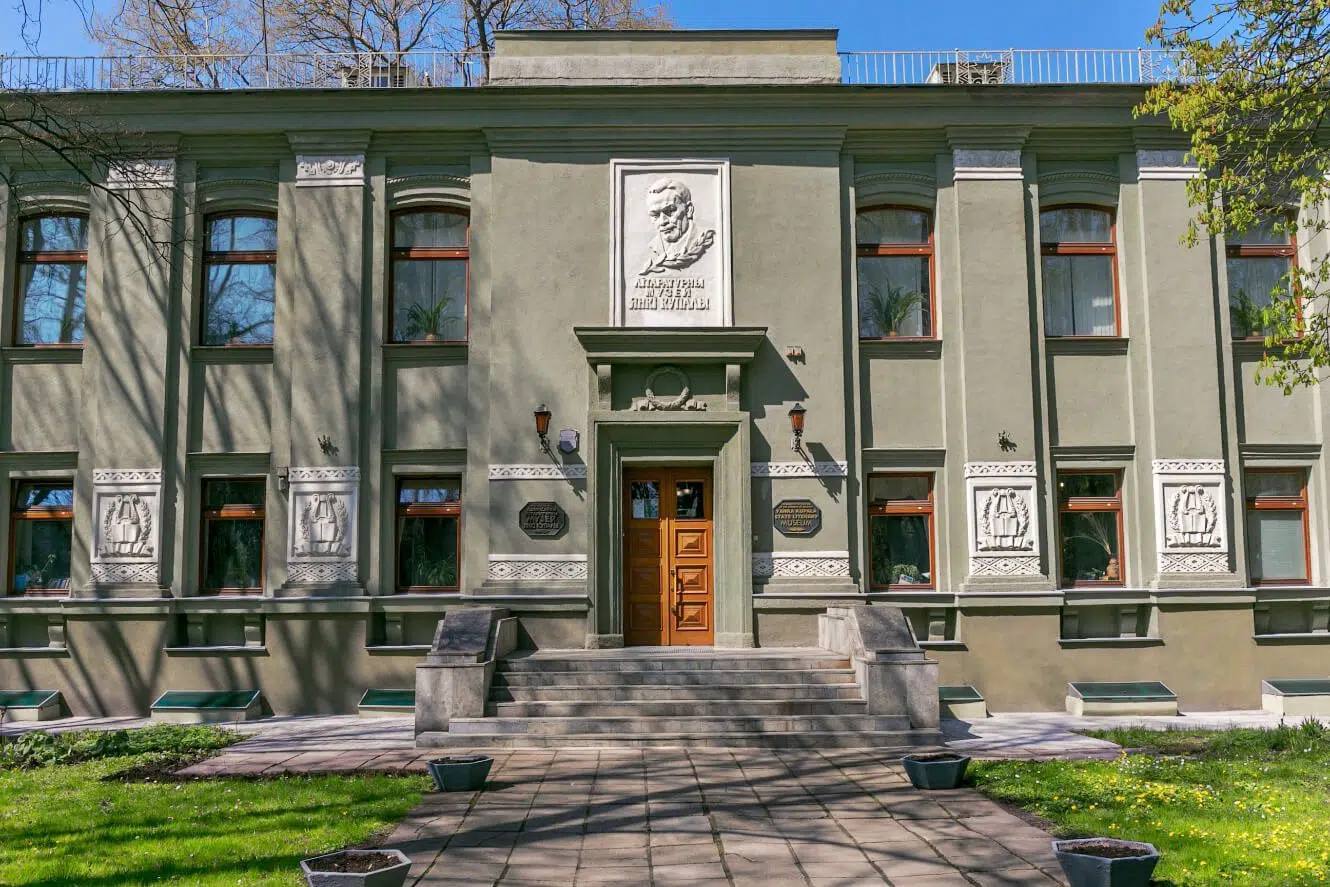
Source: planetabelarus.by
The Yanka Kupala State Literary Museum is more than a collection of exhibits. It is a memorial complex built on the site of the house where Belarus’s first People’s Poet lived from 1927 to 1941. Sadly, the original house burned down during the first days of the war, but the present building, opened in 1959, carefully preserves his memory.
The museum holds over 51,000 objects documenting the poet’s life and work.
- Memorial interiors: holographic installations and original possessions recreate parts of the poet’s St Petersburg apartment and the living room of his Minsk home. Visitors can see Kupala’s personal belongings, manuscripts and autographs.
- Unique artefacts: original editions published during his lifetime, photographs of family and friends, and the famous Chevrolet given to the poet by the government in 1939.
- Multimedia: the modern exhibition “In the Footsteps of Jan Lucewicz” uses 3D technology to immerse visitors in the era in which the poet lived.
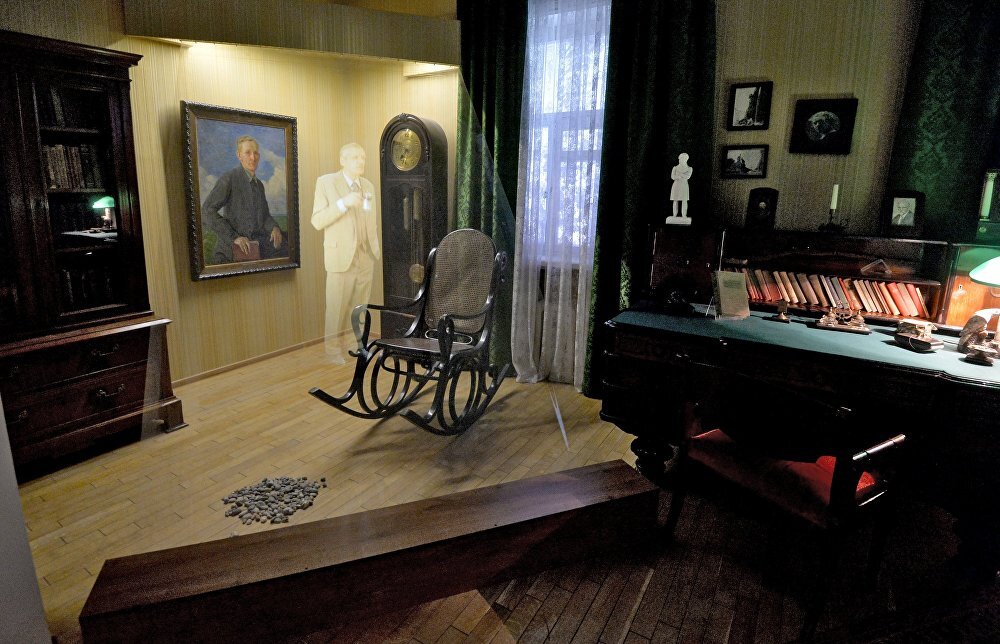
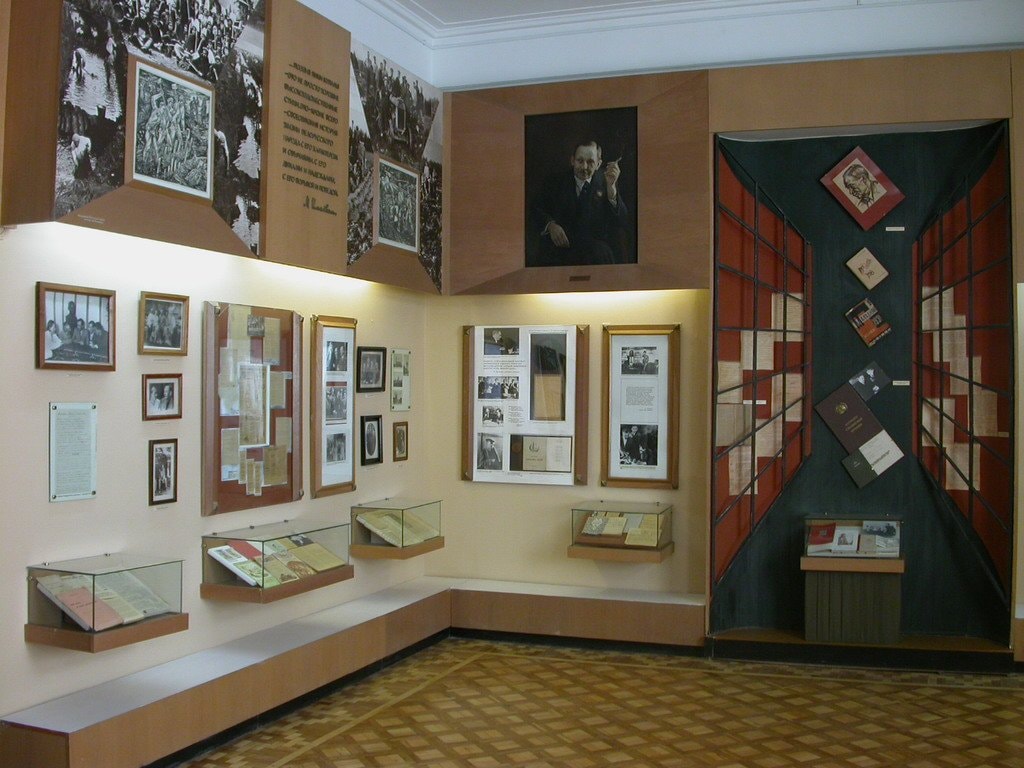
Address
Minsk, 4 Yanki Kupaly St., Kupalovskaya / Oktyabrskaya metro stations
Official website
Opening hours
- Mon–Sat: 10:00–19:00
- Sun: 11:00–19:00
Price
- adult ticket: 8 BYN
- guided tour: from 16 BYN
6. National Centre for Contemporary Arts
Source: BNTU
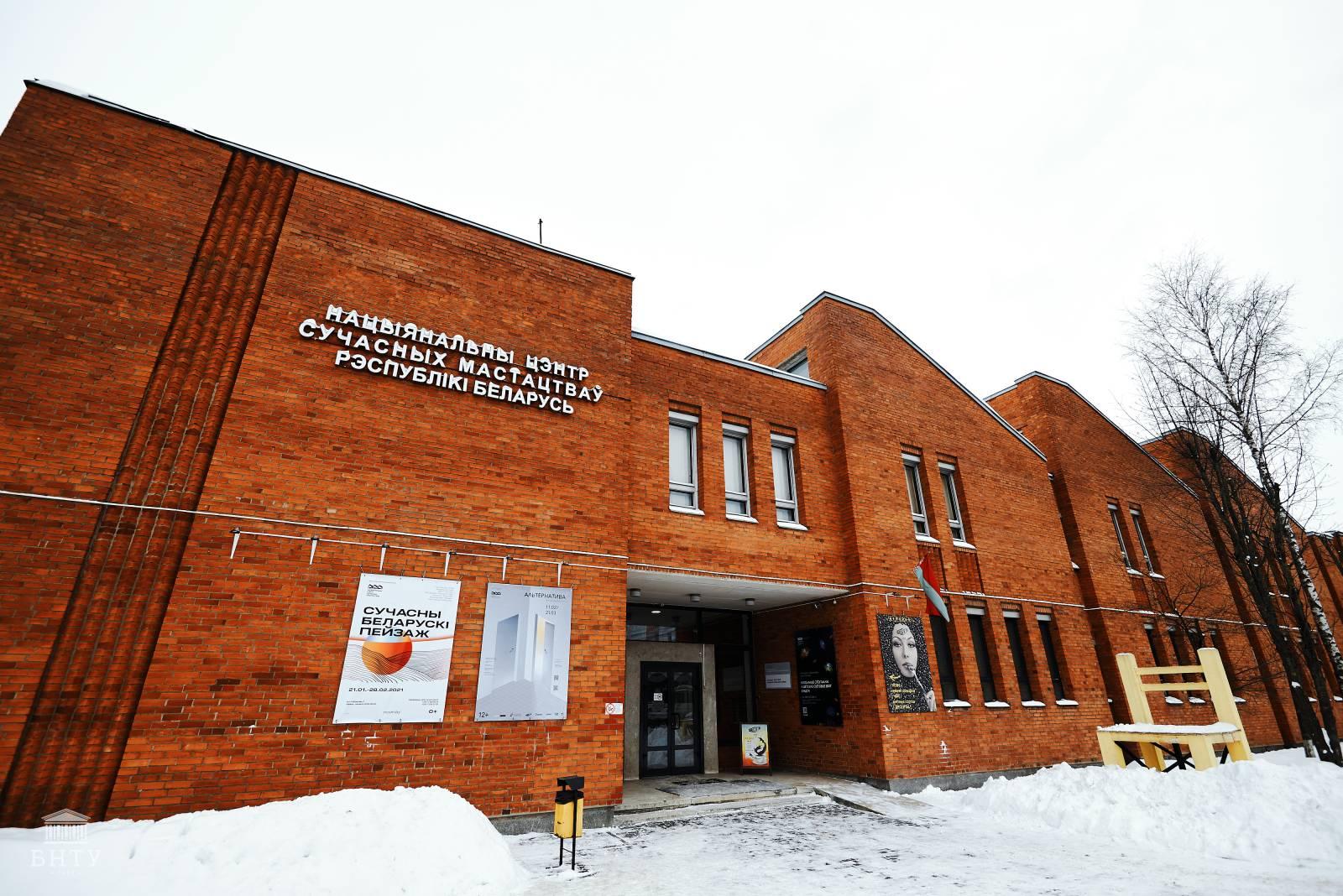
The National Centre for Contemporary Arts is Belarus’s main state institution dedicated to 20th- and 21st-century art. More than a museum, it is a living cultural hub where classical painting meets avant-garde performances, installations and experimental theatre.
Founded in 2015 through the merger of the Museum of Modern Fine Art and the Creative Workshops, the centre now holds almost 5,000 artworks and curates the Belarusian pavilion at the Venice Biennale.
The centre operates in two locations, each with its own character:
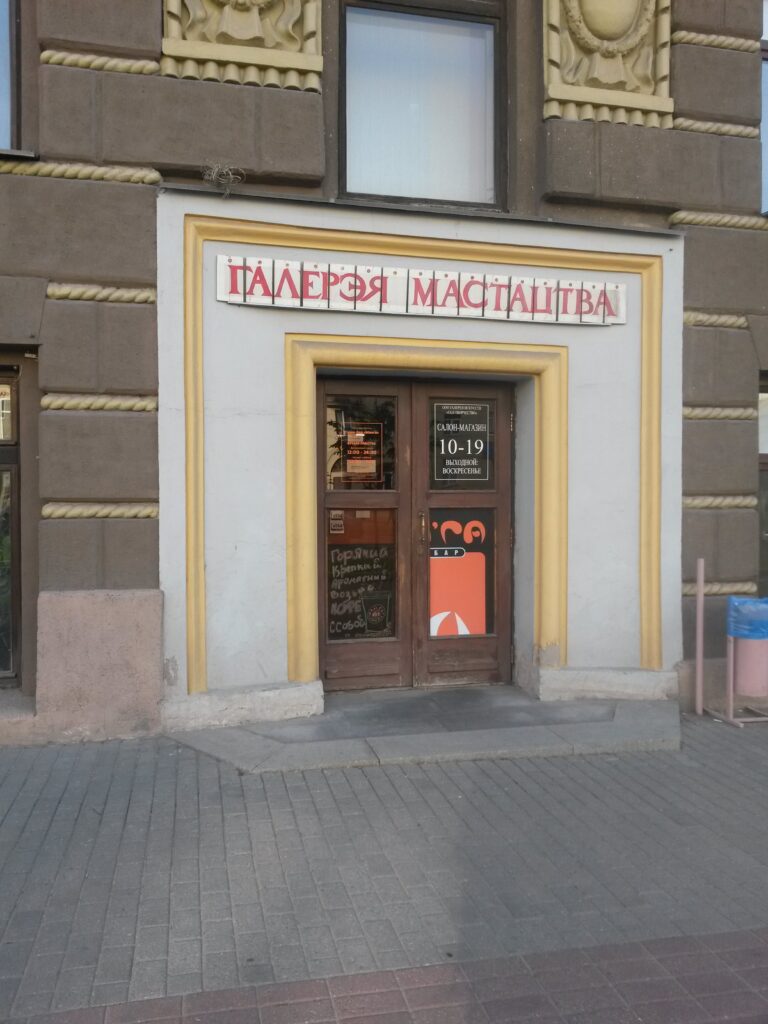
- Independence Avenue venue: housed in a monumental Stalinist Empire-style residential building, it often stages smaller, more classical exhibitions, lectures and meetings with artists. The atmosphere is formal and academic.
- Nekrasova Street venue: originally built as artists’ studios in the 1980s, its distinctive triangular roof projections feature in the centre’s logo. This is a place for experimentation, with more space for large installations, youth projects and bold visual ideas.
Source: Yandex
Address
- Minsk, 47 Independence Ave., Ploshchad Yakuba Kolasa metro station
- Minsk, 3 Nekrasova St., Akademiya Nauk or Park Chelyuskintsev metro station
Official website
Opening hours
Wed–Sun: 12:00–20:00
Price
usually 6–10 BYN
7. Strana Mini Museum of Miniatures
Source: Strana Mini
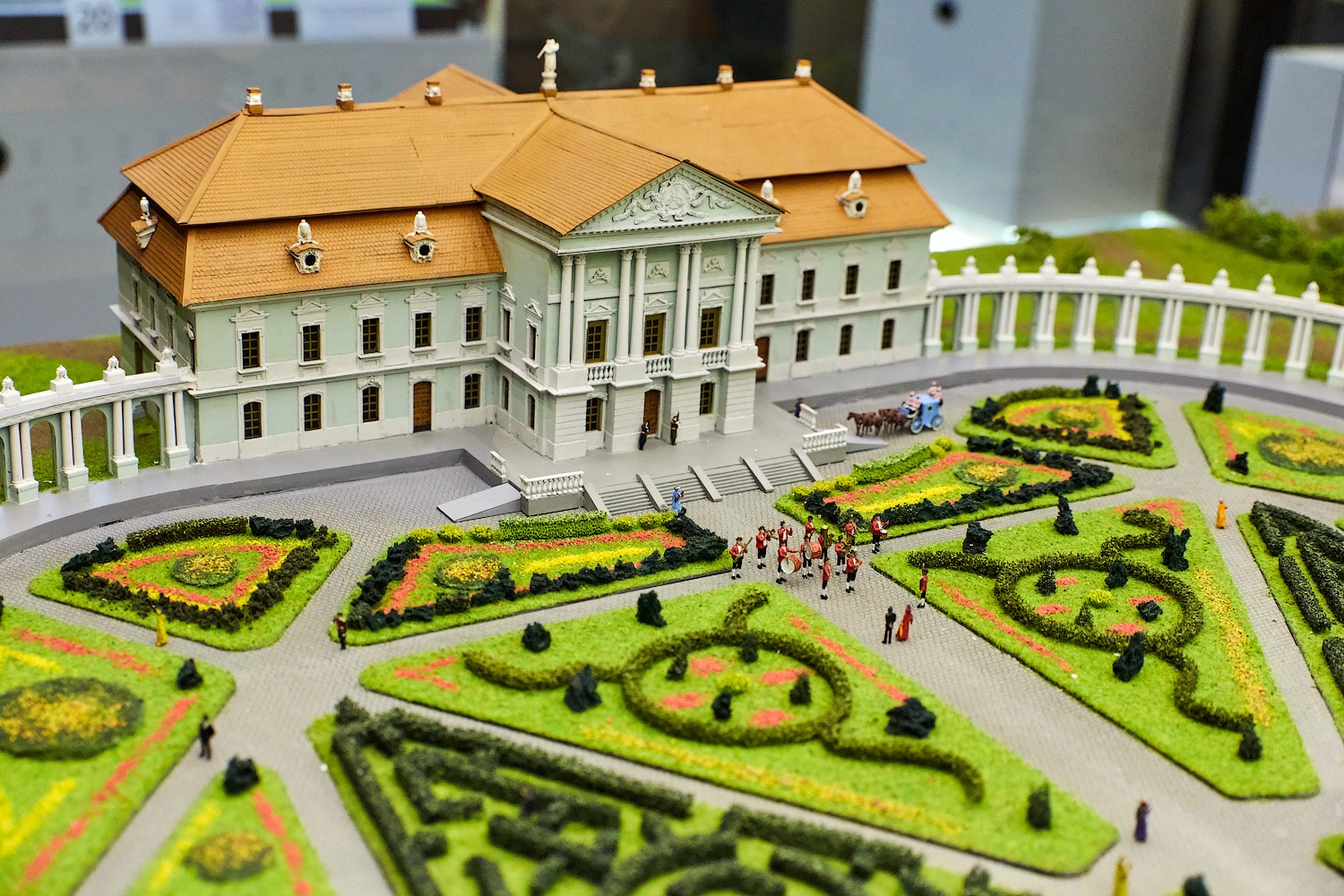
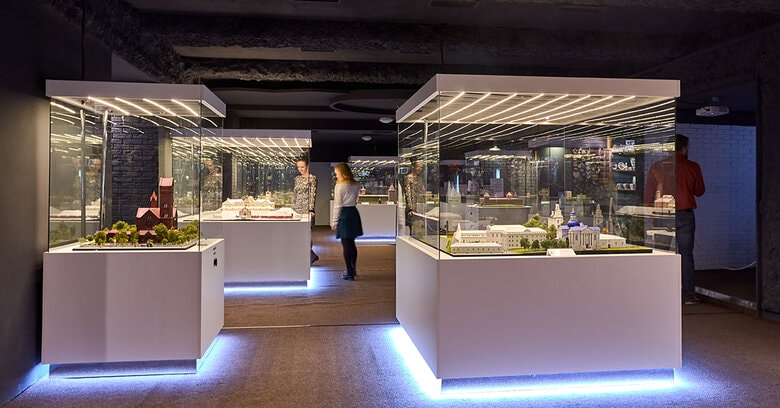
The Strana Mini Museum of Miniatures is a unique place in central Minsk where visitors can discover the architectural and historical heritage of all Belarus in a single visit. Located at 25 Independence Avenue inside the Palace of Trade Unions, it opened in 2016 and quickly became popular with tourists and locals thanks to its interactive, educational displays.
The museum features more than 30 miniature replicas of the country’s most important architectural and historic landmarks, from famous castles and monasteries to lesser-known treasures. Each model is meticulously made at scales ranging from 1:100 to 1:120. Many have interactive features, such as switching between day and night lighting or exploring a building’s interior with additional technology.
Source: turby.by
Address
Minsk, 25 Independence Avenue
Official website
Opening hours
Daily 11:00–20:00
Price
- adults: 19–26 BYN
- reduced admission: 16 BYN
Map of museums and galleries
Creative food courts in Minsk
Minsk’s food scene has changed dramatically in recent years, making the city a hub for European street food. Traditional cafés have been joined by creative food courts: large venues where food is just one part of the cultural experience. Often located in former industrial areas, they combine loft-style spaces, a free-spirited atmosphere and cuisines from around the world. We have selected four distinctive venues, from edgy old factory courtyards to cosy European-style spaces and stylish covered food markets.
1. Pesochnitsa
Source: turby.by
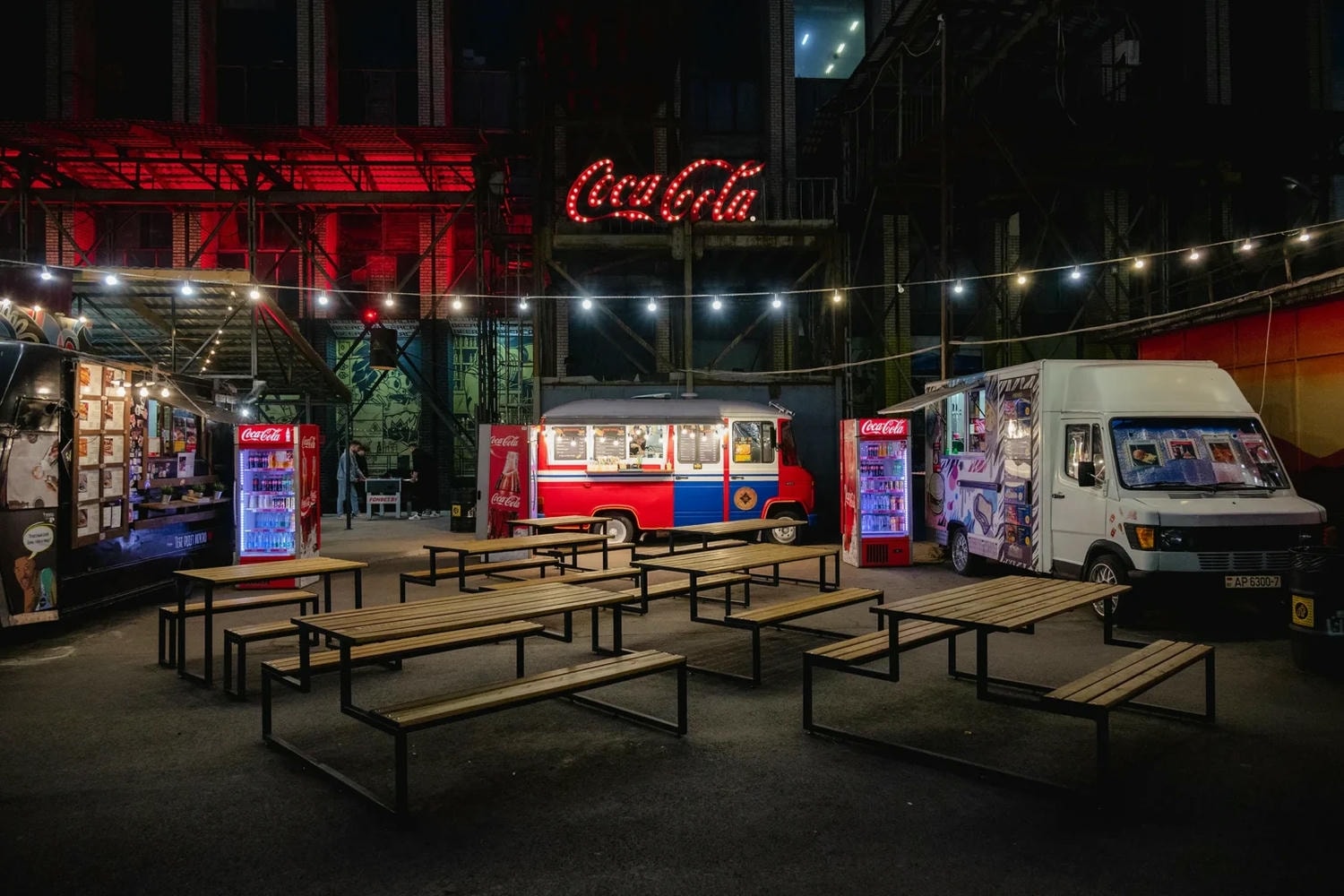
Pesochnitsa is one of Minsk’s iconic street-food venues, located in the courtyard of the former Horizont factory. More than a place to eat, it is a cultural space with a distinctive industrial atmosphere.
This open courtyard has a post-industrial look, with graffiti-covered walls, factory structures and strings of lights. Its main attraction is 15–16 food trucks offering different street foods. Fixed-price meal sets, usually around 12–15 BYN, make it possible to sample everything from burgers and Belarusian potato pancakes to Asian noodles and trdelník pastries without spending much.
There is always something happening besides the food:
- Film screenings: movies are shown on a large screen (see the schedule on Instagram).
- Music: cover bands and DJ sets.
- Entertainment: seating areas and photo spots, plus occasional farmers’ markets such as Goroshek Market and themed festivals.
No longer operating! The venue has closed.
Address
Minsk, 45 Kuybysheva St.
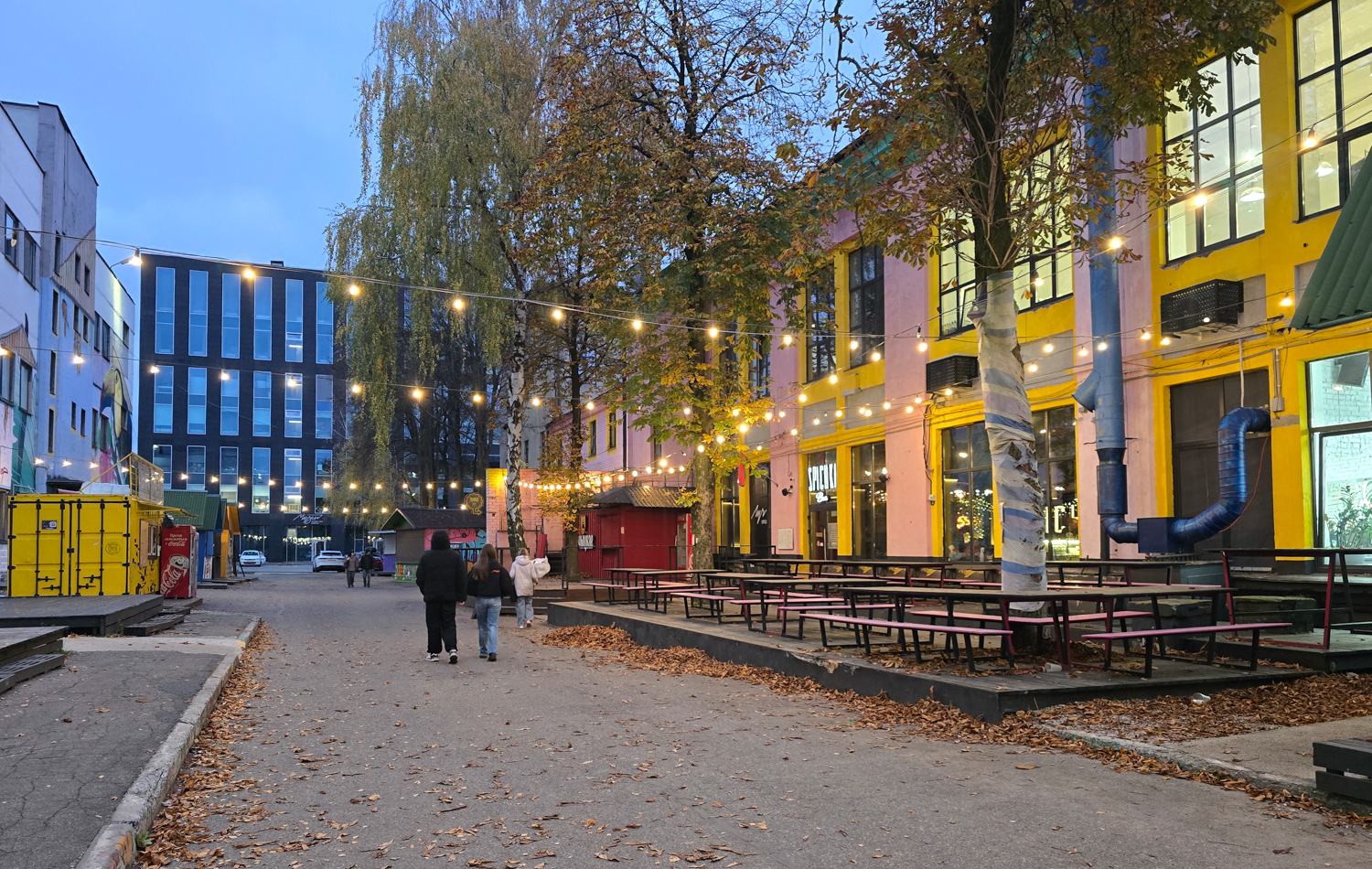
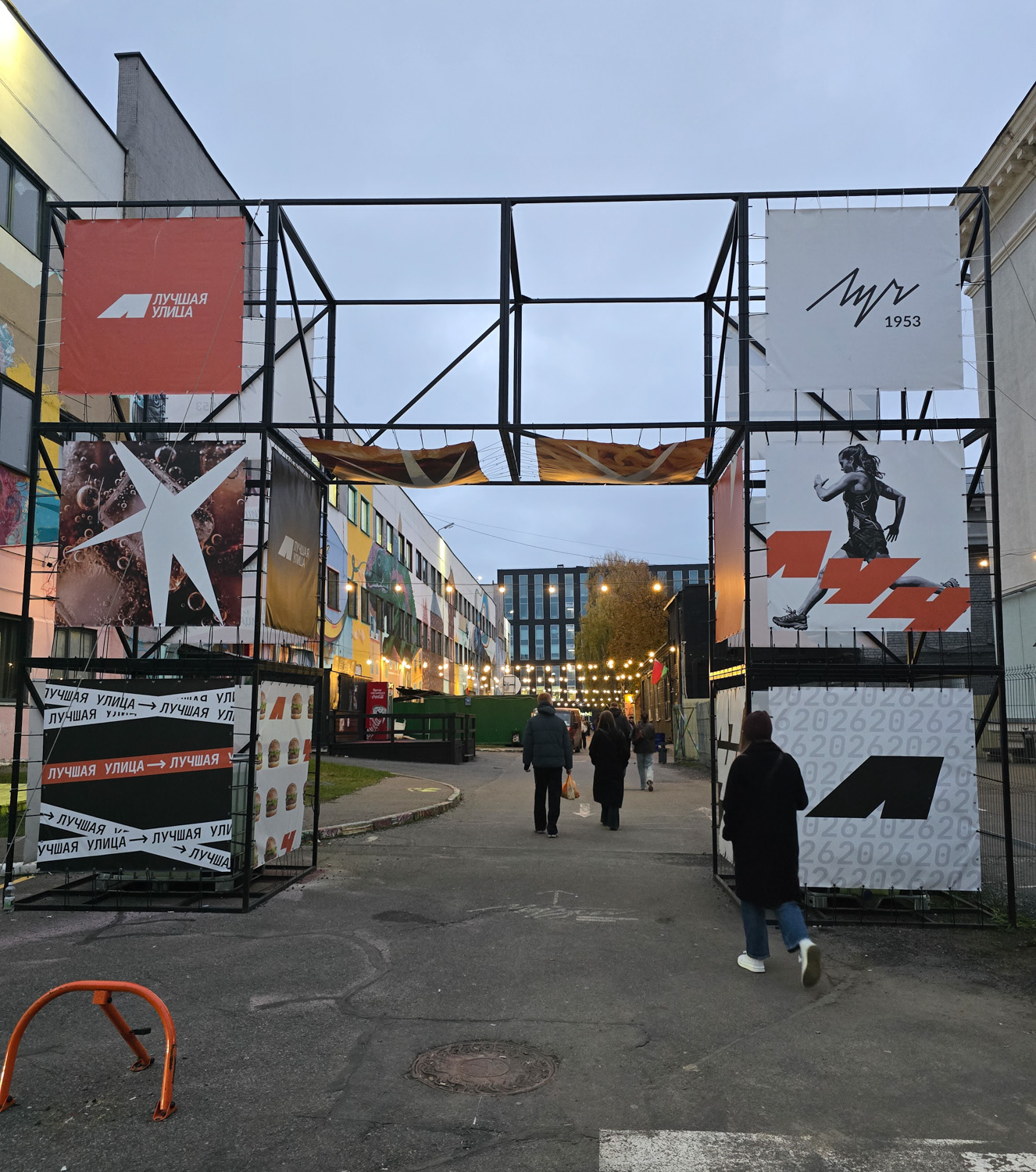
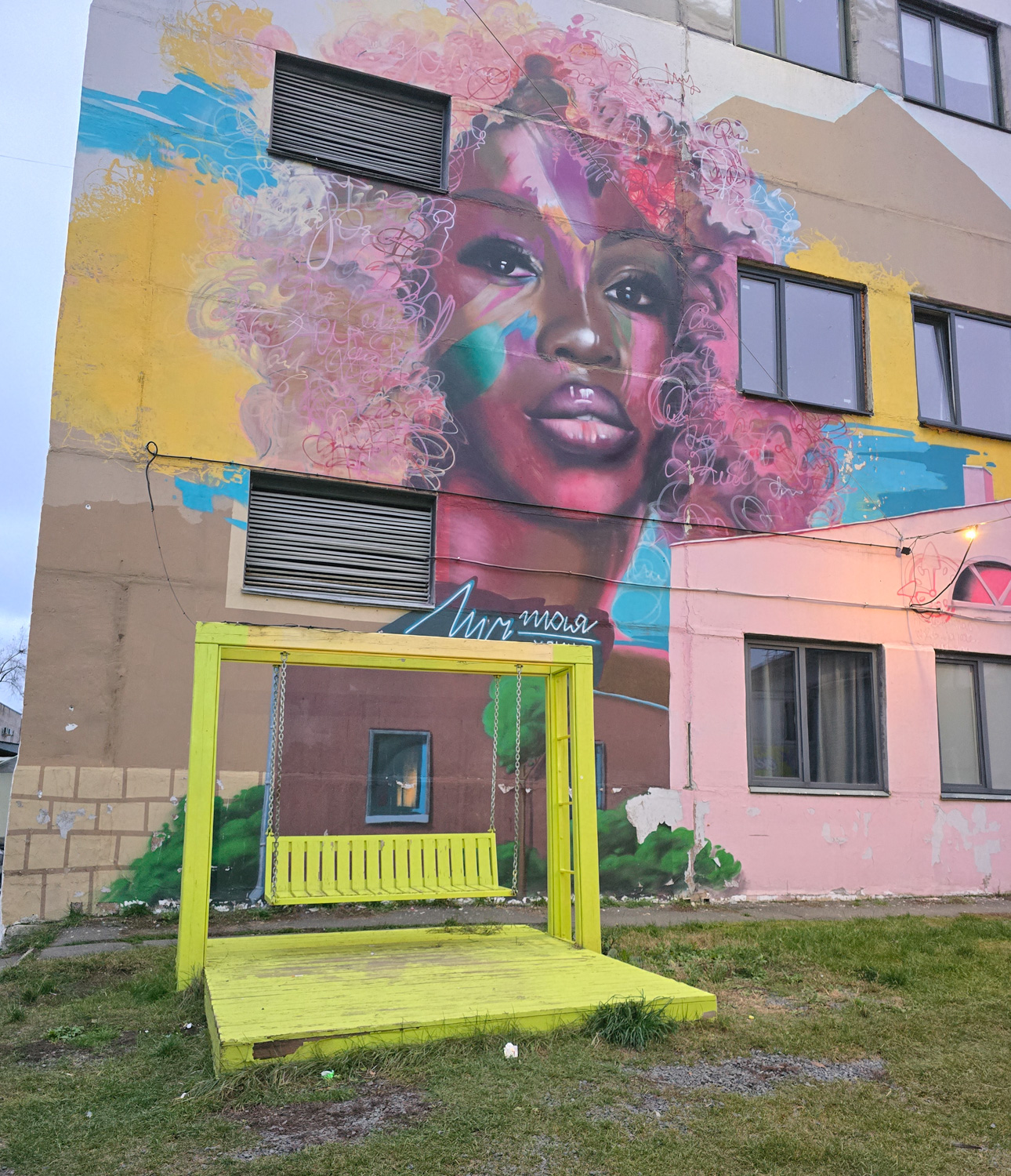
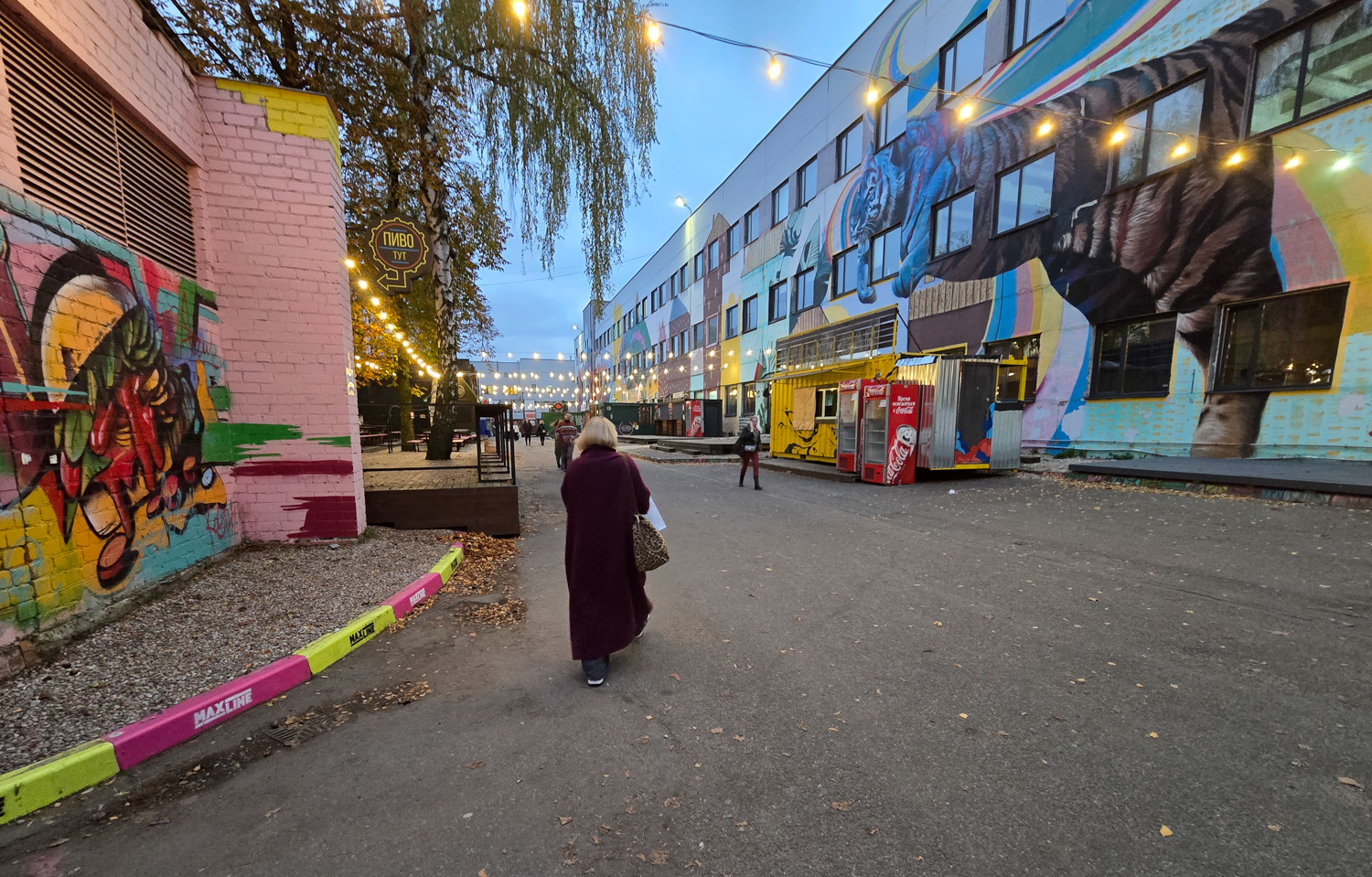
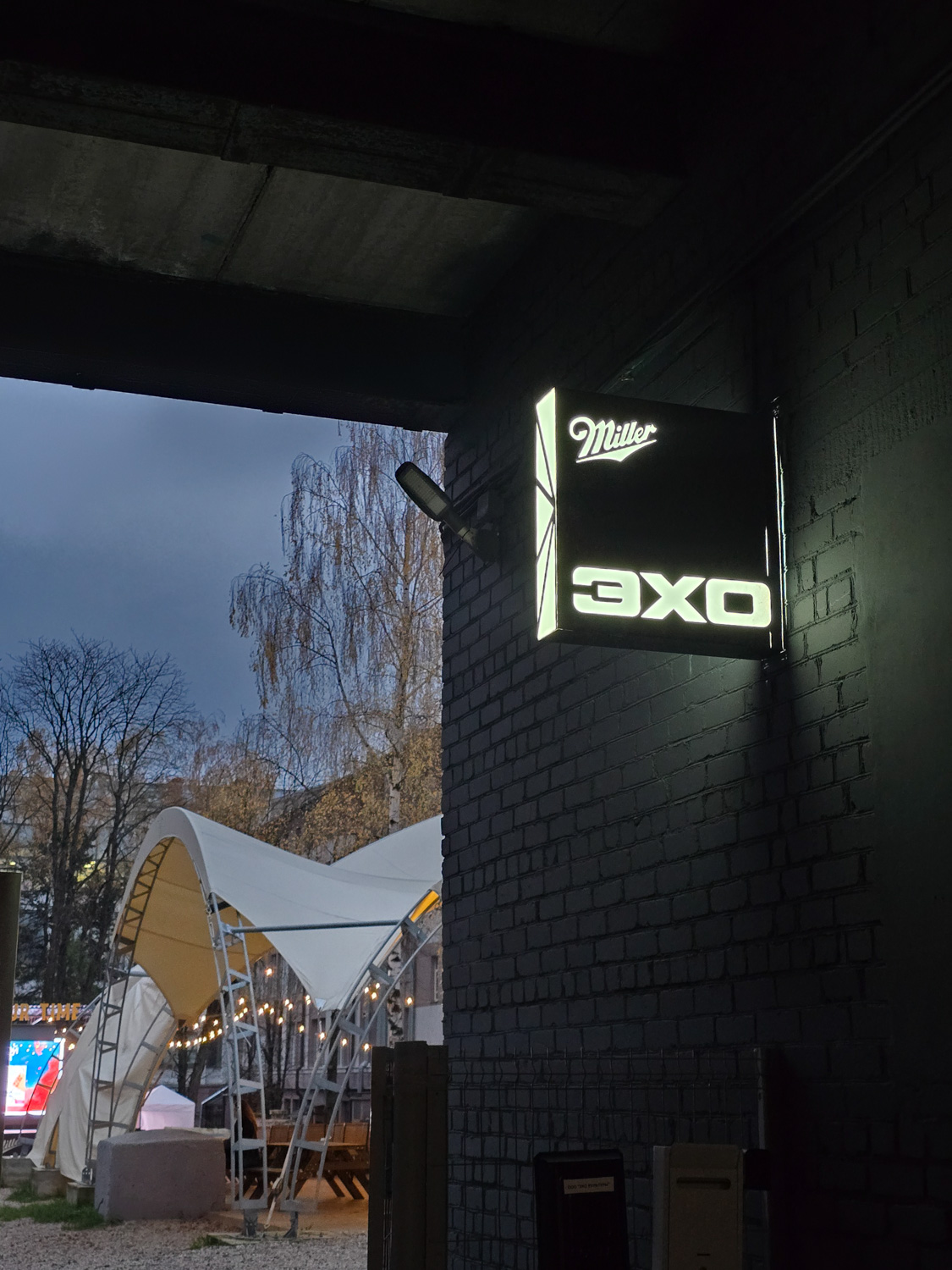
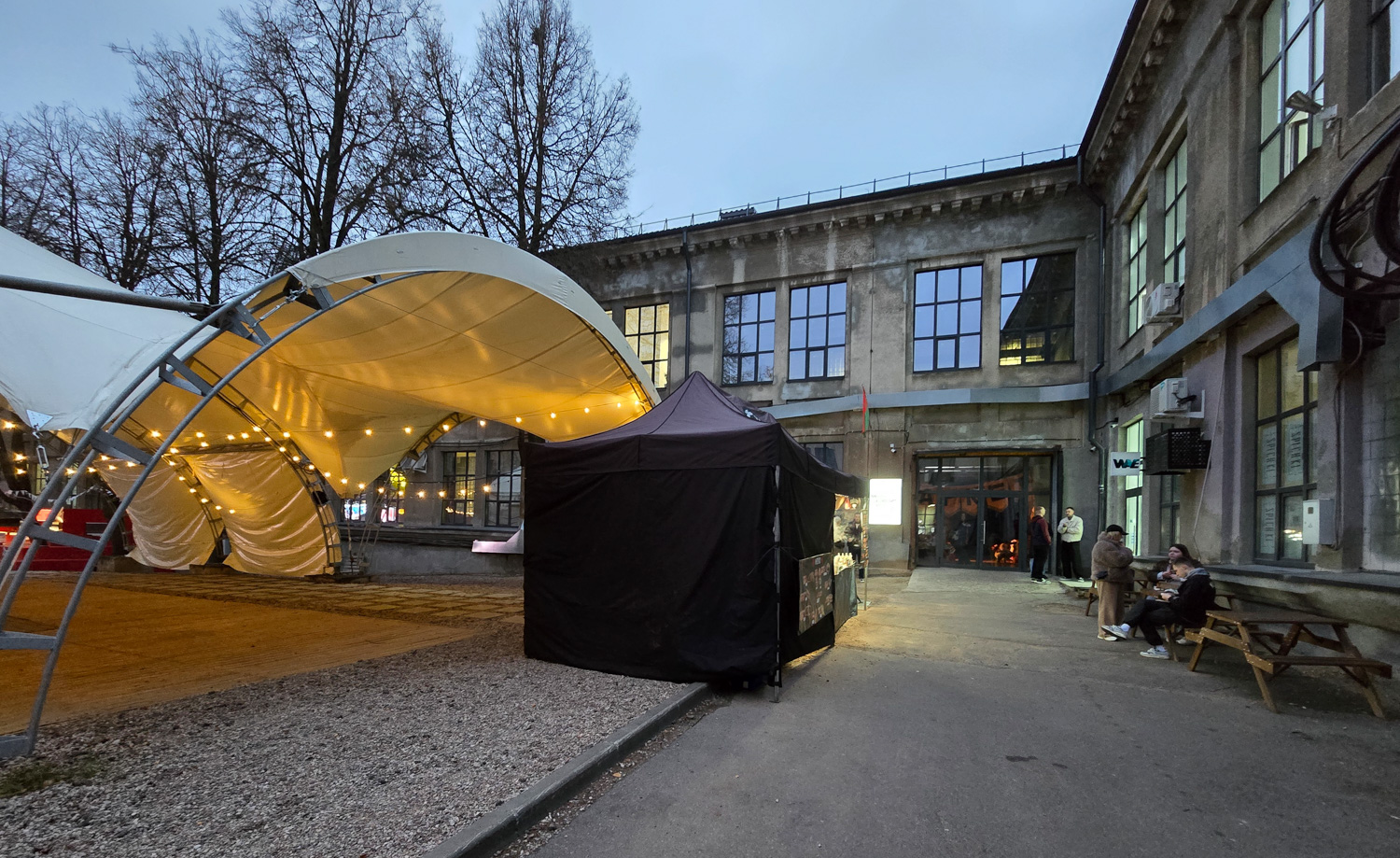
Address
95 Independence Ave., building 16
Luch factory grounds
Official website
Opening hours
- This seasonal venue usually operates from May to September and briefly before New Year.
- During the season it is open daily 12:00–23:00.
Price
- free admission
3. Lidbeer Courtyard
Source: kaktutzhit.by
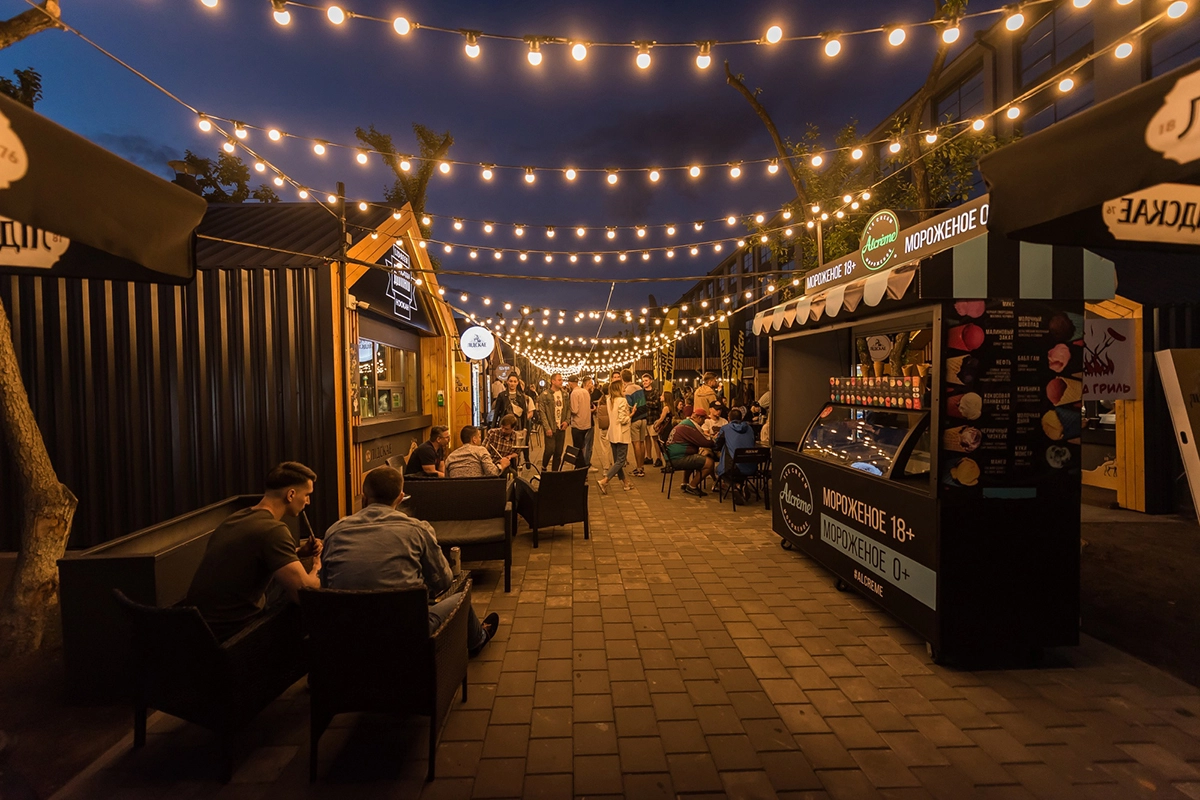
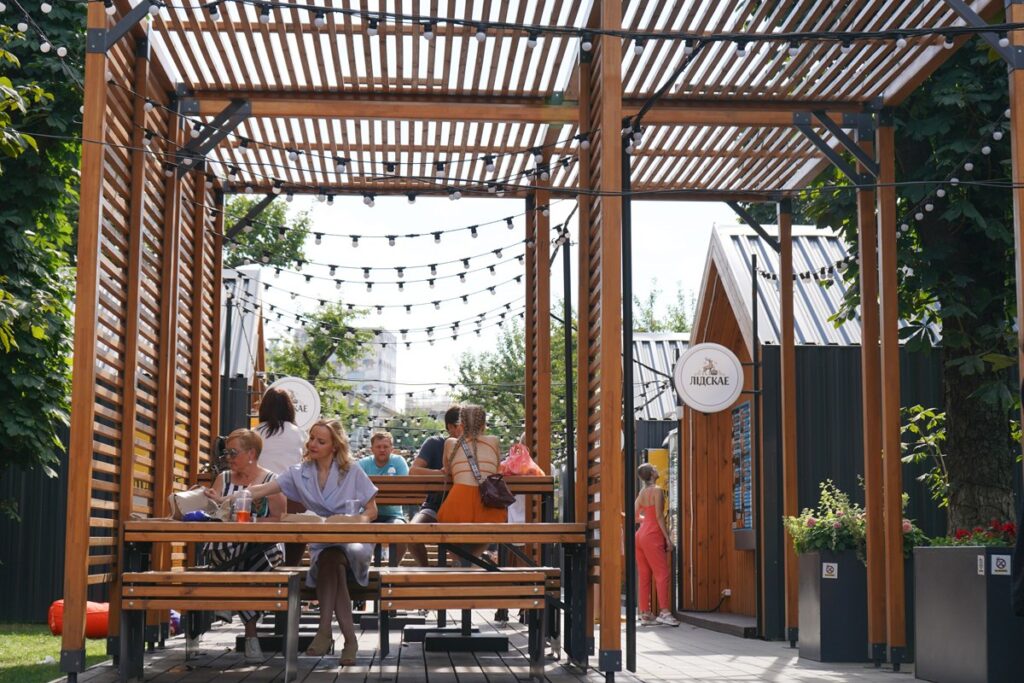
Lidbeer Dvor is one of Minsk’s largest street-food venues, located near Yakub Kolas Square in the city centre. Styled as a European courtyard with small houses, strings of lights and a stage, it resembles London’s outdoor food markets.
Highlights:
- Scale: about 20 food stalls and trucks serve flavours from around the world, from Viennese waffles and Czech trdelník to Korean street food, grilled ribs, craft burgers and, of course, numerous beer varieties.
- Entertainment: a lively calendar includes sports broadcasts on a big screen, live music, movie screenings, quizzes and dance workshops such as bachata.
- For children: a trampoline area and entertainment for younger visitors.
Source: Office Life
Address
Minsk, 5 Gikalo St., Ploshchad Yakuba Kolasa metro station
Opening hours
- This seasonal venue usually operates from May to September and briefly before New Year.
Seasonal opening hours
- Sun–Thu: 12:00–00:00
- Fri, Sat: 12:00–02:00
Price
- free admission
- average spend is around 15–20 BYN
4. Konkors
Source: Konkors
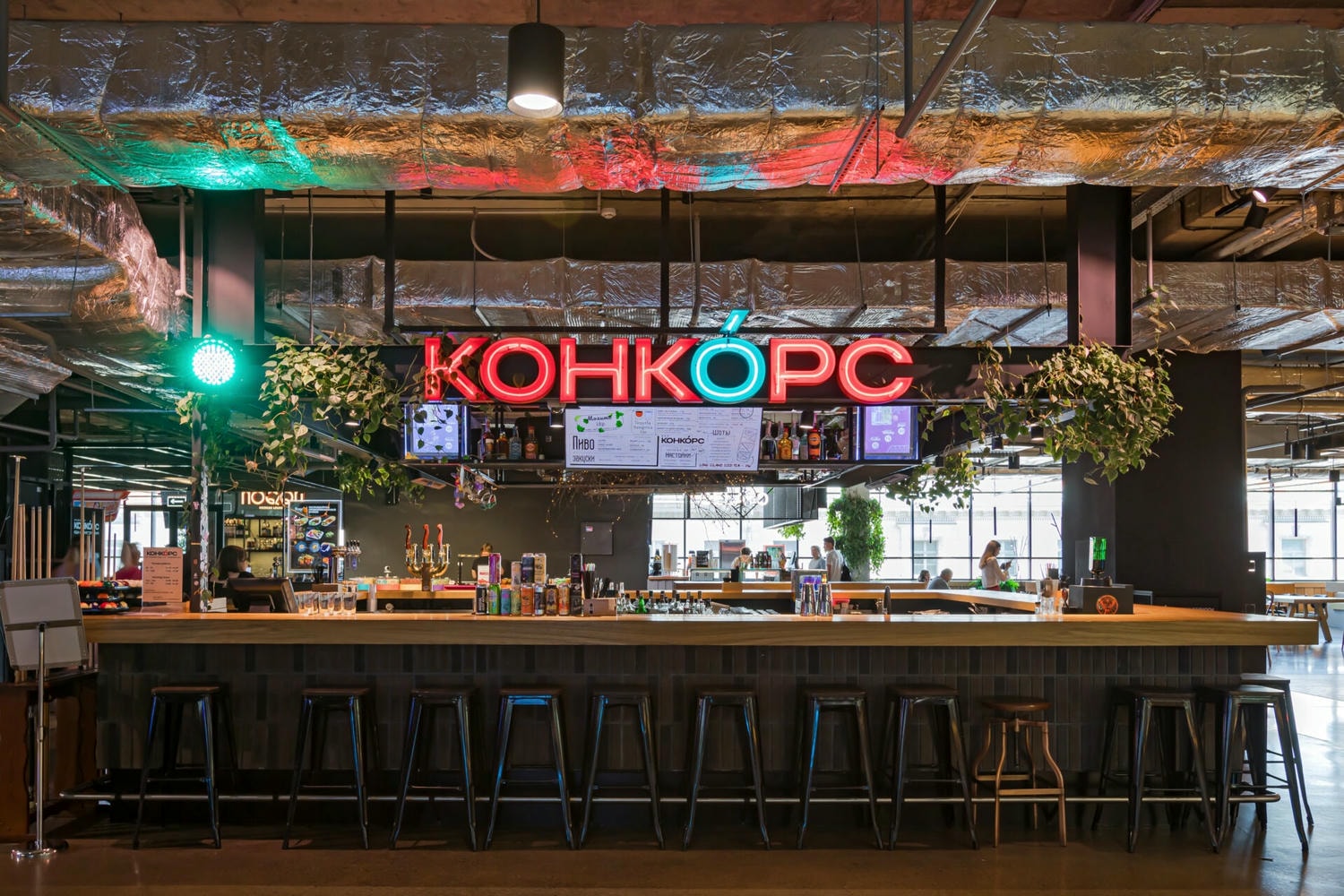
Konkors food hall is a spacious, stylish dining destination on the fourth floor of the Galileo shopping centre beside the railway station. It is perfect for a meal in the city centre, killing time before a train or meeting friends while choosing between dozens of cuisines.
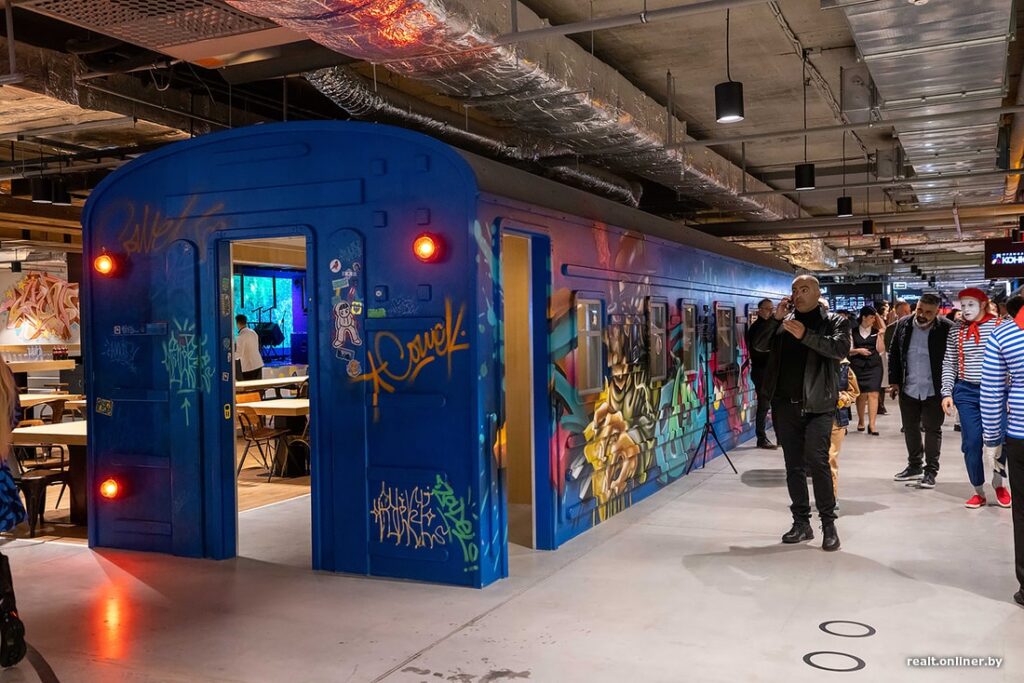
Unlike outdoor venues such as Pesochnitsa, Konkors is indoors and open year-round in any weather. Its 3,500 m² space is designed in a modern loft style with greenery and panoramic windows. More than 25–30 food stalls offer a wide range of concepts.
What to try and do:
- Food: choose from Belarusian potato pancakes and Italian pasta to Hawaiian poke, Vietnamese pho bo, Georgian khinkali and American burgers. There is also a full-service bar.
- Festivals: the venue regularly hosts its own Konkors Eats food festivals, where stalls offer tasting sets at fixed prices, usually around 30 BYN for a meal and 15 BYN for desserts or drinks.
- Entertainment: a stage hosts concerts and stand-up comedy, and there is a billiards area and children’s corner. Live music or DJs often perform at weekends.
Source: Onliner
Address
Minsk, 6 Bobruyskaya St., Galileo shopping centre, 4th floor, Ploshchad Lenina metro station (not to be confused with Galleria)
Official website
Opening hours
Food
- Daily 10:00–23:00
Bar and billiards
- Sun–Thu: 12:00–00:00
- Fri, Sat: 12:00–01:00
Price
- free admission
- average spend is around 15–20 BYN
Which venue to choose depends on your mood and evening plans. Want to experience youthful alternative culture and dine outdoors? Try the legendary Pesochnitsa or colourful Luchshaya Ulitsa. Looking for a festive atmosphere in the city centre? Head to lively Lidbeer Dvor. If the weather is poor or you prefer the comforts of a shopping centre, Konkors is the ideal choice. Wherever you go, Minsk’s creative food courts offer more than tasty food: they immerse you in the city’s vibrant contemporary culture.
Map of creative food courts
Parks and recreation areas in Minsk
Minsk has an extensive network of green spaces, and outdoor recreation is a major part of life for both residents and visitors. The capital has numerous parks and squares, each with its own atmosphere and opportunities to relax, explore and have fun. Here are some of the most popular and noteworthy ones.
1. Maxim Gorky Central Children’s Park
Source: turby.by
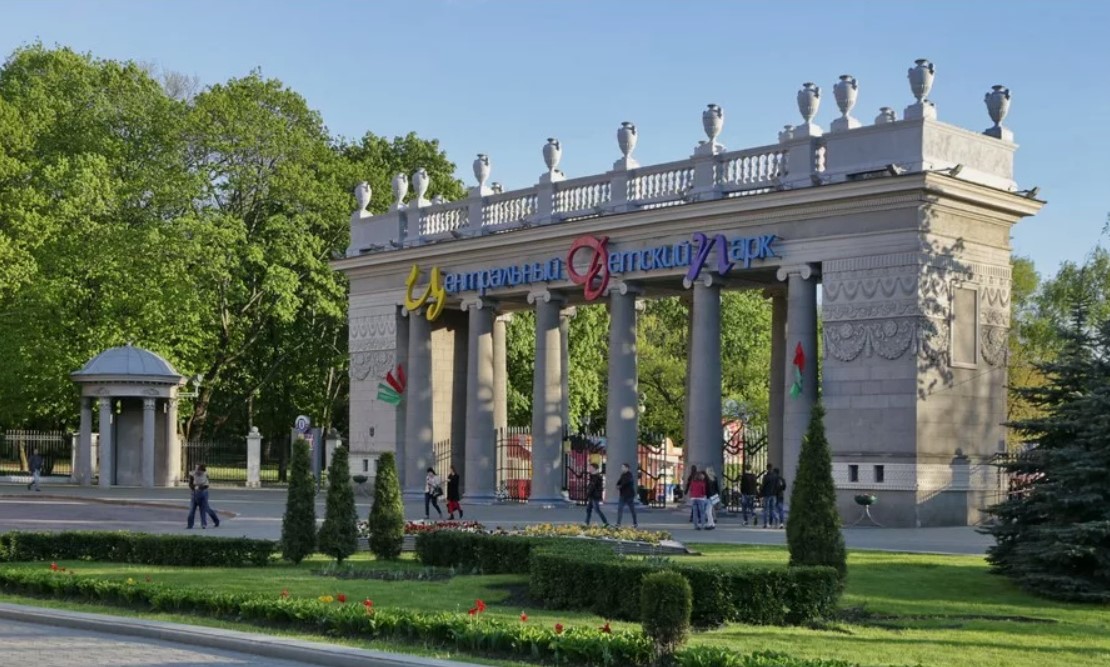
Maxim Gorky Central Children’s Park is Minsk’s oldest park, founded in 1805 as the Governor’s Garden by the city’s first governor, Zakhary Korneyev. Today it is a favourite family destination, combining historic alleys, modern rides and peaceful walks beside the Svisloch River.
The park is famous for both its history and its entertainment:
- Ferris wheel: the tallest in the city, at 54 metres. Its open and enclosed cabins offer stunning views of Victory Square, the Svisloch River and central Minsk. The wheel is beautifully illuminated at night.
- Planetarium and observatory: Minsk’s only planetarium is located here. Watch films about space in the star theatre or, when the sky is clear, observe celestial objects through a telescope.
- Rides: aimed chiefly at children, the park features carousels such as Waltz and Orbit, bumper cars, trampolines, a funhouse and a miniature railway (not to be confused with the Children’s Railway on Independence Avenue).
- Nature: many trees are centuries old, and friendly squirrels along the paths often accept nuts from visitors’ hands. A scenic promenade follows the Svisloch River, where you can feed ducks.
- Father Frost’s House: the city’s festive Father Frost residence opens here during the winter holidays.
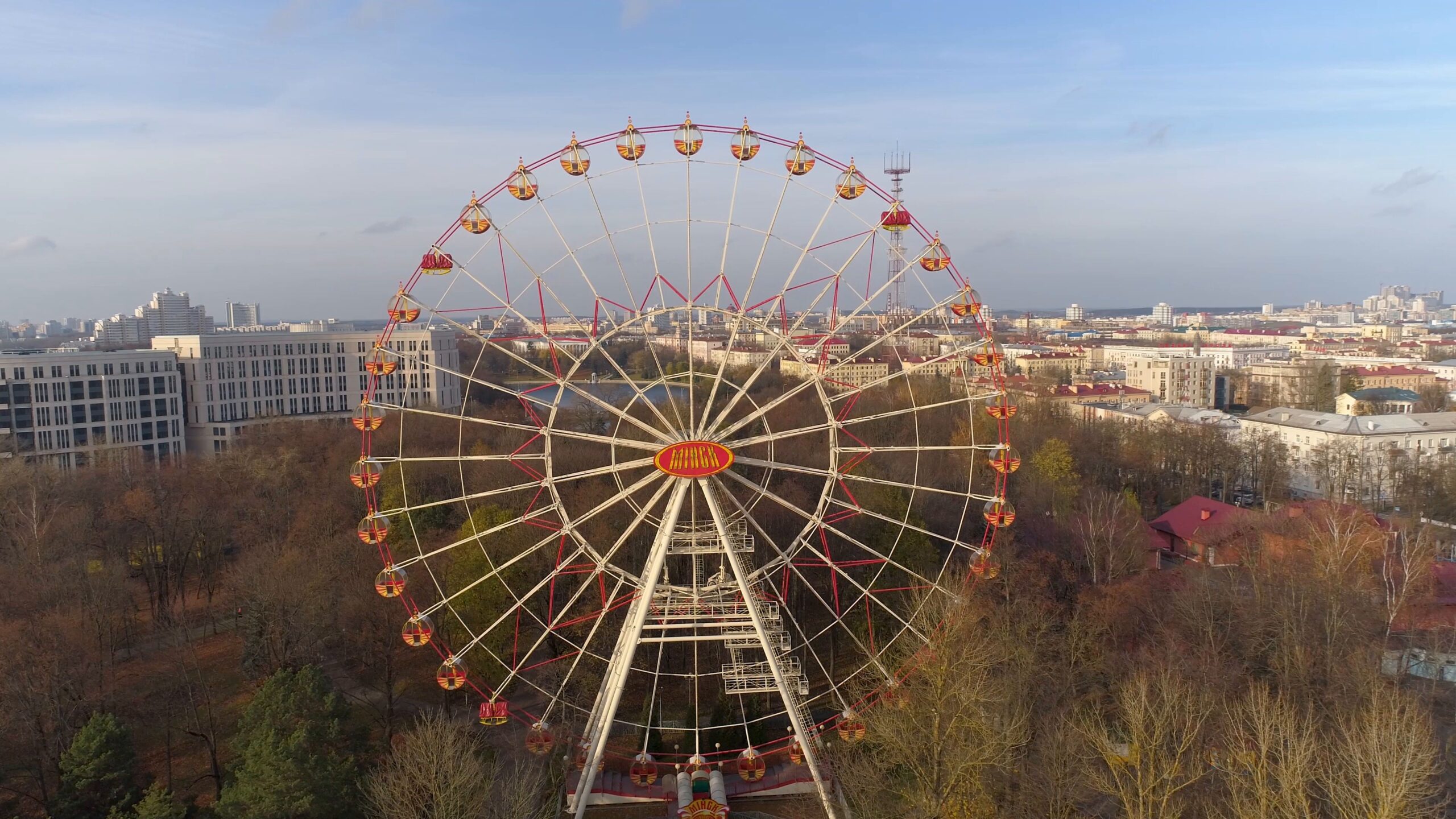
The park’s landscape carefully preserves its natural beauty. More than 60 tree and shrub species grow here, including rare cedar pine, California fir and silver maple. The Svisloch River and artificial canals create a cool, peaceful atmosphere, while many bridges are decorated with love locks left by newlyweds. A tall entrance arch and a statue of Maxim Gorky sitting on a bench give the park its distinctive, welcoming character.
Address
Minsk, 2 Frunze St., Ploshchad Pobedy metro station
Price
- free admission to the park
- rides cost from 2 to 7 BYN
Opening hours
Park grounds
- Open 24 hours
Rides (operating from late April to late September)
- Wed–Sun: 10:00–21:00
2. Loshitsa Park
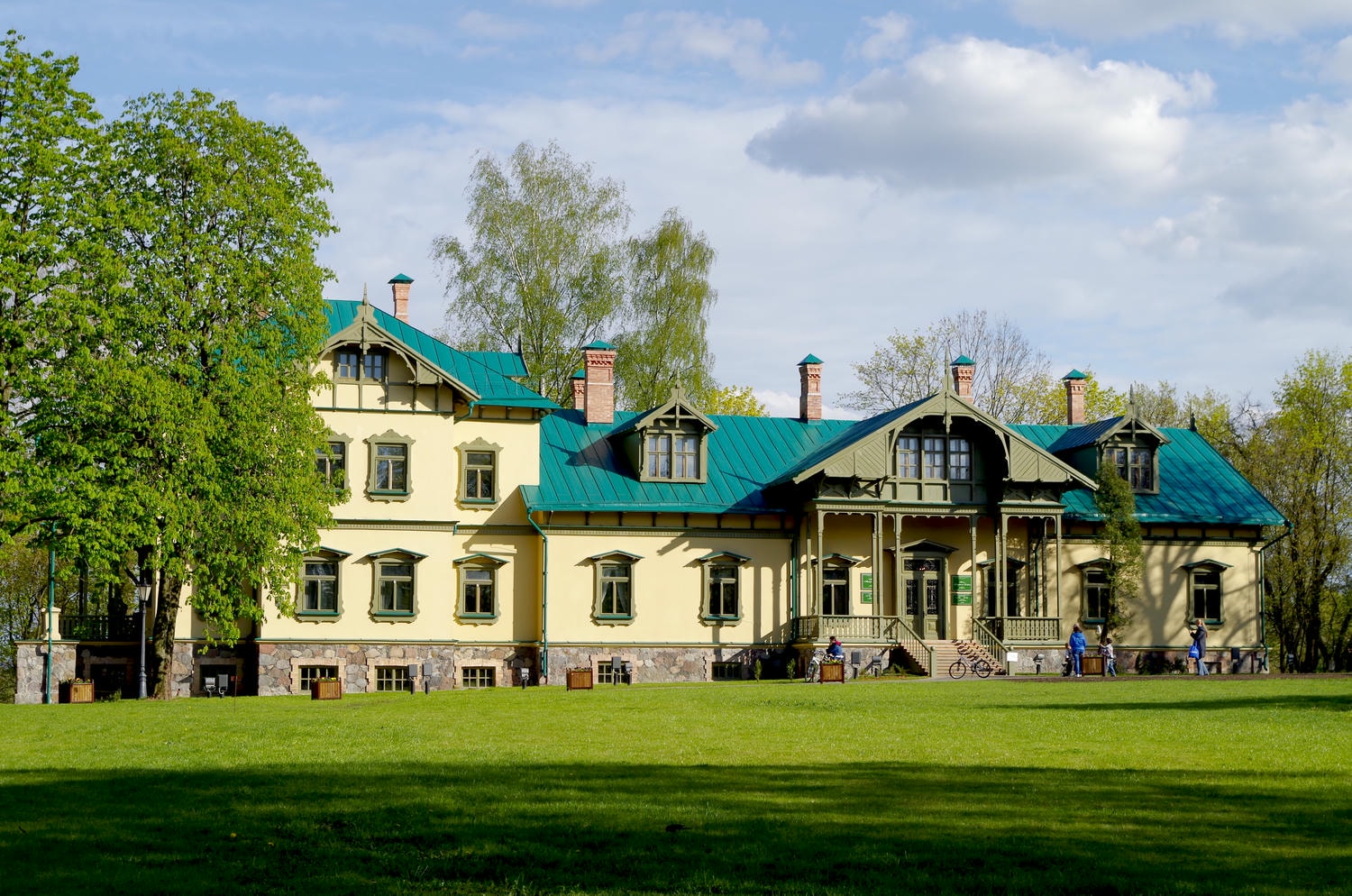
Loshitsa Park is one of Minsk’s largest and most beautiful historic estate parks, covering around 100 hectares in the city’s northeast. Its story dates back to the 16th century, when noble families including the Drutsky-Gorsky princes owned estates here. It gradually developed into an elegant residence with green avenues, ponds, historic buildings and unusual plants. Count Stanislaw Pruszynski shaped the estate in the 18th and 19th centuries, and it flourished under its last owner, Eustachy Lubanski, in the late 19th century.
Today Loshitsa Park is a peaceful green oasis popular with residents and visitors. Historic lime-tree avenues, ponds with swans and architectural landmarks such as the manor house and its wing have survived. Rare plants and exotic trees imported from across Europe and Asia add to its charm, including kobus magnolia, Siberian fir, Manchurian walnut and mountain and Crimean pines.
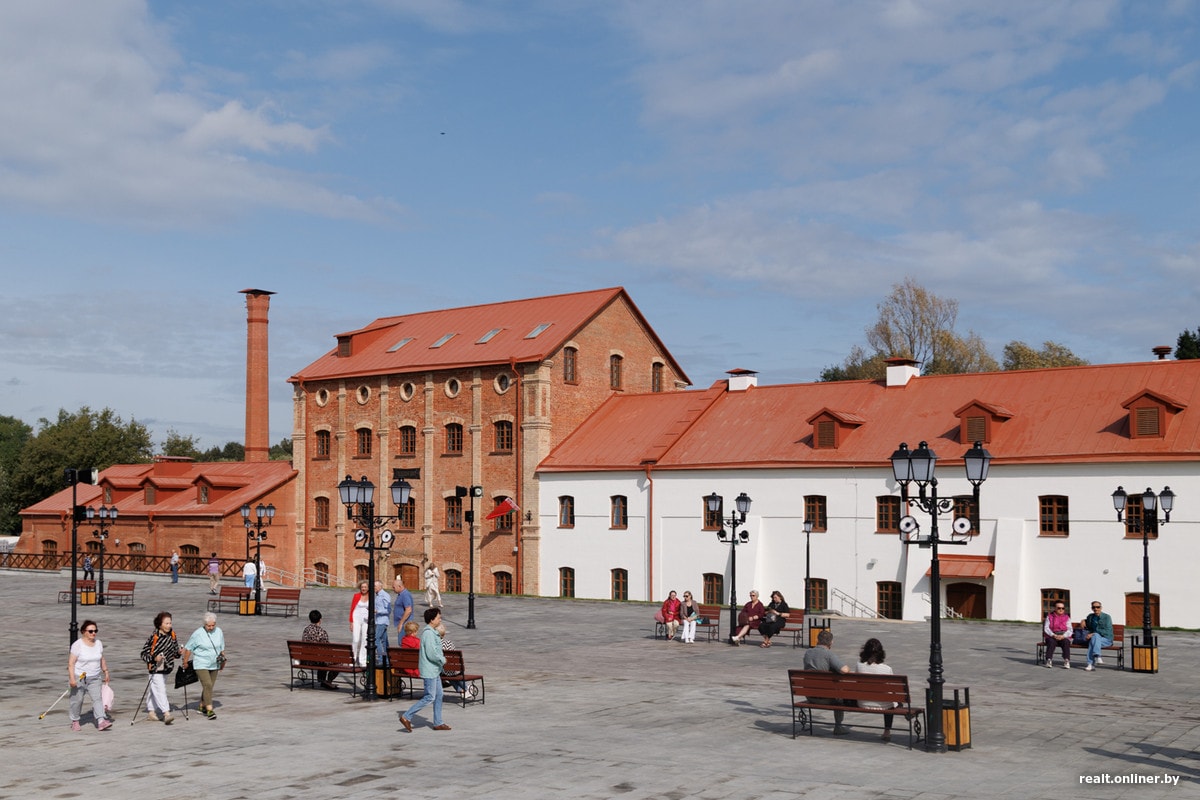
Source: Onliner
The park is rich in secrets and legends, including the famous White Lady ghost and several centuries-old “wedding” oaks. Loshitsa is often used for photo shoots, filmmaking and outdoor celebrations. Visitors can rent bicycles or enjoy leisurely walks along the picturesque avenues in any season.
The Loshitsa estate and park complex also contains a museum of antique household items, collections of cameras, samovars, gramophones and more, offering a glimpse of aristocratic life. The park is state-protected and recognised as a Belarusian monument of history, culture and landscape art.
Address
Minsk, 10 Chizhevskikh Ave.
Price
- free admission to the park
- museum admission: around 5 BYN
Opening hours
Park grounds
- Open 24 hours
Museum
- Tue–Sun: 10:00–18:00
- Mon: closed
3. Chelyuskintsev Park
Source: Welcome Belarus
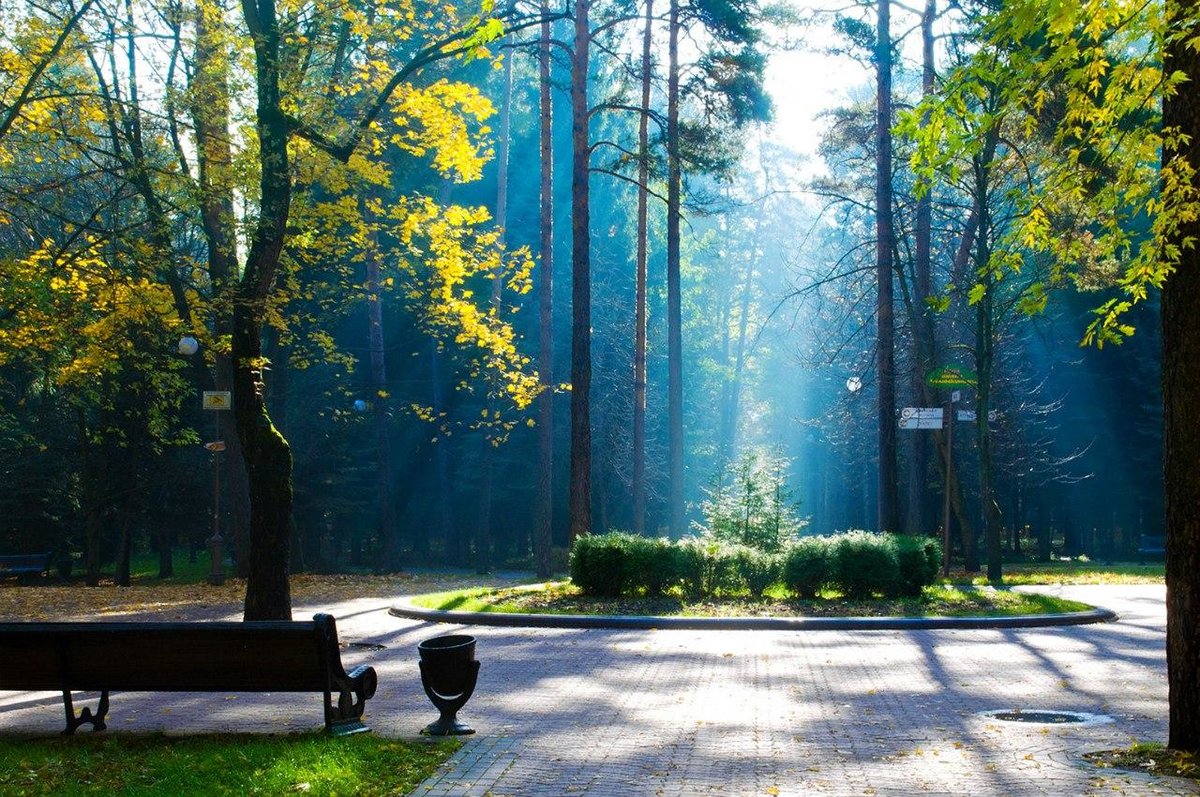
The park opened in 1932 on the site of Komarovsky Forest, which once belonged to the Radziwill and later Vankovich families. Initially called Komarovsky Park, it was renamed in 1934 in honour of the Chelyuskin heroes, survivors of the polar expedition aboard the steamship Chelyuskin in the ice of the Chukchi Sea.
Highlights:
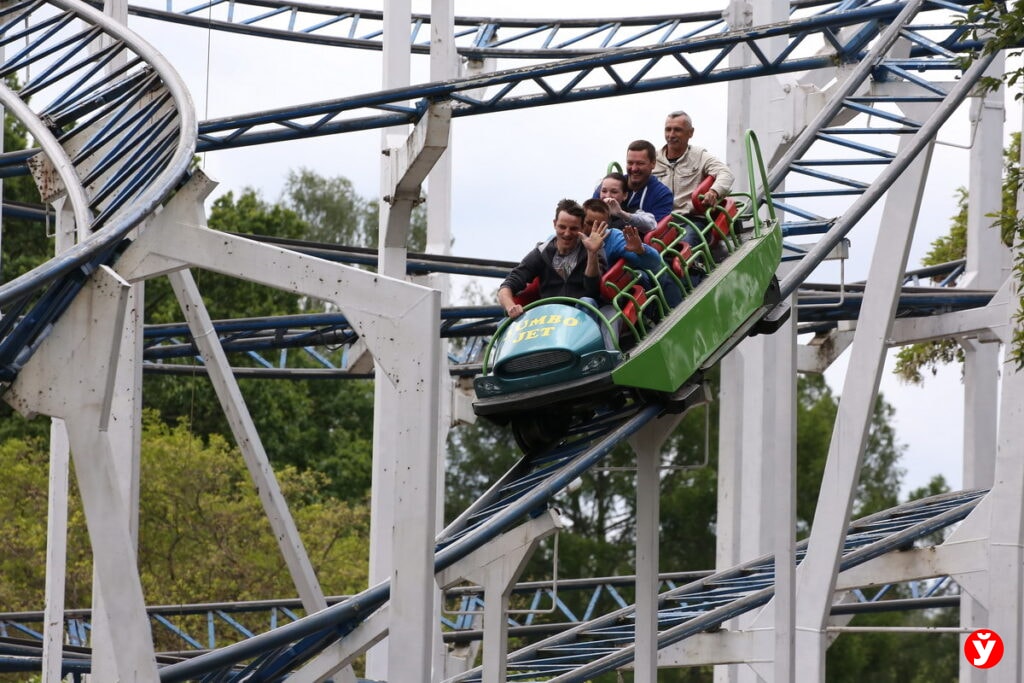
- Rides: some of Minsk’s most thrilling attractions are here, including roller coasters and a catapult ride. The old Soviet Super-8 rides have been replaced with more modern ones, and there is a separate area for young children.
- Dance floor: a legendary gathering place for older visitors, attracting hundreds of people to weekend dancing and giving the park a warm, distinctive atmosphere.
- Nature: among the city’s greenest parks, with ancient pine trees and fresh air. The Botanical Garden begins directly beyond the park fence and has a special summer entrance.
- Memorial: deep in the park is a mass grave and memorial to victims of Nazism, where more than 10,000 prisoners of war and civilians executed during the war were buried.
Source: Minskaya Prauda
Address
Minsk, Independence Avenue, near Park Chelyuskintsev metro station
Price
- free admission to the park
- rides cost from 2 to 7 BYN
Opening hours
Park grounds
- Open 24 hours
Rides (operating from late April to late September)
- Thu–Sun: 11:00–20:00
- Mon–Wed: closed
Children’s Railway (operates from late April to late September; timetable varies by month)
- Wed–Fri: 11:00–13:36
- Sat, Sun: 11:00–16:51
4. Victory Park
Source: planetabelarus.by
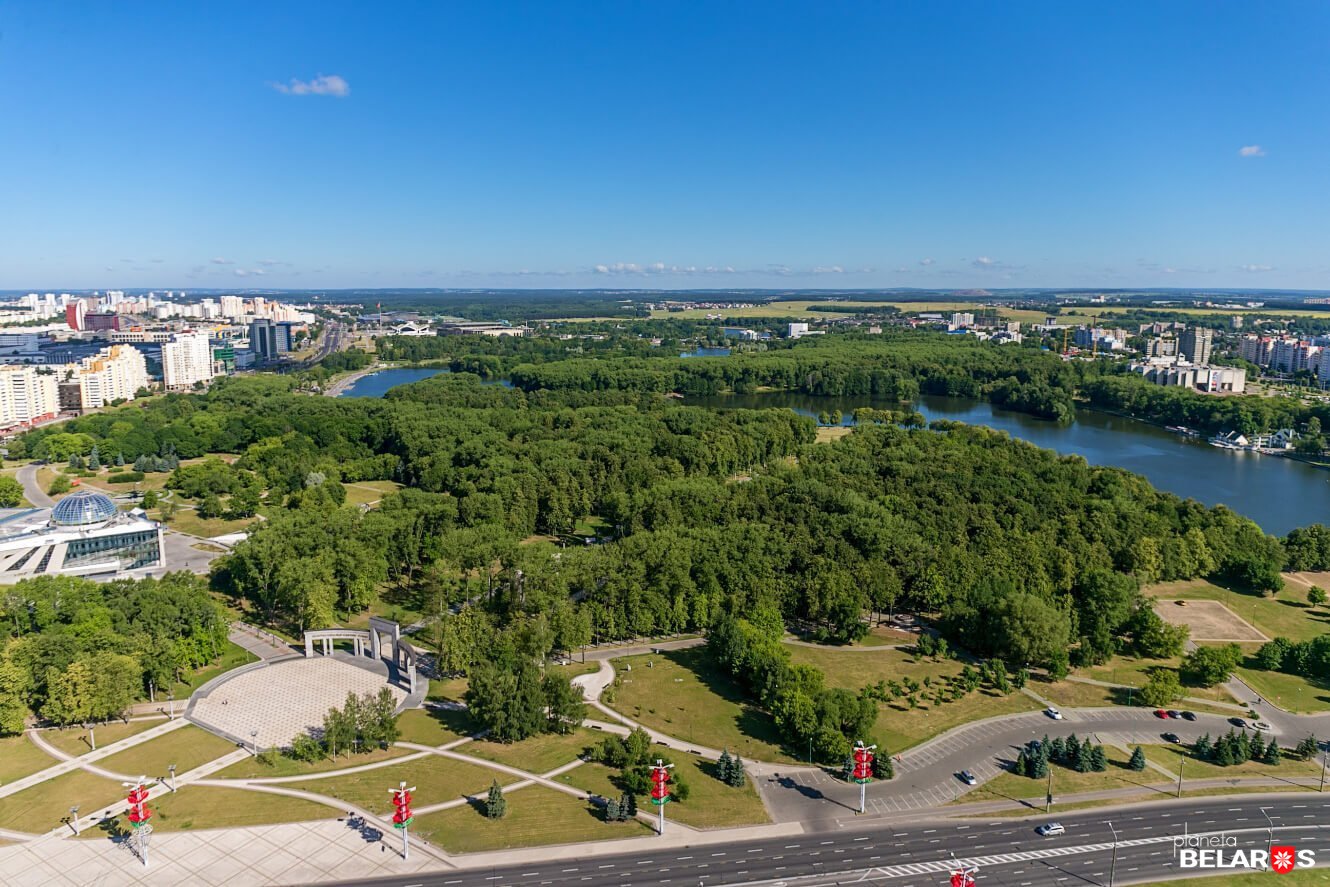
Victory Park, officially the Pobeda Museum and Park Complex, is Minsk’s largest park, covering 200 hectares — nearly one and a half times the area of Moscow’s Victory Park. It combines a solemn memorial atmosphere with the tranquillity of a natural retreat surrounding Komsomolskoye Lake.
The park’s origins are deeply tragic. The ceremonial opening of Komsomolskoye Lake, excavated by young Minsk residents by hand, was planned for Sunday, 22 June 1941. That was the day the war began, so the basin filled with water not as part of a celebration but through the course of events. The park officially opened only in 1945 as a symbol of life’s victory over death.
Highlights:
- Komsomolskoye Lake: the park’s main attraction. There are fountains, including on the water itself, pedal boats and the Svisloch excursion boat that cruises along the scenic shoreline.
- Bird Island: a small wildlife sanctuary reached only by a 60-metre bridge. Wooden boardwalks replace asphalt to protect rare birds nesting in the reeds.
- Komsomol Island: a more active area with exercise equipment and outdoor fitness spaces, also accessible by bridge.
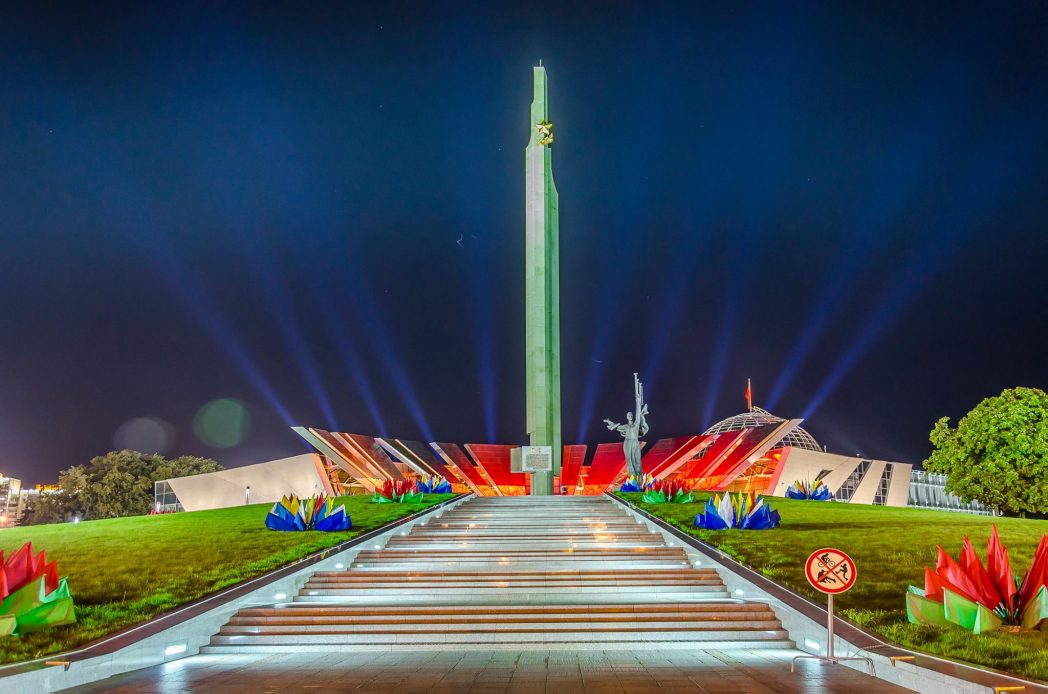
- Architecture: a grand Triumphal Arch stands at the entrance from Masherova Avenue. Deeper inside are the Victory Fountain and the Minsk — Hero City obelisk, near the Museum of the History of the Great Patriotic War.
Source: myland.by
One of the most significant symbols of national remembrance, the Victory Monument, stands in the central area of the park. Together with the Eternal Flame and sculptures titled Partisan Woman, Mother, Liberation and Always Together, it recalls the victims of war and the cost of victory. State ceremonies, commemorations and wreath-laying events are often held here, lending the memorial a solemn character. Seasonal exhibitions, flower displays and special art installations also decorate the site.
Address
Minsk, Pobediteley Avenue, Komsomolskoye Lake area
Price
- free admission to the park
- boat, pedal-boat and other rentals: from 10 BYN per hour
Opening hours
Park grounds
- Open 24 hours
Rentals
- usually 10:00–20:00 in summer
5. Botanical Garden
Source: turby.by
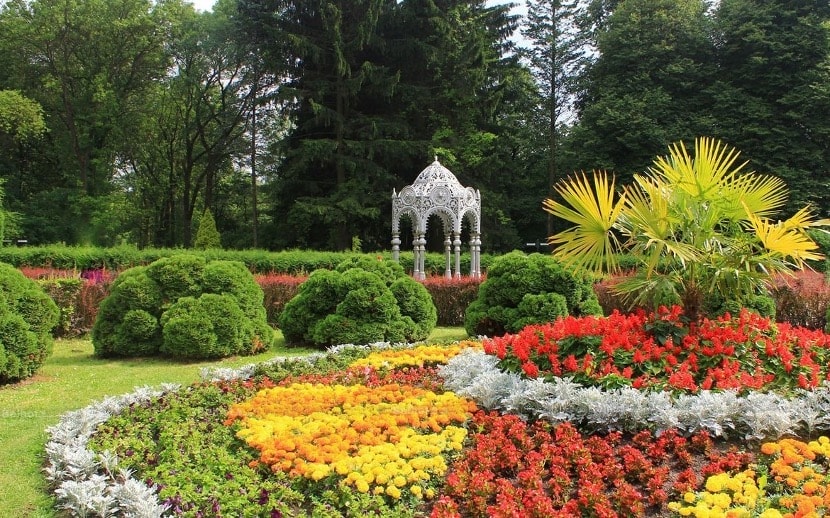
The Central Botanical Garden of the National Academy of Sciences of Belarus is a living open-air museum and one of the largest botanical gardens in Europe. Its vast 100-hectare grounds contain an exceptional collection of more than 10,000 plant species from across the world. It is the ideal escape from city noise without leaving Minsk.
The Botanical Garden is beautiful year-round, and each area offers something special:
- Exhibition greenhouse: a tropical paradise with palms, climbing plants, cacti and even a pond with goldfish and red-eared turtles. Orchid and parrot exhibitions are often held in winter.
- Citrus greenhouse: a unique collection, the only one of its kind in the country, growing lemons, mandarins, oranges and grapefruits. It is particularly fragrant from November to January when the fruits ripen.
- Swan lake: a scenic pond in the garden centre with white swans and ducks. The Island of Arts, decorated with sculptures, sits in the middle.
- Avenues and plant collections: tulips, lilacs, roses and rhododendrons grow in spectacular displays. In spring, blooming magnolias and cherry trees attract photographers.
- Festivals: summer brings music festivals such as jazz evenings, lantern exhibitions and light shows.
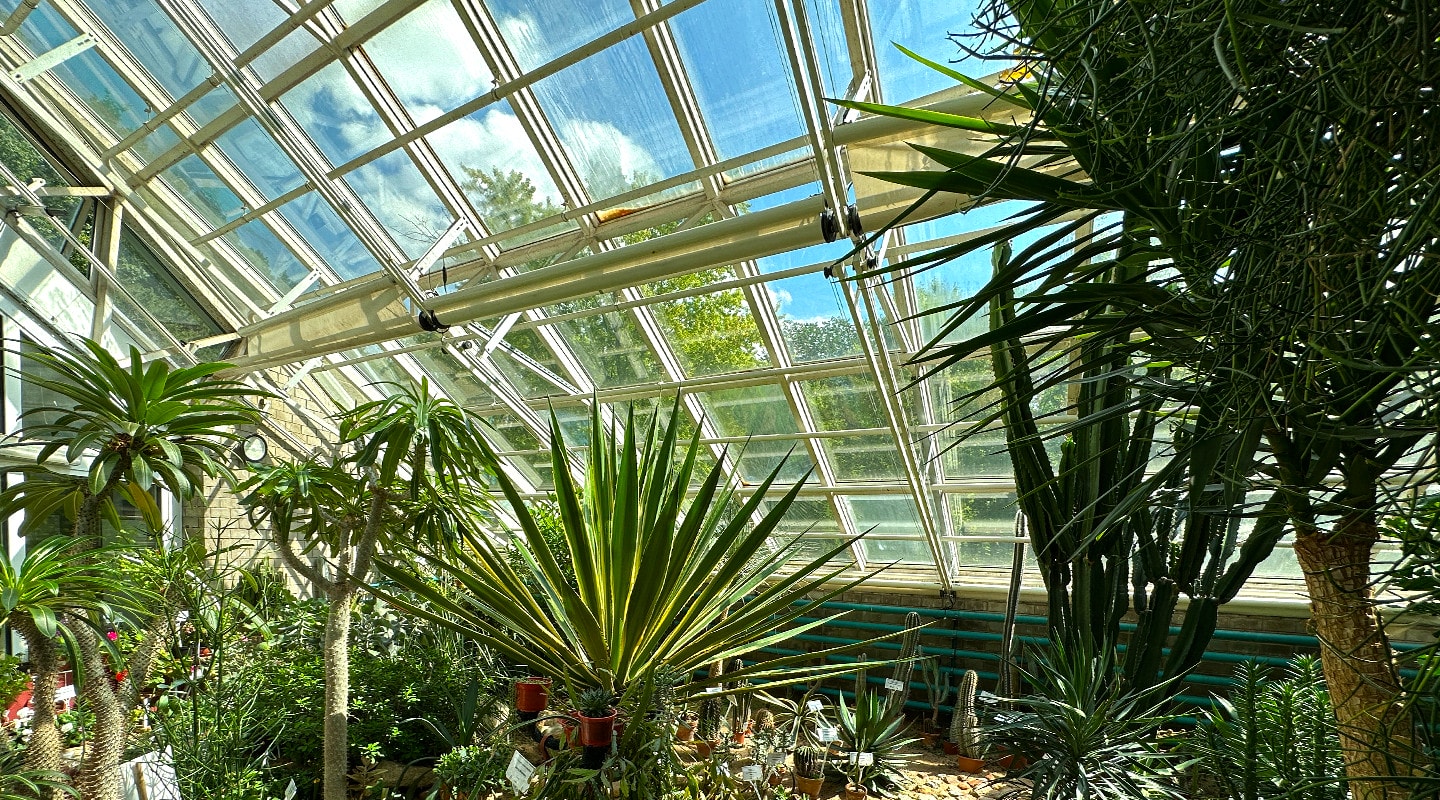
Source: Central Botanical Garden
The Botanical Garden is also an active scientific research centre. Its laboratories study plant breeding and acclimatisation, educators give lectures and students conduct practical observations. Conservation programmes protect rare and endangered plant species of Belarus, some of which grow in special sections and are listed in the Red Book.
Visitors can enjoy well-maintained paths, benches shaded by old trees, picnic areas and cosy summer cafés. In recent years the garden has become a popular location for wedding photography, seasonal celebrations such as cherry blossom and iris festivals, and outdoor art workshops.
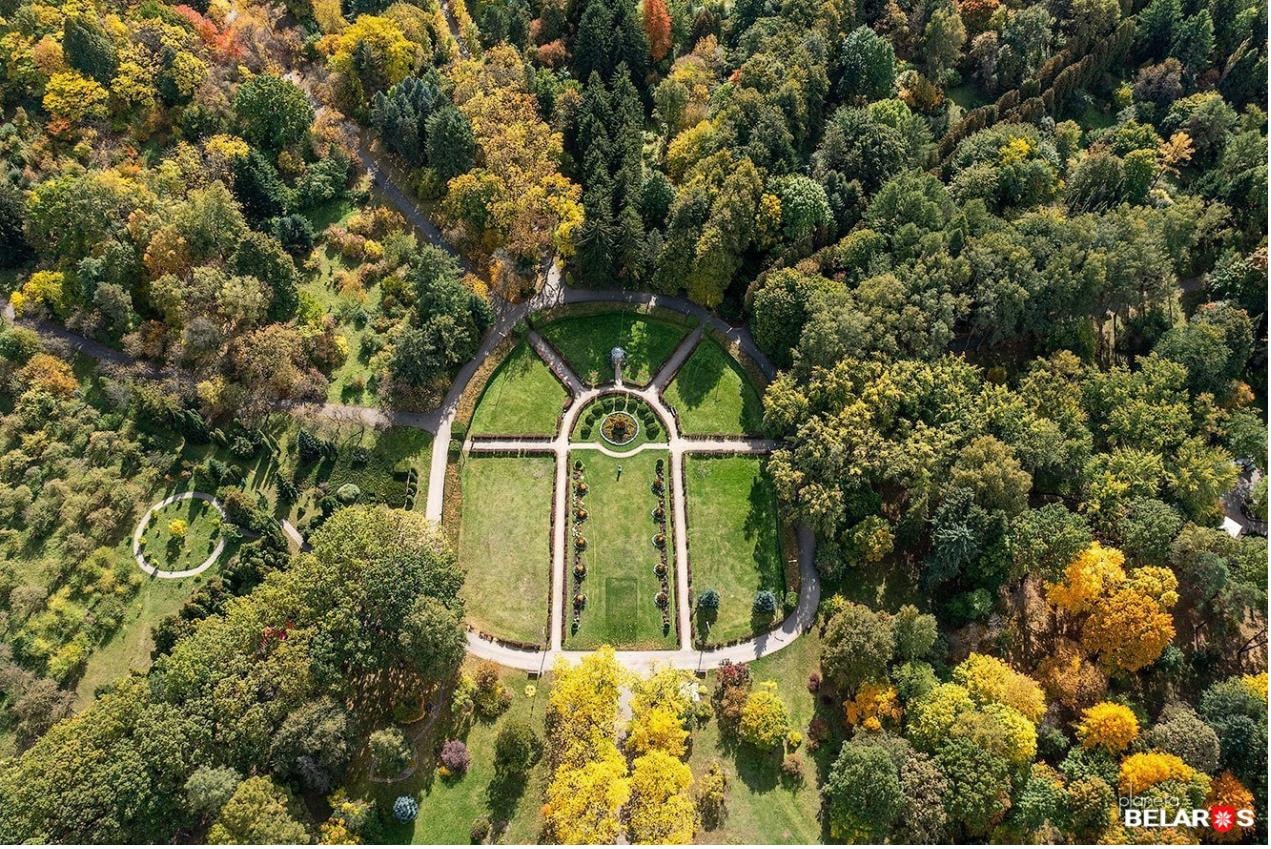
Source: planetabelarus.by
Address
Minsk, 72 Independence Avenue
Price
- adult ticket: around 6 BYN
- reduced admission: around 3 BYN
- children under 7: free
Opening hours
- Tue–Sun: 10:00–19:00 (last admission 18:30)
- Mon: closed
6. Alexandrovsky Square
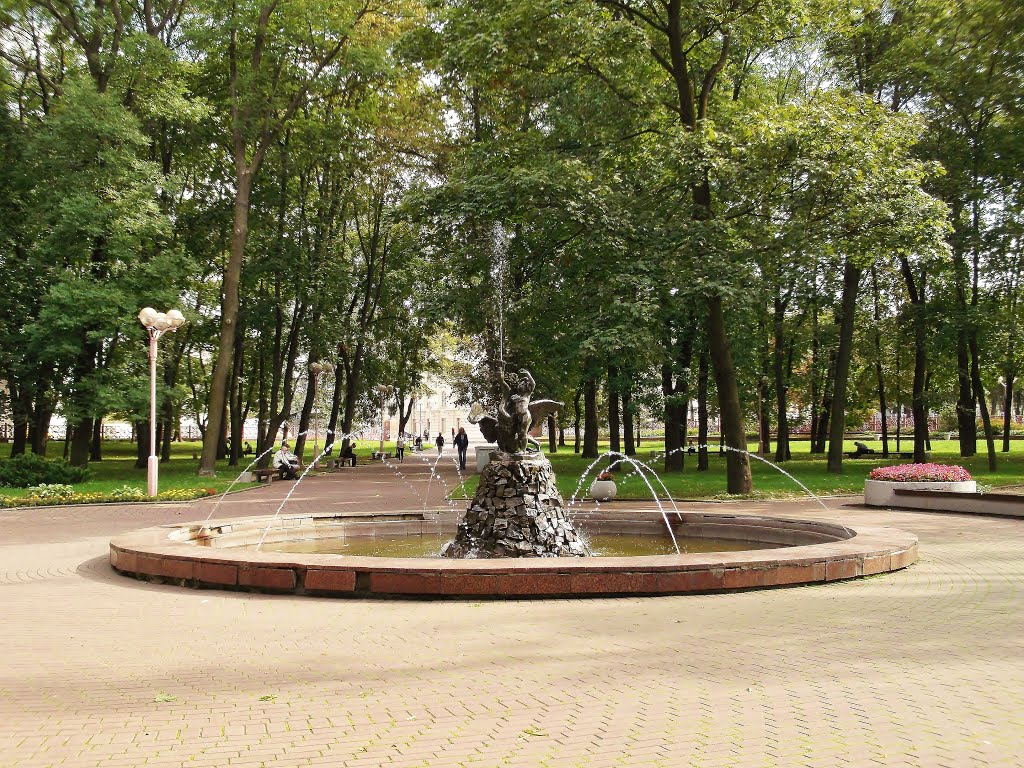
Source: Minsk News
Alexandrovsky Square, popularly called Panikovka, is one of Minsk’s oldest and prettiest small parks, established in 1836. In the very heart of the city, it is a favourite spot for unhurried walks and is full of urban legends and architectural monuments.
The site was originally wasteland and the New Market, but it was landscaped at the initiative of mayor Leopold Delpats. Its name comes from the Alexander Nevsky Chapel, which stood here from 1869 until the late 1920s. The chapel was built in gratitude for Emperor Alexander II’s miraculous escape from an assassination attempt.
What to see:
- Boy with a Swan Fountain (1874): the city’s oldest fountain, installed to mark the opening of Minsk’s first water supply system. At its centre is a sculpture by Theodor Kalide. The square acquired the nickname Panikovka because the figure jokingly reminded locals of Panikovsky stealing a goose in The Golden Calf.
- Yanka Kupala Theatre: Belarus’s oldest theatre, opened in 1890, stands on the southern edge of the square. The historic building is an important architectural landmark.
- Miniature toilet building: this public convenience, built in 1912, looks like a tiny palace. Legend says its architect copied the manor of a wealthy client who refused to pay him, taking revenge on the stingy owner.
- Government reviewing stand: the granite platform on the October Square side was built in the 1950s and used by Communist Party officials to watch parades.
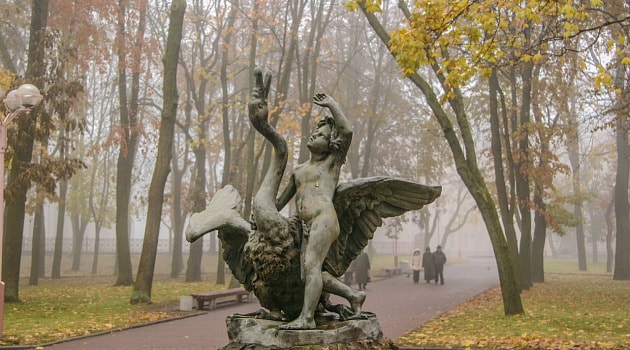
Source: tio.by
The square is surrounded by important city buildings, including the Officers’ House, the Yanka Kupala National Theatre (which opened here in 1890), the former Communist Party Central Committee headquarters (now the presidential residence) and others. Its shady paths, flower beds and benches make it a favourite retreat for visitors and residents escaping the city’s bustle.
Address
Minsk, intersection of Karla Marksa, Engelsa, Krasnoarmeyskaya streets and Independence Avenue
Price
free
Opening hours
24 hours a day
Mikhailovsky Square and the former Reiman Gymnasium
Source: Yandex
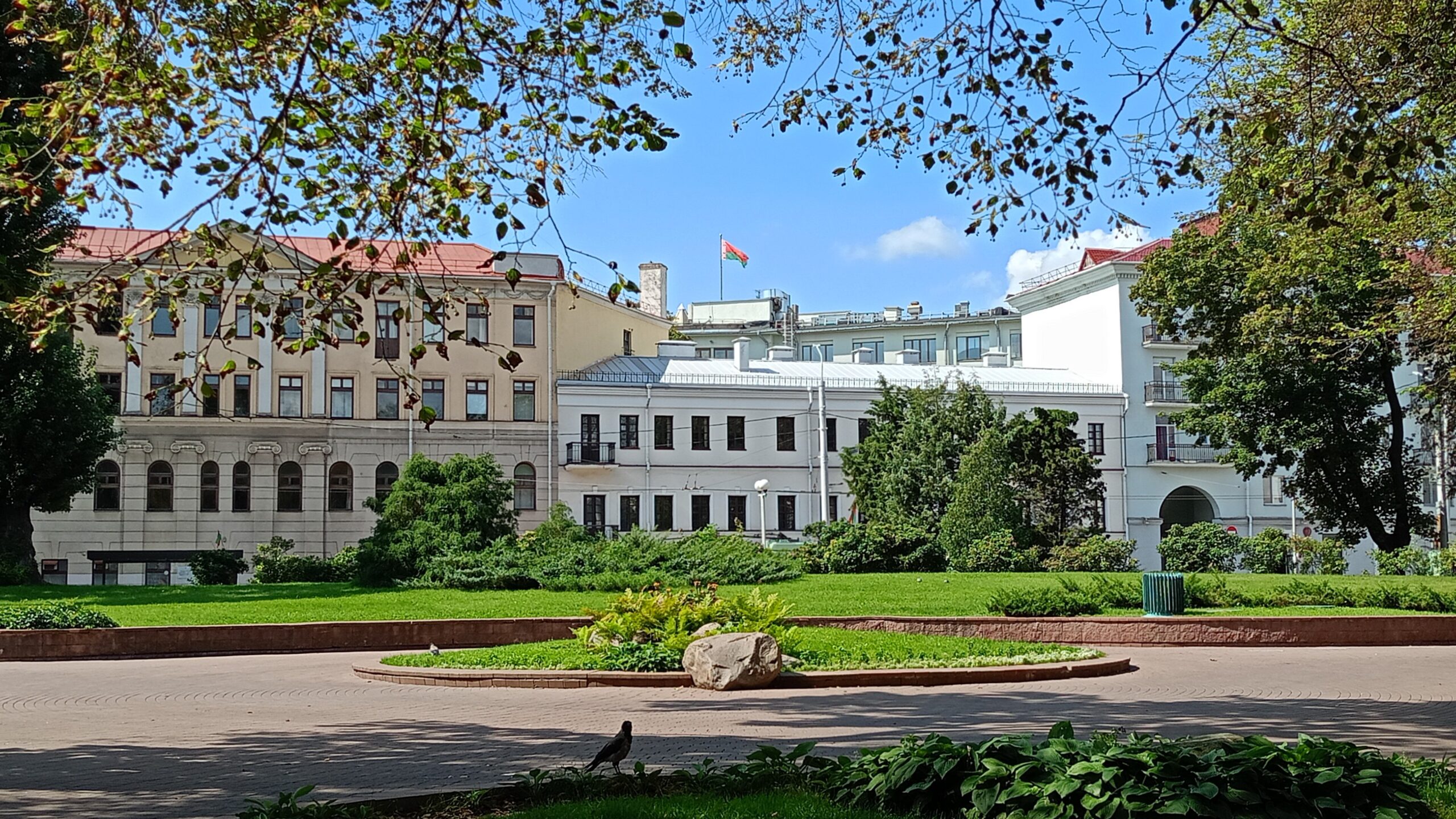
Mikhailovsky Square is a small but charming and symbolic green oasis just a short walk from the railway station. It is one of the first places visitors encounter when walking from the station towards the centre.
Created in 1925 on the former parade ground and Vilensky Market site, the square remained an ordinary park until a major renovation in 1998. It became one of Minsk’s first modern landscaped public spaces, with elegant paving, distinctive street lamps and famous urban sculptures.
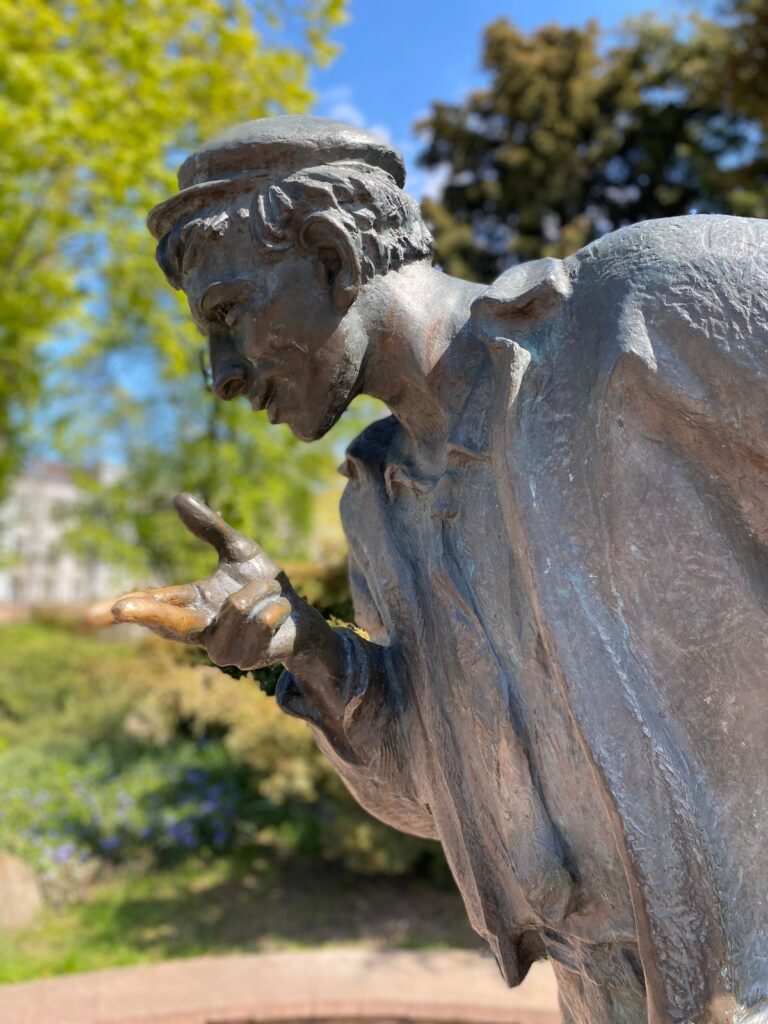
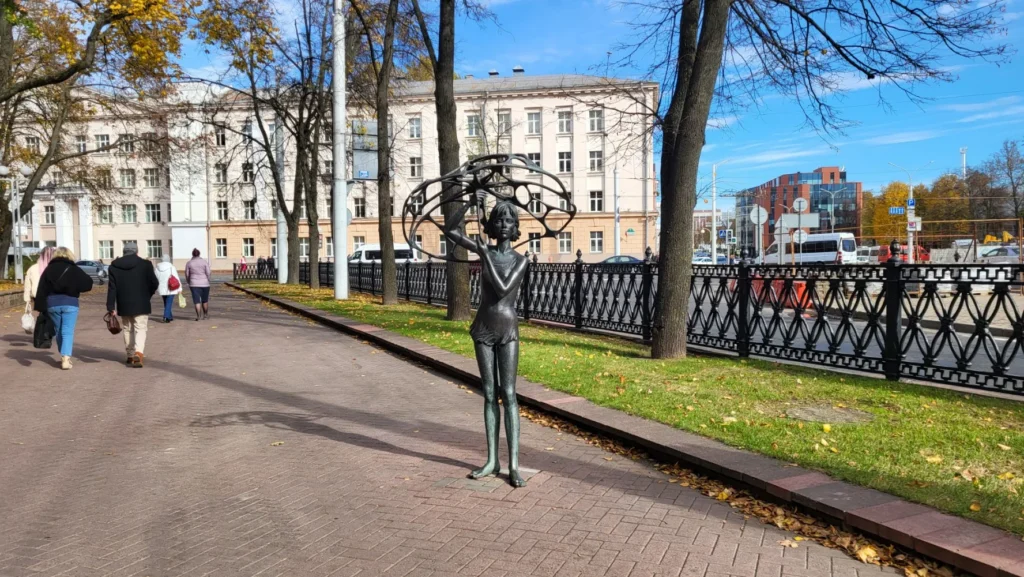
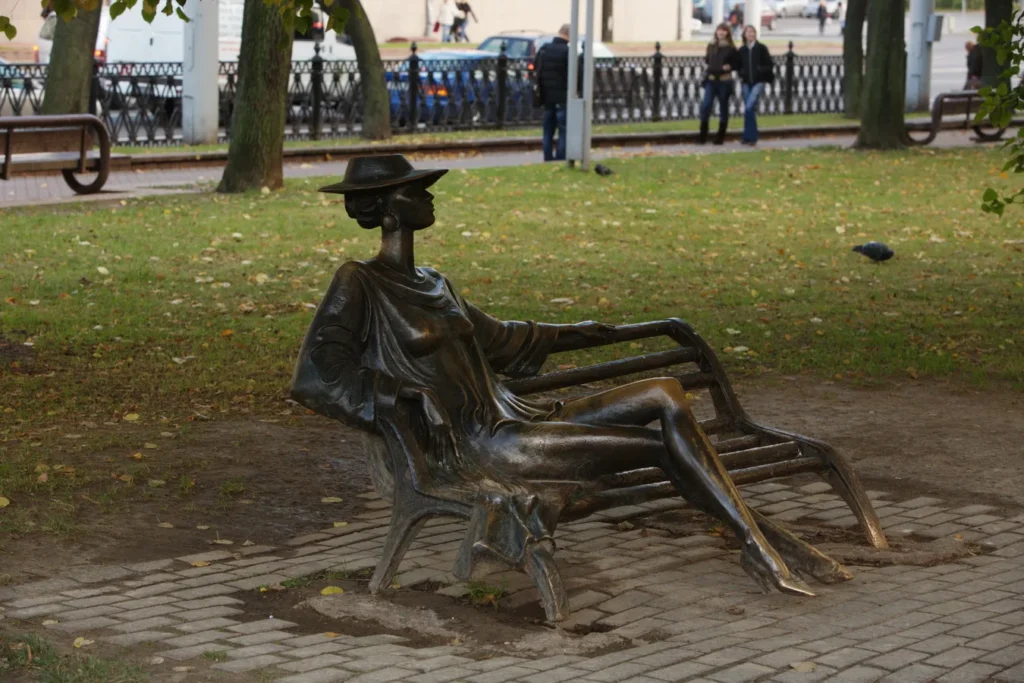
The square is famous for its bronze inhabitants — works by sculptor Vladimir Zhbanov that have become unofficial symbols of the city.
- The Man Asking for a Light: a man requesting a cigarette light. The statue has a tragic backstory: its model was a real film producer who commissioned it but died before installation. The sculpture was unveiled exactly 40 days after his death.
- Girl with an Umbrella: a touching, tragic figure of a barefoot girl beneath a damaged umbrella. Although designed earlier, the statue was installed after the 1999 Nemiga tragedy and became a symbol of the fragility of life and remembrance of the young people who died.
- The Stranger: an elegant woman resting on a bench. This was Minsk’s first informal park sculpture without a pedestal, inviting people to sit beside it. Thousands of visitors have polished the space next to her by posing for photographs.
Source: tripadvisor.ru
Source: Yandex
Source: Yandex
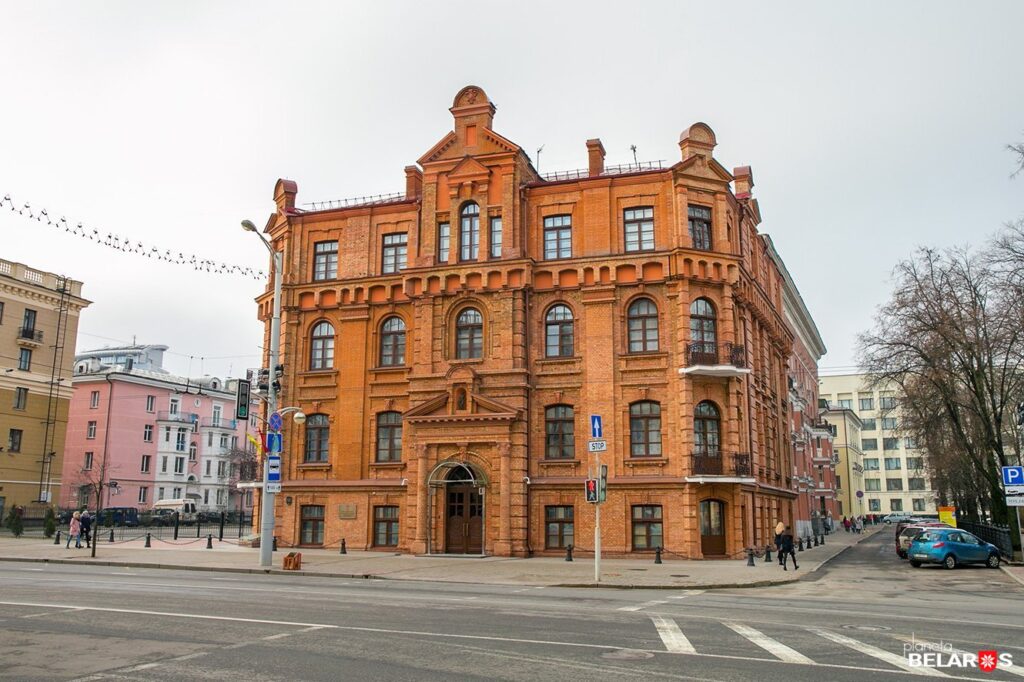
Just a few steps from the square, at 5 Kirova Street, stands a notable red-brick building: the former Reiman Girls’ Gymnasium.
Source: planetabelarus.by
Built in the late 19th or early 20th century as a rental property, the building was converted in 1913 into Elizaveta Reiman’s private Alekseevskaya Girls’ Gymnasium. It was one of Minsk’s most prestigious schools, attended by daughters of well-off families. The pupils wore elegant green dresses with black aprons and studied both academic subjects and etiquette.
The four-storey Eclectic-style building attracts attention with its rich red colour and elaborate brick ornamentation. During Soviet times it housed a railway school and later a teacher-training college. Today it is an architectural monument that adds to the atmosphere of old Minsk near the station.
Address
Minsk, intersection of Leningradskaya, Sverdlova and Kirova streets
Price
free
Opening hours
24 hours a day
Map of parks and recreation areas
City quests — interactive walks around Minsk
If you really want to immerse yourself in Minsk, go beyond standard tourist routes and feel like an explorer rather than a sightseeing visitor, try a city quest. It is a way to discover the city from within, solving its mysteries one clue at a time.
Walker.by city quests
Quests and interactive guided adventures from the Walker.by platform are original story-driven explorations of Minsk in which real places become part of a game. All you need is a mobile phone: get the scenario from the website or app, gather a team or go solo, and set off to find clues, solve puzzles and discover hidden courtyards, forgotten monuments and unusual architectural details. These quests are easy to fit into a trip: available 24/7, they can be completed at your own pace, starting whenever you like.
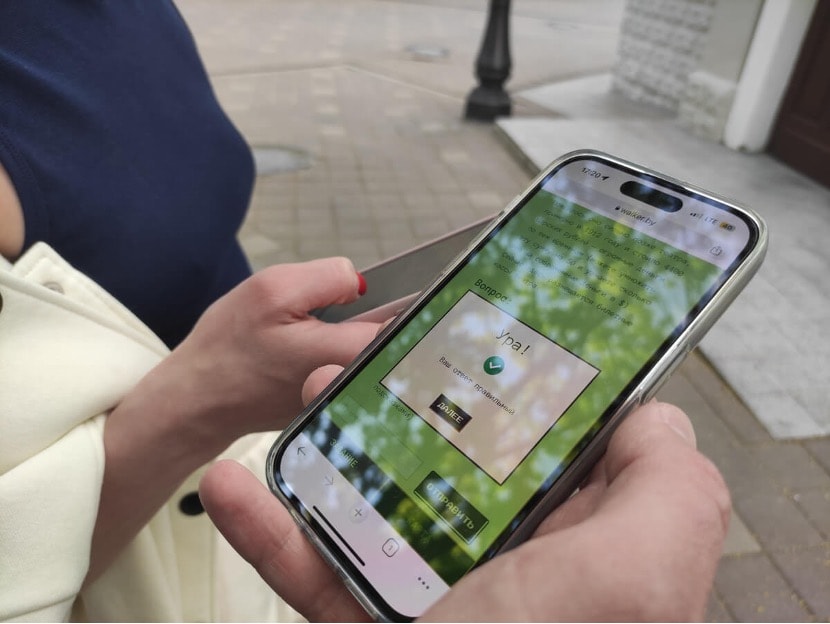
Each scenario offers its own storyline, historical discoveries, challenges, clue hunts and new ways of looking at familiar places. For example, “Czapski: The Secret of Minsk’s Legendary Mayor” follows the footsteps of one of Minsk’s famous leaders and reveals mysteries from his era, while “Mission: Initiation” invites you to see the city through a modern explorer’s eyes and uncover the secrets of its streets.

Register on the official walker.bywebsite, choose a scenario, pay for access and start exploring — clues and tasks will arrive directly on your phone.
Explore quests in MinskConclusion
Minsk is a city that surprises and inspires. Eras, styles and cultures blend here: grand Stalinist Empire avenues stand alongside the cosy streets of Trinity Suburb, while monumental reminders of the past meet innovative creative spaces.
The Belarusian capital welcomes everyone, from history lovers and art enthusiasts to foodies and people simply seeking a welcoming, comfortable atmosphere. Clean parks, hospitable residents, rich cultural life and convenient infrastructure make Minsk an excellent travel destination.
As you wander broad avenues and quiet squares, visit museums and sample the local cuisine, you will feel the city’s distinctive rhythm. Minsk does more than introduce visitors to Belarus — it leaves memories worth cherishing and reasons to return.
Come and discover Minsk, a city with something for everyone.
